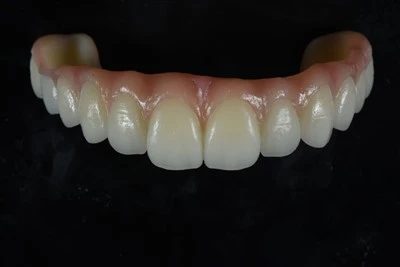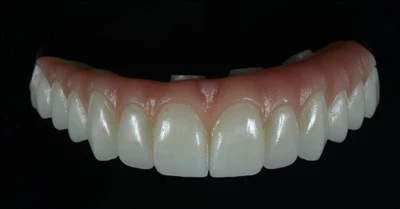
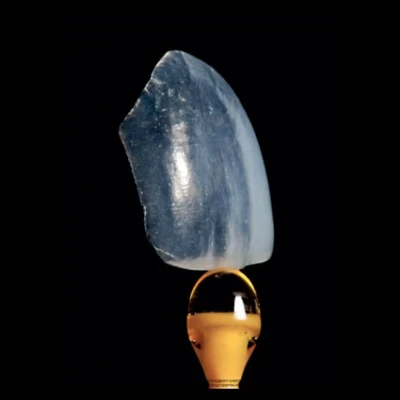
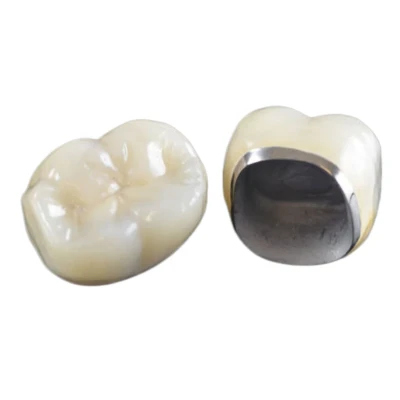
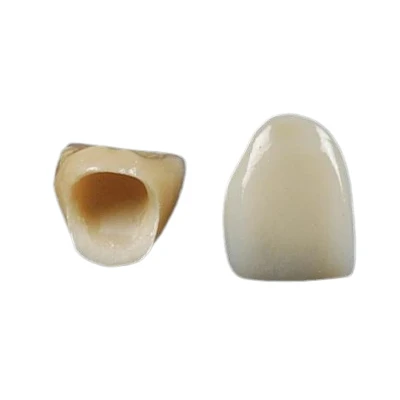
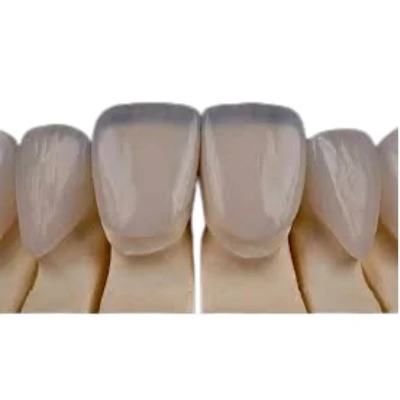
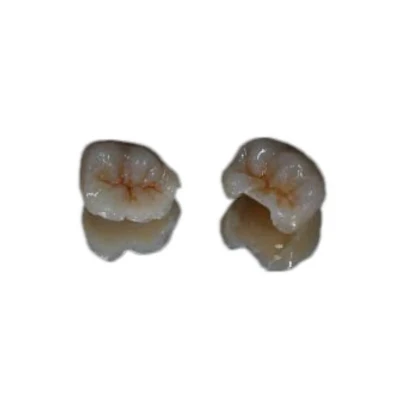
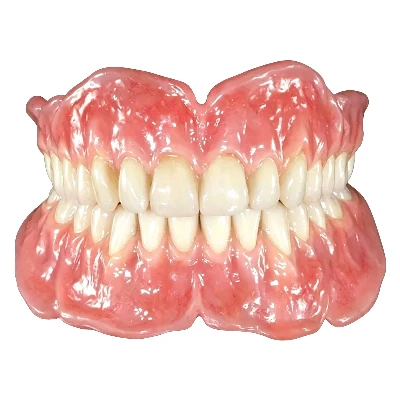

Material selection matters, but so do CAD design time, milling equipment, sintering, technician labor, esthetic finishing, quality control, case complexity, turnaround, and remake risk. Two crowns described as "zirconia crowns" can therefore carry very different laboratory costs.

Zirconia Crown Lab Cost vs. the Price a Patient Pays
The zirconia crown lab fee should not be confused with the final treatment price charged by a dental clinic.
A dental laboratory is responsible for producing the restoration. Its costs may include:
- Zirconia material
- CAD design
- Milling
- Sintering
- Staining and glazing
- Technician finishing
- Quality control
- Case management
- Packaging and logistics support
The price paid by a patient includes a much broader clinical service. Tooth preparation, diagnostic procedures, intraoral scanning or impressions, temporary restorations, dentist chair time, cementation, clinic overhead, and local market conditions may all be part of the final treatment fee.
That distinction is important when comparing zirconia crown prices online. A $1,000 or $2,000 patient fee says very little about what the dental laboratory was paid to manufacture the crown.
For dentists and dental laboratories, the more useful question is what is included in the zirconia crown dental lab cost and why one laboratory may quote more than another.
How Zirconia Material Selection Affects Lab Cost
"Zirconia" does not describe one uniform dental material. As explained in more detail in this guide to zirconia crown materials, composition, and properties, dental zirconia systems differ in composition, strength, translucency, color structure, manufacturer, and intended application.
Those differences affect both clinical selection and production cost.
High-Strength, High-Translucency, and Multilayer Zirconia
A posterior crown designed primarily for strength may use a different zirconia system from an anterior crown where translucency and shade transition are more important.
Modern dental zirconia includes materials with different yttria contents and phase compositions. Research comparing 3Y, 4Y, and 5Y dental zirconia shows why strength and translucency should not be treated as identical across all zirconia formulations.
Common categories include:
|
Zirconia category |
Main priority |
Typical use |
|
High-strength zirconia |
Strength and fracture resistance |
Posterior crowns, bridges |
|
High-translucency zirconia |
Improved optical properties |
Anterior and esthetic cases |
|
Multilayer zirconia |
Color/translucency gradient |
Esthetic crowns and smile cases |
|
Monolithic zirconia |
Full-contour structural design |
Single crowns, bridges, posterior cases |
|
Layered zirconia |
Zirconia substructure plus ceramic layering |
Higher-esthetic anterior restorations |
The optical performance of zirconia also varies considerably between material systems. Studies on zirconia translucency and optical properties help explain why material selection becomes especially important in anterior and other esthetically demanding cases.
For laboratories and dentists who need to specify material more precisely, 4Y/5Y zirconia crowns illustrate how different zirconia formulations can be selected according to strength and esthetic requirements.
Reference procurement ranges can vary substantially. Depending on manufacturer, optical properties, region, disc size, and purchasing volume, zirconia blanks may range from relatively inexpensive standard materials to premium multilayer systems costing several times more.
The important point is not the exact price of one disc.
The zirconia system included in the quotation matters.
A quote for a basic posterior monolithic crown should not automatically be compared with a quote for a premium multilayer anterior restoration as though the two products were identical.
Monolithic vs. Layered Zirconia
A monolithic zirconia crown is designed as a full-contour restoration and milled primarily from zirconia. After milling, it still requires sintering and usually some combination of staining, glazing, polishing, contour refinement, and quality inspection.
A layered zirconia crown adds ceramic layering over a zirconia substructure or selected surfaces. That may involve additional porcelain application, firing cycles, contouring, characterization, surface texture, and technician time.
The material itself is only one reason layered zirconia may cost more. The larger difference often comes from labor.
For case-selection considerations beyond cost alone, this comparison of monolithic vs. layered zirconia crowns explains where each approach may be more appropriate.
Material Utilization and Nesting Efficiency
The price of a zirconia disc also does not translate directly into a fixed material cost per crown.
During CAM preparation, restorations are nested within the zirconia disc. Efficient nesting allows a laboratory to use more of the available material. Poor utilization increases waste.
Material consumption varies with:
- Crown size
- Bridge span
- Restoration height
- Nesting position
- Disc thickness
- Machining strategy
- Unused areas around previously milled restorations
A small single crown and a large multi-unit bridge clearly do not consume the same amount of usable zirconia.
Laboratories also carry inventory across different shades, translucency levels, strengths, and brands. Supporting a broad zirconia portfolio adds inventory and batch-management cost even before production begins.
How Restoration Design and Case Complexity Change the Price
The same zirconia material can produce very different lab costs depending on what the technician has to design.
Posterior vs. Anterior Zirconia Crowns
A straightforward posterior monolithic crown generally focuses on functional anatomy, proximal contacts, occlusion, material thickness, and fit.
Anterior restorations often require more work.
The CAD designer and ceramic technician may need to manage:
- Facial morphology
- Incisal form
- Shade transition
- Translucency
- Surface texture
- Symmetry with adjacent teeth
- Individual characterization
Reference production models may place a simple posterior monolithic design around 15–25 minutes of CAD time, while an anterior esthetic crown may require roughly 30–60 minutes. These are useful illustrations rather than fixed industry rules; actual time depends on the scan, prescription, software, technician, and case.
Bridges and Multi-Unit Restorations
A zirconia bridge is not simply several single crowns connected together.
The designer must also control:
- Connector dimensions
- Pontic form
- Path of insertion
- Multi-unit contacts
- Occlusion across the span
- Structural support
- Overall fit
As bridge length and complexity increase, design decisions become more demanding. Milling also consumes more disc area and machine time.
Implant-Supported Zirconia
Implant restorations introduce another layer of design work.
A screw-retained zirconia crown may require management of the screw channel, Ti-base interface, emergence profile, tissue contour, restorative space, and implant component compatibility. Custom abutments and more complex implant cases add further design and verification steps.
For this reason, case complexity is an independent cost driver, even when the zirconia brand is unchanged.

CAD Design, Digital Workflow, and Milling Costs
CAD/CAM has made zirconia crown production faster and more repeatable, but it has not made it cost-free or fully automatic. A complete CAD/CAM dental workflow still includes multiple technical decisions between receiving a scan and delivering the finished restoration.
Before milling begins, the digital case normally needs to be checked. The technician may verify scan integrity, evaluate the margin, review occlusion, and confirm that the prescription provides enough information to proceed.
The CAD stage then involves decisions about:
- Margin location
- Anatomy
- Proximal contacts
- Occlusion
- Restoration thickness
- Emergence profile
- Bridge connectors where applicable
- Final manufacturing parameters
A trained designer still has to make case-specific decisions. Software does not eliminate technical judgment.
Digital infrastructure also carries recurring costs. A modern digital dental laboratory may invest in CAD licenses, CAM software, dental libraries, design workstations, servers or cloud storage, upgrades, scanners, and technical support.
Then comes milling.
A zirconia milling cost includes more than the electricity required to run the machine. Production must absorb part of the cost of:
- Milling equipment
- Equipment depreciation
- Milling burs
- Calibration
- Maintenance
- Dust collection
- Machine downtime
- Operator supervision
- CAM software
Milling burs are consumables. Their cutting performance declines with use, so bur life becomes a recurring cost per restoration.
Digital workflows can also reduce cost elsewhere. Clean intraoral scans may eliminate or reduce physical model work, impression shipping, manual digitization, and some sources of error. A model-free workflow can therefore be more efficient for certain cases.
Digital technology creates fixed operating costs while reducing some variable processing costs. Well-run laboratories use that efficiency to improve consistency and production capacity rather than treating CAD/CAM as a substitute for skilled technicians.
Sintering, Staining, Glazing, and Hand Finishing
A milled zirconia crown is not a finished zirconia crown.
Most zirconia restorations are milled in a pre-sintered state and then undergo a controlled sintering process, during which the material reaches its final density and dimensions. Research examining sintering conditions and the marginal fit of zirconia crowns shows why this stage matters for more than furnace time alone.
Conventional sintering cycles may take several hours; reference workflows commonly fall around 6–14 hours, although material-specific and fast-sinter protocols are also available.
Sintering cost includes more than energy consumption. Laboratories must account for furnace capacity, maintenance, trays and setters, cycle scheduling, batch utilization, and the production time tied up in each furnace run.
Efficient batching matters. Running an underutilized furnace for a few units is less economical than processing a well-planned batch.
After sintering, the crown may still require substantial technician work.
Depending on the restoration, post-processing can include:
- Sprue or support removal
- Pre- and post-sinter inspection
- Coloring or infiltration
- Contour refinement
- Staining
- Glazing
- Polishing
- Contact adjustment
- Occlusal refinement
- Final surface evaluation
Staining and glazing alone may take roughly 15–30 minutes in some workflows, while final polishing can add further technician time.
High-esthetic anterior cases may require much more attention than basic posterior crowns. Cervical chroma, incisal effects, surface texture, translucency, and individual characterization cannot always be achieved through milling alone. The laboratory process behind shading and characterizing zirconia crowns is therefore an important part of both esthetic quality and technician labor.
This is why digital production and dental craftsmanship remain closely connected.
Quality Control, Remakes, and the Real Cost of Consistency
Dental laboratory quality control is another real production cost.
A zirconia restoration may be checked for:
- Margin integrity
- Proximal contacts
- Occlusion
- Shade
- Contour
- Surface finish
- Design accuracy
- Visible defects
- Final case completeness
These checks require technician time, inspection equipment, documentation, and production discipline. Many of the issues evaluated during this stage are also the same factors involved in preventing common zirconia crown fit problems.
Removing QC would reduce direct labor on paper. It would also increase the risk of expensive failures.
A remake can repeat nearly the entire production process:
Redesign → remilling → sintering → finishing → inspection
The laboratory may also lose another zirconia unit, use another set of consumables, spend additional customer-service time, and face extra shipping costs.
For an international outsourcing case, the downstream cost can be even higher because a remake may affect delivery schedules and communication across countries. This is why systematic efforts to reduce remakes in dental restorations have a direct economic value as well as a quality benefit.
Reference manufacturing models sometimes place first-pass success for experienced laboratories in the low-to-high 90% range. The exact figure varies widely by case mix and how a laboratory defines a remake or rework.
What matters economically is straightforward: higher first-pass consistency lowers the true cost of production.
For a dental practice, a crown that needs extensive adjustment or replacement also consumes chair time. The lowest laboratory fee is therefore not always the lowest total cost.
Other Factors That Can Change a Zirconia Crown Quote
Material, design, and manufacturing explain most of the production cost, but commercial conditions can also change the final quotation.
Turnaround and Rush Service
A normal production schedule lets a laboratory batch design, milling, sintering, finishing, and QC efficiently.
A rush case may have to jump that schedule.
Priority design, separate furnace planning, reduced batching efficiency, and expedited internal handling can justify an additional rush fee. For a broader explanation of how case type, workflow, and production requirements affect timing, see this guide to dental lab turnaround time.
Case Volume and Multi-Unit Efficiency
Stable volume can improve:
- Zirconia purchasing
- Nesting efficiency
- Milling utilization
- Furnace batching
- Workforce planning
- Administrative efficiency
For that reason, some long-term or volume-based outsourcing arrangements may receive different pricing from occasional single-case orders.
Reference sourcing models sometimes show double-digit percentage savings in structured annual-volume agreements, but actual discounts depend entirely on the laboratory, case mix, and production commitment.
Digital vs. Conventional Case Submission
A clean intraoral scan can often move directly into the CAD workflow.
A conventional impression may require additional receiving, model pouring, model scanning, trimming, storage, and shipping-related handling.
Digital submission can therefore reduce some production steps, although it does not remove CAD design, milling, finishing, or QC.

How to Compare Zirconia Crown Lab Quotes
Comparing only the headline price per crown is one of the easiest ways to misunderstand a quotation.
What Is Included in the Unit Price?
Before comparing two labs, clarify whether the quoted zirconia crown lab fee includes:
- Zirconia type and material system
- CAD design
- Physical or printed model
- Staining and glazing
- Custom characterization
- Custom shade work
- Implant components
- Design revisions
- Rush service
- Remake coverage
- Packaging
- Shipping
One laboratory may quote a single all-inclusive fee. Another may charge separately for several of these services.
Those prices are not directly comparable until the scope is clear.
Unit Price vs. Total Landed Cost
For overseas zirconia crown outsourcing, the production fee is only one part of the purchasing decision.
Total landed or operational cost may also involve:
- International shipping
- Customs-related expenses where applicable
- Remake shipping
- Internal case-management time
- Communication delays
- Turnaround
- Chairside adjustment
- Replacement cases
A crown that costs slightly less to manufacture can become more expensive if it generates more remakes or requires repeated adjustment.
What to Ask a Long-Term Outsourcing Partner
A useful supplier evaluation goes beyond "What is your zirconia crown price?"
Ask practical questions:
Which zirconia systems do you use?
Can the material be identified and traced by batch?
How do you handle design revisions?
What QC checks are performed before shipment?
What is your standard remake policy?
What is the normal turnaround for routine cases?
Which intraoral scanner files and digital formats do you accept?
Which services are included in the quoted price?
These questions give a much clearer picture of value than comparing two unit prices in isolation.
Conclusion
Zirconia crown lab costs are shaped by the full manufacturing workflow. Material selection establishes only the starting point. CAD design, restoration complexity, nesting, milling, sintering, technician finishing, quality control, turnaround, and remake risk all contribute to the final laboratory fee.
For dentists and dental laboratories, the most useful comparison is therefore not simply which supplier offers the lowest zirconia crown price, but what material, production process, quality control, and support are included in that price.
ADS Dental Laboratory Ltd is a full-service digital dental laboratory in China providing zirconia crowns, crown and bridge restorations, implant restorations, and long-term dental lab outsourcing for overseas dental professionals. If you are evaluating zirconia crown production or comparing outsourcing options, contact ADS to discuss your case requirements, digital workflow, materials, and quotation.
FAQ
Why do two labs charge different prices for the same zirconia crown?
Because "zirconia crown" is not a complete specification.
The laboratories may use different zirconia systems, design workflows, milling equipment, finishing procedures, QC standards, turnaround policies, and service scopes. One quote may also include items that another laboratory charges separately.
Is layered zirconia more expensive than monolithic zirconia?
Usually, yes.
Layered zirconia generally requires additional ceramic application, firing, contouring, characterization, and technician time. A straightforward monolithic posterior crown normally requires fewer manual esthetic steps.
Does a digital scan reduce zirconia crown lab cost?
It can reduce certain processing costs.
Digital scans may eliminate conventional impressions, stone models, model shipping, and manual digitization. However, the laboratory still needs to design, mill, sinter, finish, and inspect the crown.
Does a higher zirconia crown lab fee always mean better quality?
No.
A higher fee may reflect a more expensive material system, more esthetic labor, additional QC, better service, or higher operating costs. Price alone does not prove quality.
The opposite is also true: a low fee does not automatically prove poor quality.
What matters more than the lowest unit price?
For long-term outsourcing, the most important factors are usually material suitability, fit consistency, remake performance, communication, turnaround, and total landed cost.
A predictable crown that seats efficiently can be worth more than a cheaper restoration that creates repeated adjustments or remakes.