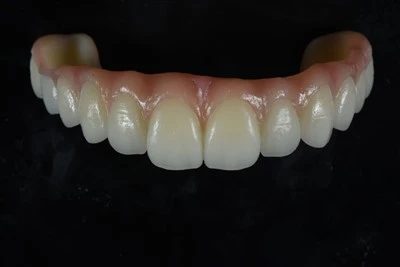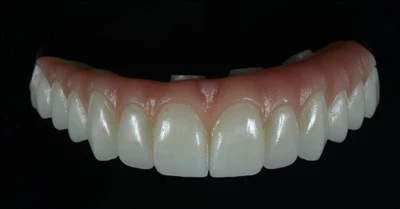
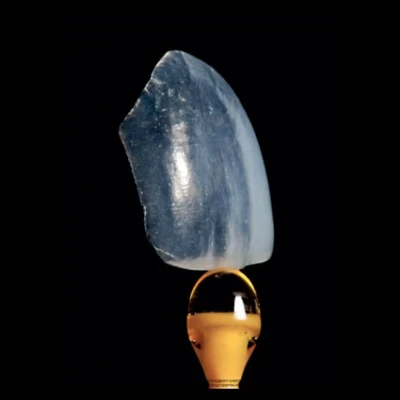
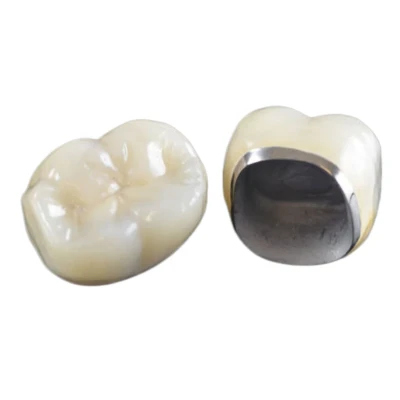
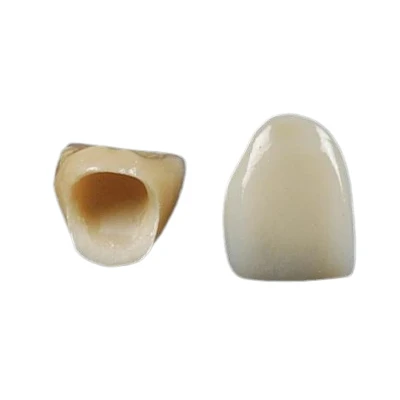
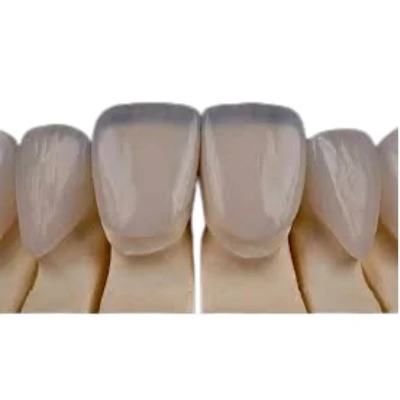
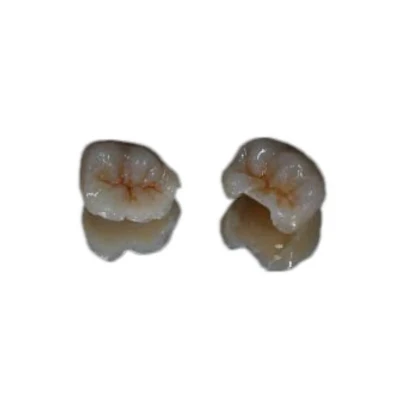
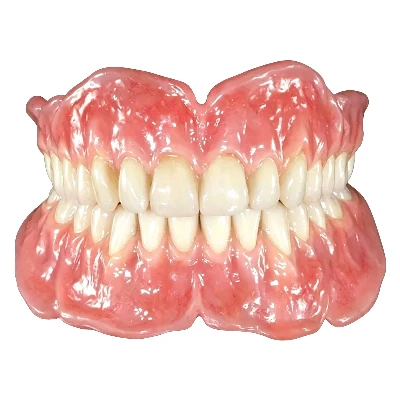

Dental crowns that fit poorly create frustration for everyone. Patients feel discomfort. Dentists spend extra chair time adjusting. Labs handle more remakes. The good news? Most fit issues trace back to controllable steps in the workflow. Improving crown fit and accuracy means delivering restorations that seat fully, seal properly, and function reliably for years.
This guide walks through the full process-from preparation to final verification-highlighting practical ways to reduce adjustments and remakes. Whether you're a clinician capturing scans or a lab refining designs, these insights help build predictability into every case.

What Crown Fit and Accuracy Really Mean
Crown fit refers to how precisely a restoration adapts to the prepared tooth and surrounding dentition. It goes beyond simply "staying on." Accuracy involves multiple dimensions working together.
Marginal fit describes the adaptation between the crown edge and the finish line. Poor marginal adaptation allows microleakage, raising risks of secondary caries and gingival irritation. Studies often cite 50-120 microns as the clinically acceptable range for marginal gaps, with tighter values delivering better long-term outcomes.
Internal fit concerns the space between the crown's intaglio surface and the tooth structure. Too tight, and the crown won't seat completely. Too loose, and retention suffers or cement thickness becomes excessive.
Proximal contacts must allow proper seating without food impaction. Occlusal accuracy ensures even contacts without high spots that disrupt the bite. Seating accuracy confirms the crown goes fully into place passively.
These elements don't exist in isolation. A crown can look perfect on the model yet fail clinically if any link in the chain breaks.
Why Improving Crown Fit Matters for Clinical Success
Ill-fitting crowns waste time and erode confidence. Dentists face longer appointments and repeat visits. Labs absorb remake costs and delayed payments. Patients experience sensitivity, occlusal discomfort, or premature wear.
Strong marginal fit creates a reliable seal that protects the tooth and supports gingival health. Accurate occlusion reduces abnormal forces that can fracture ceramics or cause TMJ issues. When everything aligns, restorations last longer, remakes drop, and patient satisfaction rises.
A crown that requires heavy chairside adjustment is rarely predictable. True accuracy supports function, esthetics, and longevity at the same time.
Common Crown Fit Problems and Their Root Causes
Several recurring issues appear across cases. Recognizing patterns helps prevent them.
Crown does not seat fully - Often caused by tight proximal contacts, internal interferences, undercuts in preparation, or scan distortion.
Open margins - Typically result from unclear finish lines obscured by tissue, blood, or saliva, or inaccurate margin marking in design.
High occlusion - Frequently stems from incomplete bite scans, insufficient occlusal reduction, or design that ignores functional movements.
Improper proximal contacts - Arise from incomplete neighboring tooth scans or incorrect contact strength settings.
Bulky appearance - Usually linked to under-reduction or failure to account for material thickness requirements.
These problems rarely have a single cause. They often compound across preparation, scanning, and design stages.

Starting with Excellence: Tooth Preparation and Margin Management
Precision begins at the prep stage. No amount of advanced CAD/CAM can fully compensate for a poorly prepared tooth.
Focus first on providing adequate space for the chosen material. Full-contour zirconia often tolerates slightly more conservative reduction, while lithium disilicate or layered ceramics demand 1.0–1.5 mm on axial walls and 1.5–2.0 mm occlusally in many cases. These are practical references-always tailor to the specific tooth, occlusion, and material.
Margin design proves critical for crown fit. Aim for smooth, continuous finish lines-rounded shoulder or deep chamfer works reliably for most ceramic restorations. Avoid sharp angles and undercuts that complicate scanning or create weak spots. Feather-edge preps can work in select monolithic zirconia cases but require extra caution to maintain readable margins.
Clear margin visibility makes everything downstream easier. Use double cord retraction techniques when needed to expose subgingival margins and control bleeding. A finish line the lab can clearly see and mark leads to far fewer open margins and adjustment needs.
Get the preparation right, and you set the foundation for everything that follows.
Capturing Accurate Clinical Data: Impressions and Digital Scans
The best labs cannot manufacture accuracy from flawed data. High-quality impressions or scans form the non-negotiable starting point.
Digital intraoral scanners have transformed workflows by reducing distortion risks common in traditional polyvinyl siloxane materials. Scanners from systems like 3Shape TRIOS or iTero deliver detailed 3D models when used properly. Yet technology alone doesn't guarantee results.
Follow consistent scanning protocols. Establish a stable path-often starting occlusal, then lingual to buccal. Capture full arch when possible for better occlusion reference. Pay special attention to the buccal bite scan with the patient in stable occlusion. After scanning, zoom in to check for distortions, incomplete margins, holes near the finish line, or soft tissue interference.
Margin capture remains the make-or-break factor. If tissue or fluids obscure the preparation margin, even the most sophisticated scanner produces guesswork for the lab. Re-scan immediately when issues appear rather than hoping the design software will fix them.
Digital workflows improve consistency and enable fast file sharing for international collaboration. They reward careful technique with fewer remakes.

Laboratory Excellence: CAD Design and Manufacturing Control
Once accurate data arrives, the lab's responsibility is to protect and enhance that precision through design and production.
In CAD design, accurate margin marking is foundational. Designers must trace the finish line precisely-any deviation propagates through the entire restoration. Set cement space thoughtfully: typically 30-50 microns axially and more occlusally, adjusted for material and preparation geometry. Overly tight space prevents seating; excessive space weakens retention.
Proximal and occlusal contacts deserve equal attention. Design them according to the bite record and tooth position rather than generic presets. Check restoration thickness to avoid thin areas prone to chipping, especially in zirconia.
Manufacturing introduces another layer of variables. Five-axis milling machines with fresh burs produce cleaner margins than worn tools. For zirconia, proper sintering schedules and shrinkage compensation are essential-many systems process around 1450°C, but exact parameters depend on the material brand. Post-milling polishing affects not just esthetics but also antagonist wear and plaque retention.
Every step in the lab either preserves the clinical data's accuracy or introduces small errors that accumulate.
Verification, Troubleshooting, and Quality Control
Catching issues before delivery prevents chairside surprises.
Labs should perform systematic checks: marginal adaptation on the model or digitally, internal fit verification, proximal and occlusal contact evaluation, thickness mapping, and overall seating path. For complex cases, printed models or articulator mounting provide additional validation.
When problems reach the clinic, quick diagnosis matters. A crown that binds proximally might need minor adjustment, but one with open margins or major internal interference usually requires remake. Documenting patterns-such as recurring scan issues with certain preps-helps improve future cases.
The strongest labs treat quality control as a proactive system rather than a final checkbox. This approach dramatically cuts remakes and builds long-term trust.

The Power of Collaboration: Dentist-Lab Communication
Even with excellent individual work, miscommunication can undermine results.
Provide complete case information: tooth number, material preference, shade with photos, preparation and opposing scans, bite record, and any specific notes on contacts or esthetics. For anterior cases, stump shade photos prove invaluable. Mention patient habits like bruxism or previous remake history.
For labs handling international cases, clear digital file transfer (STL, PLY, or similar) combined with annotated prescriptions reduces back-and-forth. A well-documented case allows technicians to design with confidence rather than making assumptions.
Strong collaboration turns good data into exceptional restorations. It's one of the highest-leverage ways to improve crown fit and accuracy across the entire workflow.
Improving crown fit and accuracy is not achieved through any single breakthrough technology or tip. It results from disciplined execution across preparation, data capture, design, manufacturing, verification, and communication. When clinical teams and labs align on these principles, remakes decrease, adjustments minimize, and patients receive reliable, comfortable restorations.
At ADS Dental Laboratory Ltd, we specialize in supporting overseas dentists and labs with consistent, high-precision custom restorations through advanced digital workflows. If you're looking for a reliable outsourcing partner that values clear communication and meticulous fit, contact us to discuss your next cases. We're ready to help you deliver better outcomes.
FAQ
Q: What is the clinically acceptable marginal gap for dental crowns?
A: Most literature considers 50-120 microns as the acceptable range for marginal fit, with values closer to 50 microns delivering optimal long-term sealing and gingival health. Gaps beyond 120 microns significantly increase risks of microleakage and secondary caries. High-quality digital workflows and careful margin capture routinely achieve results in the lower end of this range.
Q: How can I improve margin clarity when taking digital scans?
A: Use effective tissue management techniques such as double cord retraction to expose the finish line fully. Control bleeding and saliva, ensure the preparation margin is clean and dry, and scan slowly with consistent paths. Always review the scan at high magnification immediately-re-scan any areas with incomplete margins or distortion rather than sending incomplete data to the lab.
Q: Does switching to digital impressions automatically guarantee better crown fit?
A: Digital impressions significantly reduce distortion compared to traditional materials and improve consistency when performed correctly. However, they do not automatically guarantee accuracy. Success still depends on clear margin visibility, complete scans (including bite records), and proper preparation. Poor technique with a scanner can produce results no better than a flawed conventional impression.
Q: What preparation mistakes most commonly cause crowns not to seat fully?
A: Common culprits include undercuts, insufficient occlusal or axial reduction, unclear or irregular finish lines, and over-contoured proximal areas. Inadequate space for the chosen material (e.g., not providing enough room for lithium disilicate) often leads to bulky or high restorations that require heavy adjustment or remake.
Q: How important is communication between the dentist and dental lab for crown accuracy?
A: Communication is one of the highest-impact factors. Providing complete scan files, shade photos, bite records, material preferences, and specific notes on contacts or esthetics allows the lab to design predictably. For international outsourcing partners like ADS, clear digital prescriptions and annotated cases dramatically reduce remakes and improve overall crown fit and accuracy.