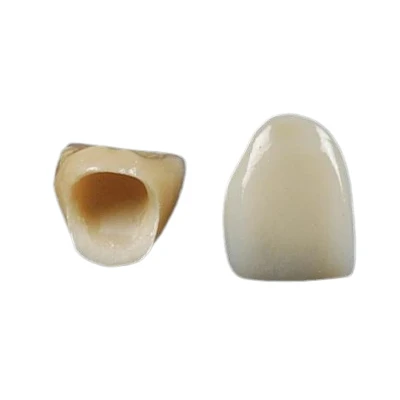
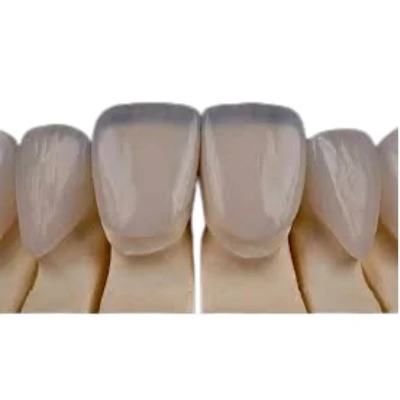
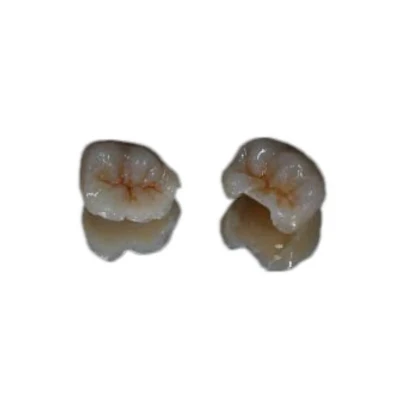
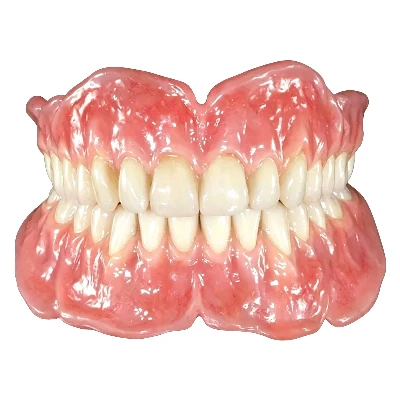


What is Dental Dentures
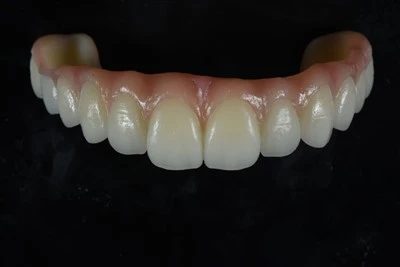
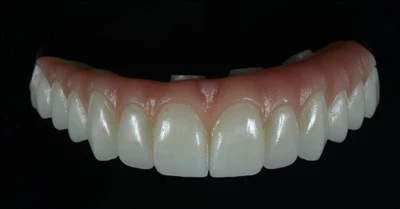
Dental dentures are prosthetic devices constructed to replace missing teeth, supported by the surrounding soft and hard tissues of the oral cavity. Conventional dentures are removable. However, there are many denture designs, some of which rely on bonding or clasping onto teeth or dental implants.
Benefits of Dental Dentures
It Restores Speech Ability
Dental dentures are often thought of as a solution for people who have lost all of their teeth, but they can be used to replace just a few teeth. Whether you are missing one tooth, a few teeth, or all of your teeth, dental dentures can help improve your smile and speech.
Dental dentures can help fill in the gaps and improve your smile if you miss one or a few teeth. They can also help improve your speech by eliminating any pronunciation problems that you may have. If you are missing all of your teeth, dental dentures can give you a complete set of teeth so you can smile and speak confidently.
It Is Well-Fitting and Comfortable
A dentist creates dental dentures that fit your mouth specifically, so they are comfortable to wear. An imprint is made of your mouth to make a mold of your teeth. As your jawbone changes, the dental dentures can be adjusted to fit those changes. Dental dentures are an important part of many people's lives, allowing them to eat and speak normally. Having well-fitting dental dentures can make a big difference in your quality of life.
It Boosts Your Confidence
Dental dentures are a type of false teeth that can be used to replace one or more missing teeth. They are typically acrylic or porcelain and are supported by the surrounding gum tissue. Dental dentures can help to improve your appearance and confidence by providing a natural-looking smile. Additionally, dental dentures can help to support the facial tissues and prevent sagging.
It Improves Your Overall Oral Health
If you miss teeth, you have a greater chance of getting periodontal disease or tooth decay. However, if you have dental dentures that restore the function of your natural teeth, your risk for these problems is reduced. Dental dentures are a great way to improve your smile and your oral health. When you wear dental dentures, you are essentially replacing your missing teeth. This can help improve your chewing function and reduce the risk of tooth decay and periodontal disease.
It's Low Maintenance
If you have removable dental dentures, you should remove them at least once daily to clean them. To clean your dental dentures, simply brush them with a soft-bristled toothbrush and use a denture cleaner to remove plaque and bacteria. You can brush them just like your natural teeth if you have permanent dental dentures. Be sure to use a soft-bristled toothbrush and a denture cleaner to remove plaque and bacteria.
-
![Milled Titanium Implant Bar Implant Hybrid Denture]() Milled Titanium Implant Bar Implant Hybrid DentureTurnaround time:3 days in lab. Warranty:5 years. Shipping Way:UPS (preferred), Fedex and DHL Linex. Armex are also available. Payment:T/T, HSBC, PayPal, MoneyGram, Western Union
Milled Titanium Implant Bar Implant Hybrid DentureTurnaround time:3 days in lab. Warranty:5 years. Shipping Way:UPS (preferred), Fedex and DHL Linex. Armex are also available. Payment:T/T, HSBC, PayPal, MoneyGram, Western Union -
![Removable Acrylic Partial Denture]() Removable Acrylic Partial DentureTurnaround time:3 days in lab. Warranty:5 years. Shipping Way:UPS (preferred), Fedex and DHL Linex. Armex are also available. Payment:T/T, HSBC, PayPal, MoneyGram, Western Union
Removable Acrylic Partial DentureTurnaround time:3 days in lab. Warranty:5 years. Shipping Way:UPS (preferred), Fedex and DHL Linex. Armex are also available. Payment:T/T, HSBC, PayPal, MoneyGram, Western Union -
![Valplast Partial Denture]() Valplast Partial DentureTurnaround time:3 days in lab. Warranty:5 years. Shipping Way:UPS (preferred), Fedex and DHL Linex. Armex are also available. Payment:T/T, HSBC, PayPal, MoneyGram, Western Union
Valplast Partial DentureTurnaround time:3 days in lab. Warranty:5 years. Shipping Way:UPS (preferred), Fedex and DHL Linex. Armex are also available. Payment:T/T, HSBC, PayPal, MoneyGram, Western Union -
![Removable Acrylic Full Denture]() Removable Acrylic Full DentureTurnaround time:3 days in lab. Warranty:5 years. Shipping Way:UPS (preferred), Fedex and DHL Linex. Armex are also available. Payment:T/T, HSBC, PayPal, MoneyGram, Western Union
Removable Acrylic Full DentureTurnaround time:3 days in lab. Warranty:5 years. Shipping Way:UPS (preferred), Fedex and DHL Linex. Armex are also available. Payment:T/T, HSBC, PayPal, MoneyGram, Western Union -
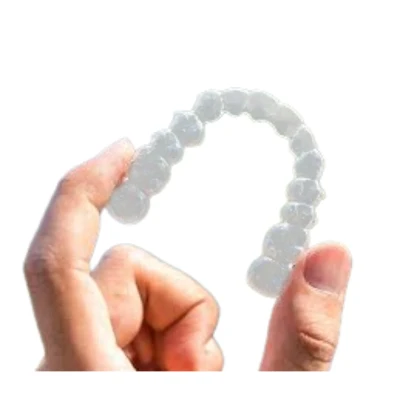
![Snap On Smile]() Snap On SmileDropshipping Snap On Denture Silicone Cover snap smile customized label Upper and lower False teeth cover Features: -Environmentally friendly materials, non-toxic, healthy and safe to use -The effect
Snap On SmileDropshipping Snap On Denture Silicone Cover snap smile customized label Upper and lower False teeth cover Features: -Environmentally friendly materials, non-toxic, healthy and safe to use -The effect -
![Precision Attachment Partial Dentures]() Precision Attachment Partial DenturesTurnaround time:3 days in lab. Warranty:5 years. Shipping Way:UPS (preferred), Fedex and DHL Linex. Armex are also available. Payment:T/T, HSBC, PayPal, MoneyGram, Western Union
Precision Attachment Partial DenturesTurnaround time:3 days in lab. Warranty:5 years. Shipping Way:UPS (preferred), Fedex and DHL Linex. Armex are also available. Payment:T/T, HSBC, PayPal, MoneyGram, Western Union -
![Telescopic Partial Dentures]() Telescopic Partial DenturesTurnaround time:3 days in lab. Warranty:5 years. Shipping Way:UPS (preferred), Fedex and DHL Linex. Armex are also available. Payment:T/T, HSBC, PayPal, MoneyGram, Western Union
Telescopic Partial DenturesTurnaround time:3 days in lab. Warranty:5 years. Shipping Way:UPS (preferred), Fedex and DHL Linex. Armex are also available. Payment:T/T, HSBC, PayPal, MoneyGram, Western Union


Why Choose us
Cutting-edge Technology
We specialized in outsourcing with various Dental labs in the USA, Sweden, France, Spain, UK, Japan, etc. We Administer state of art technology and production techniques amidst an experienced staff of technicians.
Quality Services
Since 2004, China Digital Dental Lab is a nonpareil and experienced family-owned group of Dental Lab in China. Being a prominent Dental Laboratories group we provide a wide range of Services.
Honors and Awards
National High-Tech Enterprise
International quality system ISO9001, ISO13485 certification
US Food and Drug Administration (FDA: NO.3007268434) Import and export registration permit
Environmental management system ISO13485 certification
Guangdong Quality Credit Class A Medical Device Manufacturing Enterprise possess multiple national invention patent certifications
Full Dental Dentures
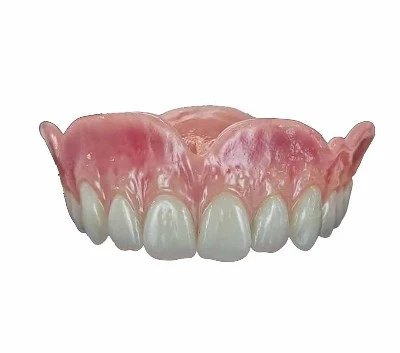
Also called a complete denture, this appliance replaces an entire arch of missing teeth. A full denture rests atop your gums and relies on your palate (the roof of your mouth) or lower jawbone ridge for support. You may need to use denture adhesive (a special type of glue) to keep your appliance firmly in place.
Full dentures are likely what comes to mind when you think about traditional dental dentures. They consist of artificial teeth and a gum-colored base.
People who wear dental dentures usually take them out at night to clean them and give their gums a rest.
Partial Dental Dentures
If you're missing several or most of your teeth in one or both jaws, partial dental dentures may be an option. Partial dental dentures are similar to full dental dentures, as they also rely on your gums and underlying bone for support. But partial dental dentures also have special clasps that hook around your remaining natural teeth, providing additional stability.
Immediate Dental Dentures
Sometimes people need tooth extractions before they can wear dental dentures. An immediate denture is a device you wear right after extractions.
In some cases, immediate dental dentures are temporary appliances. Once you've healed, your dentist will replace them with your final dental dentures. In other cases, you might be able to wear your final denture immediately after surgery. Your dentist can tell you what to expect in your situation.
Implant-retained Dental Dentures
Instead of relying on your jawbone ridge and gums for support, implant-retained dental dentures attach to dental implants. Dental implants are small, threaded posts that surgeons place in your jawbone to replace missing teeth roots.
Like traditional dental dentures, implant-retained dental dentures are removable. You take them out at night to clean and soak them.
Implant-retained dental dentures typically offer more stability than traditional dental dentures because they “snap on” to implants embedded in your jaw. You won't need denture glue to secure them in your mouth. For this reason, some people call them “snap-in dentures.”
Implant-supported Dentures
Unlike other types of dentures, implant-supported dentures (also called permanent dentures or hybrid dentures) are non-removable. They don't snap in and out, and only your dentist can remove them.
Dentists recommend implant-supported dentures for people who don't want removable oral appliances. The downside of a nonremovable denture is that it requires more thorough daily cleaning, including flossing underneath your denture.
How are Dental Dentures Made?


Measurements: The first step to making dental dentures consists of your dentist taking a dental impression of your mouth. This impression will be used to create a plaster model of your mouth so a dental dentures of the appropriate size and shape can be made. In addition to the dental impression, your dentist may also take various measurements of your jaws.
Models: The next step is to create models using the plaster model and fake teeth. The plaster model will be placed in a device called an articulator that replicates the jaw. Then, several fax teeth are dental dentures modelattached with wax. The wax is then carved into a gum line and the model will be checked for fit. There may need to be several models tried on to determine the best fit. The model with the best fit will be used to create the final dental dentures.
Final Fabrication: During this step, the final denture will be fabricated from the dental materials you and your dentist have chosen. Starting with the wax model, plaster is poured to keep the denture's shape and the wax is melted away. The plaster is then treated with a solution that prevents acrylic from sticking to it and the acrylic is injected where the wax was. Finally the plaster is removed, revealing the denture. Excess plaster and acrylic will be removed before polishing the final denture.
Adjustments: Once the final dental dentures has been fabricated, it will be placed in the mouth and adjusted as necessary.
What Are Partial Dental Dentures Made Of: The Framework
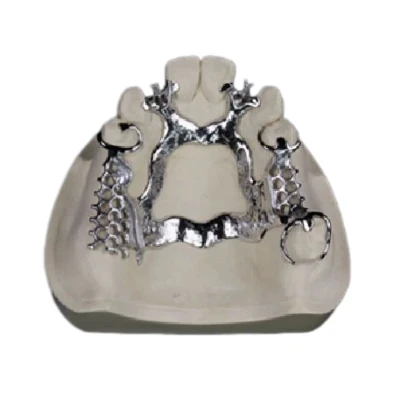
Partial Metal Dental Dentures
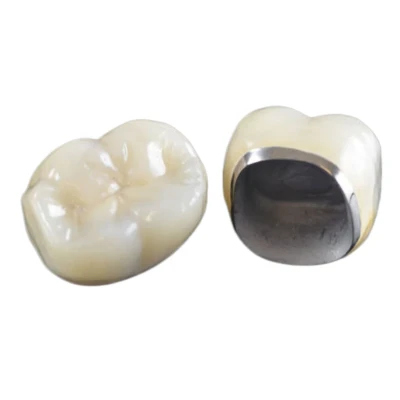
These dental dentures have a metal base and are often smaller than plastic or acrylic dental dentures. They're matched with high-quality composite teeth made to look like your natural teeth. These are more labor intensive to make, so they can cost more. Most of the time, partial metal dental dentures are made from:
Base metal alloys. This is the most popular material used for the framework of a partial dental dentures as it's strong, less likely to break, and provides a better fit, not to mention it's ideal for partial plates.
Chrome cobalt. This material is another very strong substance that makes a popular choice for dental dentures frameworks.
Flexible Dental Dentures Material
Flexible dental dentures have a few benefits, including that they're less prone to wear and tear and are more ergonomic, making eating and speaking a little easier. This type of dental dentures uses materials like:
Acrylic resin. This material aren't as strong do not fit as well as metal frame dental dentures.
Flexible polymer. This is a type of nylon that's found in Valplast dental dentures, which has a flexible base that can blend in seamlessly with your gums, making it one of the best dental dentures materials.
You can also get dental dentures frameworks made from nickel chrome, stainless steel, or even gold, but these are less common than those listed above.
Material of Dental Dentures
Acrylic Resin
According to the National Institute of Health, acrylic resin, or plastic, has become the highest on-demand material for dental dentures. It fixes perfectly into the desired space. It is also the easiest material to adjust and is more comfortable for the patient.
The material is cheaper than porcelain which is also why a lot of people tend to prefer it more. On the downside, acrylic dental dentures tend to wear fast, and the shape of the teeth may even change as you continue to bite your food over the course of time.
You may need to replace your acrylic dental dentures within five years unless yours contain some extraordinarily strong material. Maintenance is a huge part of the life of these dental dentures. With proper care, they can last much longer. But if you do not clean them properly and regularly, you may end up with a gum infection. Moreover, they are slightly bulkier and more prone to breakage.
Porcelain
Porcelain is usually a favorite of people because of its strength and durability, but it does cost a bit more. The ceramic material resembles glass and has translucent features which give it a natural appearance. Porcelain teeth go through a process that requires a lot of heating.
A result of this process is that the dental dentures are strong and durable. Many people prefer to use porcelain for full dental dentures as opposed to partial ones as they tend to wear down the natural teeth next to them.
Partial Metal Dental Dentures
These dental dentures employ a metal base and are normally smaller than plastic or acrylic dental dentures. The smaller size makes them more adaptable and tolerable for the patient. High-quality resin or composite teeth are used to match the color of the dental dentures with the teeth.
5 Easy Tips for Taking Care of Your Dental Dentures
Clean Dental Dentures Daily
It's important to clean your dental dentures daily with a soft-bristled toothbrush or a brush made specifically for cleaning dental dentures. Use a non-abrasive cleaner such as mild dish soap or specialized denture cleaners. Be sure to rinse them thoroughly after brushing.
Use a Dental Dentures Soak
Soaking your dental dentures overnight helps keep them clean and moist, which can help prevent warping or cracking. Fill a container with warm water and soak the dental dentures for at least 8 hours every night. Make sure to use a specialized denture-soaking solution, as regular tap water can contain bacteria that could damage your dental dentures over time.
Handle Dental Dentures With Care
When handling your dental dentures, do it carefully so you don't accidentally drop or bend them, as this could cause permanent damage and require costly repairs or replacements. Stand over a folded towel or sink of water when handling your dental dentures to protect them from falls.
Avoid Certain Foods
Eating sticky or hard foods can be difficult for anyone wearing dental dentures, as these foods can cause the denture plates to move around in your mouth and may even break if you bite down too hard on them. It is best to avoid such foods altogether or cut them up into smaller pieces before eating them. If you experience discomfort while eating, it is a good idea to visit your dentist for an adjustment to ensure that your dental dentures are fitting properly.
Visit Your Dentist Regularly
Just like regular teeth, it is important to have your dental dentures checked regularly by a dentist so they can check for any signs of wear and tear or damage. Visiting your dentist for regular checkups will ensure that your dental dentures stay in the best condition possible.
Company Profile
China Digital Dental Lab is a Dental Lab in China has a prudish production and management system. We control and manage the production and management processes and ascertain the quality inspection processes and requirements. We precisely control production processes to mold and emerge as standardized, institutionalized, and procedural. We serve universal customers with exceptional products, high-end technology, and a supreme production management system. China Digital Dental Lab has a nominally low alteration and reformation rate in the industry.

Asked Questions
ADS Dental Lab Ltd. is one of the most professional dental dentures manufacturers and suppliers in China, specialized in providing high quality products with low price. We warmly welcome you to buy cheap dental dentures in stock here from our factory. Contact us for customized service and free sample.
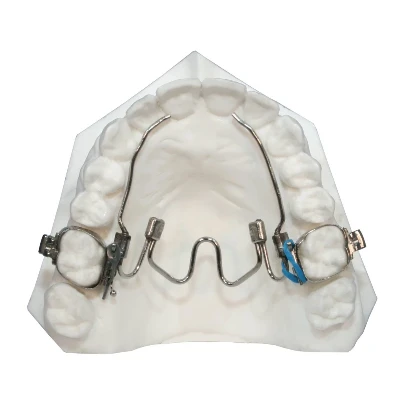
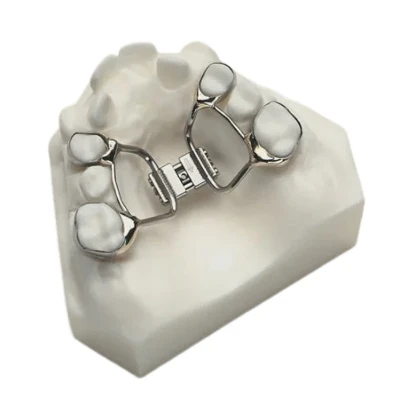
palate spreader orthodontics, Valplast Partial Denture, removable hawley wire retainersPopular Products