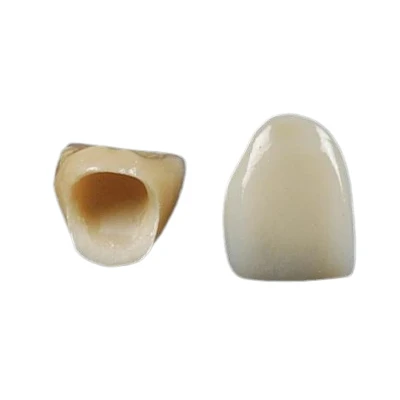
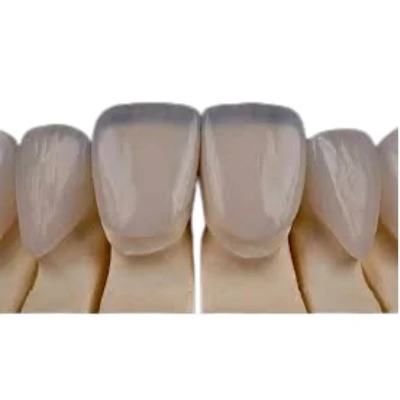
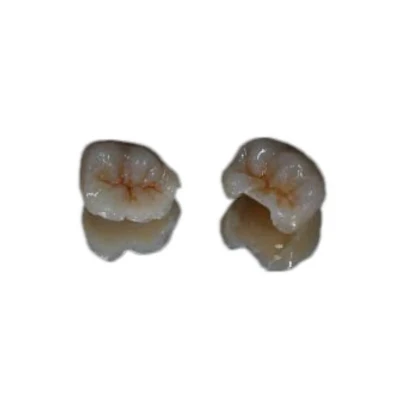
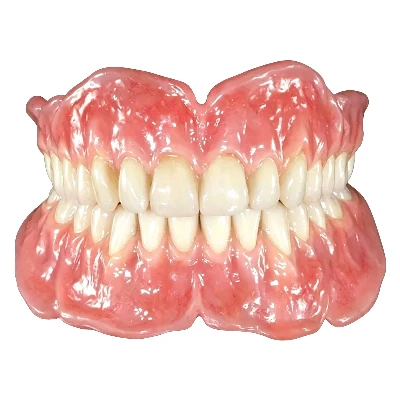

A well-fitting crown transforms a compromised tooth into a durable, natural-looking restoration. Yet achieving perfect crown fit consistently remains one of the biggest challenges in restorative dentistry. Poor marginal adaptation, open contacts, or high occlusion points lead to chairside adjustments, remakes, and frustrated patients. Professional dental labs address this through a controlled, multi-stage workflow that combines digital precision with experienced craftsmanship.
This article breaks down exactly how experienced labs deliver reliable results, step by step.

Why Perfect Crown Fit Is Critical for Long-Term Success
Perfect crown fit goes far beyond a crown that simply seats on the prepared tooth. It means tight marginal adaptation that prevents microleakage, appropriate internal relief for proper cementation, accurate proximal contacts that avoid food impaction, and balanced occlusion that supports natural function without interference.
When margins open by even 150–200 microns, bacteria gain access and secondary decay can develop within months. Loose proximal contacts create chronic food traps, while high spots from inaccurate occlusion cause patient discomfort and potential fractures. In busy practices, excessive chairside adjustments eat into profitability and damage trust. Labs that master fit reduce these issues dramatically, often cutting remake rates significantly.
The difference comes down to process control, not luck or a single piece of equipment.
The Foundation: Starting with High-Quality Clinical Data
Every successful crown begins long before design software opens. Professional labs treat case intake as a critical quality gate rather than a simple file transfer.
Upon receiving a case, technicians first verify the prescription details, tooth numbering, and requested material. They examine digital scans or impressions for margin clarity, preparation clearance, and undercut detection. Opposing arch and adjacent teeth data must be complete, and bite records need to capture accurate occlusal relationships. Shade photos, stump shots, and patient images provide essential context.
Margin clarity stands out as the single most important factor. A blurred or incomplete margin line in the scan forces designers to guess, which almost always leads to adjustments later. Labs with strong processes return incomplete cases quickly with specific feedback instead of proceeding and risking rework.
This upfront review prevents downstream problems. The best milling machines and sintering furnaces cannot compensate for missing or inaccurate clinical data.
Digital Design: Engineering Precision into Every Crown
Once the case data passes review, the CAD design phase translates clinical information into a functional restoration. Here, experienced designers control parameters that directly determine fit.
Cement gap and spacer settings require careful calibration - too tight and the crown won't seat fully; too loose and the cement layer becomes unreliable. Proximal contact strength must balance the dentist's preferences with functional needs. Occlusal anatomy considers opposing dentition, lateral excursions, and material thickness requirements. Emergence profiles, especially on implant cases, shape soft tissue contours for both health and esthetics.
Designers working on zirconia restorations, for example, pay close attention to minimum material thickness in occlusal areas while compensating for expected sintering shrinkage. Lithium disilicate cases demand precise control of wall thickness for strength and translucency.
Digital tools provide consistency, but human judgment ensures clinical acceptability.
The result is a design optimized for real-world performance rather than screen-perfect appearance alone.

Material Selection and Manufacturing: Controlling Fit Through Science and Craft
Material choice directly influences how a crown behaves during manufacturing and in the mouth. Labs do not default to one material for cost reasons. Instead, they match properties to the clinical situation.
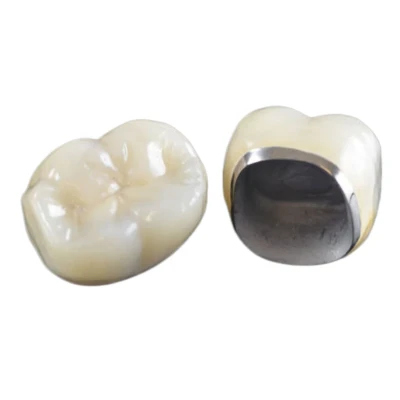
Zirconia crowns excel in posterior regions and bruxism cases thanks to high strength, but require precise sintering programs to control shrinkage and maintain marginal integrity. Lithium disilicate offers superior esthetics for anterior teeth yet needs exact crystallization timing and thickness management. Implant-supported crowns demand passive fit and accurate screw-channel design.
During manufacturing, milling machine calibration and bur condition matter enormously. Worn burs can create rough margins or dimensional inaccuracies measured in tens of microns. Post-milling hand-finishing removes milling marks, refines proximal contacts, and polishes surfaces without compromising the carefully designed fit.
3D printed models play a valuable verification role. Technicians seat the crown on a printed die to check complete seating, margin adaptation, and contacts before final polishing and glazing.
These combined steps turn a digital file into a restoration that performs reliably in the patient's mouth.
Rigorous Quality Control: The Final Gatekeeper of Perfect Fit
No crown leaves a professional lab without thorough inspection. This stage separates average labs from truly reliable partners.
A typical final QC checklist includes:
- Full seating on the die or model without rocking
- Marginal adaptation - continuous, closed margins with no overhangs or gaps
- Internal surface inspection for nodules or excessive roughness
- Proximal contacts evaluated for appropriate tightness
- Occlusion checked with articulating paper (commonly 40 microns) for premature contacts
- Material thickness verification against manufacturer guidelines
- Contour and emergence profile assessment for food deflection and tissue health
- Shade, surface texture, and polish review, especially in esthetic zones
Technicians perform these checks systematically. The goal is clear: minimize chairside adjustments so the dentist can focus on cementation and patient care rather than extensive modifications.
This rigorous process explains why some labs consistently deliver crowns that seat beautifully on the first try.

Dentist-Lab Collaboration: Turning Feedback into Consistent Excellence
Perfect crown fit improves with collaboration. Professional labs do not work in isolation. They maintain open communication channels and build long-term preference profiles for regular clients.
Dentists who share specific preferences - tighter contacts, lighter occlusion, or particular emergence profiles - see better results over time. Labs that document remake reasons and adjust workflows accordingly reduce repeat issues. A scan quality problem noted on case #3 can be prevented on case #23 through targeted guidance.
This feedback loop creates measurable consistency. Overseas practices working with the same lab for years often report fewer adjustments and more predictable outcomes.
Common Fit Issues and How Professional Labs Prevent Them
Even with strong processes, certain challenges appear regularly. Open margins usually trace back to unclear preparation lines or inadequate compensation for material behavior. Tight proximal contacts often result from overly aggressive digital design without considering actual tooth mobility. High occlusion points frequently stem from incomplete bite records or insufficient verification on articulated models.
Experienced labs prevent these through proactive case review, precise parameter control, and multi-stage verification. When issues do occur, they analyze root causes rather than simply remaking the crown.
Choosing the Right Professional Dental Lab for Reliable Results
Selecting a lab based solely on price or turnaround time often leads to frustration. Look instead for partners who demonstrate clear case review protocols, detailed quality control processes, strong communication habits, and willingness to build long-term relationships.
Consistent perfect crown fit comes from systems, not individual heroics. The right lab becomes an extension of your practice, delivering predictable results that support clinical excellence and practice efficiency.
At ADS Dental Laboratory Ltd, we specialize in digital workflows, rigorous quality control, and long-term outsourcing partnerships for overseas dentists and dental labs. Our team focuses on delivering stable, high-precision restorations that reduce your chairside adjustments and support reliable patient outcomes.
If you're looking for a dependable partner for custom crowns, bridges, and implant restorations, we invite you to reach out. Share a case with us or schedule a consultation - we're ready to discuss how our processes can support your practice.
FAQ
Q: What exactly does "perfect crown fit" mean in clinical practice?
A: Perfect crown fit refers to a restoration that achieves excellent marginal adaptation (usually within clinically acceptable micron ranges), proper internal relief for cementation, accurate proximal contacts, balanced occlusion, and natural anatomical contours. It minimizes chairside adjustments while supporting long-term function and esthetics.
Q: How important is the quality of digital scans or impressions for crown fit?
A: Extremely important. Poor scan quality or unclear margins are the leading cause of fit issues. Professional labs always review cases first and provide feedback if margin clarity, bite records, or opposing arch data are insufficient, preventing problems before manufacturing begins.
Q: Do professional dental labs still rely on hand-finishing even with CAD/CAM technology?
A: Yes. While CAD/CAM provides consistency and precision, experienced technicians perform critical hand-finishing to refine margins, adjust contacts, polish surfaces, and ensure the crown is truly clinically acceptable. Digital tools and human expertise work together.
Q: What should I do if I frequently receive crowns that need significant adjustments?
A: Consider switching to a lab with stronger case review protocols, detailed QC processes, and willingness to build a feedback loop. Sharing your preferences (contact tightness, occlusion style, etc.) and receiving consistent communication usually resolves recurring issues quickly.