
Patients used to ask one simple question about a crown: how long will it last? Today, they ask more. Does it contain metal? Will it show a dark line if my gums recede? Will it look natural in different lighting? This shift in expectations is driving real change in restorative dentistry.
Metal-free crowns - also known as all-ceramic crowns - have moved from a niche option to a mainstream choice. Modern materials and digital workflows now deliver the strength, beauty, and predictability that dentists need for more cases.

What Are Metal-Free Crowns?
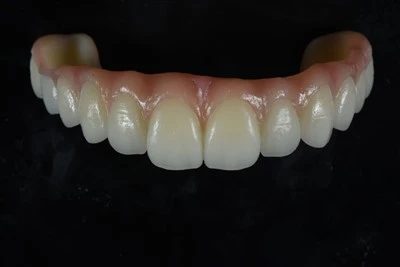
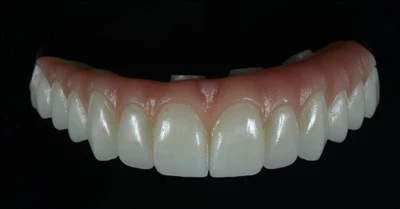
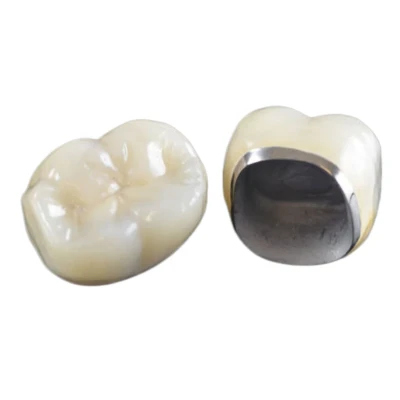
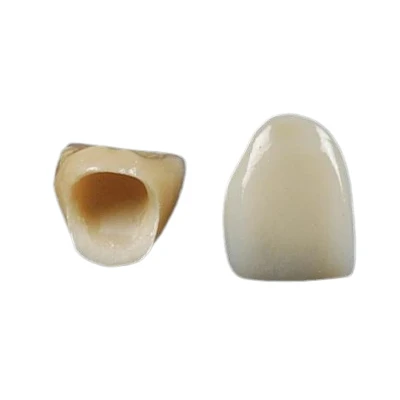
A metal-free crown is a full-ceramic restoration made without any metal substructure or coping. Instead of a metal base layered with porcelain, the entire crown is fabricated from ceramic materials. Common options include zirconia, lithium disilicate (such as e.max), multilayer zirconia, and feldspathic porcelain.
These restorations integrate seamlessly with digital design and milling processes. They eliminate the gray shadows and metal margins that can appear over time with traditional porcelain-fused-to-metal (PFM) crowns.
Dentists now have material choices that better match both functional demands and patient preferences for natural-looking, biocompatible restorations.
PFM Crowns: Strengths and Limitations
PFM crowns served dentistry well for decades. Their metal substructure provided reliable strength, and many clinicians still use them successfully in specific functional cases where budget or extreme load is a primary concern.
Yet their limitations have become more obvious in daily practice. The metal coping restricts light transmission, making it harder to achieve lifelike translucency. When gingival recession occurs - common in thin biotype patients or those with high smile lines - a dark margin often becomes visible. Some patients also express concerns about metal sensitivity or simply prefer restorations without any metal components.
These issues explain why many practices are rethinking their default material for new cases.
PFM vs Metal-Free Crowns Comparison
|
Aspect |
PFM Crowns |
Metal-Free Crowns |
|
Substructure |
Metal coping with porcelain layer |
Full ceramic (no metal) |
|
Esthetics |
Good but limited translucency |
Superior natural light transmission and shade matching |
|
Gumline Appearance |
Risk of dark margins over time |
Lower risk of visible metal shadow |
|
Biocompatibility |
Generally acceptable |
Often preferred for metal-sensitive patients |
|
Digital Workflow |
Compatible but less optimized |
Excellent fit with CAD/CAM scanning and milling |
|
Best Suited For |
Select functional, budget-driven cases |
Esthetic zones, modern digital cases, patient-driven preferences |
This comparison shows why the conversation has shifted. PFM crowns are not obsolete, but metal-free crowns solve many everyday esthetic and biological challenges more effectively.
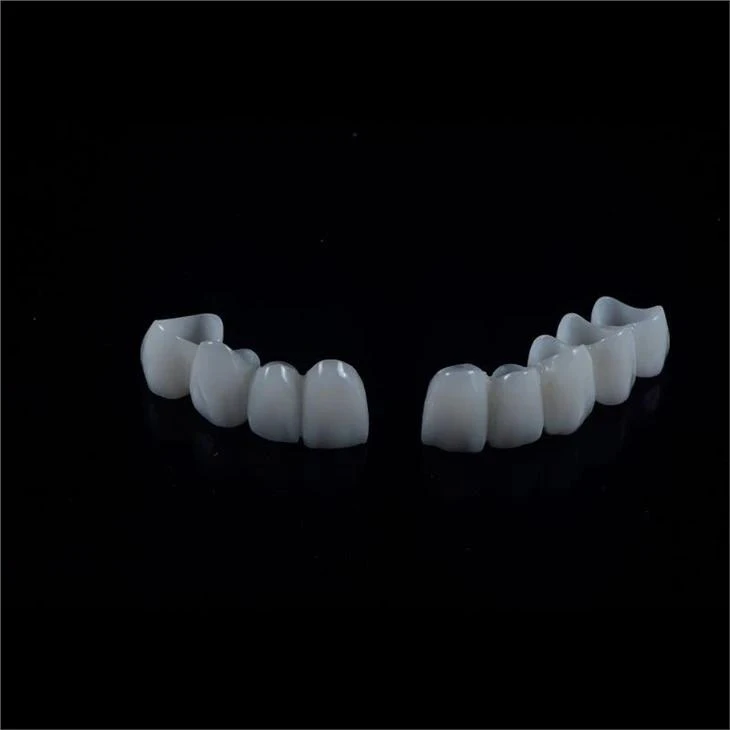
Why Dentists Are Switching in 2026: 6 Key Reasons
Several converging factors make 2026 a pivotal year for this transition.
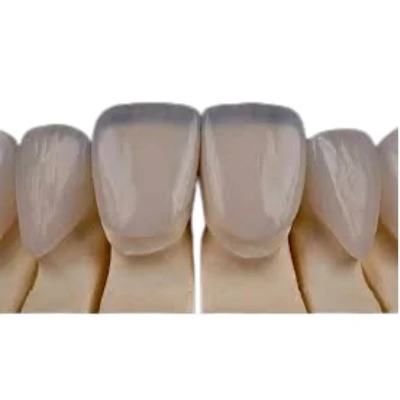
Better esthetics drive many decisions. Without a metal coping to hide, technicians gain full control over translucency, chroma, and value. A high-translucency zirconia or lithium disilicate crown can mimic the natural depth of dentin and enamel, especially in anterior and premolar regions. Cases that once required careful porcelain layering to mask metal now achieve lifelike results more predictably.
Reduced risk of dark margins matters clinically. Gingival recession affects a significant percentage of patients over time. PFM restorations frequently reveal gray lines in these situations. Metal-free designs eliminate this metal collar entirely, delivering cleaner, more stable gumline esthetics for high smile line patients and thin tissue biotypes.
Biocompatibility aligns with patient expectations. Many individuals now research materials and prefer non-metal options. Zirconia and lithium disilicate generally integrate well with soft tissues. For patients reporting metal sensitivity or those seeking "cleaner" restorations, these materials simplify case discussions and improve acceptance rates.
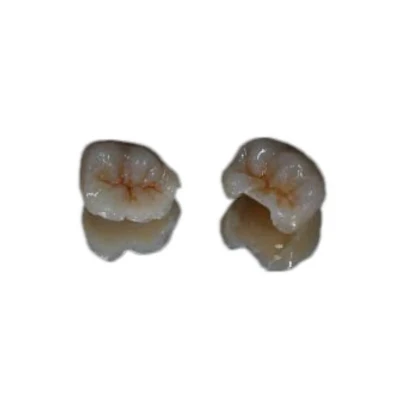
Material strength has improved dramatically. Early all-ceramic options were beautiful but fragile in posterior zones. Modern zirconia formulations handle posterior loads effectively. Dentists now confidently place zirconia crowns on molars and implant-supported restorations where older ceramics would have been risky.
Digital workflows enhance consistency. Intraoral scanners, CAD design software, and precise CAM milling produce better marginal fit and occlusion. Labs can receive STL files, refine designs remotely, and deliver restorations with fewer remakes. This reliability is especially valuable for practices managing complex or high-volume cases.
Patient demand continues to evolve. People want restorations that look and feel natural. They notice details in photos and conversations. Practices that offer metal-free options position themselves as current and patient-focused.
These reasons explain the momentum. The switch reflects better tools and changing expectations rather than any sudden failure of older materials.
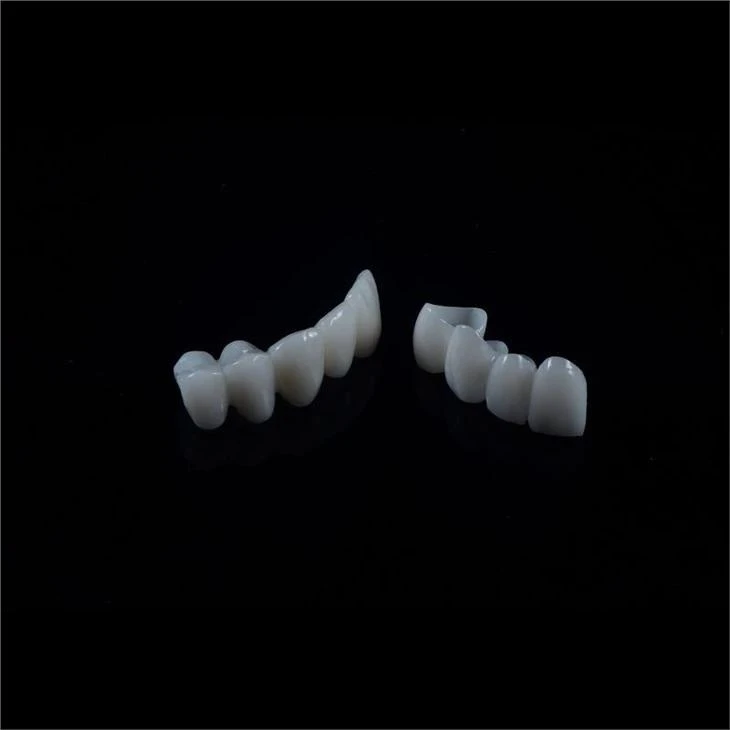
Clinical Applications and Case Selection
Success depends on matching the right material to the specific situation.
Anterior esthetic cases benefit strongly from lithium disilicate or high-translucency options. These materials excel at replicating subtle shade variations and light effects in visible zones. A central incisor restoration, for example, can blend seamlessly with adjacent natural teeth when proper characterization and glazing are applied.
Posterior teeth often favor zirconia for its durability under heavy occlusal forces. Multilayer zirconia variants now bridge the gap between strength and beauty, making them suitable for many premolars and first molars.
Implant-supported crowns represent another strong application area. Metal-free designs avoid potential metal ion release concerns and pair naturally with zirconia or titanium abutments.
Material Selection Guide
Zirconia crowns shine in high-load posterior situations and implant restorations. Their fracture resistance supports long-term performance where bite forces are significant.
Lithium disilicate (e.max) works best in anterior and premolar regions where adhesive bonding and supreme esthetics are priorities. Proper tooth preparation and bonding protocol are essential for these cases.
Multilayer and high-translucency zirconia offer a practical middle ground. They provide improved optical properties while maintaining enough strength for broader use.
Case selection always considers tooth position, preparation depth, occlusal scheme, tissue biotype, and patient expectations. No single material fits every scenario.
When to Be Cautious with Metal-Free Crowns
Certain situations still warrant careful evaluation. Severe bruxism, insufficient preparation space, or very short clinical crowns may require adjusted approaches. Extremely high-load cases or patients with compromised oral hygiene sometimes benefit from the proven track record of metal-reinforced designs.
The key principle remains: material choice should serve the individual tooth, bite dynamics, and long-term functional needs.
The Critical Role of Laboratory Execution
Even the best material performs poorly if fabrication quality falters. Marginal adaptation, emergence profile, occlusion, and surface polishing directly impact longevity and tissue response.
Digital precision helps tremendously. Accurate milling, controlled sintering, and expert staining create consistent results. Labs that maintain tight quality control across design review, milling parameters, and final finishing reduce chairside adjustments and remakes.
For overseas dentists and labs, reliable digital communication and repeatable processes become especially important. Consistent delivery of high-quality zirconia crowns, lithium disilicate restorations, and other metal-free options supports scalable growth without compromising standards.
Conclusion
Metal-Free Crowns: Why Dentists Are Switching - the answer lies in better balance. Modern ceramics deliver improved esthetics, reliable strength where needed, and easier patient conversations without discarding the lessons of traditional materials.
For dental practices and laboratories seeking consistent, high-quality metal-free crowns, digital precision and dependable execution make all the difference. At ADS Dental Laboratory Ltd, we specialize in custom zirconia, lithium disilicate, and other all-ceramic restorations using advanced CAD/CAM workflows. We welcome STL files and detailed case discussions from overseas dentists and labs.
Contact us to review cases or discuss long-term outsourcing partnerships. We're ready to support your preference for predictable, esthetic metal-free solutions.
FAQ
Are metal-free crowns always better than PFM?
Not always. They excel in esthetics and many modern scenarios, but case-specific factors still guide the final decision. Many practices now use both depending on clinical needs.
Should every existing PFM crown be replaced?
No. Stable, well-functioning PFM restorations with good margins and no esthetic complaints do not require replacement solely because they contain metal. Replacement decisions should stem from clinical indications such as recurrent decay, fracture, or unacceptable esthetics.
How do you choose between zirconia and lithium disilicate?
Zirconia prioritizes strength for posterior and implant cases. Lithium disilicate prioritizes beauty and bonding in anterior zones. Many clinicians evaluate load, visibility, and preparation design before deciding.