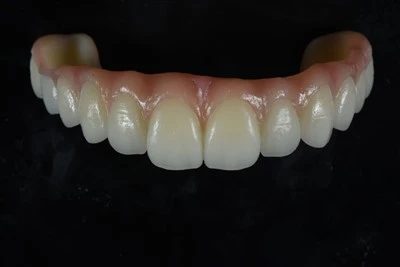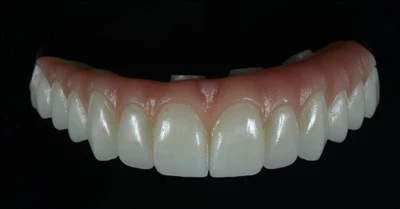

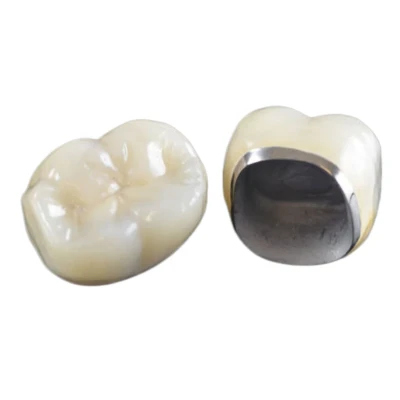
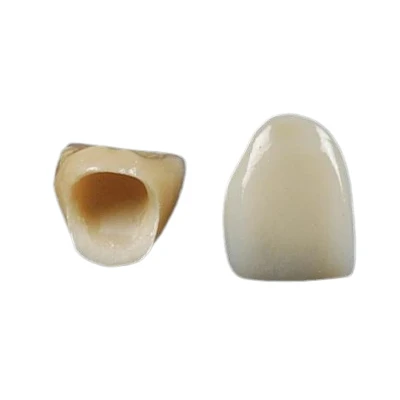
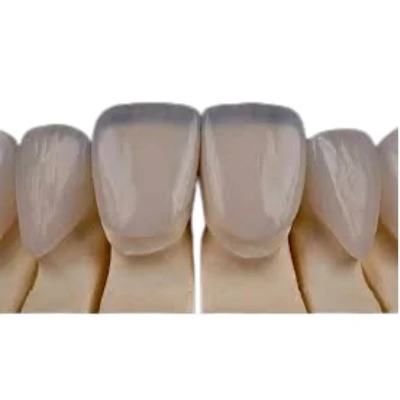
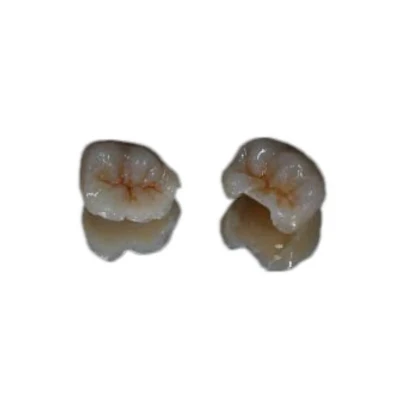
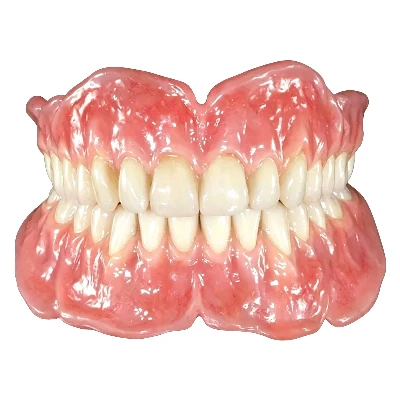
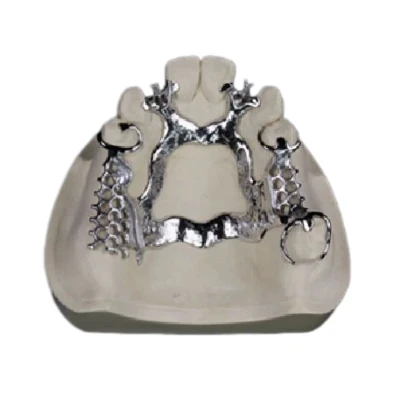
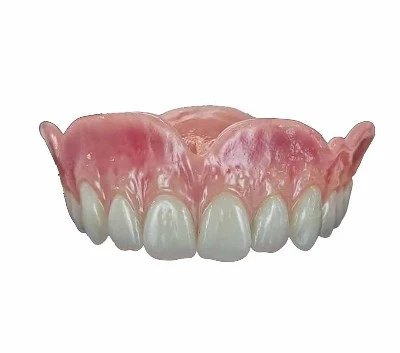
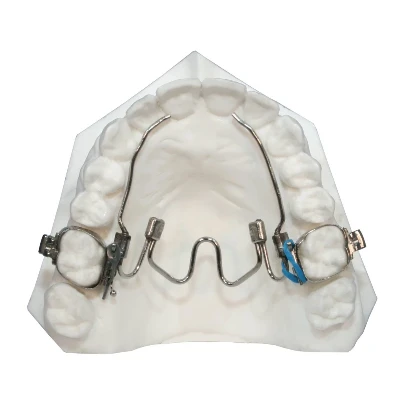
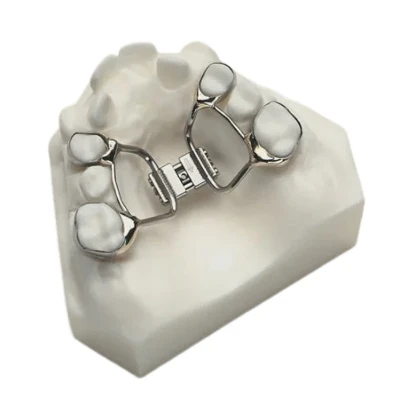


Dental veneers are thin, custom-made shells-typically fabricated from porcelain or composite resin-that bond to the front surface of teeth to improve appearance. In daily practice, they represent one of the most effective conservative options for anterior esthetic enhancement. Yet the decision to recommend them demands careful clinical judgment. Veneers work best when the primary concern is cosmetic and the underlying tooth structure supports predictable, long-lasting bonding.
This article outlines clear indicators, essential patient selection criteria, and practical boundaries to help dentists decide when veneers are the right choice.

Porcelain Veneers' Main Indications: Primarily Esthetic, Mild-to-Moderate Issues
Dentists should consider recommending dental veneers when the patient's main goal centers on smile aesthetics and the defects remain within conservative restoration limits.
Stubborn tooth discoloration unresponsive to whitening often leads to veneer recommendations. Intrinsic stains from tetracycline, fluorosis, non-vital teeth, or enamel hypoplasia respond poorly to bleaching alone. In these cases, veneers deliver consistent shade matching and lasting color stability that whitening cannot achieve. A single dark central incisor or multiple mismatched anteriors frequently benefits from this approach.
Small chips, cracks, or worn incisal edges represent another strong indication. Superficial enamel fractures or minor incisal wear from everyday function respond well to veneers. They restore natural length and contour without requiring full-coverage restorations. For instance, a patient with small enamel chips on the mesial-incisal corners of lateral incisors often achieves excellent results with minimal-prep veneers.
Minor diastemas and spacing issues suit veneers effectively when gaps measure 1-2 mm and stem from undersized teeth rather than skeletal discrepancies. Veneers can close these spaces by adjusting width and proportion while preserving natural tooth positions.
Irregular tooth shapes, peg laterals, or asymmetry problems also align with veneer indications. Short or conical teeth, uneven lengths, or disproportional anterior teeth benefit from redesigned contours that improve smile harmony.
Mild misalignment or overall smile design improvements complete the picture. Slight rotations or uneven gingival margins often improve dramatically through veneers combined with precise digital smile design.
The common thread across these scenarios remains conservative tooth preparation and stable underlying structure. When defects stay primarily esthetic and enamel support stays adequate, veneers deliver highly predictable outcomes.
Patient Selection Criteria: Essential Conditions for Predictable Success
Successful veneer cases start long before preparation. Dentists must first confirm solid foundational health.
Healthy teeth and periodontium form the non-negotiable baseline. Active decay or untreated gum disease must be resolved completely before any cosmetic work begins. Inflamed gingival margins or unstable recession compromise margin placement and long-term esthetics. Only after achieving periodontal stability should veneer planning proceed.
Adequate enamel for reliable bonding stands as a critical technical requirement. Veneers rely primarily on enamel adhesion for strength and seal integrity. Cases with sufficient remaining enamel-typically allowing conservative 0.3-0.5 mm facial reduction-show the highest success rates. Severe erosion, extensive dentin exposure, or heavily restored teeth reduce predictability and often favor alternative restorations.
Stable occlusion and manageable bruxism require thorough evaluation. Mild wear with good posterior support and patient compliance with a night guard can work well. However, uncontrolled grinding, deep overbite, edge-to-edge anterior contact, or heavy parafunction increases fracture and debonding risks significantly. Occlusal analysis, including mounted study models or digital articulation, helps identify these red flags early.
Realistic expectations and commitment to maintenance separate good candidates from problematic ones. Patients must understand that veneers enhance but do not replace orthodontics for major alignment issues. They should also accept the need for regular check-ups, proper hygiene, and protection against excessive forces.
When these conditions align, veneer success rates rise dramatically.
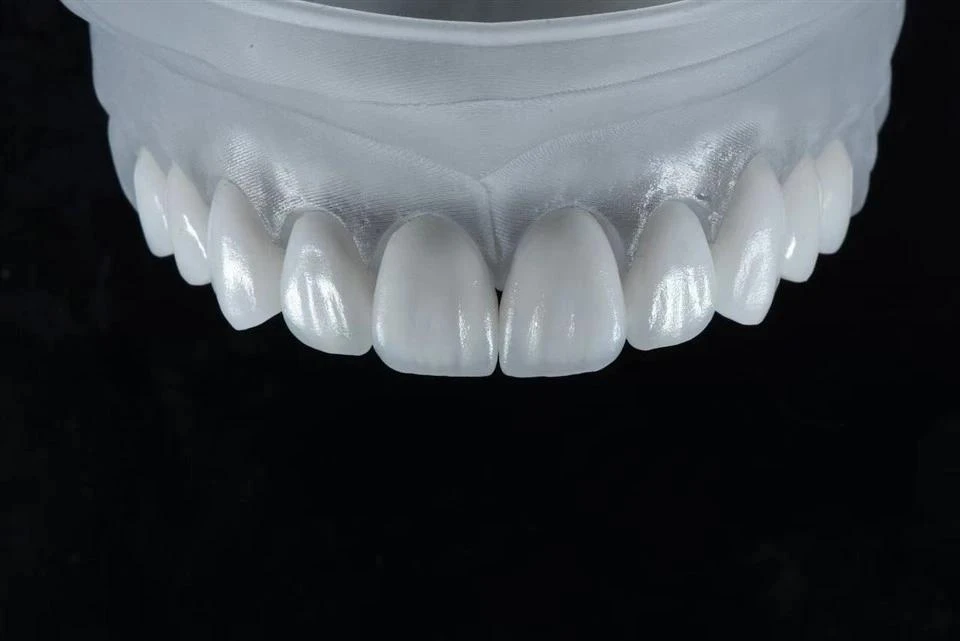
Contraindications and High-Risk Situations: When to Avoid or Delay Veneers
Certain conditions make veneers a poor primary choice. Recognizing them early prevents complications and patient dissatisfaction.
Severe structural damage or insufficient enamel often rules out veneers. Large existing restorations, extensive caries, or significant dentin exposure weaken bonding potential. In these scenarios, full-coverage crowns usually provide better protection and longevity.
Uncontrolled periodontal disease or active infection demands priority treatment. Veneers cannot mask ongoing inflammation or recession. Attempting cosmetic work on unstable tissues leads to margin breakdown, sensitivity, and premature failure.
Major malocclusion, severe crowding, or uncontrolled bruxism presents functional risks. Heavy anterior loading or parafunctional habits frequently cause chipping or debonding. These patients benefit more from orthodontic correction or occlusal rehabilitation first.
Unrealistic expectations or poor maintenance habits also contraindicate immediate veneer placement. Patients seeking "perfect" permanent results without ongoing care often experience disappointment.
Dentists serve patients best by addressing these issues comprehensively before proposing veneers. This approach protects both the restoration and the patient's oral health.
Choosing Between Veneers and Alternative Treatments
Clinical decision-making often involves weighing options. The table below summarizes practical boundaries:
|
Clinical Situation |
Veneers Often Suitable? |
Preferred Alternative(s) |
|
Mild extrinsic staining |
No (first-line) |
Professional whitening |
|
Severe intrinsic discoloration |
Yes |
Veneers (porcelain preferred) |
|
Small incisal chip |
Yes |
Direct bonding or veneers |
|
Large structural loss |
No |
Crown or core build-up |
|
Minor diastema (1-2mm) |
Yes |
Veneers |
|
Large gaps or skeletal issues |
No |
Orthodontics first |
|
Mild rotation |
Yes (conservative) |
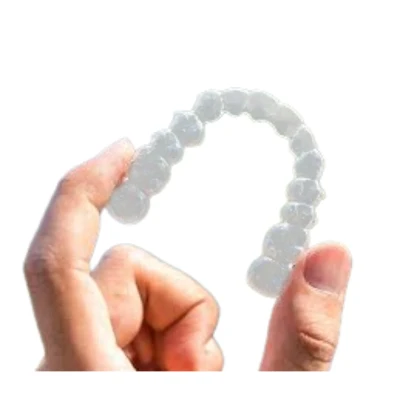
Veneers or Invisalign |
|
Severe crowding/deep bite |
No |
Orthodontics or combined treatment |
|
Mild bruxism (with guard) |
Yes (cautious) |
Veneers + night guard |
|
Uncontrolled heavy grinding |
No |
Occlusal therapy first |
This framework helps align treatment with long-term stability rather than short-term aesthetics alone.
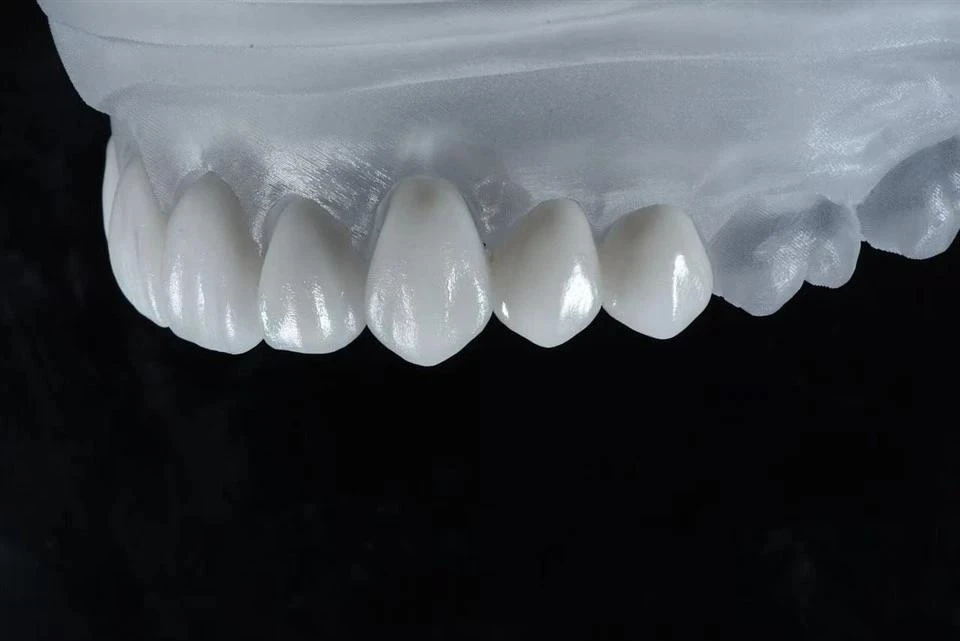
Material Selection and Clinical Workflow
Material choice influences both esthetics and durability.
Lithium disilicate offers an excellent balance of strength and translucency for most anterior cases. It performs well in pressed or CAD/CAM workflows and handles moderate shade masking effectively.
Feldspathic porcelain excels in high-esthetic demands where maximum translucency and characterization matter, though it requires more precise laboratory expertise.
Composite veneers suit temporary solutions, budget-conscious patients, or repairable minor defects, but they typically show shorter service life and less color stability.
A structured workflow improves outcomes: comprehensive records (intraoral scans, shade photos with tabs, bite registration), diagnostic wax-up, intraoral mock-up for patient approval, and precise preparation guided by depth-cutting burs. Clear communication with the laboratory regarding desired incisal edge position, surface texture, and translucency ensures predictable results.
Maintenance, Longevity, and Long-Term Management
Porcelain veneers commonly last 10–15 years with proper case selection and care, while composite versions often last 5–7 years. Longevity depends on bonding quality, occlusal forces, material, and patient habits.
Recommend non-abrasive toothpaste, daily flossing, avoidance of hard objects, and regular professional maintenance. A custom night guard becomes essential for patients with any bruxism history. Schedule recalls every 6 months to monitor margins, occlusion, and tissue health.
Conclusion
Veneers deserve recommendation when the concern is primarily esthetic, tooth structure remains stable, enamel supports strong bonding, periodontal health is sound, occlusion stays controlled, and the patient maintains realistic expectations. Following these guidelines leads to successful, satisfying outcomes that enhance both smiles and practice reputation.
For complex veneer cases requiring high-precision custom fabrication, our experienced team at ADS Dental Laboratory stands ready to support your practice with reliable digital workflows and consistent quality. Feel free to reach out to discuss your next esthetic restoration project.
FAQ
How much tooth reduction is needed, and is the procedure painful?
Minimal-prep or no-prep options often require only 0.3–0.5 mm facial reduction when enamel is sufficient. With proper local anesthesia, most patients report little to no discomfort during preparation.
Are veneers appropriate for younger patients or during pregnancy?
Dentists should wait until teeth and gingiva have fully matured and occlusion stabilized. Pregnancy itself is not an absolute barrier, but elective procedures are generally deferred.
How can collaboration with a specialized dental laboratory improve veneer outcomes?
Accurate records, digital smile design, and precise shade communication allow laboratories to deliver restorations with superior fit, esthetics, and characterization.