
Dental restoration turnaround time usually means the number of working days a lab needs after receiving a complete case - digital scan or impression plus prescription - until the finished restoration is packed and ready to ship. This is in-lab turnaround time. Add shipping days for the total door-to-door delivery, especially when working with overseas partners.
Many dentists care most about predictability. A missed delivery date disrupts scheduling, forces extra temporaries, and affects patient satisfaction. At ADS Dental Laboratory Ltd, a China-based digital dental lab focused on overseas clinics and labs, we handle hundreds of cases weekly. The factors that move the clock are clear once you look at the actual production flow.

The Dental Lab Process: From Case Receipt to Shipment
When a case arrives, it follows a series of steps. Each one adds time, and problems in early stages usually create delays later.
The main stages are:
- Case intake and review - We check the scan or impression for accuracy, verify the prescription, shade, and any special instructions. Incomplete information stops the case immediately.
- Model creation or digital preparation - Digital scans skip physical stone models and go straight into design software.
- Design - Technicians use CAD to build the restoration, adjusting for occlusion, emergence profile, and material thickness.
- Material selection and milling/printing - The file moves to CAM machines for zirconia milling, lithium disilicate pressing, or 3D printing.
- Post-processing - Sintering, staining, glazing, or layering for aesthetics.
- Finishing and polishing - Final contouring and surface treatment.
- Quality control - Multiple checks for fit, contacts, occlusion, and aesthetics before packing.
Digital workflows cut several manual steps. Traditional impression cases require pouring models, which adds a day or more and introduces distortion risks. Digital files transfer instantly and start production the same day if all data is complete.
Key Factors That Determine Dental Restoration Turnaround Time
Several variables control how many working days a case actually takes. Some sit with the dentist, others with the lab.
Restoration type and complexity
A single full-contour zirconia crown moves faster than a 4-unit layered bridge or an implant-supported prosthesis with custom abutment. More units mean more design time, more milling, and more manual finishing. Implant cases often need extra verification steps for screw access or angulation.
Material choice
Full monolithic zirconia mills and sinters relatively quickly. Lithium disilicate (e.max-style) requires pressing or milling plus crystallization firing. Porcelain-fused-to-metal or heavily layered zirconia adds manual buildup time. We see simpler zirconia cases finish in fewer days than esthetic anterior layered work.
Impression or scan quality
This is the biggest controllable factor on the dentist side. Poor margins or incomplete scans force us to request new data or remake the case. Clean digital scans from intraoral scanners let us start design immediately and reduce remake rates dramatically.
Prescription completeness
Shade photos, bite records, opposing models, and clear instructions matter. Missing details trigger back-and-forth emails or calls, each costing half a day or more.
Lab technology and capacity
Labs running full CAD/CAM with 24-hour production shifts handle volume differently than small traditional shops. Digital equipment allows parallel processing. At ADS we operate with modern milling centers and experienced teams focused on export cases, which helps keep standard times stable.
External factors
Peak seasons, holidays, or rush requests change the picture. International shipping via DHL or FedEx usually adds 3–7 calendar days depending on destination, but that sits outside in-lab time.
Each factor compounds. A complex case with unclear shade and a borderline scan easily stretches from 4 days to 8 or requires a remake.

Typical In-Lab Turnaround Times by Restoration Type
Here is a realistic range based on our daily production experience and common digital lab benchmarks. These are in-lab working days (Monday–Friday, excluding holidays) after we receive a complete case. Actual time can vary with design complexity.
|
Restoration Type |
Typical In-Lab Time (Digital Workflow) |
Notes |
|
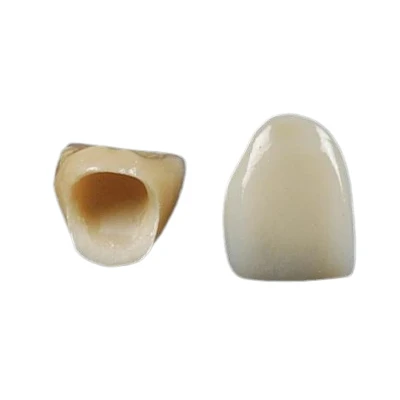
Single full zirconia crown |
3–5 days |
Fastest option for posteriors |
|
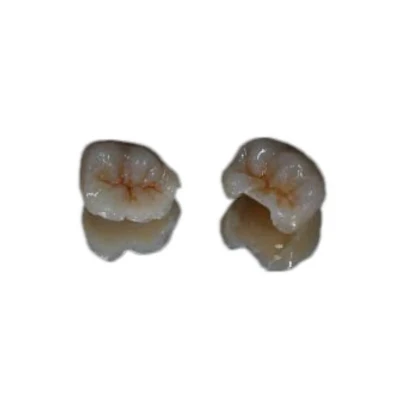
Lithium disilicate (e.max style) crown |
3–6 days |
Depends on layering needs |
|
3-unit bridge (zirconia) |
4–6 days |
Additional design and finishing |
|
Implant crown/abutment |
5–8 days |
Includes verification steps |
|
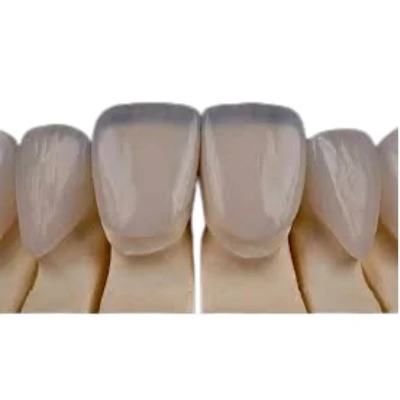
Multi-unit or layered esthetic work |
6–10 days |
More manual adjustment |
|
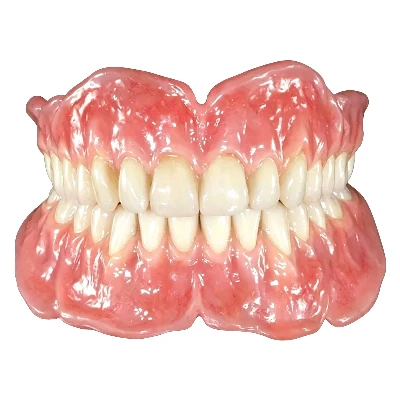
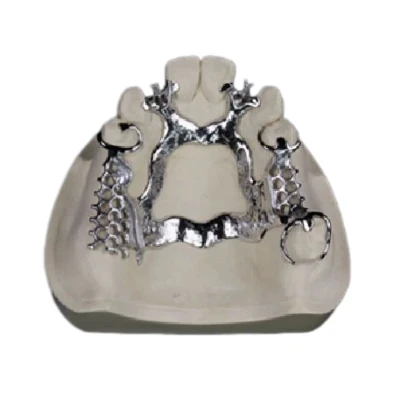
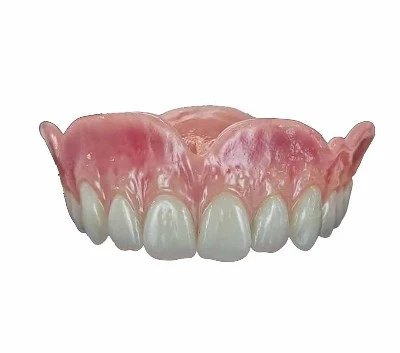
Removable dentures |
7–10 days |
Framework and setup time |
For most routine single crowns sent as clean STL files, we target the lower end of these ranges. Traditional analog workflows with physical impressions usually add 1–3 days because of model work and potential distortions.
How to Reduce and Control Turnaround Time
Dentists who consistently hit shorter times share a few habits:
- Send high-quality digital scans instead of impressions whenever possible. The file reaches us in minutes instead of days.
- Include clear photos, detailed shade mapping, and opposing information with the initial submission.
- Discuss complex or esthetic cases with the lab before sending. A quick pre-approval call prevents surprises.
- Plan routine cases on standard turnaround instead of last-minute rush orders. Rush fees exist, but steady volume often gets priority handling anyway.
- Build a relationship with one reliable partner. Familiarity with your preferences and consistent case quality speeds up design and QC.
Digital cases simply move faster. No packaging, no lost models, fewer remakes. The difference shows up in your schedule and in how long patients wear temporaries.

Choosing a Lab Partner for Predictable Turnaround
When evaluating labs, look beyond advertised "3-day" claims. Ask what percentage of cases actually meet that time with complete information. Check how they handle communication across time zones and whether they run digital-native production.
At ADS Dental Laboratory Ltd we specialize in long-term outsourcing for overseas dentists and labs. Our digital workflow, experienced team, and focus on export cases let us offer stable, competitive in-lab times without sacrificing fit or esthetics. We know overseas doctors need reliability more than occasional heroics.
If you want faster, more predictable restoration delivery, the biggest lever is often the combination of clean digital files and a lab set up for efficient production.