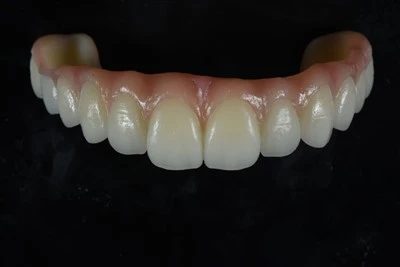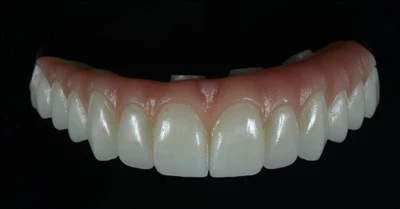
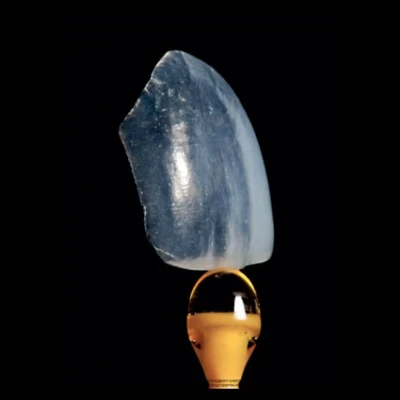
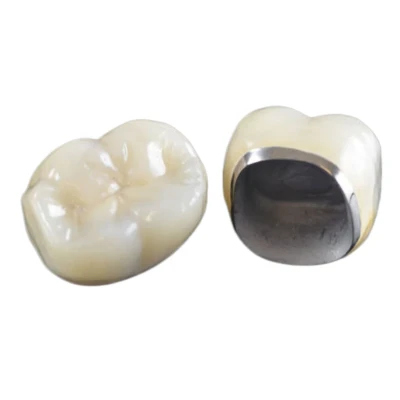
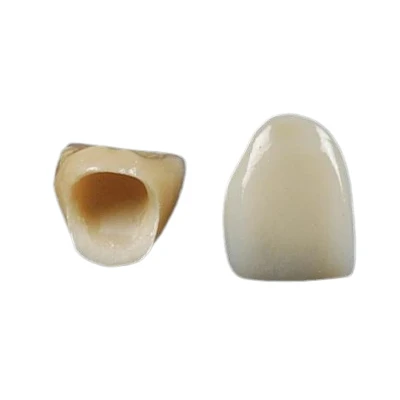
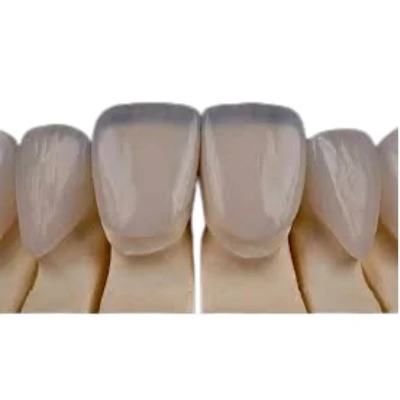
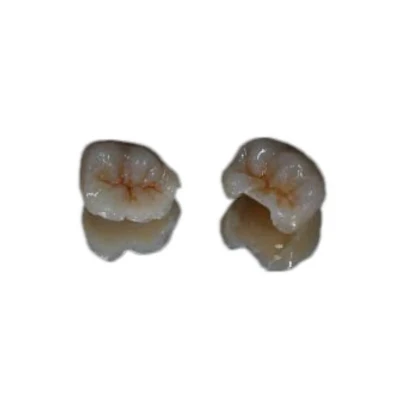
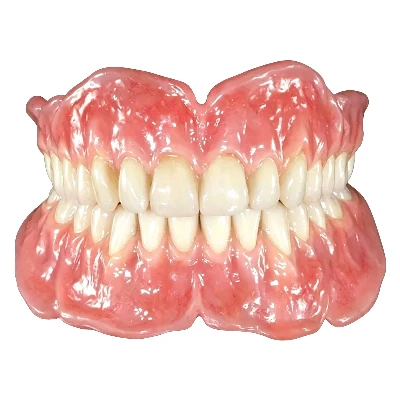

Anterior restorations are never just about strength. In a spontaneous smile, anterior teeth are visible in 82.4% to 99.5% of cases, which means even small differences in shade, translucency, opacity, or surface texture can affect the final esthetic result. For a restoration to work in the anterior zone, it has to blend with the adjacent natural teeth while still withstanding everyday biting and functional forces.
The key question is not which material is universally the best, but which material fits a specific anterior case. Tooth discoloration, occlusal load, available preparation space, esthetic expectations, and long-term durability all influence the choice. This guide compares the main restorative materials used for anterior esthetic cases, explains their strengths and limitations, and outlines the factors that matter most when selecting the right option for a patient.

Why Anterior Esthetics Is Different
Anterior teeth sit in the highest-visibility zone. Light hits them straight on. Patients notice every shade shift, every reflection, every tiny opacity.
The core challenge is the constant push-pull. You need high translucency and opalescence to look lifelike, yet the material must handle incising forces, resist chipping, and stay kind to opposing teeth. Add in the patient's bite force, any existing discoloration, and the amount of tooth structure you can remove, and the choice stops being theoretical.
We see three recurring problems in the lab:
- Cases where the tooth is heavily discolored and needs strong masking without looking dead.
- Patients with parafunction who crack standard glass ceramics within a couple of years.
- Requests for the most conservative prep possible while still delivering long-term esthetics.
Getting any one of these wrong shows up immediately in the smile. That's why we always start with the clinical picture before we pick the block.
Material Showdown
We break anterior restorative materials down by how they actually perform in our CAD/CAM workflow and in the mouth. Here are the ones we run most often.
Lithium Disilicate (e.max and similar pressed glass ceramics)
This is still the go-to for most anterior crowns and veneers we produce. The translucency and opalescence come closest to natural enamel. Flexural strength lands around 400–530 MPa, which is plenty for anterior loads when the prep follows guidelines.
We like it because the material etches predictably and bonds reliably. In production, the fit after crystallization is consistent. The main limit is edge thickness: go too thin on a heavy bruxer and you risk fracture.
High-Translucency / Multi-Layered Zirconia
When the patient has a strong bite or we need extra masking power, we switch to the newer 4Y or 5Y high-translucency zirconias. Strength jumps well above 600 MPa in the newer generations, and the multi-layer blocks give a decent gradient without manual staining.
Production note: these mill fast and require minimal post-processing. Esthetically they have improved a lot, but they still sit a notch below lithium disilicate in pure light transmission. We use them when the case needs durability more than absolute beauty.
Zirconia-Reinforced Lithium Silicate (ZLS – Celtra Duo, Vita Suprinity)
This group sits in the middle. You get lithium disilicate–level translucency with a noticeable bump in strength. We mill a fair number of these for anterior crowns on patients who want the look but have moderate parafunction. The material handles chairside polishing well if the dentist prefers that route.
Leucite-Reinforced Glass Ceramic and Porcelain Veneers
For the most minimal-prep veneer cases, these still have a place. They offer excellent esthetics and bond strength, but we see more chipping over time compared with lithium disilicate. We only recommend them when the dentist is certain the occlusion is light and the patient will protect the restoration.
Porcelain-Fused-to-Metal (PFM / Press-to-Metal)
We still produce these when cost or extreme strength is the priority. The metal substructure does its job, but the dark line at the gingiva shows up eventually in many anterior cases. Tooth reduction is also higher. Most of our overseas clients have moved away from PFM for visible anterior work unless the patient has very specific functional needs.
Nanofill / Nanohybrid Composite Resins
Direct or indirect composite still solves small defects and temporary situations. Color matching is quick, and the prep is minimal. Long-term, though, we see more staining and wear than with ceramics. We mill indirect composite inlays or veneers only when the budget or time frame rules out ceramic.
Here is the comparison table we actually use when quoting cases:
|
Material |
Translucency |
Flexural Strength |
Best Use Case |
Main Limitation |
Typical Lab Turnaround |
|
Lithium Disilicate (e.max) |
Excellent |
400–530 MPa |
Veneers, anterior crowns |
Edge strength in heavy bruxers |
5–7 days |
|
High-Translucency Zirconia |
Good |
600+ MPa |
High-load anterior crowns |
Slightly lower natural light play |
4–6 days |
|
ZLS |
Very Good |
450–550 MPa |
Moderate-load esthetic crowns |
Newer material, less long-term data |
5–7 days |
|
Porcelain Veneers / Leucite |
Excellent |
150–200 MPa |
Minimal-prep veneers |
Higher chipping risk |
6–8 days |
|
PFM |
Moderate |
Very High |
Extreme strength cases |
Gingival dark line |
5–7 days |
|
Nanofill Composite |
Good |
Lower |
Direct repairs, temporaries |
Staining and wear over time |
3–5 days |

How to Choose the Right Material
We run through the same checklist on every anterior case that comes in.
Start with esthetics: how critical is the translucent, chameleon effect? If the adjacent teeth are highly translucent, lithium disilicate or ZLS usually wins.
Next, check functional load. Heavy occlusion or bruxism moves us toward high-translucency zirconia.
Then look at preparation. Conservative prep favors veneers or lithium disilicate. Full crown cases give more material options.
Finally, factor the patient: age, oral hygiene, budget, and whether they will return for maintenance. Younger patients with good hygiene tolerate more esthetic materials. Budget-conscious cases sometimes start with composite and plan for ceramic later.
We built a simple decision flow that most of our regular clients now use: high esthetics + light bite → lithium disilicate; high bite + need for masking → high-translucency zirconia; minimal prep + budget → porcelain veneer or composite. The rest of the variables usually fall into place from there.
Expert Recommendations and Why Choose a Professional Lab
In everyday anterior work we see a clear pattern:
Most single anterior crowns and veneers → lithium disilicate.
High-load or discolored stump cases → high-translucency zirconia or ZLS.
Minimal intervention on young patients → porcelain veneers when indicated.
Small defects or temporaries → composite.
There is no universal best material. The right one is the one that matches the specific tooth, the bite, the patient's expectations, and the dentist's prep style.
That is exactly why we exist at ADS Dental Laboratory. We mill every major anterior material in-house on the latest CAD/CAM systems, maintain tight quality control on every batch, and ship consistently to clinics worldwide. When you send us a case, you get the material that fits your plan, not whatever is easiest for the lab.
If you have an anterior case coming up and want a second opinion on material choice, just send the scans and photos. We'll review them the same day and quote the options that actually make sense. Email: Info@chinaadsdentallab.com
The anterior zone leaves no room for guesswork. Pick the material that solves the real clinical problems in front of you, work with a china dental lab that has milled it hundreds of times, and the smile takes care of itself.