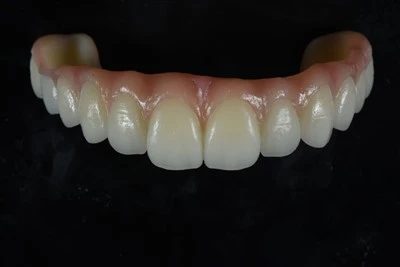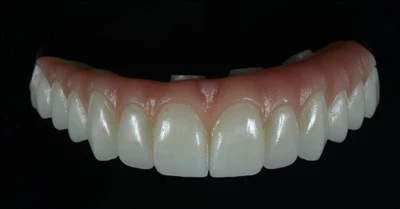
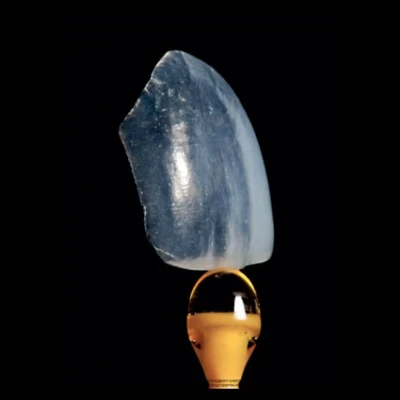
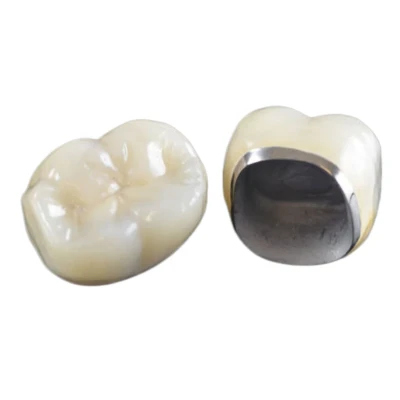
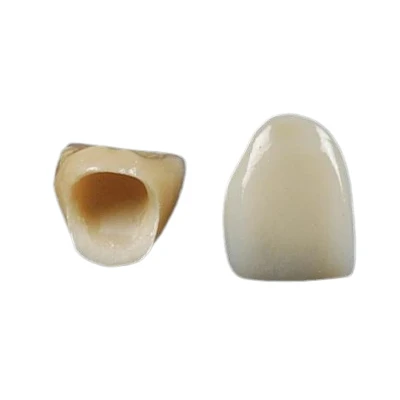
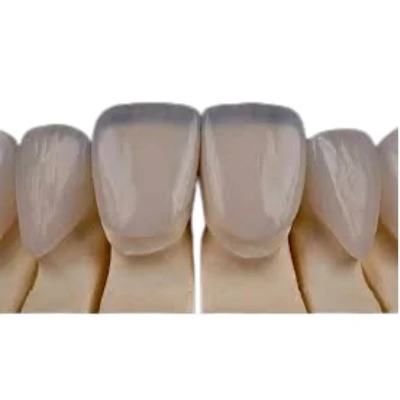
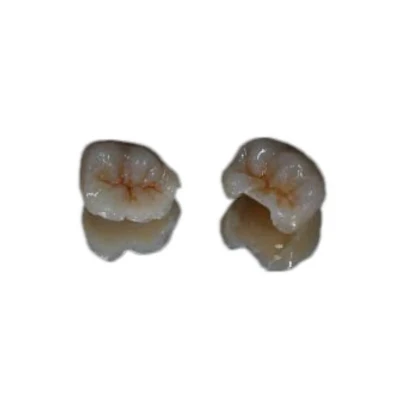
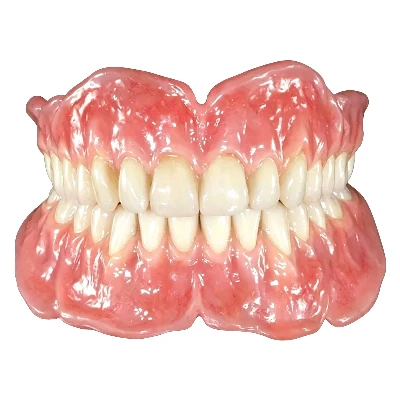

In 2026, the cost of outsourcing dental crowns to China depends mainly on material type, production workflow, case complexity, and order volume. For most Chinese digital dental labs, quality crown lab fees generally range from $80 to $300 per unit, while some basic high-quality crowns may start at around $45 to $65 per unit. These are direct laboratory fees paid by dentists or dental labs, not the final treatment prices charged to patients.
Understanding these costs requires looking beyond a single unit price. PFM, zirconia, lithium disilicate, full metal crowns, and premium layered restorations all fall into different pricing tiers. This guide explains the typical 2026 lab fees for dental crowns outsourced to China, compares them with costs from Western labs, and outlines the main factors that affect pricing, quality, turnaround time, and the overall outsourcing process.

China Dental Crown Lab Fees: What Outsourcing Actually Costs
Let's get straight to the numbers that drive decisions.
Current lab fees from Chinese digital labs break down as follows.
Overall Range
Basic high-quality units start at $45–$65 per crown. The typical working range most overseas clients use falls between $80 and $300 per unit.
Here is a clearer breakdown by crown type and material tier (all prices are lab fees per unit, 2026 estimates):
|
Crown Type |
Material Tier |
Lab Fee per Unit (USD) |
Best Used For |
Example Materials / Brands |
|
PFM (Porcelain-Fused-to-Metal) |
Economic CoCr |
$50 – $120 |
Posterior, high-load cases |
Standard cobalt-chrome |
|
PFM |
Mid-range |
$130 – $220 |
General purpose |
Higher-grade alloys |
|
Zirconia |
Standard (domestic) |
$90 – $180 |
Posterior & bridges |
Aidite, Upcera equivalents |
|
Zirconia |
Premium layered |
$200 – $320 |
Anterior esthetics |
Wieland, ZirconZahn level |
|
Emax / Lithium Disilicate |
Full ceramic |
$180 – $400 |
High-aesthetic anterior |
IPS e.max |
|
Full Metal Crown |
Cobalt-Chrome |
$60 – $150 |
High-strength posterior |
Standard alloys |
These prices assume digital workflow with STL files. Orders above 50 units usually bring 10-25% discounts. 2026 batch trends show further softening in mid-tier zirconia and PFM due to increased production capacity.
Stop comparing these lab fees to what patients pay in clinics. These are your direct manufacturing costs.
China Lab Fees vs USA and European Labs
The gap remains substantial.
American and European labs typically charge $180 to $450+ for comparable zirconia or Emax crowns. Many full-service labs in the US now sit above $280 per unit for premium work.
In a typical clinic setting, the laboratory component makes up only around 10% of the final patient price. The rest goes to doctor time, equipment, staff, and overhead.
This means every dollar you save on lab fees flows almost directly to your margin. Clinics outsourcing 200–300 units per year commonly report annual savings of $35,000 to $70,000 depending on case mix.
The cost advantage comes from lower labor rates plus heavy investment in CAD/CAM systems and large-scale production.
5 Key Factors Driving China Dental Crown Costs
Price differences between suppliers are not random. Five factors decide what you pay.
Material selection and origin
Oxide raw material makes up 30–50% of zirconia crown cost. Domestic brands deliver solid performance at lower prices. Imported blocks carry premium pricing due to brand consistency and specific translucency grades.
Digital workflow and precision
Labs running full CAD/CAM with ±20μm accuracy charge more than older methods. Milling time, dyeing techniques, and multi-layer staining add $30 to $80 per unit in premium cases.
Case complexity
Anterior aesthetic cases with high smile line requirements cost more than standard posterior molars. Cases needing post and core or implant custom abutments add extra steps and cost.
Order volume and logistics
Single-unit orders carry higher per-unit fees. Regular monthly orders above 30 units unlock better pricing and priority slots. Shipping, customs, and exchange rates also matter.
Lab certification level
FDA, CE, and ISO 13485 registered labs maintain stricter quality systems. This adds cost but reduces remake rates.
Understand these drivers and you stop chasing the absolute cheapest quote.
Quality Assurance, Digital Workflow and Long-Term Value
Quality concerns remain the top hesitation for new clients. After years of working with Chinese labs, here is what actually matters.
Reputable digital labs hold international certifications and run full in-house CAD/CAM workflows. The typical process starts with your STL files or intraoral scans, moves to design approval, then five-axis milling, followed by manual finishing and staining by experienced technicians.
Turnaround times average 7 to 10 working days from file approval to dispatch for standard cases. Remake rates in good labs now sit below 3–4% when proper communication exists.
Long-term performance tells the real story. Well-made zirconia crowns easily last 15 to 22 years. Lithium disilicate delivers excellent aesthetics on anterior teeth but requires careful occlusal management. PFM still serves many posterior cases effectively when the right alloy is chosen.
Consistent suppliers with proper digital controls deliver reliability that matches or exceeds many mid-tier Western labs.

How to Outsource Dental Crowns to China – 7-Step Practical Guide
The process is simpler than most people expect once you have done it a few times.
- Prepare your digital files (STL or complete case information).
- Submit the case through the lab's online portal.
- Review and approve the digital design.
- The lab produces and quality checks the restoration.
- Receive the work with try-in verification if requested.
- Make adjustments and deliver to patient.
- Provide feedback to improve future cases.
Start small. Send 5–10 test cases to evaluate fit, contact points, and shade matching. Good labs respond quickly to feedback and adjust their processes.
Watch for hidden costs such as rush fees, special staining requests, or return shipping on remakes. Clear communication from day one prevents 80% of problems.
Why Choose a Reliable Chinese Digital Dental Lab as Your Long-Term Partner
This type of outsourcing challenge is best solved by selecting established digital labs that combine competitive pricing with dependable quality systems and responsive support.
Labs that also operate large-scale aesthetic production lines often maintain tighter controls across all restorative work. For example, facilities like ADS Dental Laboratory Ltd that specialize in high-volume veneer production (including Feldspathic veneer, Emax veneer, Zirconia veneer, and Composite veneer) bring proven expertise in aesthetic matching and material handling that benefits crown cases as well.
The right long-term partner gives you price stability, consistent quality, and the ability to scale without constant vendor management.
Time to Make China Crown Outsourcing Work for Your Practice
The numbers are clear. China remains one of the most competitive sources for quality dental crowns in 2026.
Dentists and labs that build solid relationships with reliable Chinese Dental Labs gain a genuine cost advantage while maintaining clinical standards.
If you want to reduce your restoration costs without compromising quality, now is the time to test the waters with a few cases. Get accurate 2026 pricing and delivery terms from a few vetted suppliers and compare them directly to your current costs.