
In 2026, dental impressions can cost US dentists anywhere from $50 to more than $300 per case, depending on the impression method, case complexity, chair time, shipping requirements, and remake risk. Traditional putty impressions may appear inexpensive at first, but distortion, retakes, model handling, and shipping can quickly increase the actual cost of each case.
The real expense of dental impressions is often higher than the number shown on a lab invoice. Material cost is only one part of the calculation. Chair time, staff labor, courier fees, lab model work, delayed turnaround, and failed impressions all affect profitability. This guide breaks down the true cost of traditional and digital dental impressions in 2026, compares their accuracy and long-term ROI, and explains the key factors dentists should consider when choosing the right workflow.

What Are Dental Impressions?
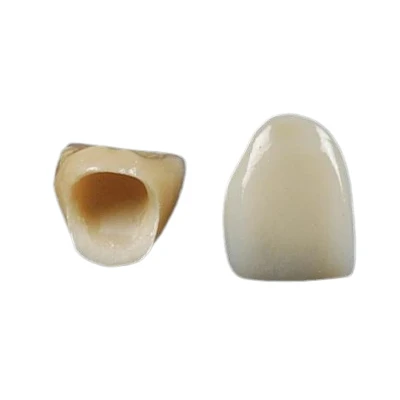
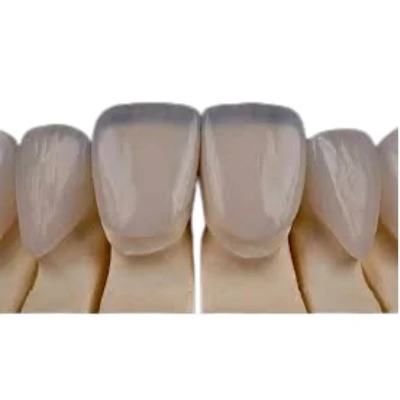
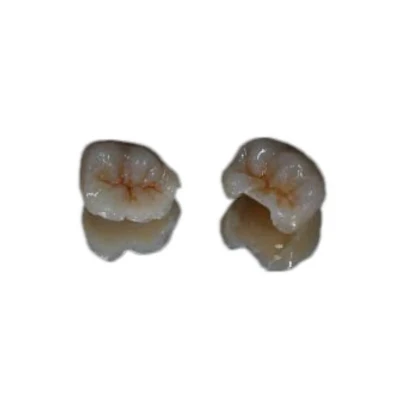
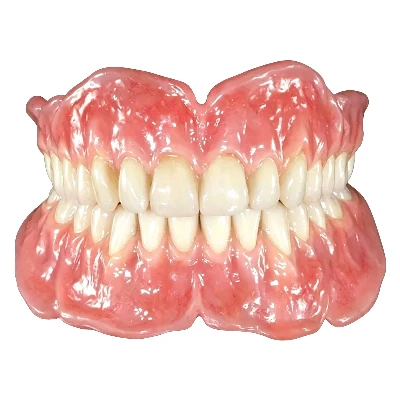
Dental impressions capture the exact shape of a patient's teeth and surrounding tissue so labs can fabricate crowns, bridges, veneers, dentures, or aligners that fit on the first try. Traditional impressions rely on physical materials pressed into trays. Digital impressions use intraoral scanners to create 3D files sent straight to the lab.
Right now the difference matters more than ever. US labor costs keep climbing. Remake rates on traditional impressions still hover between 12% and 18% in many offices. Each remake costs you not just materials but lost chair time that could have gone to a new patient. Practices that treat impressions as a minor expense quickly discover they are quietly draining $8,000 to $15,000 a year in hidden losses.
Breaking Down the Real Cost of Dental Impressions
The sticker price rarely tells the full story. A $120 impression can easily become a $340 event once you add everything else.
Traditional Impression Costs
Materials (alginate or PVS putty) run $20–$40 per case. Add the tray, mixing time, and disinfection and you're at $45–$70 in supplies. Chair time pushes it higher. A full-arch impression takes 8–12 minutes of hygienist or doctor time at $150–$250 per hour loaded rate. Shipping the model to the lab adds $15–$35. Stone model pouring and trimming at the lab runs another $25–$45.
When the impression distorts or the patient gags and you need a second take, the practice eats the extra time and material with zero reimbursement. Total real cost for a routine traditional impression in a US office lands between $110 and $250.
Digital Impression Costs
The scan itself bills at $100–$280 depending on the practice's fee schedule. The scanner hardware you already own (3Shape TRIOS, iTero Element, or Medit i700) carries no extra per-case material cost. Software subscription and maintenance run $300–$600 per month but spread across 80–120 scans a month drop to roughly $3–$7 per case.
The big number sits in the original equipment purchase. A decent scanner still lands between $15,000 and $50,000. Amortized over three years at 15 cases per week, that adds $4–$12 per scan. Once the machine is paid off the marginal cost per digital impression drops below $20.
|
Item |
Traditional Impression |
Digital Impression |
|
Materials / Supplies |
$20–$70 |
$0–$5 |
|
Chair Time (loaded) |
$60–$120 |
$15–$35 |
|
Shipping / Model Costs |
$40–$80 |
0 |
|
Remake Probability |
12–18% |
3–6% |
|
Typical Total per Case |
$110–$250 |
$80–$220 |
Traditional vs Digital Dental Impressions: Cost, Accuracy, and Long-Term ROI in 2026
Upfront Costs vs Ongoing Expenses
Traditional wins the first glance. You buy putty by the box and keep going. Digital demands capital upfront. Yet after the scanner pays for itself the math flips. A practice doing 60 impressions a month saves roughly $4,200–$6,800 annually in materials and shipping alone once the equipment is depreciated.
Accuracy, Remake Rates, Comfort and Efficiency Gains
Digital scans cut remake rates by up to 70%. The scanner flags margin errors before the patient leaves. Stone models do not warp in transit. Patients hate the gag reflex of heavy putty; a wand scan takes 90 seconds and feels like nothing.
Treatment time shrinks. Digital files reach the lab the same day instead of waiting for overnight shipping. Full-arch restorations that once needed two try-in appointments now often seat on the first. That 30–50% faster turnaround is real money when your schedule runs at 85% capacity.
Practices that stay with traditional impressions keep paying for the same mistakes year after year. Those that switched in 2024 or 2025 report the scanner paid for itself inside 11–14 months. The rest is pure profit.
Key Factors That Influence Dental Impression Costs for Overseas Dentists
Location drives price. A Manhattan practice pays 40–60% more in chair time than one in rural Texas because real estate and staff wages differ. Case complexity matters even more. A single crown impression stays simple. A full-arch implant verification or multiple-unit bridge demands extra material, extra time, and often a second impression if the first fails.
Overseas dentists shipping to US labs face another layer. International courier fees, customs delays, and model damage add $60–$120 per case. Temperature swings during transit distort traditional putty more than digital files. Insurance reimbursement patterns also vary. Most plans bundle the impression into the restoration fee, so the practice absorbs any overrun.

How Dentists Can Significantly Reduce Dental Impression Costs in 2026
Stop treating impressions as a necessary evil and start treating them as a controllable variable.
First, move to digital scanning if you have not already. The per-case savings compound fast. Second, cut physical shipping entirely by sending STL files instead of stone models. Third, eliminate the single biggest cost driver: remakes.
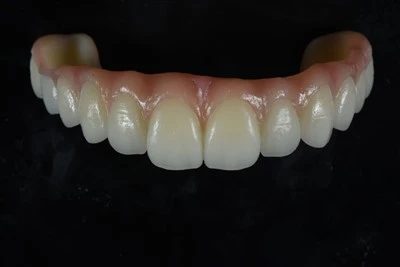
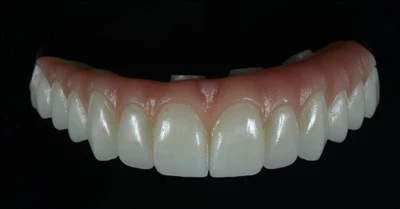
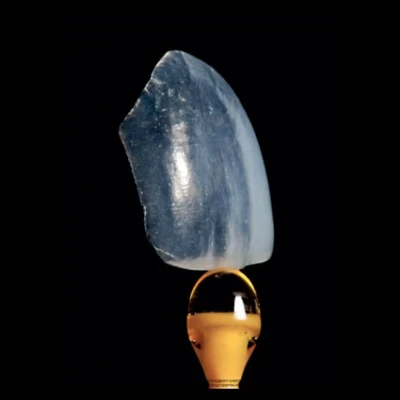
This kind of issue gets solved when you partner with a specialized digital laboratory that receives your scan file and produces the restoration under tight quality control. One effective route is working with ADS Dental Laboratory. As China's largest veneer production facility they run dedicated teams for Feldspathic veneer, Emax veneer, Zirconia veneer, and Composite veneer cases. Their digital workflow turns precise scans into restorations that seat the first time, slashing remake rates that used to cost US offices thousands every quarter.
2026 Dental Impressions Trends and Future Outlook
Digital scanner prices continue to drop while software gains AI margin detection. Practices that combine in-house scanning with reliable international digital laboratories now achieve the best balance of cost, speed, and clinical accuracy. Those still relying on putty and overnight shipping will watch their margins shrink as competitors pull ahead on efficiency. The gap is no longer theoretical. It shows up on your monthly profit and loss statement.
FAQ
How much does a traditional dental impression cost in 2026?
Materials and basic supplies run $20–$70. Once you add chair time, shipping, model work, and occasional remakes the real cost lands between $110 and $250 per case for most US offices.
Are digital dental impressions more expensive than traditional ones?
Upfront equipment cost yes. Ongoing per-case cost no. After the scanner pays for itself digital impressions run 25–40% cheaper over 12–24 months.
How much can outsourcing to a Chinese digital dental lab save?
Practices we work with report 30%+ reduction in total restorative costs through lower remake rates, zero shipping of physical models, and faster turnaround. The savings scale with volume.
Does dental insurance cover impression costs for US dentists?
Almost never as a standalone line item. Plans bundle it into the crown, bridge, or veneer fee. You still carry the full risk of any remake.
What is the real ROI of switching to digital impressions?
Most mid-size practices recover the scanner investment inside 11–14 months through material savings, reduced chair time, and fewer remakes. After that every impression contributes directly to margin.
Conclusion
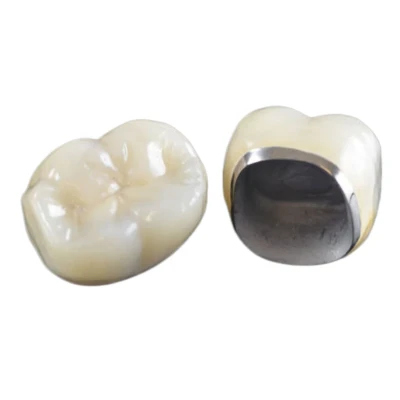
In 2026, dental impressions generally cost $50 to $300+ per case, but the real expense depends on the full workflow behind each case. Traditional impressions may seem cheaper at first, yet material costs, chair time, shipping, model work, retakes, and remakes can quickly increase the total. Digital impressions require upfront equipment investment, but they often reduce errors, shorten turnaround time, and improve long-term profitability.
For practices looking to control costs, the best impression workflow is the one that delivers accurate results with fewer remakes. Partnering with a reliable china dental lab is just as important, because proper case review, digital file handling, and clear communication can directly affect final restoration fit.
At ADS Dental Laboratory, we work with both digital scans and traditional impressions to support crowns, bridges, veneers, dentures, and other restorations. Contact us to review your case workflow, compare production options, and get a clear quote for your next restoration case.