

At ADS Dental Laboratory , we mill and layer zirconia restorations every day for overseas dentists and labs. The question we hear most often is straightforward: monolithic or layered-which one performs better in real cases?
There is no single "better" material. It depends on the clinical situation. Monolithic zirconia dominates in strength and reliability for high-load areas. Layered zirconia still leads when maximum esthetics matter most. New high-translucent monolithic options close the gap significantly.
We break it down below so you can decide case by case.

What Is Monolithic Zirconia? What Is Layered Zirconia?
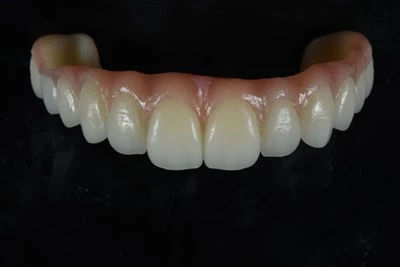
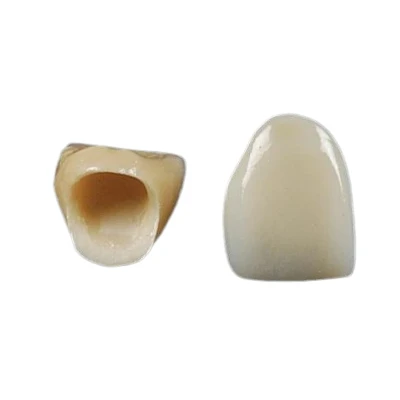
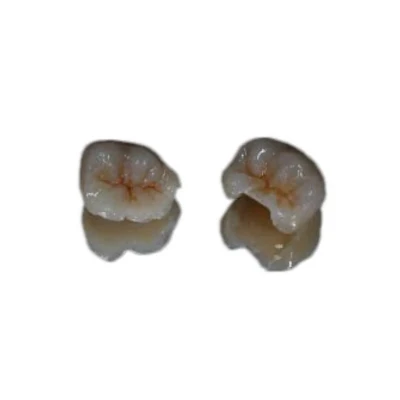
Monolithic zirconia means the entire restoration is milled from one solid block of zirconia using CAD/CAM. No added layers. The final piece is 100% zirconia, usually polished and glazed.
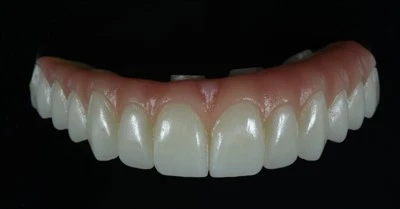
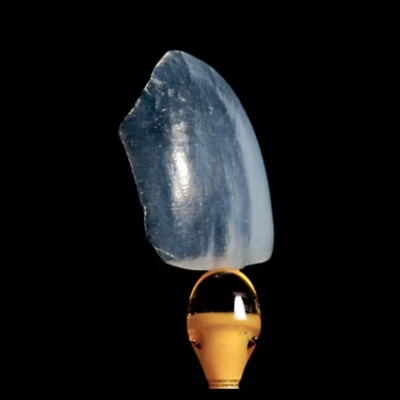
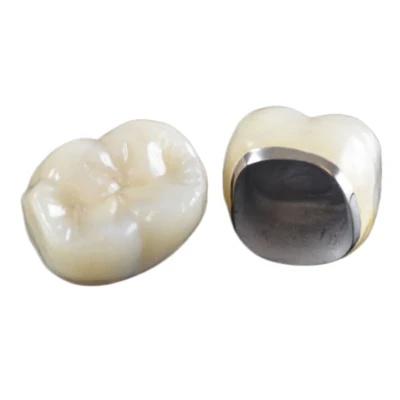
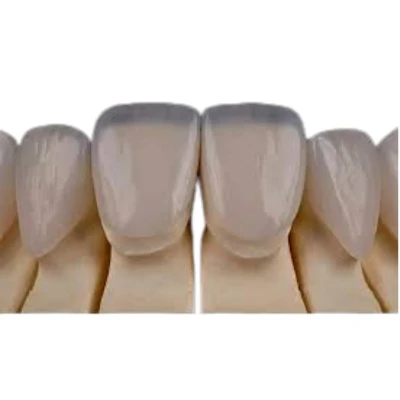
Layered zirconia starts with a milled zirconia core (coping). Technicians then apply porcelain (feldspathic or pressable) by hand or pressing to build dentin, enamel, and incisal effects. The result is a core plus veneering ceramic.
Modern high-translucent monolithic (often 4Y or 5Y zirconia) and multilayer discs add built-in gradients for better shade transition without veneering.
The process difference drives everything else: monolithic is fully digital and fast; layered adds manual artistry but introduces interfaces.
Strength, Durability, and Clinical Performance
Strength is where monolithic pulls ahead clearly.
Typical flexural strength for monolithic zirconia sits at 900–1200 MPa (3Y-TZP high-strength types often hit 1200+). Layered zirconia keeps similar core strength, but the veneering porcelain is weaker-around 100–400 MPa depending on the ceramic. The weak link is the porcelain.
Clinical data backs this up. Multiple studies show monolithic restorations with 98–100% survival at 5 years. Layered versions hover around 95–96%, with most failures from porcelain chipping.
Chipping rates tell the story:
- Monolithic: near zero chipping (no veneer to fail).
- Layered: 18–25% chipping risk in posterior cases over 5 years, especially under heavy occlusion.
For bruxers, implant cases, full-arch, or long-span bridges, monolithic reduces rework dramatically.
Opposing tooth wear also favors monolithic. In vitro studies show polished monolithic zirconia (especially unglazed/polished) causes the least enamel wear compared to layered or glazed surfaces. Polished monolithic is gentler on antagonists than layered porcelain.
In high-load posterior zones, monolithic is the safer, more predictable choice.
Esthetics and Customization
Layered zirconia wins here when appearance is non-negotiable.
The porcelain veneer delivers natural translucency, opalescence, fluorescence, and precise shade gradients. It mimics dentin-enamel transitions better, especially in anterior cases or high-smile patients.
Traditional monolithic zirconia was opaque-fine for molars but lifeless in the esthetic zone.
Newer high-translucent monolithic and multilayer zirconia change that. Light transmission improves significantly. Many cases now look very close to layered without the chipping risk. Still, for ultra-critical anterior work needing maximum incisal effects or custom staining, layered gives more control.
If the patient demands the most lifelike result and occlusion allows, layered remains the go-to.
When to Choose Which: Clinical Indications
Pick based on location, function, and patient factors.
Monolithic zirconia best for:
- Posterior teeth (premolars/molars)
- Bruxism or heavy bite patients
- Implant-supported crowns/bridges
- Full-arch or long-span cases
- Minimal occlusal clearance needs
Cases prioritizing longevity and low maintenance
Layered zirconia best for:
- Anterior teeth (incisors/canines)
- High esthetic demand (young patients, high smile line)
- Cases needing extreme customization or characterization
Gray area / compromise:
High-translucent multilayer monolithic. It offers 800–1000 MPa strength with improved esthetics-often the modern default for many single crowns and short bridges.
Quick decision table:
|
Factor |
Monolithic Zirconia |
Layered Zirconia |
|
Flexural Strength |
900–1200+ MPa |
Core similar, but veneer weaker |
|
Chipping Risk |
Very low |
Moderate to high (porcelain) |
|
Esthetics |
Good (high-translucent types) |
Superior (natural gradients) |
|
Opposing Tooth Wear |
Lowest when polished |
Higher |
|
Production Time |
Faster (full digital) |
Longer (manual layering) |
|
Cost |
Lower |
Higher |
|
Best Position |
Posterior / high-load |
Anterior / high-esthetic |
Other Practical Factors
Monolithic saves time and money. CAD/CAM milling is quick, predictable, and reduces remakes. Less chairside adjustment needed.
Layered requires more occlusal reduction (extra space for veneer) and carries higher lab fees due to handwork.
Cementation is similar for both-resin or glass ionomer works well. Always check minimum thickness: monolithic allows thinner preps in many cases.
As a full digital lab in China , ADS specializes in both. We deliver high-precision monolithic (including multilayer high-translucent) and layered restorations with consistent quality, fast turnaround, and competitive pricing for overseas partners.
Conclusion: Which Is Better?
No absolute winner. Monolithic zirconia is better for durability, low failure risk, and efficiency-especially in posterior and functional cases. Layered zirconia is better when esthetics trump everything else.
In 2025–2026 practice, high-translucent monolithic often strikes the best balance for most single crowns and bridges.
Review the case specifics: occlusion, position, patient habits, budget. If unsure, send prep photos and we can recommend the right type.
Need a quote, sample, or discussion on your next case? Contact ADS Dental Laboratory. We handle overseas outsourcing daily and keep things straightforward.