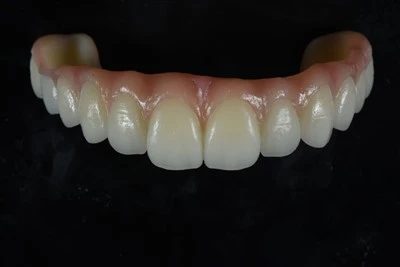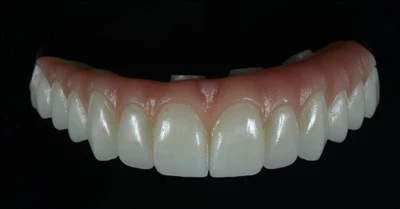
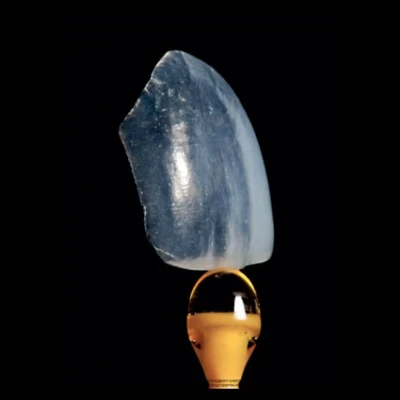

Porcelain fused to metal crowns-PFM crowns-have served dentistry for over 50 years. They combine a metal core for strength with porcelain on top for looks. Many dentists still use them, especially for back teeth or bridges. Patients often search this question because of concerns about metal in the mouth. From our experience as a digital dental lab producing thousands of these restorations, PFM crowns are safe for most people. Clinical data backs this up. Risks exist, but they are low and manageable.

What Are Porcelain Fused to Metal Crowns?
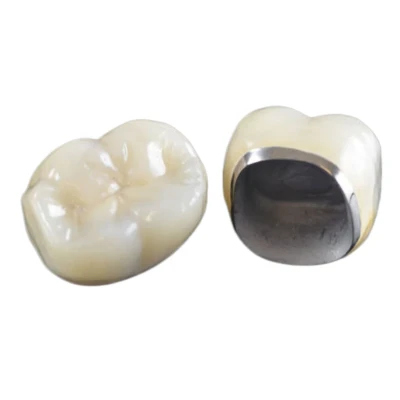
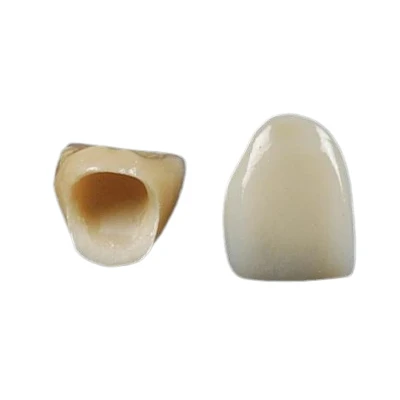
A PFM crown has two layers. The inner core is a metal alloy-often nickel-chromium, cobalt-chromium, palladium-based, or noble metals like gold alloys. The outer layer is porcelain fused to the metal at high temperature. This design gives the crown metal's toughness plus porcelain's natural color and translucency.
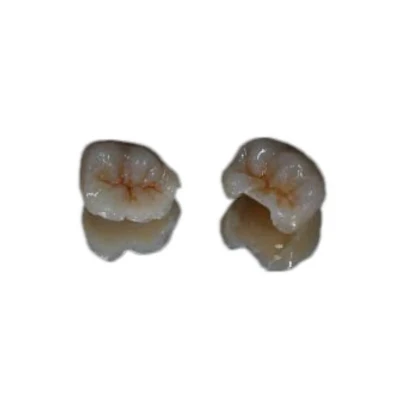
PFM works well where strength matters. The metal handles biting forces. The porcelain matches surrounding teeth. In posterior areas or long-span bridges, PFM remains practical. Modern digital workflows improve fit. We scan cases digitally, mill precisely, and reduce marginal gaps that cause issues later.
Placement usually takes two visits. First, the dentist prepares the tooth, reduces structure, takes impressions or scans, and places a temporary crown. The case goes to the lab. We fabricate the PFM. Second visit: try-in, adjust, cement. With in-office milling, some cases finish in one visit, but lab-made PFM still offers consistent quality for complex designs.
Clinical Evidence on PFM Safety and Longevity
PFM crowns show strong track records in studies. Systematic reviews report 5-year survival rates around 94-99%. One review found approximately 99.5% for tooth-supported PFM prostheses. Another meta-analysis gave 94.7% for metal-ceramic single crowns. 10-year rates often sit at 90% or better with good care.
These numbers come from long-term observations across thousands of cases. Failures usually tie to porcelain chipping or biological issues, not the material itself being unsafe. Biocompatibility is good with modern alloys. Noble metals lower risks further.
In practice, we see PFM last 10-15 years or more when fabricated accurately and maintained. Poor fit or low-quality alloys cause most early problems-not the concept of PFM.
Potential Risks and Drawbacks
No material is perfect. PFM has specific issues worth knowing.
- Metal sensitivity: Nickel in some alloys triggers reactions in sensitive patients. Symptoms stay local-gum irritation, inflammation, discoloration. Prevalence is low, often under 10-15% in reported cases, and mostly mild. Patch testing catches this before placement. We recommend noble or cobalt-chromium alloys for allergy-prone patients.
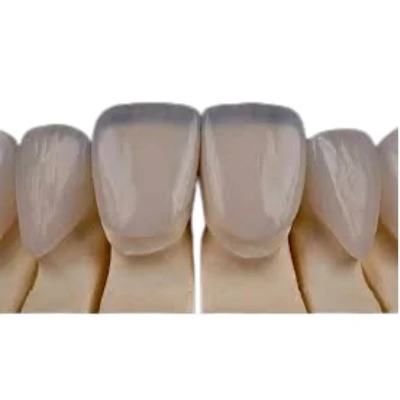
- Gum line discoloration: The metal margin can show as a gray line if gums recede. This is cosmetic, not a health threat. Deep margin design and precise fabrication minimize it.
- Porcelain chipping: The outer layer can fracture under heavy load. Metal core stays intact; repair is often possible. Incidence is low in well-made crowns.
Other concerns like metal ion release or galvanic effects appear in discussions. Clinical evidence shows release is minimal and below toxic levels for most alloys. Galvanic currents occur mainly with mixed metals in the mouth and rarely cause systemic issues. Imaging interference exists but modern digital X-rays handle it.
High-quality fabrication cuts these risks sharply. Digital design ensures better margins and occlusion.
PFM vs Modern Alternatives: A Practical Comparison
Zirconia crowns have gained ground. Monolithic zirconia offers full ceramic strength without metal. Layered versions fuse porcelain to zirconia.
Here's a direct comparison based on clinical data and our production experience:
|
Aspect |
PFM Crowns |
Zirconia Crowns (Monolithic/Full Contour) |
|
5-Year Survival Rate |
94-99% (systematic reviews) |
95-98% (often comparable or slightly higher in recent studies) |
|
Strength |
Excellent (metal core) |
Very high (zirconia toughness) |
|
Aesthetics |
Good (porcelain natural look) |
Excellent (no metal show-through) |
|
Biocompatibility |
Good (low risk with noble alloys) |
Superior (no metal allergy concern) |
|
Opposing Tooth Wear |
Moderate |
Low when polished properly |
|
Cost |
Lower |
Higher |
|
Best Use |
Posterior bridges, limited space, budget cases |
Anterior/posterior single crowns, allergy concerns, high aesthetics |
Zirconia edges out in no-metal benefits-no black lines, no allergy worries. Recent studies show monolithic zirconia at 98% 5-year survival vs PFM at 92% in some implant cases. PFM holds advantages in cost and certain bridge designs where metal provides extra support.
We produce both. Zirconia is the trend for most single crowns in 2026. PFM still fits specific needs.
Who Should Consider PFM Crowns?
PFM suits cases where strength and economics align.
- Posterior teeth with heavy bite forces.
- Long-span bridges needing rigid support.
- Patients without metal allergies.
- Budget-conscious treatments.
Avoid or reconsider PFM if:
- Known nickel or metal sensitivity.
- Front teeth where aesthetics dominate.
- High gum recession risk.
- Preference for metal-free options.
Always test for allergies if in doubt. Discuss with the dentist.
How to Maximize Safety and Longevity
Good habits extend life. Maintain solid oral hygiene-brush, floss, use mouthwash. Avoid chewing ice or hard objects. Nightguards help bruxers. Regular check-ups catch issues early.
From the lab side, precision matters. Digital scans reduce errors. Quality alloys prevent problems. We focus on tight margins and balanced occlusion to lower chipping and discoloration risks. With proper care, expect 10-15+ years from a well-made PFM.
Final Thoughts
PFM crowns remain a safe, proven option. Data shows high survival and low complication rates for most patients. Risks like sensitivity or chipping are real but uncommon with good materials and fabrication. Zirconia often wins today for biocompatibility and looks, but PFM delivers in the right scenarios.
At ADS Dental Laboratory Ltd, we specialize in digital custom restorations for overseas dentists. We produce reliable PFM and zirconia crowns with tight tolerances and stable quality. If you're evaluating options for your patients, reach out. We offer case consultations, material guidance, and competitive quotes. A solid restoration starts with the right material and precise work. Let's discuss your next case.