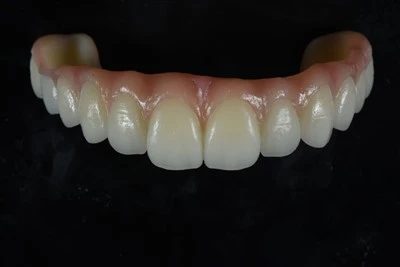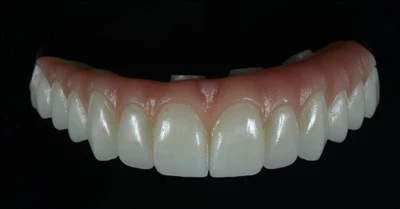
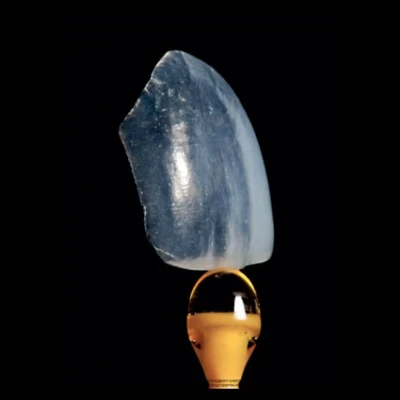
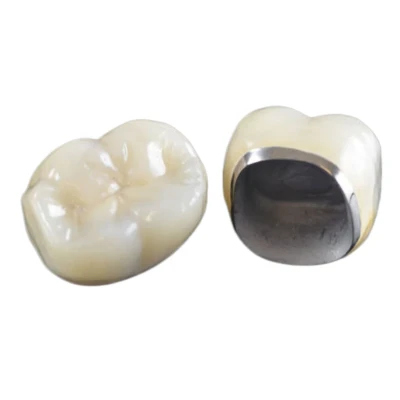
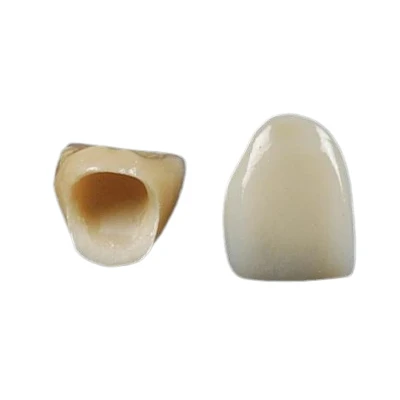
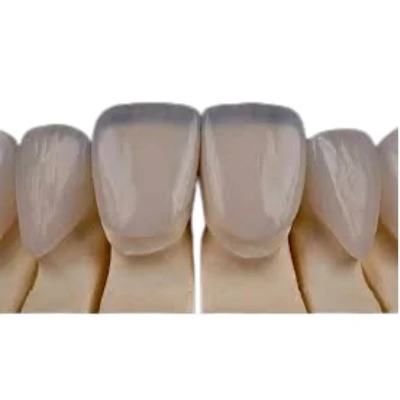
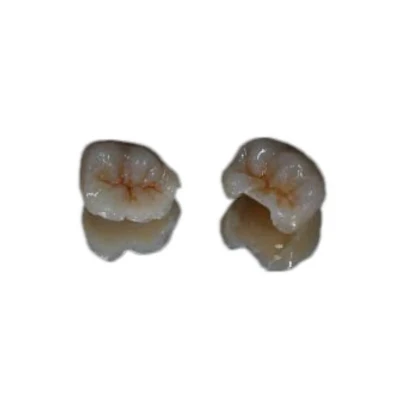
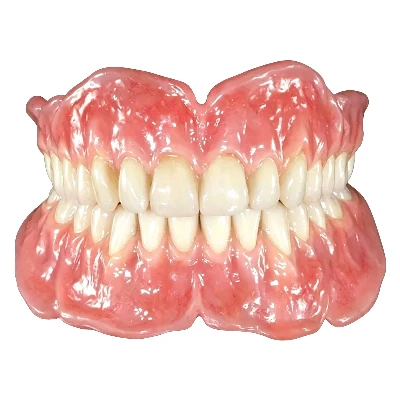

In daily production at our lab, we see doctors facing the same question over and over: push for maximum light transmission in the anterior, or secure enough strength without sacrificing natural gradients? High translucent zirconia and multilayer zirconia dominate the choices now in digital workflows. Both solve the old opacity problem of traditional zirconia, but they trade off differently between esthetics and mechanics.
High translucent zirconia usually means a single-layer 5Y-PSZ material-around 5 mol% yttria-with high cubic phase content (50% or more). It gives uniform high light transmission that mimics enamel well. Multilayer zirconia uses a gradient design: lower yttria (3Y or 4Y) in the dentin/cervical area for strength, higher yttria (up to 5Y) in the incisal for translucency. The result is a built-in transition from opaque neck to clear edge, no extra veneering needed.
We handle both types every week. The decision comes down to case specifics-location, load, prep, and esthetic demand.

Understanding the Materials
High translucent zirconia focuses on uniform translucency across the whole restoration. Manufacturers increase cubic phase through higher yttria, finer grains, and controlled sintering. This boosts light passage but drops the tetragonal phase that provides transformation toughening.
Multilayer zirconia builds the gradient directly into the blank. Dentin layers stay stronger with lower yttria; incisal layers go higher for better light diffusion. Brands like Katana STML, Cercon ht ML, or IPS e.max ZirCAD MT Multi show this clearly-strength drops from cervical to incisal, but overall esthetics improve because the material copies natural tooth optics without manual steps.
Both are monolithic in final form, CAD/CAM milled, and sintered. No porcelain layering means lower chipping risk compared to old veneered designs.
Key Property Comparison
The core differences show up in numbers and behavior. Here is a practical side-by-side look at typical ranges (based on recent production batches and published data from 2024-2025 studies).
|
Feature |
High Translucent Zirconia (5Y single-layer) |
Multilayer Zirconia (gradient 3Y/4Y-5Y) |
|
Flexural Strength |
600–850 MPa (often ~615–800 MPa in anterior specs) |
700–1200 MPa gradient (dentin ~1000–1200 MPa, incisal ~700–850 MPa) |
|
Translucency |
Uniform high (TP often 20–30 at 1 mm) |
Gradient natural (incisal higher ~43–57%, cervical more opaque/chroma) |
|
Esthetics |
Excellent light transmission, seamless blend; may need staining for shade variation |
Built-in color/translucency gradient, mimics dentin-enamel transition; minimal staining needed |
|
Fracture Risk |
Higher in high-load zones due to uniform lower strength |
Lower overall; stronger in critical cervical areas |
|
Preparation Depth |
Minimal acceptable (~0.5–1.0 mm occlusal) |
Moderate (~1.0–1.2 mm to capture gradient) |
|
Processing |
Simple milling and sintering |
CAD/CAM friendly, but precise nesting required for gradient use |
|
Cost |
Generally lower |
Higher due to complex blank design |
Strength numbers vary by brand and testing (three-point vs biaxial), but the pattern holds: high translucent gives consistent ~600-850 MPa; multilayer protects the base with higher cervical values while allowing incisal clarity. Translucency in multilayer feels more natural in most mouths because of the gradual shift.
Clinical Indications and How to Choose
Pick based on the case realities we see daily.
For anterior crowns or veneers in the smile zone, multilayer usually wins. The gradient gives better color match to adjacent teeth-incisal translucency blends without looking flat, and dentin opacity hides abutment color better. High translucent works fine for thin preps or when maximum light pass-through is the goal, but it lacks the subtle chroma build-up.
In posterior zones or premolars with normal to high load, multilayer handles forces better. The stronger cervical layers resist flex under occlusion. High translucent limits to low-stress single units; it risks fracture in molars or patients with habits.
Bridges change the math. Multilayer supports longer spans (some brands up to 14 units) because the gradient keeps critical areas tough. High translucent sticks to short spans or single crowns.
Special situations:
- Heavy bruxism or clenching → multilayer (higher effective strength where it counts).
- Young patients with high esthetic demands → multilayer for natural opalescence and fluorescence mimic.
- Tight budget or minimal prep cases → high translucent (easier workflow, less reduction needed).
Quick checklist we use:
- Anterior visible zone? → Lean multilayer for gradient.
- Posterior or bridge? → Multilayer for load safety.
- Bruxism history? → Multilayer.
- Ultra-thin prep (<0.8 mm)? → High translucent possible.
- Patient wants maximum "glass-like" clarity? → High translucent edges out.
Talk to the lab early about shade mapping and nesting-multilayer rewards precise positioning in the blank.

Pros and Cons Summary
High Translucent Zirconia
Pros:
- Top uniform light transmission
- Works with very conservative preps
- Straightforward milling and finishing
Cons:
- Lower overall strength limits load areas
- Monochromatic base often needs extra staining
- Not ideal for bridges or heavy function
Multilayer Zirconia
Pros:
- Balances strength and esthetics best
- Natural gradient reduces manual work and chipping
- Versatile for anterior through posterior
Cons:
- Higher material cost
- Needs careful disc orientation
- Slightly less max translucency than pure high translucent in incisal
Compared to traditional layered (core + porcelain), multilayer cuts chipping risk and lab time. Versus pure monolithic 3Y (opaque but ultra-strong), multilayer opens anterior use. Lithium disilicate beats both in raw translucency but loses on strength (~400 MPa).
No material wins every case. The right one matches the forces, prep, and esthetic goal.
At ADS Dental Laboratory, we mill both high translucent and multilayer zirconia daily for overseas doctors. Our CAD/CAM setup handles precise nesting for gradients, and we test batches for consistent strength and shade. Send us your prep scan or photos-we recommend the material that fits the case, deliver high-precision restorations, and keep turnaround stable.
Need a quick consult on your next anterior or bridge? Drop us the details for material suggestions and a quote. We keep samples ready too. Contact us to discuss your cases.