
For more than a decade, monolithic zirconia has been one of the most widely used materials for posterior restorations. With the widespread availability of high-translucency grades, multilayer gradient discs, and greatly improved processing techniques, many clinicians are still asking the same question today:
Is monolithic zirconia still the right choice for the job?
This article provides a clear, up-to-date evaluation of where monolithic zirconia stands in 2026, what has meaningfully changed in recent years, its current strengths and limitations, and practical clinical guidance on when it remains the best - or less ideal - option.

What "Monolithic Zirconia" Really Means Today
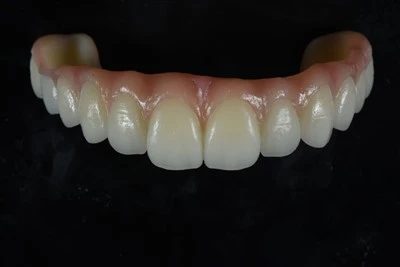
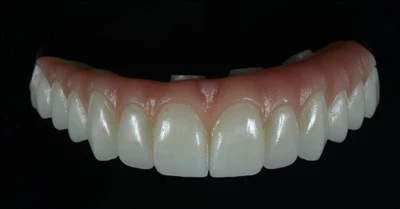
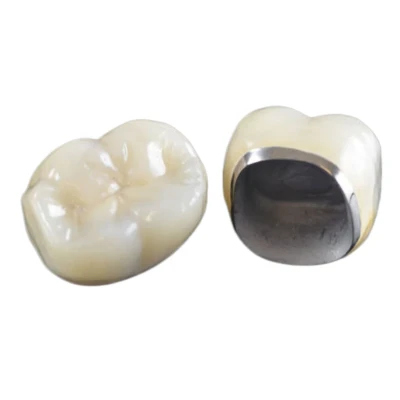
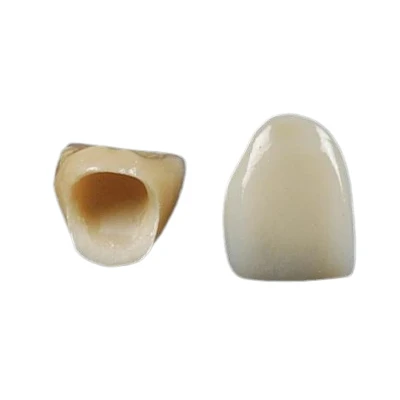
Monolithic zirconia refers to full-contour restorations milled from a single zirconia blank or multilayer disc, with no veneered porcelain layer applied.
No veneering porcelain = virtually no risk of chipping or delamination.
Today's market-leading products include:
- High-translucency (HT)
- Super-high-translucency (SHT)
- Multilayer / gradient discs
Flexural strength typically ranges from 850–1250 MPa depending on the grade, while light transmission has improved dramatically compared to the opaque white zirconia blocks that were common ten years ago.
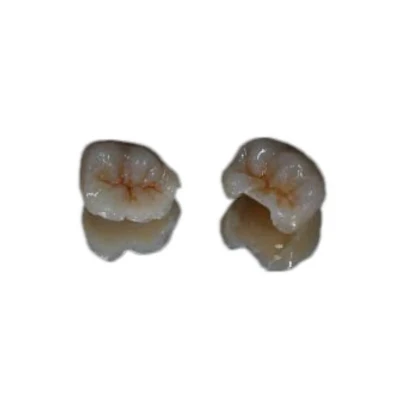
Multilayer gradient discs have become the standard choice when monolithic zirconia is used in anterior or premolar regions. High-strength, single-shade blocks remain very popular for second molars, bruxism patients, long-span bridges, and full-arch implant-supported restorations.
How the Material Has Evolved
The most significant real-world improvements in recent years include:
- Translucency increasing from ~30–35% to 45–50%+ in premium multilayer discs
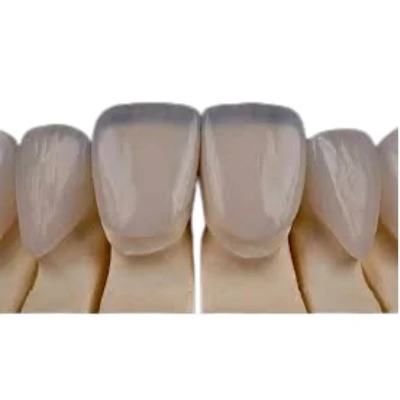
- Built-in incisal-to-cervical shade gradients that create natural transitions with minimal manual staining
- Ultra-high-translucency grades now routinely allowing anterior wall thicknesses as low as 0.6–0.8 mm
- Advanced polishing systems and glazes that have substantially reduced concerns about antagonist wear
- Better balance between strength and translucency - clinicians no longer face a stark trade-off
In short: the monolithic zirconia delivered in 2026 is a very different material from what most dentists first experienced a decade ago.
Why It Remains a Top Choice
Monolithic zirconia continues to dominate in functional and load-bearing situations for several practical reasons:
- Highest fracture resistance among all-ceramic materials (900–1200+ MPa typical)
- Virtually zero chipping risk (no veneering layer to fail)
- Excellent long-term survival rates for posterior single crowns (96–98%+ at 5–10 years)
- Reliable performance in long-span bridges (3–6 units) and full-arch implant cases
- Extremely forgiving for patients with bruxism, clenching, or heavy occlusal forces
- Highly predictable in fully digital workflows - low remake rates when preparation guidelines are followed
- Favorable soft-tissue response and low plaque retention when properly polished
- Very strong price-to-performance ratio compared to layered zirconia or lithium disilicate
When durability and long-term stability are the top priorities - especially in the posterior zone - these advantages remain very compelling.
Where It Still Falls Short
Monolithic zirconia is not the ideal material for every situation. The main current limitations are:
- Even the best high-translucency grades are not as optically vibrant as lithium disilicate (e.max)
- Incisal edges and anterior restorations can appear somewhat flat or less lively compared to layered or e.max restorations
- Poor polishing or staining technique can still contribute to antagonist wear (though modern protocols have largely mitigated this issue)
- Cementation is technique-sensitive - bonding errors cause far more failures than the material itself
- Removal or endodontic access is more difficult and time-consuming compared to e.max or metal-ceramic crowns
- Surface stains and glazes may show visible wear over very long periods in extreme bruxers
When a patient demands maximum vitality and translucency in the anterior zone, monolithic zirconia is usually not the first-line choice.
Quick Material Comparison (2026)
|
Material |
Flexural Strength (MPa) |
Translucency |
Anterior Esthetics |
Posterior Durability |
Chipping Risk |
Best Indications |
Relative Cost |
|
Monolithic Zirconia |
850–1250 |
Medium–High |
★★☆☆☆ |
★★★★★ |
Almost none |
Posterior, bruxism, bridges, implants |
$$ |
|
Layered Zirconia |
900–1100 |
High |
★★★★☆ |
★★★★☆ |
Medium–High |
Anterior + posterior esthetic demand |
$$$$ |
|
Lithium Disilicate (e.max) |
360–500 |
Very High |
★★★★★ |
★★★☆☆ |
Low |
Anterior, veneers, small posterior units |
$$$$ |
|
Metal-Ceramic (PFM) |
Varies |
Medium |
★★★☆☆ |
★★★★☆ |
Medium–High |
Long-span, tight budget |
$ |
When to Choose Monolithic Zirconia – Practical Guide
Use monolithic zirconia when:
- The restoration is in the posterior region (premolars and molars)
- The patient has bruxism, clenching, or significant occlusal wear
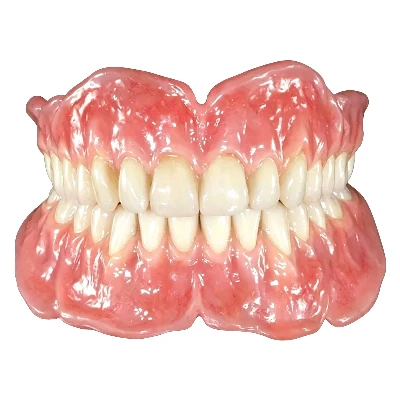
- You are planning a multi-unit bridge or full-arch implant-supported case
- Long-term durability and fracture resistance are the main priorities
- You need an all-ceramic option but budget is a consideration
- Occlusal reduction allows at least 1.0–1.5 mm
Consider alternatives when:
- The restoration is anterior and the patient has high esthetic expectations
- You need maximum vitality and translucency at very low thicknesses (0.5–0.7 mm)
- The case consists mainly of veneers or very conservative anterior preparations
Modern multilayer high-translucency zirconia can now handle borderline anterior cases (canines, first premolars) very effectively - provided the laboratory has excellent staining and polishing skills.
What's Coming Next?
The development trajectory is clear:
- Discs continue to push higher strength and higher translucency simultaneously
- Anterior monolithic designs are becoming routinely thinner (0.6–0.8 mm)
- Automated staining, texturing, and digital shade-matching tools are reducing handwork
- Improved surface characterization is steadily closing the final esthetic gap
Monolithic zirconia keeps improving - narrowing the esthetic difference while preserving its core strength advantage.
Final Thought
In 2026, monolithic zirconia remains one of the most predictable, durable, and cost-effective choices for posterior and high-load restorations.
For cases where anterior esthetics are the top priority, layered zirconia or lithium disilicate usually deliver superior optical results.
At ADS Dental Laboratory Ltd. , We produce high-translucency multilayer and classic high-strength monolithic zirconia restorations daily for overseas clinics. If you would like to discuss material options for an upcoming case, compare shades, or review recent clinical examples, feel free to reach out.
We typically respond with specifications, preparation guidelines, and photos within 24 hours.