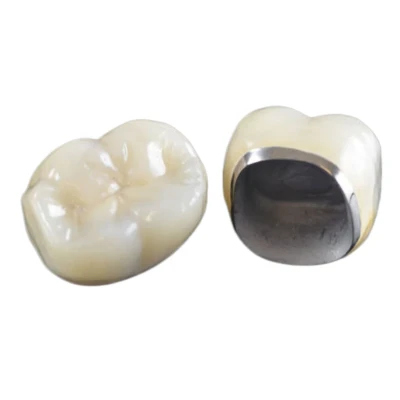
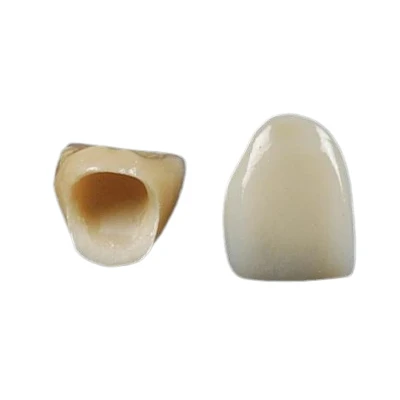
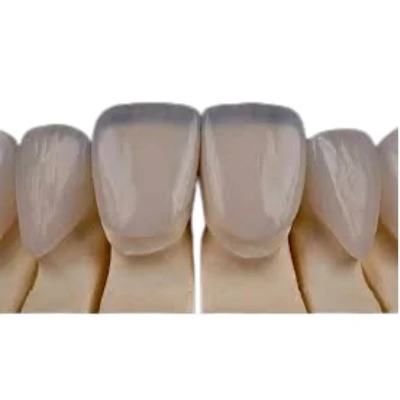

More and more dentists and dental labs outside China are outsourcing restorations to Chinese labs. The reason is simple: prices are 40–70% lower than in the US or Europe, delivery times are faster than ever, and digital workflows are now standard in the better factories. But the question everyone asks is the same: how do you find a lab that is actually reliable and still affordable - without getting burned by poor materials, endless remakes, or communication breakdowns?
I've run a digital dental lab in China for over 12 years, focused entirely on overseas clients. Here's exactly how we help new customers pick the right partner - and how you can do it yourself.
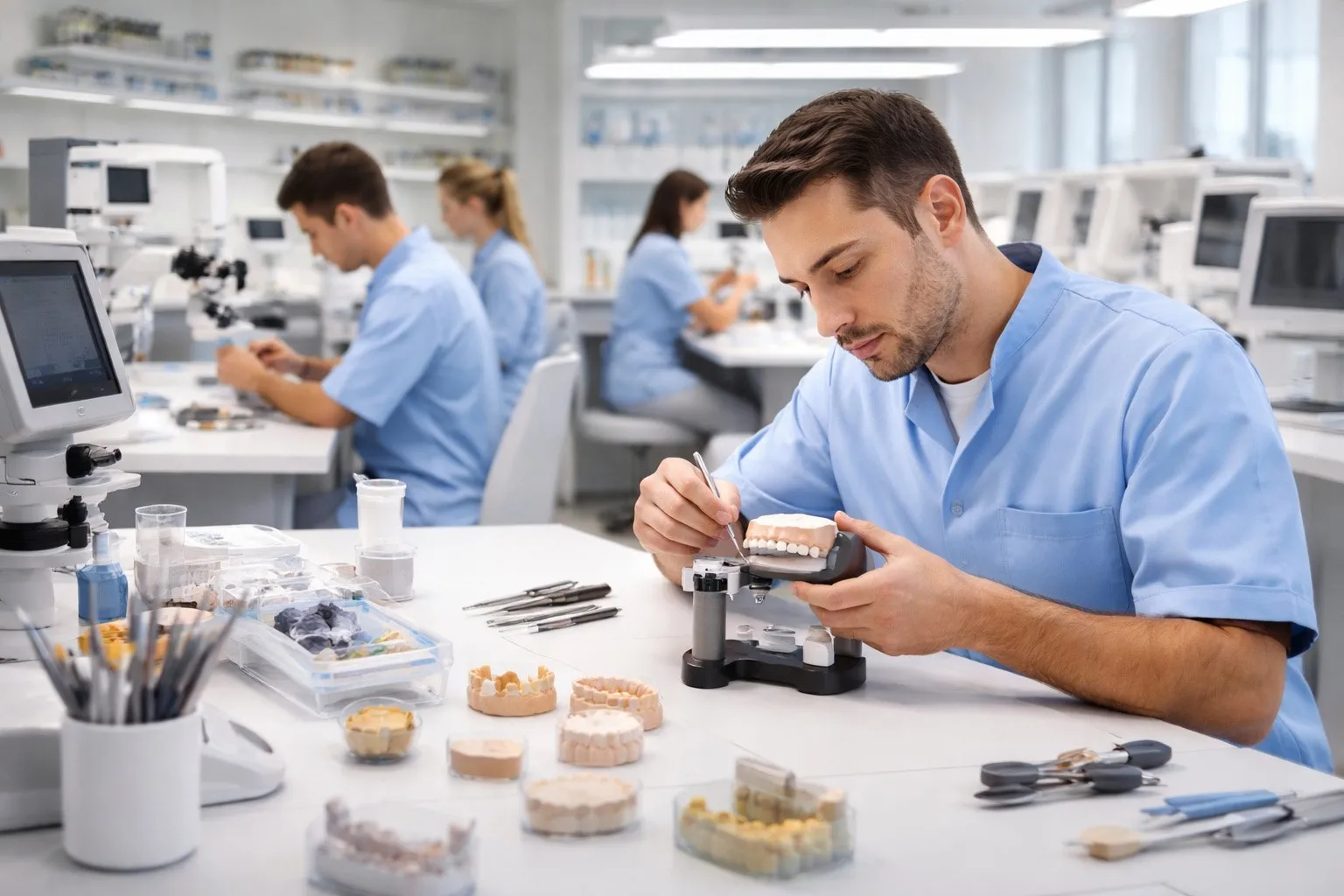
Why China Is the Go-To Choice for Dental Outsourcing in 2026
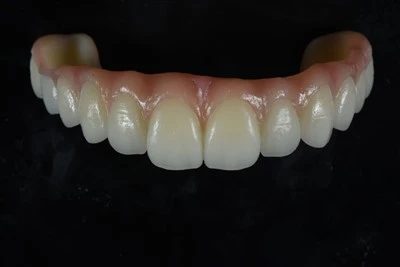
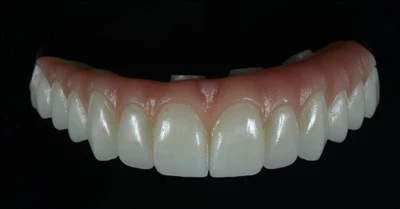
China produces more dental restorations than any other country. Over 80% of global zirconia crowns and bridges now come from here. Top labs use the same materials (VITA, Ivoclar, Argen) and software (3Shape, Exocad) as labs in the US.
The cost difference is huge. A single zirconia crown that costs $80–120 in the US often lands at $25–45 when made in China - including shipping. Delivery is typically 7–10 days door-to-door. For high-volume clinics and labs, this means real profit margin improvement.
The catch? Not every Chinese lab is the same. There are four clear tiers: top-tier international OEMs, mid-to-high-end digital labs that target overseas markets, mid-low price factories, and low-end workshops. For most dentists and labs, the sweet spot is the second group - mid-to-high-end digital labs. They deliver consistent quality at prices that still save you serious money.
How to Spot a Reliable Chinese Dental Lab: 10 Practical Checks
Here are the exact criteria we use when clients ask us to evaluate competitors. Apply these 10 checks in order. The more boxes a lab ticks, the safer your first order will be.
1. Do they hold current international certifications?
Look for FDA registration (US), CE marking (Europe), and ISO 13485. These are non-negotiable for any lab that ships to regulated markets. Ask for the certificate PDFs - check the expiry date and scope.
2. What materials do they actually use?
Ask for the brand names and lot numbers. Reliable labs openly list VITA YZ, Ivoclar IPS e.max, Argen alloys, or Aidite zirconia. If they dodge the question or say "our own brand," walk away.
3. How digital is their workflow?
Check if they accept STL files from intraoral scanners, use 3Shape or Exocad design software, and have in-house 3D printers (DLP/SLA) and 5-axis milling machines. Fully digital labs have remake rates below 3%. Old-school labs still using plaster models are slower and less accurate.
4. What is their real remake rate and warranty policy?
Good labs openly share their remake rate (usually 1–3%) and offer at least 1-year warranty on crowns/bridges and 5–10 years on implants. Ask for their written remake policy - no excuses about "shipping damage."
5. Can you communicate easily in English?
Time zone difference is 12–16 hours. Look for labs with dedicated English-speaking teams who reply within 2–4 hours on WhatsApp or email. If you only get broken English or Google Translate replies, communication will become a nightmare.
6. How long have they served overseas clients?
Prefer labs with at least 8–10 years of experience and a clear list of markets (US, Canada, UK, Australia, Germany, etc.). New labs or labs that only serve domestic wholesalers are much riskier.
7. Will they do a small test order first?
Top labs happily accept 5–10 unit test cases. If a lab insists on a minimum order of 50+ units for the first order, they are not confident in their quality or they are treating you like a wholesaler.
8. Can they show real factory photos and videos?
Ask for recent photos of their production floor, milling machines, sintering furnaces, and packing area. Better labs send short video tours on WeChat or WhatsApp. No photos or only stock images? Big red flag.
9. Do they provide material traceability and clear warranty terms?
Every case should come with a certificate of conformity listing material brand, batch number, and sintering parameters. Their contract should clearly state who pays for remakes and shipping.
10. Are they open to factory visits or video audits?
The best labs welcome in-person visits or live video inspections. If they refuse both, they are hiding something.
Run these 10 checks on 3–5 candidate labs. The one that scores 8+ out of 10 is almost always the right choice.
Price vs. Quality: How to Avoid the "Cheapest Trap"
Here's a rough 2026 price guide for common restorations (single unit, delivered to US/Europe):
|
Restoration Type |
Low-End Price |
Mid-High-End Price |
What You Usually Get |
|
Zirconia Crown (full contour) |
$18–25 |
$28–45 |
Premium material + 5-axis milling |
|
e.max Lithium Disilicate |
$25–35 |
$40–60 |
True Ivoclar material, perfect fit |
|
PFZ (Porcelain-Fused-to-Zirconia) |
$22–30 |
$35–55 |
Layered porcelain, natural aesthetics |
|
Implant Crown (custom abutment) |
$45–70 |
$80–120 |
Titanium + zirconia, precise angulation |
If a quote is 30%+ below the mid-range, something is being cut: cheaper zirconia, manual finishing instead of milling, or the case gets subcontracted to a low-end workshop.
The rule is simple: don't chase the lowest price. Pick the lab that offers the best value in the mid-to-high range - transparent materials, fast communication, and a low remake rate.
Real-Life Pitfalls and How to Dodge Them
Here are the four most common mistakes we see new clients make - and how to avoid them.
- Pitfall 1: Chose the cheapest quote → materials swapped for generic zirconia → crowns chip in 3 months.
- Fix: Always demand material brand and batch proof before production starts.
- Pitfall 2: Communication only through a middleman → remakes take weeks, blame game starts.
- Fix: Talk directly to the lab's English team from day one.
- Pitfall 3: Thought they were a big factory → order got passed to a small workshop.
- Fix: Ask for factory photos and video before sending the first case.
- Pitfall 4: Ordered 100 units on the first try → 20% needed remakes, cash flow stuck.
- Fix: Start with 5–10 units only. Scale up after you see the results.
Print this checklist and use it every time you evaluate a new lab.
Safe First-Order Workflow (Step by Step)
Follow this exact sequence to minimize risk:
- Shortlist 3–5 labs using the 10 checks above.
- Send them your test case files + ask for material list, quote, and timeline.
- Pick the best one and place a small test order (5–10 units).
- Check delivery time, fit on models, aesthetics, and communication.
- If everything is good, move to regular orders and gradually increase volume.
Most of our long-term clients started exactly this way - small test order, then 50–200 cases per month.
Ready to Start?
Finding a reliable and affordable dental lab in China is not luck. It's about using the right checklist and starting small. Do your homework with the 10 checks and the safe workflow above, and you'll have a stable partner that saves you money year after year.
Explore ADS Dental Laboratory Ltd. We are a China digital dental laboratory specializing in providing long-term, stable outsourcing services for custom dental restorations to overseas dentists and dental laboratories.
If you want, send us your test case files right now. We'll give you a clear quote, material list, and timeline within 24 hours - no pressure, no minimum order. Just practical help from one lab to another.