
Digital dentistry is more than replacing a conventional impression with an intraoral scan. In restorative care, it is a connected workflow in which clinical data is captured digitally, reviewed, transferred to the dental laboratory, used for CAD design and CAM manufacturing, and stored for future reference.
For dentists, the practical value is straightforward: earlier case review, clearer communication with technicians, fewer physical intermediate steps, and more control before the definitive restoration is produced. The quality of the final result, however, still depends on accurate clinical data and sound restorative decisions.

What Is Digital Dentistry in Restorative Care?
Digital dentistry refers to the use of digital technologies to capture, process, design, manufacture, communicate, and manage dental case information.
In restorative dentistry, this commonly includes intraoral scanning, digital impressions, CAD/CAM design, milling, 3D printing, digital photography, electronic prescriptions, and digital case management.
An intraoral scanner is therefore only the starting point.
A typical digital dental workflow connects several stages:
Clinical data acquisition → case review → CAD design → CAM manufacturing → finishing and quality control → clinical delivery → digital archiving
This continuity matters because the same case information can move through several stages without repeatedly being recreated in another physical form.
In a conventional workflow, information may move from the patient's mouth to an impression, then to a stone model, wax-up, laboratory process, and final restoration. Each additional physical step creates another point at which information must be transferred or interpreted.
A digital restorative workflow reduces some of those transitions.
It also does not have to be completely digital. Many dental practices and laboratories use hybrid workflows. A dentist may capture an intraoral scan digitally while the laboratory combines CAD/CAM production with hand staining, glazing, ceramic layering, contouring, or other technician-controlled procedures.
For a deeper comparison of how the two systems differ, see Digital Dental Lab vs. Traditional Lab: What Actually Changes?
Digital dentistry should therefore be understood as a connected method of handling restorative data, not as a fully automated replacement for clinical or laboratory expertise.

How a Digital Restorative Workflow Works: From Scan to Delivery
The exact workflow changes according to the restoration, but most digital restorative cases follow the same basic sequence.
Step 1: Capture the Clinical Data
The workflow starts with a digital representation of the patient's clinical condition.
For a routine crown case, this normally includes scans of the prepared arch, opposing arch, and bite. Depending on the restoration, the dentist may also provide clinical photographs, shade information, stump shade, implant information, or other records.
More complex cases may incorporate CBCT data, facial photographs, existing prosthetic information, or digital diagnostic designs.
One immediate advantage of an intraoral scan is the ability to review the captured data before the patient leaves.
The clinician can check whether:
- The preparation margin is visible;
- Important surfaces are missing;
- The scan contains soft-tissue interference;
- The opposing arch is complete;
- The bite record appears usable.
If a small area is incomplete, it can often be rescanned immediately rather than repeating an entire physical impression. Understanding what a dental lab needs from an intraoral scan helps reduce avoidable delays at this stage.
The objective is not simply to create an STL or other digital file. It is to create a reliable clinical dataset for everything that follows. Dentists who regularly send digital cases can also benefit from understanding STL file quality and submission requirements.
Step 2: Review and Design the Restoration With CAD
Once the dental laboratory receives the case, the next stage is review.
A digital file should not move directly from upload to manufacturing. The technician or CAD designer first needs to determine whether the clinical information is sufficient for the prescribed restoration.
During computer-aided design (CAD), the restoration is created and adjusted in a virtual environment. Depending on the case, the designer may evaluate:
- Margin definition;
- Available restorative space;
- Proximal contacts;
- Occlusal relationships;
- Restoration thickness;
- Crown morphology;
- Emergence profile;
- Pontic form;
- Esthetic contours.
This stage is especially useful in complex restorative treatment.
A digital diagnostic wax-up is a proposed three-dimensional restoration design created before definitive manufacturing. By comparing the wax-up with the patient's existing scan, the dentist and technician can evaluate how much restorative space is available and where changes may be required.
In extensive rehabilitation, digital overlays can also help visualize proposed tooth contours, occlusal changes, incisal positions, and preparation requirements before irreversible clinical procedures are completed.
Digital design therefore does more than tell a milling machine what to manufacture. It creates an opportunity to review the restorative plan before production begins. A more detailed overview is available in CAD/CAM Dental Workflow Explained: From Scan to Final Restoration.
Step 3: Manufacture the Restoration With CAM
After the design is approved, the case moves into computer-aided manufacturing (CAM).
Digital dental manufacturing is generally divided into subtractive and additive methods.
Subtractive manufacturing, primarily milling, removes material from a prefabricated block or disc. It is widely used for materials such as zirconia, lithium disilicate, and selected resin-based materials.
Additive manufacturing, commonly referred to as 3D printing, builds an object layer by layer. Dental applications include models, surgical guides, provisional restorations, denture-related components, and selected appliances or prosthetic components.
The appropriate manufacturing method depends on the restoration, material, clinical indication, and laboratory protocol.
Milling and 3D printing are not interchangeable in every situation. A mature digital dental laboratory uses the manufacturing process that fits the case rather than forcing every restoration into the same production method.
Step 4: Finish, Quality-Check, Deliver, and Archive
Digital manufacturing does not mean that the restoration is finished when it leaves the machine.
Depending on the case, a dental technician may still need to perform contour refinement, staining, glazing, polishing, surface characterization, ceramic layering, contact adjustment, or other finishing procedures.
The restoration should then pass laboratory quality control. Typical checks include margins, contacts, occlusion, surface quality, shade, and overall conformity with the prescription.
After delivery, the dentist evaluates the restoration clinically and makes any necessary final adjustments.
The scan files, CAD data, photographs, and other case information can then be retained as part of the digital record. These records may become useful if the restoration later requires evaluation, modification, repair, or replacement.
The digital workflow therefore continues beyond manufacturing. Case information remains available instead of disappearing once the restoration is delivered.

How Digital Workflows Improve Restorative Cases
The strongest advantages of digital dentistry are not tied to a single machine. They come from improving when information becomes available and how consistently that information moves between the clinic and laboratory.
Earlier Case Review and Faster Problem Detection
In a conventional workflow, a problem with an impression may not become obvious until the impression reaches the laboratory or a model is poured.
Digital scanning can move that review earlier.
The dentist can inspect the scan chairside, and the dental laboratory can review the digital case before manufacturing begins. Problems such as unclear margins, incomplete scans, insufficient restorative space, missing bite information, or incomplete prescriptions can therefore be identified before more production steps are added.
This does not eliminate clinical errors. It gives the dentist and laboratory an earlier opportunity to find them.
More Controlled Restorative Planning
Digital planning allows restorative decisions to be visualized before the definitive restoration is produced.
The clinician and technician can evaluate proposed contours, occlusion, restorative space, material thickness, and esthetic changes in a virtual environment. Digital wax-ups and mock-ups can be particularly useful when treatment involves several teeth, significant changes in tooth form, or modification of the occlusal scheme.
For extensive rehabilitation, provisional restorations can also be used to evaluate function, esthetics, phonetics, and patient adaptation before the definitive case is completed.
This makes digital dentistry useful not only for manufacturing restorations, but also for reducing uncertainty during treatment planning.
Better Dentist–Lab Communication
Restorative outcomes depend heavily on information transfer.
A digital case can combine the intraoral scan with other information such as:
- The dental prescription;
- Tooth number and restoration type;
- Material selection;
- Shade and stump shade;
- Clinical photographs;
- Implant system information;
- Retention type;
- Special esthetic or occlusal instructions.
This gives the dentist and dental technician a shared visual reference.
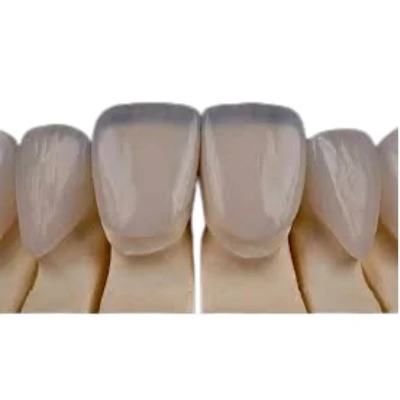
For esthetic cases, especially anterior restorations and dental veneers, scan data alone is not enough. Photos, stump shade, surface texture, translucency, and characterization instructions remain important. A practical reference is How to Communicate Shade to a Dental Lab: Photos, Stump Shade, and Characterization.
Instead of relying mainly on written descriptions or phone conversations, both sides can discuss the same preparation, restorative space, occlusion, proposed design, and supporting records.
For dentists working with laboratories in another city or country, this is particularly important. Digital case transfer removes the need to ship the original physical impression before laboratory review can begin. Dentists using an overseas partner can follow a structured workflow for sending a digital dental case to an overseas lab.
Fewer Physical Intermediate Steps and Better Records
A digital impression can reduce several steps associated with conventional workflows, including impression material handling, model pouring, physical model storage, and transportation of the initial impression.
The amount of time saved depends on how much of the workflow is digital and how the laboratory is organized. Digital dentistry should not be treated as an automatic guarantee of a shorter turnaround time.
The more consistent advantage is data reuse.
Previous scans and designs can provide a baseline when evaluating changes in occlusion, wear, contours, or an existing restoration. If a restoration needs to be repaired or remade, archived information may also reduce the need to recreate every earlier step. This is also relevant to broader strategies for reducing remakes in dental restorations.
That long-term record is one of the less visible but more practical advantages of digital restorative dentistry.
Digital vs. Conventional Restorative Workflows: What Actually Changes?
Digital and conventional dentistry differ primarily in how information is captured, transferred, processed, and stored.
|
Workflow Stage |
Digital Workflow |
Conventional Workflow |
|
Impression |
Intraoral scan or digitized impression |
Physical impression material |
|
Initial case review |
Digital data can be reviewed before production |
Often depends on the physical impression or model |
|
Case transfer |
Electronic file transfer |
Physical shipment |
|
Design |
CAD-based virtual design |
Wax/model-based or conventional design |
|
Manufacturing |
Milling, 3D printing, or hybrid production |
Conventional or partly digital production |
|
Dentist–lab communication |
Scan, photos and prescription can be reviewed together |
Prescription often accompanies physical records |
|
Case storage |
Digital files can be archived |
Physical models and records require storage |
|
Reproduction |
Previous digital data may be reusable |
Earlier physical steps may need to be repeated |
This does not make conventional workflows obsolete.
Physical impressions and conventional laboratory techniques remain useful in clinical practice, and many cases combine both approaches. The most important difference is that a digital workflow creates greater continuity between the clinical data, laboratory design, manufacturing, and stored case record.
The appropriate workflow depends on the case-not on whether one method can be labeled completely digital.
Where Digital Workflows Fit in Restorative Dentistry
Digital dentistry can support many types of restorative treatment, but the information requirements change as the case becomes more complex.
Single Crowns, Bridges, Inlays, Onlays, and Veneers
A single crown provides the clearest example of a routine digital crown workflow.
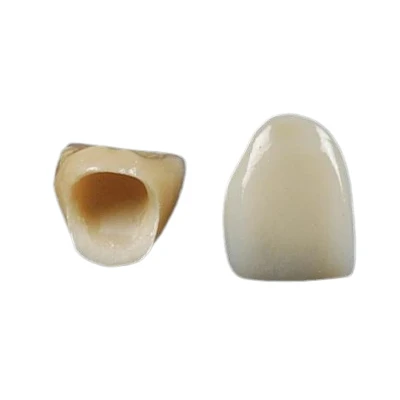
The dentist prepares the tooth, captures the preparation and bite, adds the prescription and shade information, and transfers the case to the dental laboratory. The laboratory reviews the scan, creates the CAD design, manufactures the restoration, completes technician finishing and quality control, and sends it back for delivery.
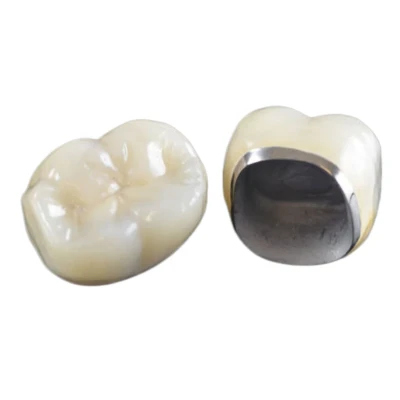
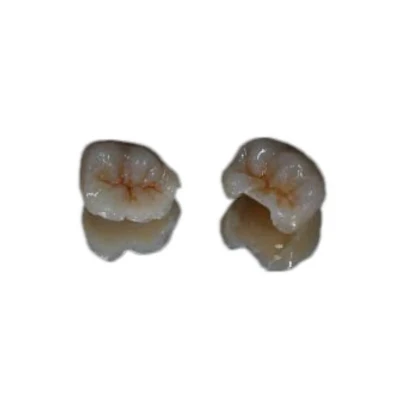
Bridges and crowns fall within the broader category of fixed restorations. Inlays and onlays can follow a similar digital pathway.
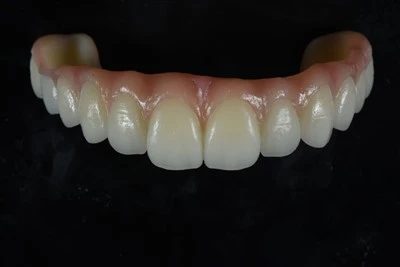
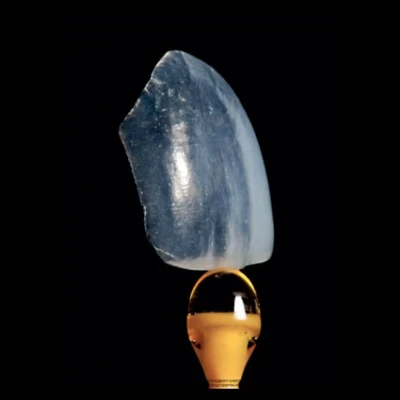
Esthetic restorations often require more information. A scan alone does not communicate surface texture, translucency, characterization, or subtle shade requirements. Clinical photographs, stump shade information, and a detailed prescription remain important.
Implant Restorations
A digital implant workflow adds another layer of information.
The dental laboratory may need the correct implant system, scan body data, component compatibility, soft-tissue information, restorative space, retention preference, and planned emergence profile.
Accurate identification matters because digital implant design depends on matching the clinical scan with the correct implant components and libraries.
Digital technology can simplify data transfer, but it does not reduce the need for precise implant information.
Full-Arch and Other Complex Restorative Cases
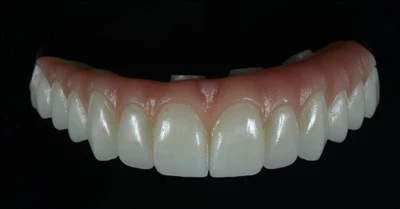
Full-arch rehabilitation, major occlusal changes, and complex esthetic cases can benefit substantially from digital planning.
Digital wax-ups, virtual overlays, provisional restorations, and repeated scans can help the dentist and technician assess proposed changes before the final prosthesis is completed.
The workflow, however, becomes more demanding as case complexity increases.
Changing vertical dimension, managing full-arch occlusion, transferring jaw relationships, and coordinating esthetic and functional objectives require more verification-not less.
Digital tools make complex restorative information easier to visualize and communicate. They do not make complex dentistry automatic.
What Digital Dentistry Cannot Fix: Why Input Quality Still Matters
A digital workflow cannot compensate for incomplete or inaccurate clinical data.
This is one of the most important limitations for dentists to understand.
Common problems include:
- Unclear or contaminated preparation margins;
- Incomplete scans;
- Inaccurate bite records;
- Inadequate restorative clearance;
- Missing clinical photographs;
- Incorrect implant scan bodies;
- Incomplete implant system information;
- Missing shade or stump shade;
- Unclear laboratory prescriptions.
CAD software can work only with the information it receives.
If a margin is not captured accurately, the technician cannot reliably reconstruct the missing clinical detail. If the bite is wrong, a precise milling machine will still manufacture a restoration based on incorrect occlusal information.
Digital dentistry can reduce some sources of material distortion, manual handling, and communication error. It can also make certain problems easier to identify before manufacturing.
It does not replace preparation quality, clinical judgment, technician skill, material knowledge, or laboratory quality control.
The best digital restorative workflow is therefore not the one with the most technology. It is the one in which reliable clinical data is maintained from the first scan through final delivery.
What Dentists Should Expect From a Digital Dental Laboratory
A digital dental laboratory needs more than scanners, CAD software, milling machines, and 3D printers.
Dentists should also evaluate how the laboratory receives, reviews, communicates, manufactures, and quality-checks cases. The same principles apply when evaluating what makes a good dental laboratory.
Important capabilities include:
- Compatibility with commonly used intraoral scanner workflows and digital files;
- Clear digital case submission requirements;
- Experienced CAD designers and dental technicians;
- Appropriate milling and additive manufacturing capabilities;
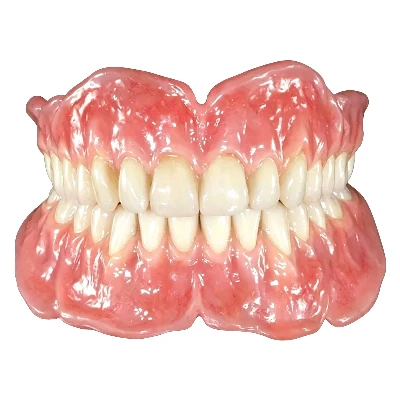
- Technical experience with crowns, bridges, veneers, implants, dentures, and other relevant restorations;
- Reliable communication when information is missing or requires clarification;
- Structured case tracking and quality control.
The laboratory's ability to communicate is particularly important in outsourced cases.
A technician who identifies insufficient clearance or uncertain implant information before manufacturing can prevent a small data issue from becoming a completed restoration that does not meet the clinical requirement.
Digital manufacturing should also remain connected to technician judgment. Final morphology, shade, texture, contacts, occlusion, and surface finishing often require experienced human evaluation even when the underlying design and production are digital.
For dentists using an external laboratory, the strongest digital workflow combines data compatibility, technical expertise, manufacturing capability, communication, and quality control. When production is outsourced, it is also useful to understand how dental lab outsourcing works from case submission to delivery.
FAQs About Digital Dentistry for Restorative Cases
Is digital dentistry more accurate than conventional dentistry?
Digital workflows can reduce some sources of distortion and variation associated with physical materials and repeated handling. However, accuracy depends on the scanner, scanning technique, restoration type, span length, clinical data quality, CAD design, and manufacturing process.
It is more accurate to say that digital dentistry can improve workflow control and consistency rather than assuming it is automatically more accurate in every clinical situation.
Does a digital workflow mean the restoration is fully automated?
No.
Dentists still make the diagnosis, prepare the tooth, select the treatment approach, and evaluate the final restoration. Dental technicians remain responsible for design decisions, material-specific production, esthetic finishing, functional assessment, and quality control.
Automation supports the workflow. It does not replace professional judgment.
Can I send an intraoral scan directly to a dental lab?
In most digital restorative workflows, yes.
The laboratory must support the scanner platform or file format being used and should provide clear instructions for case submission. Dentists should also send the prescription, bite data, photographs, shade information, implant information, and other records required for the specific restoration.
Can digital files be reused for repairs or remakes?
Often, yes.
Archived scans, CAD files, photographs, and previous designs can provide useful reference information for a future repair, remake, or redesign. Whether the original file can be reused directly depends on the restoration, clinical changes since delivery, and the data retained by the laboratory.
Digital dentistry improves restorative cases most effectively when it connects accurate clinical data with careful planning, laboratory design, appropriate manufacturing, technician finishing, quality control, and long-term case records. The benefit is not simply a faster impression. It is a more connected restorative workflow from scan to delivery.
ADS Dental Laboratory Ltd is a full-service digital dental laboratory in Shenzhen, China, providing digital restorative production and long-term dental lab outsourcing for dentists and dental laboratories worldwide. Our workflow supports digital case receiving, CAD/CAM design, milling, 3D printing, implant and full-arch design, technician finishing, and structured quality control. Contact ADS to discuss your digital workflow or submit a restorative case for evaluation.