
Choosing a dental lab in China is not only a price decision.
Most overseas dentists and dental laboratories already understand the attraction: lower production cost, broad restoration options, digital manufacturing capacity, and the ability to outsource repeat cases. The real concern is different.
Will the crown fit?
Will the shade be close enough?
Will the lab understand the prescription?
Will the case arrive before the patient's appointment?
And if the first case needs a remake, who takes responsibility?
A China dental lab can be a strong long-term outsourcing partner, but only if you check the right things before sending your first case. Do not start by asking only for a price list. Price matters, but a low quote has no value if the case comes back with open contacts, unclear occlusion, wrong material, or poor communication.
Before sending your first case to a dental lab in China, check seven areas: case type experience, digital workflow, quality control, communication, turnaround and shipping, material judgment, and remake policy.
These seven checks will tell you far more than a beautiful case photo or a cheap unit price.

1. Check Case Type Experience
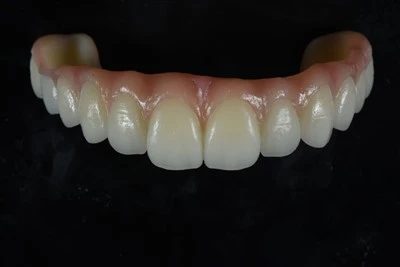
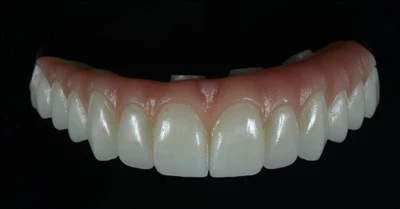
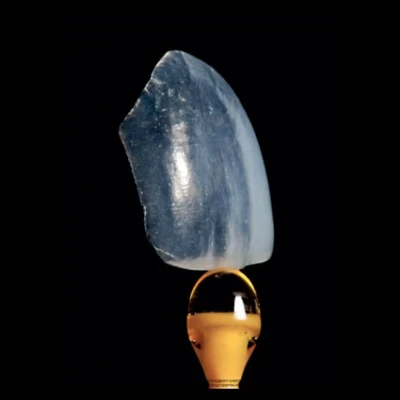
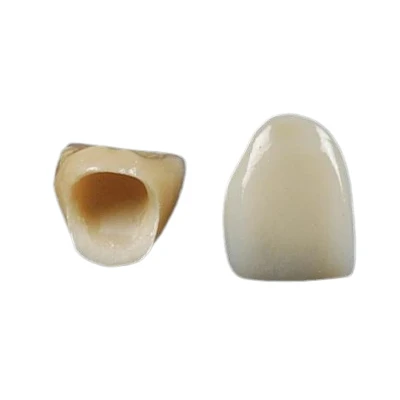
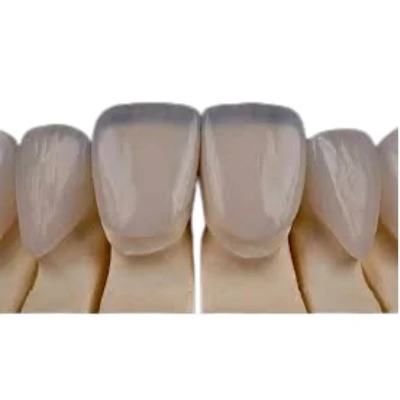
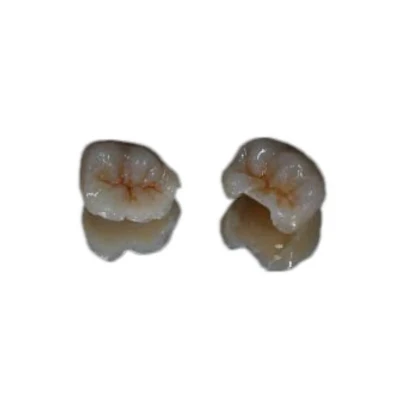
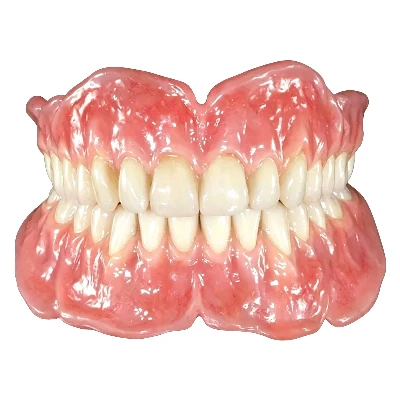
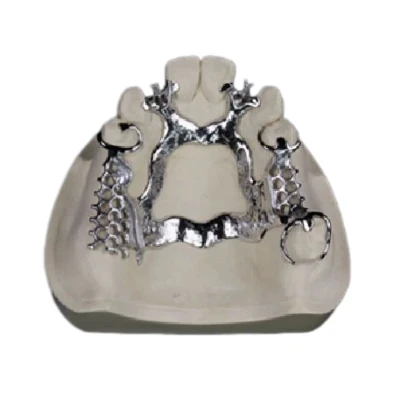
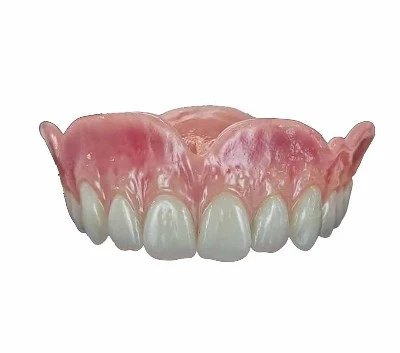
A case type means the specific kind of restoration you plan to send: posterior zirconia crown, anterior veneer, implant crown , full-arch bridge, removable denture, night guard, or another product category.
This matters because not every dental laboratory is strong in every type of work.
A lab that produces stable posterior monolithic zirconia crowns may not be the right partner for high-end anterior layered ceramics. A lab that handles simple crowns every day may struggle with full-arch implant cases if it does not have the right design experience, verification process, and implant component knowledge.
Do not ask only, "Can you make this?"
Ask whether they make that type of restoration regularly.
For example:
|
Case Type |
What You Need to Check |
|
Posterior zirconia crown |
Fit, contact, occlusion, margin accuracy, material strength |
|
Anterior layered ceramic |
Shade control, translucency, space, ceramic layering skill |
|
E.max veneer |
Minimal thickness, preparation design, bonding surface, esthetic detail |
|
Implant crown |
Implant system, connection accuracy, screw channel position |
|
Full-arch / All-on-X |
Passive fit, bite design, verification, staged communication |
|
Removable denture |
Fit, bite registration, tooth setup, acrylic processing |
|
Night guard |
Occlusal design, material thickness, comfort, retention |
A long company history helps, but years alone do not prove case fit. A lab with 15 years in removable dentures may not be the best option for complex screw-retained implant bridges. A newer digital lab with a strong CAD/CAM team may be better for scan-based zirconia and implant restorations.
Look for practical signs of experience. Can the lab explain the usual risks in your case type? Can they tell you what information they need before production? Can they show similar cases? Can they support repeat cases, not just one sample?
A portfolio is useful, but it is not enough.
A portfolio shows what the lab can do on a good day. A test case shows how the lab actually works when your file, your prescription, your deadline, and your communication style are involved.
Before sending your first case, ask:
- Do you handle this case type regularly?
- Which restorations do you produce most often?
- Do you work mainly with dentists, dental laboratories, or both?
- Can my cases be handled through a consistent account workflow or production team?
The safest first case is usually not the most complex one. Start with a routine zirconia crown, small bridge, or standard implant crown. Use it to test fit, contact, occlusion, shade communication, turnaround, packing, and response speed.
If the lab cannot explain its experience in your case type, the price is not the main issue. The risk is.
2. Review Digital Workflow
A digital dental workflow means the process of receiving scan files, checking the prescription, designing the restoration, confirming unclear details, manufacturing the case, inspecting it, and preparing it for shipment.
It is not just "we accept STL files."
That sentence is too easy.
A reliable digital dental lab in China should be able to explain how your file moves from submission to final restoration. Who receives the file? Who checks the margin? Who reviews the design? When does production start? Who contacts you if something is missing?
These details decide whether your first case runs smoothly.
File Formats and Scanner Compatibility
Before you send digital scans, confirm which file formats the lab accepts.
Common formats include:
STL: widely used for scan geometry
PLY: can include color data, depending on the scanner
OBJ: can also support color and texture information in some workflows
You should also ask whether the lab can receive files from common scanner platforms or exported files from systems such as:
- 3Shape
- Medit Link
- iTero
- Dentsply Sirona
- Exocad-related workflows
Some labs can receive cases directly through scanner platforms. Others may ask you to export files and send them through email, cloud link, Dropbox, WeTransfer, or a case submission form.
That is normal. What matters is that the lab gives clear instructions.
If a lab simply says "send us the scan" but does not specify file format, prescription details, shade information, material choice, or implant data, the workflow is not ready for reliable outsourcing.
Case Information the Lab Should Confirm
A scan file alone is not a complete case.
A digital case should usually include:
- tooth number
- restoration type
- material
- shade
- margin information
- occlusion requirements
- contact preferences
- implant system, if applicable
- abutment or scan body details
- screw-retained or cement-retained design
- special instructions from the doctor
For implant cases, missing information can cause real problems. A scan body without the correct implant system information may delay the design. A screw channel positioned through an esthetic surface may need discussion before production. A cement-retained design may require different abutment planning than a screw-retained design.
For anterior cases, shade communication is often more important than the file itself. A single shade tab photo under poor lighting can mislead the ceramic team. If the case involves stump shade, limited space, or high esthetic demand, the lab should ask for better photos or more instructions.
Design Review Before Production
A good digital workflow catches problems early.
If the scan shows limited occlusal space, the lab should not blindly mill the crown. If the margin is unclear, the designer should flag it. If the selected material does not match the preparation space or esthetic requirement, the lab should say so before the case enters production.
This is where a China dental lab becomes more than a low-cost manufacturer.
For example, if a posterior crown has very limited clearance, the lab may suggest adjusting the design, changing material, or confirming whether the dentist can create more space. If an anterior crown has a dark stump and the prescription asks for a highly translucent material, the lab should raise the shade risk before fabrication.
Modern CAD/CAM systems, milling machines, 3D printers, and sintering furnaces are useful. But equipment does not replace judgment.
The real value of a digital workflow is error prevention before production starts.
3. Ask About Quality Control
Quality control, or QC, is the system a lab uses to prevent, detect, and correct errors during production.
Many labs say they have QC. That does not tell you much.
You need to know where QC happens, who performs it, and what they check. A final glance before packing is not a quality control system. It is damage control.
For overseas dental lab outsourcing, QC must start before the case is made.
QC Should Start Before Production
The first QC step is case intake.
When the lab receives your case, someone should check whether the file and prescription make sense. This includes scan quality, margin clarity, tooth number, material, shade, implant information, and any special design instructions.
If the intake team misses a problem, the rest of the workflow may produce a clean-looking but wrong restoration.
A zirconia crown can be beautifully polished and still have poor contact. An implant crown can look fine and still have the wrong connection. An anterior case can be technically complete and still fail because the shade information was weak from the start.
Early QC is cheaper than remake.
Key QC Points to Ask About
A reliable lab should be able to describe QC across the production chain.
|
QC Stage |
What Should Be Checked |
|
Case intake |
Prescription, scan quality, tooth number, material, shade |
|
Design review |
Margin, emergence profile, contact, occlusion, connector design |
|
Milling / printing |
Fit accuracy, machine output, material block/disc selection |
|
Sintering / crystallization |
Furnace program, shrinkage control, material handling |
|
Finishing |
Surface texture, anatomy, contour, polishing |
|
Staining / glazing |
Shade match, translucency, characterization |
|
Final inspection |
Fit, contact, occlusion, shade, cracks, surface quality |
|
Packing |
Protection during international shipping, labeling, case documents |
For a single crown, the main QC points are usually fit, contact, occlusion, shade, and margin. For bridges, connector design and passive seating become more important. For implant restorations, component compatibility and screw channel position must be checked carefully.
Ask specific questions.
Do not ask, "Do you have QC?"
Ask, "How do you check fit, contacts, and occlusion before shipping?"
Ask, "Who reviews implant case design before milling?"
Ask, "What happens if the designer finds unclear margins or missing implant information?"
The answers will tell you whether the lab has a real process or only a sales phrase.
In-House Production and Team Consistency
One more question is worth asking: does the lab manufacture the case in-house, or does it outsource some work to another facility?
This matters because responsibility becomes unclear when cases move through several hands. It can affect turnaround time, QC control, and remake discussion.
For regular outsourcing, consistency also matters. If your cases are handled by a different team every time, quality may vary. A good account workflow, fixed communication channel, or stable technical team can reduce variation, especially for repeat cases from the same clinic or dental laboratory.
For long-term cooperation, consistency is more valuable than one impressive sample.

4. Test Communication
Communication is part of quality control.
For an overseas dental lab, good communication does not simply mean fast English replies. It means the lab understands dental details well enough to prevent mistakes.
A polite customer service person who cannot understand margin, occlusion, shade, implant system, or material selection will not protect your case. The communication team does not need to be the technician, but they must know when to involve the designer or production team.
Technical Communication Matters More Than Simple Replies
Before sending your first case, test how the lab answers technical questions.
Ask about a real scenario. For example:
What do you need for a screw-retained implant crown?
What do you do if the scan margin is unclear?
Can you advise between monolithic zirconia and E.max for this case?
How do you handle shade photos for anterior crowns?
Can I approve the design before production for complex cases?
Weak labs often reply with short, safe answers: "Yes, we can do it."
Better labs ask follow-up questions.
They may ask for implant system details, scan body information, stump shade, bite record, preparation photos, or preferred occlusal contact. This is not slow service. This is risk control.
If a case has a problem, silence is expensive. A lab that asks early can save days later.
Time Zone and Response Workflow
Time zone differences are real. A message sent in the afternoon in the United States may reach the lab after working hours in China. If the case needs confirmation and both sides reply once per day, a small question can delay production by 24 hours.
This does not mean outsourcing cannot work. It means the workflow must be disciplined.
Send complete information from the beginning. Use a case checklist. Mark urgent cases clearly before production starts. For complex work, ask whether design approval is needed before milling or printing.
Also check how the lab provides updates. Some customers prefer email. Others use WhatsApp, WeChat, online portals, or account managers. The channel matters less than the response quality.
The lab should tell you when the case is received, when information is missing, when production starts, and when the case ships.
Questions to Test Before the First Case
Before you send work, ask questions that reveal how the lab thinks:
- Which file formats do you accept?
- What information do you need for implant cases?
- How do you handle unclear margins?
- Who confirms design questions before production?
- How do you update customers on case progress?
- What is your usual response time during working days?
- How do you handle urgent cases?
A dental lab that communicates clearly before payment is more likely to communicate clearly when a case becomes difficult.
5. Confirm Turnaround and Shipping
Turnaround time means the time required to complete a case. In international outsourcing, this term is often misunderstood.
A lab may say a crown takes three working days. That usually means production time, not total delivery time to your clinic or lab.
For overseas cooperation, you need to calculate the whole path: case confirmation, design review, production, QC, packing, international shipping, customs clearance, and local delivery.
A three-day crown is not a three-day delivered case.
Production Time vs. Total Delivery Time
Ask the lab this question:
How many days from confirmed case to delivery?
That wording matters.
"Confirmed case" means all files, photos, shade, material choice, implant details, and design instructions are complete. If the lab is still waiting for shade photos or implant system information, the clock has not really started.
The time needed also depends on case type.
|
Case Type |
Time Risk |
|
Routine posterior crown |
Usually predictable if scan and prescription are complete |
|
Small bridge |
Needs connector and fit review |
|
Anterior crown / veneer |
Shade and esthetic communication may add time |
|
Implant crown |
Component confirmation can delay production if missing |
|
Full-arch case |
Design review and approval can add several steps |
|
Removable case |
Physical records and bite information may affect timing |
Do not pressure every case into a rush timeline. Some restorations need more checking time.
Rush Case Policy
Rush cases happen. A patient has a fixed appointment. A previous restoration failed. A remake needs to move quickly.
A good lab should have a rush policy, but rush should not become the normal workflow.
When every case is urgent, the lab has less room for design review, ceramic finishing, staining, glazing, and final QC. That is where mistakes enter.
Ask:
- Do you accept rush cases?
- Which case types can be rushed?
- Is there an extra charge?
- Will rush affect design approval or QC?
- What is the latest cut-off time for urgent cases?
A stable production schedule is usually better than constant emergency handling.
Shipping, Tracking, and Documentation
International shipping is part of the service, not an afterthought.
Ask which carriers the lab uses. Common options include DHL, FedEx, and UPS. Also ask whether the lab provides tracking numbers, shipping updates, customs documents, and protective packaging.
Packing matters more than many customers think. A delicate anterior case, implant components, printed models, and removable appliances all need different protection. Poor packing can turn a well-made case into a remake discussion.
For regular cooperation, check how the lab groups shipments. Some customers prefer shipping each case as soon as it is finished. Others group cases to reduce shipping cost. Both can work, but the arrangement must match your appointment schedule and business model.
Reliable delivery is not only about speed. It is about predictability.
6. Ask About Materials and Indications
Dental material indication means whether a material is suitable for a specific clinical and technical situation.
This is where many buyers ask the wrong question. They ask, "What is your zirconia price?" when they should also ask, "Which zirconia do you use, and when do you recommend it?"
Material choice affects strength, shade, thickness, preparation design, esthetics, and remake risk.
Material Source and Documentation
For overseas outsourcing, material traceability matters.
Ask what brands or material systems the lab uses for zirconia, lithium disilicate, PMMA, metal, or implant-related components. Depending on your market and case type, you may also need documentation such as material information, quality system details, or compliance-related records.
Be careful with vague answers like "high quality zirconia" or "German material" without details.
You do not need to turn every first conversation into a regulatory audit. But the lab should be able to explain what materials are used and what documents can be provided when needed.
This is especially relevant if you are a dental laboratory outsourcing work under your own brand. Your customers may ask you where the material came from. You need answers before there is a problem.
Common Materials to Discuss
The lab should understand the materials it offers, not just list them.
|
Material |
Common Use |
What to Watch |
|
Monolithic zirconia |
Posterior crowns, bridges, high-strength cases |
Shade depth, occlusal design, polishing |
|
Layered zirconia |
Esthetic anterior or visible cases |
Space requirement, chipping risk, ceramic skill |
|
Lithium disilicate / E.max |
Veneers, inlays, onlays, anterior crowns |
Preparation design, thickness, stump shade |
|
PFM |
Some markets still use it for strength and cost balance |
Metal margin, porcelain chipping, shade limits |
|
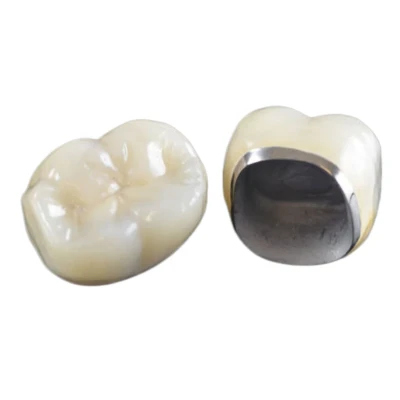
PMMA temporary |
Temporary crowns, bridges, provisional restorations |
Fit, strength, occlusal wear, duration of use |
The point is not to write a material textbook. The point is to see whether the lab can guide the material decision based on case conditions.
Why Indication Judgment Matters
A reliable lab should flag obvious risks.
If there is not enough occlusal clearance, the lab should say so. If the stump shade is dark and the prescription asks for a highly translucent material, the lab should warn about the final color. If a long-span bridge has weak connector dimensions, the design team should not ignore it.
Implant cases need special attention. The lab should confirm implant system, scan body, abutment type, connection, screw channel direction, and whether the restoration is screw-retained or cement-retained.
A lab that simply follows every instruction without question may seem easy to work with at first. It can become expensive later.
Material knowledge is not only about certificates. It is about knowing when a material is right for the case.
7. Understand Remake Policy
A remake policy explains what happens when a restoration must be remade or adjusted because of fit, shade, fracture, material, prescription, scan, design, or shipping problems.
Do not wait until a case fails to ask about it.
By then, the patient is waiting, the doctor is unhappy, and both sides may start defending themselves instead of solving the problem.
Discuss Remake Rules Before Problems Happen
Before sending your first case, ask the lab to explain its remake policy in plain language.
You need to know:
- Which cases are covered?
- Which cases are not covered?
- Is there a time limit?
- Who pays remake shipping?
- What evidence is required?
What happens if the issue comes from scan quality or incomplete prescription?
What happens if the issue comes from lab production?
Different labs handle remakes differently. Some cover production issues but not clinical adjustment errors. Some require photos or returned models. Some charge if the original prescription was incomplete.
The key is not that every remake must be free. The key is that the rules are clear before the first case.
Common Remake Scenarios
Most remake discussions fall into a few categories:
|
Remake Issue |
Possible Cause |
|
Poor fit |
Scan distortion, margin issue, design error, production error |
|
Open or tight contact |
Design setting, model issue, adjacent tooth change |
|
High occlusion |
Bite record issue, design issue, clinical change |
|
Shade mismatch |
Weak shade photos, stump shade, material choice, ceramic process |
|
Ceramic fracture |
Material selection, thickness, occlusion, processing |
|
Wrong material |
Prescription error or lab communication error |
|
Shipping damage |
Packing issue or carrier handling |
|
Implant mismatch |
Missing or incorrect implant system information |
These cases are not always simple. A shade issue may come from poor photos, wrong material selection, or ceramic execution. A fit issue may come from scanning, design, milling, sintering, or clinical conditions.
That is why documentation matters.
Evidence and Feedback Loop
A good remake process uses evidence, not emotion.
The lab may need photos, scan files, models, clinical notes, original prescription, or doctor feedback. For dental laboratories outsourcing to China, technician feedback from your side can also help identify whether the problem is fit, contact, shade, or design-related.
The best labs use remake feedback to prevent repeat problems. If three cases from the same account come back with tight contacts, the setting may need adjustment. If anterior cases often miss shade, the photo protocol may need improvement. If implant cases are delayed, the case submission checklist may need to be clearer.
After-sales service is not just being nice after something goes wrong. It is a system for solving the problem and reducing the chance that it happens again.
A clear remake policy makes the first case less risky.

Conclusion
Choosing a dental lab in China should not start and end with price.
Before you send your first case, check whether the lab regularly handles your case type, whether its digital workflow is clear, how it controls quality, how it communicates, how it calculates turnaround and shipping, how it chooses materials, and how it handles remakes.
That is the real test of a China dental lab.
The best way to begin is with a controlled test case. Do not start with the most difficult full-arch or high-esthetic case unless you already know the lab well. Send a routine crown, small bridge, or standard implant crown first. Then evaluate fit, contact, occlusion, shade communication, delivery time, packing, and problem-solving.
ADS dental laboratory Ltd is a China digital dental laboratory focused on custom dental restorations[4] for overseas dentists and dental laboratories. If you are looking for a long-term dental lab outsourcing partner, you can start with a test case and evaluate the workflow before scaling up.

FAQ
Is it safe to outsource dental cases to a China dental lab?
Yes, but only if the lab has a clear workflow. You should check case type experience, digital file handling, QC process, material traceability, communication, shipping, and remake policy before starting. The safest approach is to begin with a test case instead of sending complex or high-volume work immediately.
How do I send digital scans to a dental lab in China?
Most digital dental labs accept STL files. Some also accept PLY or OBJ files. Depending on the lab, you may send scans through scanner platforms such as 3Shape, Medit Link, or iTero, or by exporting files and sending them through email, cloud link, Dropbox, WeTransfer, or a case submission form. Always include shade, material, margin, occlusion, implant details, and special instructions.
What should I ask before choosing a dental lab in China?
Ask practical questions, not only sales questions:
- Do you handle this case type regularly?
- Which file formats do you accept?
- How do you check fit, contacts, and occlusion?
- What material brands do you use?
- What is your total delivery time from confirmed case to arrival?
- What is your remake policy?
The answers will show whether the lab understands real case management.
What is a reasonable turnaround time for overseas dental lab cases?
It depends on the restoration type, case complexity, design approval, and shipping method. A routine crown may move faster than an anterior esthetic case, implant restoration, or full-arch case. Always separate production time from total delivery time. Ask the lab how long it takes from confirmed case to delivery, not just how long it takes to make the crown.
Should I send a test case before regular cooperation?
Yes. A test case is the best way to evaluate a new China dental lab. It shows more than product quality. It tests communication, file submission, design review, production timing, packing, shipping, and problem-solving. Start with a routine case before moving to complex restorations or regular outsourcing.
Should I choose the cheapest dental lab in China?
Not usually. Very low prices often come with trade-offs: cheaper materials, less design review, weaker QC, slower communication, or unclear remake responsibility. A good outsourcing price should allow the lab to use reliable materials, skilled technicians, proper inspection, and stable service.
What documents should I ask a China dental lab to provide?
Depending on your market and case type, you may need material information, material brand details, quality system information, or compliance-related documents. Ask the lab what documentation it can provide before starting regular cooperation. This is especially useful if you are a dental laboratory outsourcing under your own brand.
Can a China dental lab work with both dentists and dental laboratories?
Yes, but the cooperation model should be clear. Dentists usually care most about clinical communication, patient appointment timing, and individual case quality. Dental laboratories often care more about batch stability, white-label outsourcing, pricing structure, and repeatable delivery. A suitable China dental lab should understand the needs of both customer types.