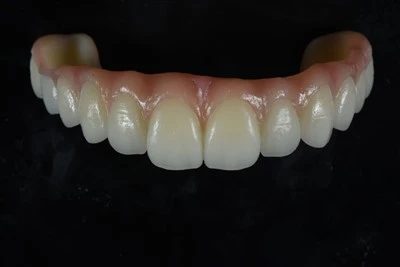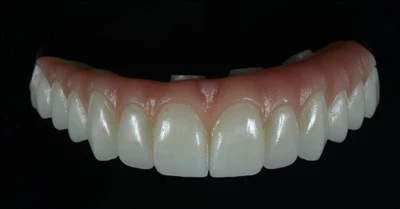
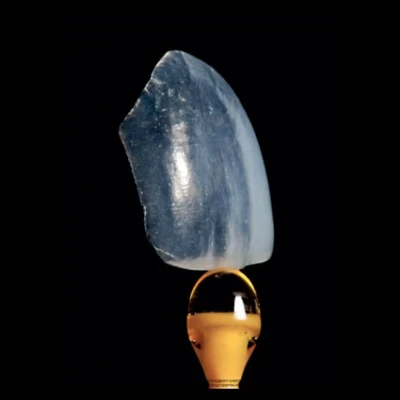
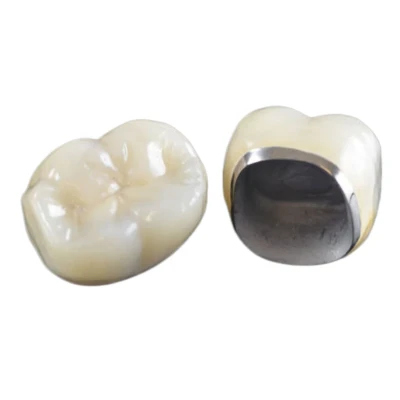
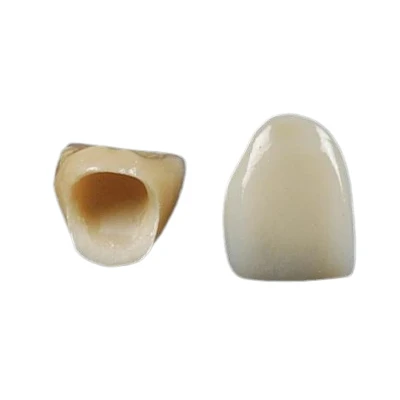
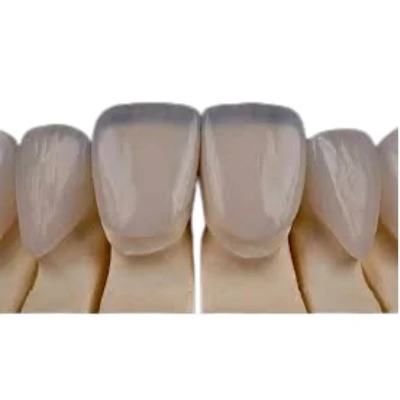
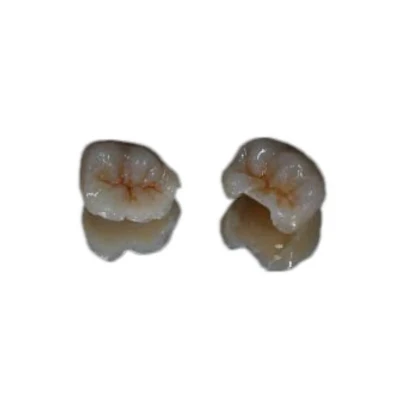
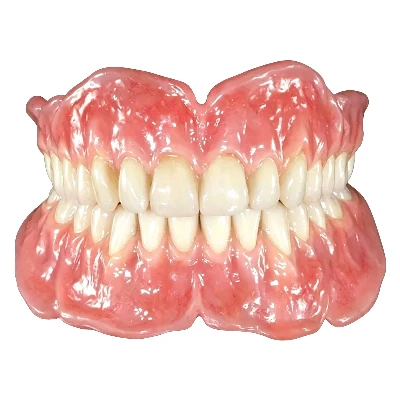

China dental lab outsourcing is a business model in which an overseas dental laboratory sends selected design, manufacturing, or complete restoration cases to a production partner in China. The goal is not limited to reducing unit costs. A well-managed outsourcing program can add capacity, expand product coverage, and help a local laboratory handle demand without immediately increasing equipment or staffing.
The results depend on the workflow behind the order. Supplier verification, trial cases, clear prescriptions, quality control, shipping, and remake management all matter.

Why Dental Labs Outsource Production to China
Dental laboratories usually consider outsourcing when internal production can no longer meet commercial or technical demands. A laboratory may have enough work to justify more capacity but not enough certainty to invest in another milling machine, printing system, or full technical team.
Outsourcing can also help during seasonal peaks, staff shortages, equipment downtime, or rapid customer growth. Instead of turning away work, the local laboratory can transfer selected production stages to an overseas partner while keeping case planning, customer communication, and final inspection in-house.
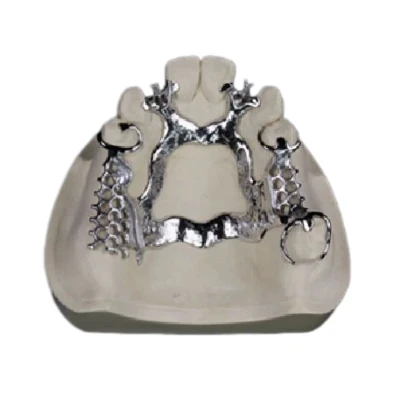
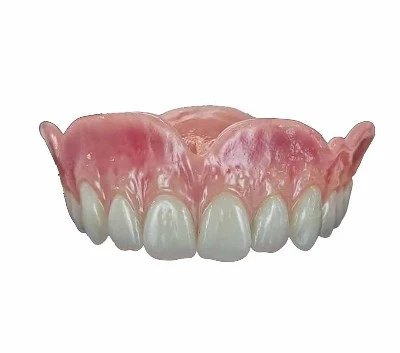
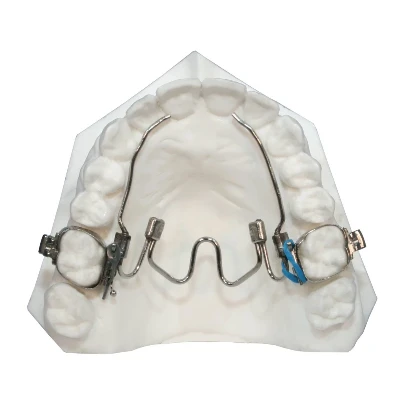
Another reason is product coverage. A crown-and-bridge laboratory may need support with removable dentures, implant restorations[2] , CAD design, printed models, or full-arch cases. Working with a capable Chinese dental laboratory allows the business to offer these services without building every department internally.
Some buyers report production cost differences of 30% to 50% compared with local laboratory pricing. That figure should not be treated as a guaranteed saving. The real result depends on the restoration type, order volume, international shipping, import charges, chairside adjustment, remakes, and internal inspection time.
The right comparison is total outsourcing cost, not unit price.
China dental lab outsourcing works best when it supports a defined capacity or technical need. It performs poorly when the only selection criterion is the lowest quotation.
Step 1: Define What Your Dental Lab Should Outsource
Before contacting suppliers, decide which work should leave your facility and which work should remain under direct control.
Standardized cases are usually the best starting point. Posterior zirconia crowns , simple bridges, routine CAD design, and repetitive crown-and-bridge work are easier to evaluate because the acceptance criteria are clear. These cases also reveal whether the outsourcing partner can reproduce contacts, occlusion, margins, and morphology consistently.
Complex cases require a more cautious approach. Single anterior restorations, layered ceramic work, difficult implant cases, and full-mouth rehabilitation depend heavily on clinical photographs, design judgment, occlusal planning, and technician interpretation. They can be outsourced, but they should not be the first cases used to test a new relationship.
Cases Suitable for Early Outsourcing
|
Case type |
Suitability for an initial trial |
Main reason |
|
Posterior zirconia crown |
High |
Clear fit, contact, and occlusion criteria |
|
Simple three-unit bridge |
High |
Tests connector design and multi-unit accuracy |
|
Routine CAD design |
High |
Easy to review before manufacturing |
|
Anterior veneer or layered crown |
Moderate |
Requires stronger shade and morphology alignment |
|
Implant crown |
Moderate |
Requires correct library, platform, and emergence profile |
|
Full-arch restoration |
Low |
High technical and communication risk |
|
Urgent same-week case |
Low |
International shipping leaves little recovery time |
Your internal plan should also define monthly volume, preferred materials, required turnaround, model requirements, packaging, and the cases that need design approval before production.
Cost planning should include more than the product quotation:
- CAD or model fees
- International courier charges
- Import duties or local handling fees
- Local quality inspection
- Adjustments and remakes
- Currency fluctuation
- Delays that affect downstream customers
A clear outsourcing scope makes supplier comparison more accurate. It also prevents a common mistake: sending a mixed group of difficult cases before either side has established a stable workflow.
Step 2: Choose a Reliable Dental Lab in China
A reliable China dental lab should be evaluated as a production partner, not as an anonymous vendor.
Start by confirming the legal company name, production address, export experience, and actual manufacturing location. Ask whether the restorations are made in the company's own facility or subcontracted to another laboratory. Undisclosed subcontracting weakens material traceability, quality control, and responsibility when a problem occurs.
Documentation should also be checked carefully. Depending on the destination market and product category, a supplier may provide quality-system certificates, material documentation, manufacturing records, or market-specific regulatory information. Verify that the company name, address, validity period, and scope match the proposed service.
Certificates support supplier qualification. They do not prove that every restoration will fit.
Evaluate Technical Capability
A capable outsourcing partner should be able to explain:
- Which restorations and materials are produced in-house
- Which digital file formats and scanner systems are supported
- Whether Exocad, 3Shape, or other CAD systems are used
- How complex designs are reviewed
- How materials are identified and traced
- What monthly capacity is available
- How equipment failures and holiday closures are handled
- Which inspections occur before final packaging
Do not judge capability from an equipment list alone. A laboratory may own modern milling machines and still lack stable design standards, trained technicians, or a disciplined quality process.
Ask how the lab records recurring failures. Strong suppliers track remake causes, identify patterns, and change procedures when the same problem appears repeatedly.
Protect Your Lab-to-Lab Business
A dental lab outsourcing partner may be producing work for your customers under your brand. Commercial protection is therefore part of supplier qualification.
Confirm whether the laboratory can provide:
- White-label packaging
- Customer-specific case labels
- Non-disclosure of your customer list
- No direct marketing to your downstream clinics
- No use of case photographs without permission
- Advance notice before changing materials or production locations
- Written disclosure of any subcontracted work
These points are especially important for long-term lab-to-lab outsourcing. A technically competent supplier is not suitable if it creates commercial risk for your customer relationships.

Step 3: Start With a Controlled Trial Order
A trial order should test the entire outsourcing system, not just one restoration.
Begin with a small group of representative digital cases. Posterior single crowns and a simple bridge are usually enough to test file transfer, prescription review, CAD interpretation, production accuracy, communication, packaging, and delivery.
Once the basic workflow is stable, add more demanding products such as anterior restorations, implant crowns, removable appliances, or cases requiring design approval.
Set the evaluation criteria before the cases are sent. Otherwise, feedback becomes subjective and difficult to compare.
A useful trial scorecard should cover:
- Margin fit
- Proximal contacts
- Occlusion
- Shade and surface finish
- Anatomy and morphology
- Turnaround time
- Communication accuracy
- Packaging quality
- Chairside adjustment
- Remake response
Review the trial with the technicians who inspect the incoming work and, where possible, the clinical team that seats the restorations. A crown may appear acceptable on a model but still require excessive adjustment in the mouth.
One successful case is not enough.
Repeat the trial across several batches before moving a large volume of work. Consistency under normal production conditions matters more than one exceptional result.
Step 4: Set Up the Case Submission and Confirmation Workflow
A case submission workflow is the standardized method used to send scans, prescriptions, photographs, and technical instructions to the manufacturing laboratory.
Digital cases are generally more efficient for international outsourcing because files can be transferred immediately. Physical impressions remain possible, but they add packaging, shipping time, and the risk of distortion or damage.
Digital Scans vs. Physical Impressions
|
Factor |
Digital case |
Physical case |
|
Submission method |
Secure portal or file transfer |
International courier |
|
Typical records |
STL or PLY files, photos, prescription |
Impression, bite, model, wax-up |
|
Intake speed |
Usually immediate |
Dependent on shipping |
|
Main risks |
Missing scan data, poor margins, incorrect bite |
Distortion, damage, incomplete disinfection, delay |
|
Design review |
Easy to share remotely |
Often requires model arrival |
|
Best use |
Routine cross-border workflow |
Cases requiring physical records |
Digital submission does not automatically guarantee accuracy. The scan must show clear margins, complete preparation surfaces, sufficient soft-tissue detail, and a reliable bite. The laboratory must also be able to open the file correctly and use the required implant library.
Each case should include the information needed to make production decisions:
- Upper and lower scans
- Bite scan
- Tooth number
- Restoration type
- Material
- Shade
- Margin information
- Contact and occlusal preferences
- Implant system, platform, and component information
- Stump shade when relevant
- Clinical and shade photographs
- Special design instructions
- Required delivery date
After receiving the case, the laboratory should confirm the restoration type, material, shade, file completeness, available clearance, design approval requirement, production time, and shipping plan.
Critical information should never be guessed.
A structured intake process prevents avoidable remakes and stops incomplete cases before they enter production.

Step 5: Understand Production and Quality Control
A typical digital dental outsourcing workflow combines CAD/CAM manufacturing with manual technical finishing.
The process normally begins with file review and case creation. A technician then designs the restoration in dental CAD software. Depending on the product, the design may be milled, printed, cast, pressed, or used to produce a framework.
Zirconia restorations require milling and sintering. Lithium disilicate may require milling followed by crystallization. Implant cases may involve custom abutments, titanium bases, screws, and separate component checks. Esthetic restorations may require staining, glazing, cutback, layering, or manual polishing.
CAD/CAM improves repeatability, but software does not make clinical decisions. Final fit, contour, emergence profile, surface texture, and shade still depend on technician judgment.
Quality-Control Checkpoints
A reliable China dental lab quality-control system should inspect the case at several stages.
Case intake
- File completeness
- Clear margins
- Bite accuracy
- Prescription consistency
- Material and component availability
CAD design
- Minimum thickness
- Margin placement
- Proximal contact
- Occlusal clearance
- Connector dimensions
- Screw-channel position
- Emergence profile
Production
- Milling or printing integrity
- Framework distortion
- Surface defects
- Material identification
- Correct case number
Final inspection
- Margin fit
- Contacts
- Occlusion
- Shade and translucency
- Surface texture
- Implant component compatibility
- Accessory completeness
- Cleanliness and packaging
Final inspection alone is not enough. Once an incorrect design has been milled, finished, and shipped, the cost of correction is already high.
Quality control is strongest when errors are caught before the next production stage.
Step 6: Plan Turnaround and International Shipping
Turnaround time should be divided into production time and delivery time.
Straightforward digital crown-and-bridge cases may require approximately three to five business days of in-lab production. International courier delivery may add another three to six business days, depending on destination, courier service, customs clearance, and dispatch frequency.
These figures are planning ranges, not universal promises.
Anterior esthetic cases, implant restorations, removable dentures, full-arch work, and cases requiring design approval may take longer. Chinese public holidays, especially the Spring Festival period, can also affect production and logistics.
Ask the supplier to provide separate estimates for:
- Case review
- CAD design
- Customer approval
- Manufacturing
- Final inspection
- Dispatch schedule
- International shipping
Shipping arrangements should be agreed before the first order. Confirm the courier, weekly pickup schedule, tracking method, customs documentation, packaging standards, and the use of a customer courier account where applicable.
For lab-to-lab work, packaging should also match your commercial model. The parcel should contain a clear case list and should not include the production laboratory's marketing material unless agreed.
International shipping is not a minor final step. A restoration that is completed on time but dispatched late is still a late case.
Step 7: Agree on Adjustment and Remake Rules
Remakes are unavoidable in dental production, but confusion about responsibility is avoidable.
A written remake policy should define the reporting window, required photographs, scan or model records, production time, replacement cost, and responsibility for international freight.
Common laboratory-related reasons may include:
- Incorrect execution of a confirmed design
- Manufacturing defects
- Wrong material or shade
- Incorrect implant component
- Damage caused before dispatch
- Failure to follow written instructions
Other cases may result from incomplete scans, unclear margins, inaccurate bite records, preparation changes, or new clinical requirements. These should be reviewed separately rather than automatically assigned to either party.
Design approval also changes responsibility. When a customer has approved a visible margin, screw-channel position, or reduced clearance solution, the approval record should remain attached to the case.
Feedback must be specific. "The crown does not fit" is less useful than photographs and notes showing whether the problem involves the margin, proximal contact, internal surface, insertion path, or occlusion.
A good remake process does more than replace the case. It identifies why the problem occurred and prevents the same failure from repeating.
Step 8: Build a Stable Long-Term Lab-to-Lab Partnership
A long-term dental lab partnership requires operating rules that remain clear as volume grows.
Both laboratories should appoint a fixed contact. The case coordinator should understand dental terminology, identify missing information, communicate with CAD and production teams, track dispatch, and manage complaints. A salesperson who cannot resolve technical questions is not enough.
- Service terms should cover:
- Standard response time
- Design approval process
- Production turnaround
- Shipping frequency
- Holiday planning
- Payment cycle
- Remake handling
- Data retention
- Customer protection
- Subcontracting restrictions
- Material or process changes
Performance should be reviewed with measurable data rather than general impressions.
Useful indicators include:
|
KPI |
What it measures |
|
On-time delivery rate |
Reliability of production and dispatch |
|
First-pass acceptance rate |
Cases accepted without remake |
|
Adjustment rate |
Amount of local correction required |
|
Remake rate |
Frequency of full reproduction |
|
Average response time |
Communication efficiency |
|
Shipping damage rate |
Packaging and logistics control |
|
Repeated defect categories |
Effectiveness of corrective action |
|
Urgent-case success rate |
Ability to handle priority work |
Volume should increase gradually. First validate routine cases. Then introduce more complex products. After that, test higher monthly volume and peak-season capacity.
Do not move all production to one supplier immediately. Maintain a contingency plan for logistics disruption, equipment failure, material shortages, or holiday closures.
The strongest outsourcing relationships are built on repeated acceptable results, transparent feedback, and measurable improvement.

Conclusion
China dental lab outsourcing gives overseas dental laboratories a practical way to add capacity, control selected production costs, and expand their restoration services. The process is successful when the buyer defines the right cases, verifies the supplier, starts with a controlled trial, standardizes case submission, and tracks quality and delivery performance.
The goal is not simply to find a low-cost manufacturer. It is to build a production workflow that remains stable as case volume grows.
ADS dental laboratory Ltd is a China-based digital dental lab providing custom restoration outsourcing services for overseas dentists and dental laboratories. Contact our team to discuss your product requirements, digital workflow, expected case volume, and trial order.
FAQ
How much can a dental lab save by outsourcing to China?
Some buyers report production price differences of around 30% to 50%. Net savings depend on product type, order volume, international shipping, import costs, local inspection, adjustments, and remakes. Compare total landed and operational cost rather than the quoted unit price.
How long does dental lab outsourcing to China take?
A straightforward digital crown or bridge may require roughly three to five business days in production, with international delivery adding another three to six business days. Complex cases, design approval, customs, and holidays can extend the total time.
Can Chinese dental labs accept intraoral scan files?
Most digital laboratories accept common formats such as STL and PLY. Compatibility should still be confirmed for scanner platforms, implant libraries, bite files, photographs, and any proprietary design data.
Which cases should be included in a trial order?
Start with information-complete posterior crowns and a simple bridge. These cases provide clear fit, contact, and occlusion criteria. Add anterior, implant, removable, and full-arch cases only after the basic workflow has been validated.
How should remakes be handled?
The laboratory and buyer should agree in writing on the reporting period, evidence required, responsibility, production fee, shipping cost, and turnaround. Each remake should also be classified by cause so repeated problems can be corrected.