

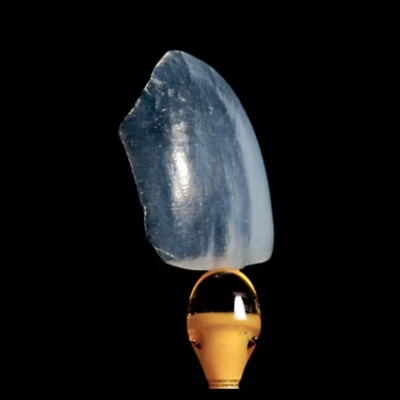
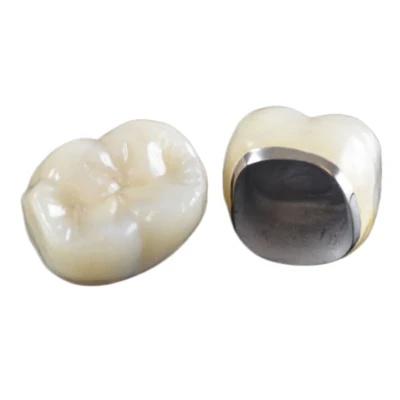
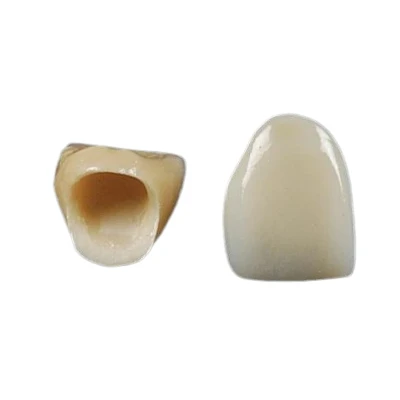
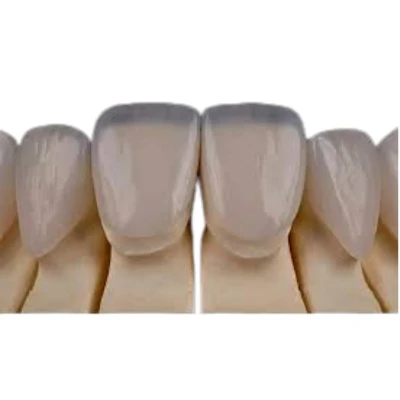
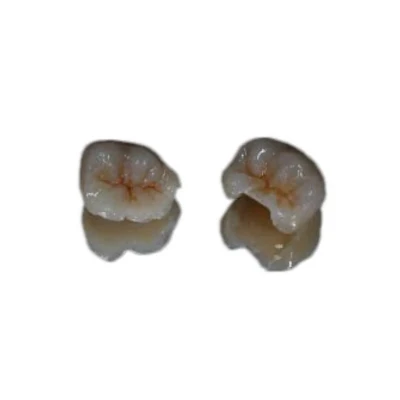



ADS Dental Lab Ltd. is one of the most experienced manufacturers and suppliers of cad/cam milled zirconia crowns in China, featured by quality products and low price. Please feel free to wholesale customized cad/cam milled zirconia crowns made in China here from our factory. For quotation, contact us now.
CAD/CAM milled zirconia crowns are custom dental restorations designed digitally and manufactured from dental-grade zirconia using computer-aided design and computer-aided manufacturing technology. The workflow combines digital crown design, CAM-controlled milling, zirconia sintering, technician finishing, and final quality inspection.
For dentists and dental laboratories, the value of CAD/CAM production is not simply that a machine mills the crown. A reliable digital workflow allows important restorative details-including margin design, internal spacing, crown thickness, proximal contacts, and occlusal anatomy-to be evaluated before manufacturing begins. Digital case records also support efficient communication and consistent production for repeat outsourcing cases.
At ADS Dental Lab, we manufacture custom CAD/CAM zirconia crowns for overseas dentists and dental laboratories. We accept STL files as well as traditional impressions and support clients from digital case review and crown design through milling, finishing, quality control, and international delivery.
Send your CAD/CAM zirconia crown case to ADS Dental Lab for digital design, milling, finishing, and worldwide production support.


Product Specifications
| SpecificationDetails | |
| Product Type | CAD/CAM milled zirconia crown |
| Material | Dental-grade zirconia selected according to case requirements |
| Design Method | Digital CAD crown design |
| Manufacturing Method | CAM-controlled zirconia milling |
| Restoration Options | Single crowns, multi-unit restorations, selected zirconia bridges |
| Finishing Options | Polished, stained and glazed, individualized characterization |
| Digital Case Submission | STL files accepted |
| Physical Case Submission | Traditional impressions also accepted |
Material selection, recommended thickness, strength, and clinical indications depend on the zirconia system and individual case requirements.
What Makes a CAD/CAM Zirconia Crown?

A CAD/CAM zirconia crown passes through several digital and technical stages before becoming a finished restoration.
Digital Margin Definition
The workflow begins with case data and margin evaluation. Our technicians review the preparation and identify the crown boundary before completing the digital design.
Important factors include:
- Margin clarity
- Preparation geometry
- Path of insertion
- Gingival contour
- Available restorative space
A clear digital foundation helps the laboratory create a more predictable crown design.
Controlled Internal Fit
The internal crown surface is digitally designed according to the preparation and case requirements. Cement space, seating areas, and internal relief can be controlled within the CAD workflow rather than relying entirely on manual adjustment after production.
Crown Thickness Evaluation
Digital design software allows technicians to inspect crown thickness before milling. This is especially important in posterior, high-load, and limited-space restorations.
Areas reviewed may include:
- Occlusal thickness
- Axial wall thickness
- Thin areas
- Clearance with the opposing dentition
- Structural support in multi-unit cases
Digital Occlusal Anatomy
CAD design is not limited to creating the outside contour of a tooth. Our technicians also evaluate cusps, grooves, fissures, proximal contacts, marginal ridges, and contacts with the opposing arch.
For anterior crowns, the focus may shift toward tooth proportion, incisal position, labial contour, and smile harmony.
CAM-Controlled Zirconia Milling
Once the design is approved, the restoration is prepared for CAM production. The zirconia crown is positioned within the selected zirconia blank and milled according to the digital manufacturing data.
Sintering and Dimensional Processing
Milled zirconia requires sintering before final finishing. Because zirconia undergoes dimensional change during sintering, the digital manufacturing workflow must work together with the selected material and sintering procedure.
After sintering, the restoration is inspected before entering the aesthetic and functional finishing stages.
Key CAD/CAM Manufacturing Advantages at ADS
Digital Case Review Before Production
ADS does not send every received file directly to milling. Our team first reviews the submitted data, including:
- Preparation and margin clarity
- Opposing dentition
- Bite information
- Available restorative space
- Proximal relationships
- Restoration prescription
If additional case information is required, our customer support team can communicate with the client before production proceeds.
Experienced CAD Design Team
CAD/CAM technology does not replace technician experience. Crown morphology, contact design, emergence profile, occlusion, and aesthetic proportions still require professional judgment.
Our digital technicians design each restoration according to the prescription and case requirements rather than relying on a single standardized crown shape.
Controlled Milling Workflow
After CAD design, restorations enter the CAM production stage. The workflow includes zirconia material selection, digital nesting, milling, and production monitoring.
This digital process is particularly useful for dental laboratories outsourcing regular zirconia work because case data can be organized digitally and the production workflow can be repeated efficiently.
Controlled Zirconia Sintering
Following milling, zirconia restorations are processed through the appropriate sintering program for the selected material. The workflow is managed according to the restorative design and zirconia system before technicians perform final contour and aesthetic finishing.
Technician Finishing After Digital Milling
A CAD/CAM zirconia crown is not finished when it leaves the milling machine.
Experienced ADS technicians continue the process through:
- Contour refinement
- Staining
- Glazing
- Polishing
- Fissure characterization
- Surface texture adjustment
- Shade refinement
This combination of digital manufacturing and manual technician finishing helps create restorations that meet both functional and aesthetic requirements.
Digital Magnification Inspection
Each restoration is inspected under digital magnification to support detailed evaluation of the margin, internal surface, contour, and finishing quality.
Rather than claiming "zero error," our quality-control process focuses on careful inspection and correction before the case is approved for delivery.
Occlusal Verification
For cases requiring additional occlusal verification, ADS uses original Amann Girrbach articulators where indicated. This allows technicians to review opposing relationships, occlusal contacts, and functional areas before shipment.
CAD/CAM Milling vs. Conventional Crown Production
| FeatureCAD/CAM Zirconia WorkflowConventional Workflow | ||
| Design | Digital CAD design | Primarily manual or model-based design |
| Crown Thickness | Digitally evaluated | Mainly evaluated manually |
| Case Records | Digital design data can be retained | More dependent on physical records |
| Manufacturing | CAM-controlled milling | Manual or other traditional manufacturing methods |
| Repeat Cases | Easier to reference previous digital data | Often requires more manual reconstruction |
| Technician Role | Digital design + manual finishing | Manual fabrication + finishing |
CAD/CAM does not eliminate the role of the technician. Instead, it changes where technician expertise is applied-combining digital planning and machine production with manual aesthetic and functional refinement.
For overseas outsourcing, this workflow also makes remote case communication and digital file transfer more practical.
Clinical Indications
CAD/CAM milled zirconia crowns may be used for:
- Anterior zirconia crowns
- Posterior zirconia crowns
- Premolar and molar crowns
- Monolithic zirconia crowns
- High-strength zirconia restorations
- High-translucency zirconia crowns
- Multi-unit zirconia restorations
- Selected zirconia bridges
- Implant-supported zirconia crowns
- Regular digital crown-and-bridge outsourcing
The most suitable zirconia material and crown design should be selected according to tooth position, occlusal conditions, restorative space, aesthetic requirements, and the dentist's prescription.
What to Send for a CAD/CAM Zirconia Case
For Digital Cases
Please send:
- Prepared arch STL file
- Opposing arch STL file
- Bite scan
- Tooth number
- Target shade
- Restoration prescription
- Relevant patient photos when required
For anterior aesthetic cases, additional information may include:
- Stump shade
- Patient smile photo
- Shade-guide photo
- Temporary restoration scan
- Desired tooth length
- Characterization requirements
For implant cases, please also provide the implant system and relevant scan body or restorative component information.
For Traditional Impression Cases
If your clinic or laboratory does not use an intraoral scanner, ADS also accepts traditional impressions.
Please provide:
- Prepared arch impression
- Opposing impression or model
- Bite record
- Prescription
- Shade information
Physical cases can be sent through international logistics services such as FedEx, UPS, DHL, or LINEX.
Our CAD/CAM Zirconia Crown Workflow

Stage 1 - Case Submission
Clients submit STL files or traditional impressions together with the prescription, bite information, shade, and other relevant case data.
Stage 2 - Digital Data Review
Our team reviews scan completeness, preparation margin, restorative space, opposing dentition, bite relationship, and requested restoration type.
Stage 3 - CAD Crown Design
The crown is designed digitally with attention to:
- Margin
- Internal fit
- Crown thickness
- Proximal contacts
- Tooth morphology
- Occlusal anatomy
Stage 4 - Design Confirmation When Required
For anterior, multi-unit, or complex cases, ADS can provide an STL or HTML design preview for client confirmation before manufacturing.
Stage 5 - CAM Nesting and Zirconia Milling
The approved restoration is positioned within the selected zirconia material and prepared for CAM-controlled milling.
Stage 6 - Zirconia Sintering
The milled restoration is sintered according to the selected zirconia workflow.
Stage 7 - Staining, Glazing and Polishing
Technicians refine contour, shade, surface texture, staining, glazing, and polishing according to the case requirements.
Stage 8 - Final Quality Control
The restoration is inspected for margin, seating, contacts, occlusion, contour, shade, and surface finish. Digital magnification is used to support detailed inspection.
Stage 9 - Packaging and Worldwide Shipping
Completed restorations are securely packaged and shipped internationally through FedEx, UPS, DHL, or LINEX.
Why Choose ADS Dental Lab

ADS Dental Lab is a digital dental laboratory in Shenzhen, China, providing custom restorations for overseas dentists and dental laboratories. Our production combines digital case management, CAD/CAM manufacturing, experienced technician finishing, and international case support.
With more than 400 skilled dental technicians, CAD/CAM production capacity, 40+ customer support representatives, and 363-day online service, ADS supports both individual trial cases and ongoing outsourcing programs.
For CAD/CAM zirconia crown cases, our capabilities include digital case review, experienced CAD design, zirconia milling, controlled sintering, technician finishing, digital magnification inspection, design confirmation for complex cases, and international logistics support.
We accept both STL files and traditional impressions, allowing clinics and laboratories with different workflows to cooperate with us.
Send your CAD/CAM zirconia crown case to ADS Dental Lab and evaluate our digital design, milling consistency, finishing quality, and communication from your first case.

FAQ
Q1: What is a CAD/CAM milled zirconia crown?
It is a zirconia crown that is digitally designed using CAD software and manufactured from zirconia material using CAM-controlled milling equipment before sintering and final technician finishing.
Q2: What files should I send for a digital zirconia crown case?
For a routine case, please send the prepared arch STL, opposing arch STL, bite scan, tooth number, shade, and restoration prescription.
Q3: Do you accept STL files from intraoral scanners?
Yes. ADS accepts STL files for digital crown and bridge cases.
Q4: Can I send traditional impressions instead?
Yes. Traditional impressions, opposing models or impressions, bite records, and prescriptions can be shipped to ADS for processing.
Q5: Can I review the CAD design before milling?
Yes. For anterior, multi-unit, or complex cases, ADS can provide STL or HTML design previews for confirmation when required.
Q6: What happens after the zirconia crown is milled?
The crown is sintered, then refined by technicians through contour adjustment, staining, glazing, polishing, surface characterization, and final quality inspection.
Q7: Can ADS handle regular CAD/CAM zirconia crown outsourcing?
Yes. ADS supports both individual cases and recurring crown-and-bridge outsourcing for overseas dentists and dental laboratories.
Q8: Can I start with one trial case?
Yes. You can begin with a single CAD/CAM zirconia crown to evaluate our digital design, fit, morphology, finishing, communication, and delivery process.
Hot Tags: cad/cam milled zirconia crowns, China cad/cam milled zirconia crowns manufacturers, suppliers, factory, device to widen mouth, expanders and spacers, fixed expansion appliance, laminate emax veneers, quad helix palate expander, upper spring hawley retainer


