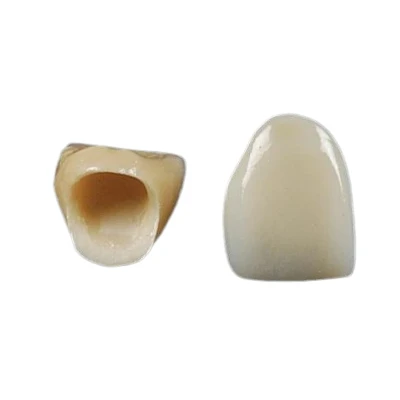
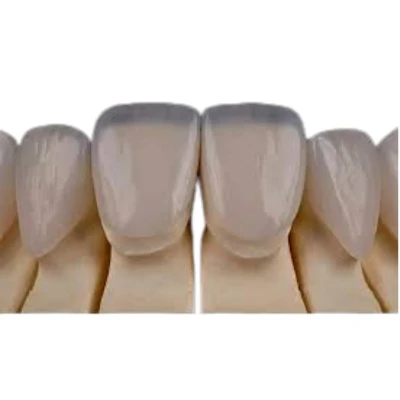
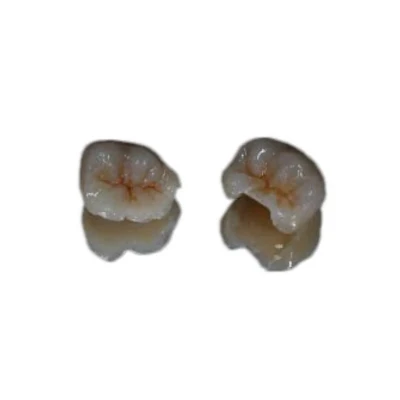

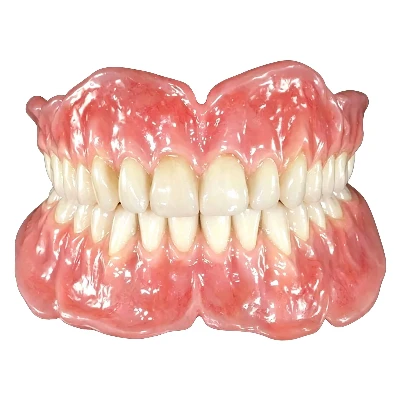

Switching dental laboratories or adding a new dental lab outsourcing partner is a decision that quietly determines clinical outcomes for months. A lab that delivers one acceptable crown is not the same as one that delivers ten thousand consistently. The gap between those two scenarios is where practices lose chair time, patient trust, and margin.
Dental lab trial cases exist to close that gap before volume commits you to a partner you cannot easily replace. A structured dental lab evaluation allows you to test restoration quality, communication, turnaround time, digital workflow compatibility, and quality consistency under real working conditions before scaling up.
If you are still at the supplier-screening stage, it can also help to understand how to choose a dental lab outsourcing partner before deciding which laboratories should receive trial cases.

Why Dental Lab Trial Cases Matter
A trial case is a small, controlled batch of restorations-typically three to eight units-sent to a new dental laboratory under real clinical conditions before any production volume is committed. It functions as a stress test across the full workflow: prescription interpretation, digital file handling, material selection, fabrication precision, esthetic matching, quality control, and delivery logistics.
The purpose is not to get a free sample. It is to observe how a lab behaves when something goes slightly wrong-because something always does. A shade mismatch, a tight contact, a marginal ridge that sits 0.2 mm proud. What separates a reliable lab from a problematic one is rarely the perfect case. It is the speed and clarity of the response when a case is imperfect.
Rushing past the trial phase to lock in volume pricing is one of the most common mistakes practices make. A per-unit cost that looks attractive on a quote sheet becomes expensive fast when remake rates climb above five percent and turnaround slips by two days.
For practices and dental laboratories considering a new outsourcing relationship, trial cases provide a practical way to evaluate dental lab quality consistency before committing significant case volume. A broader set of dental lab quality standards can also help establish consistent acceptance criteria before the first case is sent.
How to Choose the Right Trial Case Mix
Sending only the easiest cases to a new lab tells you nothing useful. A single anterior veneer that seats perfectly proves the lab can handle a single anterior veneer-nothing more.
The trial mix should deliberately span the restoration types you actually outsource, weighted toward the categories that matter most to your practice. If your normal workload includes multiple types of fixed restorations, the trial should reflect that variety rather than focusing only on one straightforward crown.
Trial Case Selection by Complexity
|
Case Type |
What It Tests |
Recommended Quantity |
|
Marginal fit, occlusal accuracy, basic turnaround |
2–3 units |
|
|
Anterior E.max crown or veneer |
Esthetic layering, shade matching, translucency control |
1–2 units |
|
Three-unit bridge |
Connector design, framework integrity, interproximal adaptation |
1 case |
|
Abutment interface precision, screw channel design, emergence profile |
1 unit |
|
|
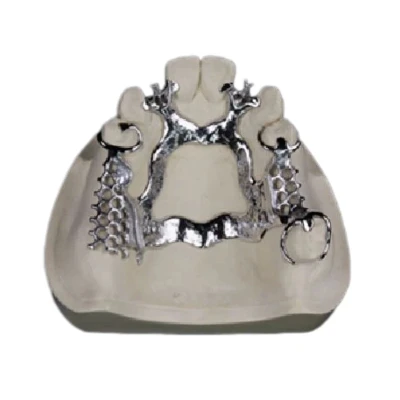
Removable partial denture framework |
Framework fit, clasp adaptation, occlusal scheme |
1 case |
This mix covers the five dimensions that matter: marginal adaptation, esthetics, structural design, implant interface handling, and removable appliance precision. If your practice does not produce enough volume in one of these categories to include it in the trial, substitute a case from the next most critical category.
A dental laboratory that performs well across this range has demonstrated breadth. One that excels only in single-unit crowns but falters on bridges or implant work may be fine as a secondary lab for simple cases-but not as your primary dental lab outsourcing partner.
The best trial cases are therefore not necessarily the easiest cases. They should reflect the real case mix you expect the lab to handle once the relationship scales.
What to Evaluate on Each Dental Lab Trial Case
Once the cases are sent, evaluation needs to be systematic and documented. Relying on a clinician's general impression of whether a crown "feels right" is not a reliable dental lab quality metric.
Every restoration should be assessed against defined criteria, scored, and recorded. This makes it easier to compare cases and determine whether a new dental lab can deliver consistent results rather than occasional successes.
Marginal Fit and Adaptation
Marginal fit-the gap between the restoration margin and the prepared tooth margin-is one of the most important clinical parameters. Clinical research has associated marginal discrepancy with risks such as cement dissolution, plaque retention, recurrent caries, and periodontal complications.
The clinically acceptable marginal gap for cemented restorations is commonly cited at around 120 microns or below, although acceptable values can vary depending on restoration type, material, preparation, measurement method, and clinical context.
Evaluate marginal fit clinically with a sharp explorer drawn along the circumferential margin. Any catch or ledge that the explorer drops into may indicate an open or overextended margin. For documentation, silicone replica techniques or micro-CT measurement can quantify the gap, though these are typically reserved for research rather than routine chairside evaluation.
Occlusal and Interproximal Contact
Occlusal contacts should be light and uniform in centric relation, with no premature contacts that require more than minor adjustment. If a crown repeatedly comes back requiring extensive adjustment with articulating paper, the lab's occlusal design settings or technician understanding of your preferred occlusal scheme may need attention.
Interproximal contacts should provide positive but passive contact with adjacent teeth-tight enough to prevent food impaction, loose enough to allow floss passage with slight resistance.
Contacts that are either completely open or impossibly tight can indicate a problem in the laboratory's digital design, model accuracy, or fabrication process.
Esthetics and Shade Matching
For anterior restorations, shade matching is where dental laboratories differentiate most visibly.
Evaluate under multiple light sources-daylight, operatory light, and, where practical, a standardized light source such as the D65 standard illuminant-to assess whether the restoration remains visually consistent under different lighting conditions.
Assess three sub-parameters:
- Hue-the color family
- Value-the relative lightness or darkness
- Chroma-the color intensity
A mismatch in value is often one of the most clinically noticeable esthetic discrepancies.
Also evaluate surface texture, translucency at the incisal edge, and the gradient from cervical to incisal. These are the details that separate a restoration that resembles a natural tooth from one that looks obviously fabricated.
Material and Workmanship
Verify that the dental laboratory used the material specified on the prescription.
A zirconia restoration requested at a specific translucency level should not be substituted with a different material or formulation without notification. Check for surface defects, porosity, incomplete polishing, and the quality of any ceramic characterization or staining.
The table below summarizes the dental lab evaluation criteria with practical pass thresholds:
|
Evaluation Parameter |
Pass Standard |
Fail Signal |
|
Marginal gap |
≤120 μm as a working benchmark |
Explorer catches, visible gap |
|
Occlusal adjustment |
≤2–3 contacts adjusted |
Extensive grinding required |
|
Interproximal contact |
Floss passes with slight resistance |
Open contact or floss shreds |
|
Shade match (anterior) |
Match under ≥2 light sources |
Visible mismatch or metamerism |
|
Surface finish |
Smooth, no obvious porosity at 2× |
Pits, roughness, incomplete glaze |
|
Turnaround time |
Within agreed days ±1 day |
2+ days beyond commitment |
How to Evaluate Dental Lab Communication and Workflow
Technical quality is only half the equation. A dental lab that produces excellent restorations but communicates poorly will still create friction in your daily operations.
The dental lab trial case phase is when you learn how the laboratory handles the human and operational side of the partnership, including prescription clarification, digital file management, technical questions, and issue resolution.
Prescription Handling
Send at least one trial case with a deliberately complex or non-standard prescription-a custom shade with multiple value zones, a specific occlusal scheme requirement, or an unusual material combination.
Observe whether the lab calls or emails to clarify before starting fabrication, or whether it proceeds with assumptions and delivers something that does not match the intent.
A dental lab that asks clarifying questions before beginning work is a lab that takes prescriptions seriously. One that never asks questions across several varied trial cases may deserve closer scrutiny.
Digital Workflow Compatibility
If your practice uses intraoral scanners and digital impressions, the lab's ability to handle your specific file format and scanner output is critical.
Most modern digital dental laboratories accept common digital formats such as STL and PLY, although compatibility with scanner portals, CAD software, implant libraries, and case-transfer systems can affect how smoothly the digital handoff works.
Test the digital dental lab workflow by sending a case through your preferred scanner portal or file transfer method. Measure the time from scan submission to lab acknowledgment, and whether the lab can work directly from your digital files or requires additional physical records.
A well-managed digital workflow can reduce manual transfer steps, improve communication, and shorten portions of the production process.
Issue Resolution Speed
Introduce a deliberate process test during the trial phase. For example, ask how the laboratory would handle a remake, design change, or prescription clarification and evaluate the response time and procedure.
A lab that provides a clear, documented resolution process demonstrates a more mature quality assurance system.
Remake handling is therefore an important part of dental lab quality control evaluation, not simply an after-sales issue.

How to Measure Dental Lab Turnaround Time and Consistency
Turnaround time-the elapsed days from case submission to delivery-should be measured across all trial cases, not averaged.
Averages hide inconsistency. If a lab delivers four cases in seven days and one case in fourteen days, the average may still look acceptable even though one patient experienced a significant delay.
Track each case individually and look for variance. Consistent turnaround close to the committed schedule indicates a laboratory with better-controlled production planning.
Wide variance may suggest capacity constraints or workflow bottlenecks that could worsen when outsourcing volume increases. For a deeper look at the variables involved, see this guide to dental lab turnaround time.
Typical industry turnaround expectations vary by restoration type:
|
Restoration Category |
Standard Turnaround |
Complex Case Turnaround |
|
Single-unit crown |
5–7 business days |
7–10 business days |
|
Bridge (3-unit) |
7–10 business days |
10–14 business days |
|
Implant restoration |
7–12 business days |
12–16 business days |
|
Full-arch restoration |
10–15 business days |
15–21 business days |
|
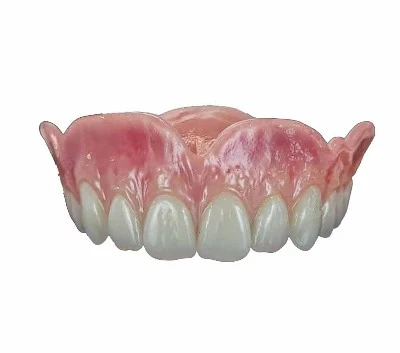
Removable denture |
7–10 business days |
10–14 business days |
These ranges reflect general offshore and domestic lab capabilities combined and should be treated as planning benchmarks rather than universal standards.
Offshore laboratories may require additional shipping time, while domestic laboratories may have shorter logistics cycles. The trial phase should confirm which model fits your practice's tolerance for time, cost, and communication.
More importantly, evaluate whether the stated turnaround remains predictable from case to case. For long-term dental lab outsourcing, consistency is often more valuable than an unusually fast result on one isolated case.
How to Review Compliance and Material Documentation
A dental lab that cannot provide appropriate material and quality documentation can create unnecessary regulatory and quality-management risk for your practice.
Every restoration should be produced using materials and processes appropriate to the applicable regulatory framework in the destination market.
During the trial phase, request relevant documentation such as:
- Material certificates for restoration types including zirconia, lithium disilicate, PFM alloys, and denture base resins
- Evidence of an applicable quality-management system such as ISO 13485 Medical Device Quality Management System
- FDA device registration and listing information where applicable for products supplied to the United States
- Documentation relevant to the EU Medical Device Regulation (MDR) 2017/745 for applicable custom-made devices supplied to European markets
Batch, lot, or material traceability information where applicable to the specific restoration
A laboratory that provides relevant documentation promptly and consistently demonstrates a more structured compliance and quality-management approach.
For an overseas dental lab or China dental lab, this documentation check is particularly important because the relationship involves both manufacturing quality and cross-border regulatory requirements. It can also be useful to review the laboratory's dental lab certifications and compliance framework before scaling case volume.
How to Score a New Dental Lab Before Scaling Up
After all dental lab trial cases are delivered and evaluated, consolidate the findings into a structured score before making the scaling decision.
A simple pass/fail on each case is insufficient. The pattern across cases matters more than any single outcome.
Trial Case Evaluation Scorecard
|
Dimension |
Weight |
Scoring Criteria |
Score (1–5) |
|
Marginal fit consistency |
20% |
No clinically unacceptable open margins across trial cases |
|
|
Esthetic outcomes |
15% |
Shade match across light sources, natural morphology |
|
|
Occlusal accuracy |
15% |
Minimal adjustment required across cases |
|
|
Turnaround consistency |
15% |
Cases remain close to agreed turnaround |
|
|
Communication quality |
10% |
Proactive clarification, clear issue resolution |
|
|
Digital workflow |
10% |
Smooth file handling, no significant format issues |
|
|
Material compliance |
10% |
Relevant documentation provided |
|
|
Remake handling |
5% |
Clear and predictable remake process |
A weighted score of 4.0 or above across all dimensions can support scaling to higher production volume.
A score between 3.0 and 4.0 suggests the lab may be viable for specific case types but not necessarily as a full-service partner. Consider a limited engagement with the categories where it scored highest.
Below 3.0, the trial has done its job: it has identified significant concerns before a larger outsourcing commitment is made.
The point of the scorecard is not to reduce every laboratory relationship to a number. It is to ensure that decisions about dental lab outsourcing are based on repeatable evidence rather than pricing, sales presentations, or one unusually successful case.

How to Scale Up Dental Lab Outsourcing Gradually
Even with a strong dental lab trial performance, do not move the entire case volume to a new laboratory on day one.
Scale in phases over six to eight weeks, starting with the case types that scored highest during the trial. This approach maintains a fallback if performance degrades under volume-a pattern worth monitoring whenever a laboratory's production capacity is tested by real production load rather than a handful of trial cases.
A practical scaling sequence:
- Weeks 1–2: Single-unit posterior crowns only, 10–15 cases per week
- Weeks 3–4: Add anterior restorations and short-span bridges, 20–25 cases per week
- Weeks 5–6: Add implant restorations, 30–40 cases per week
- Weeks 7–8: Full case mix at target volume
At each phase, continue tracking the same metrics used in the dental lab trial cases:
- Marginal fit
- Turnaround variance
- Remake rate
- Communication response time
If any metric degrades materially from the trial baseline, pause scaling and address the issue with the lab before increasing volume further.
This staged approach is particularly useful when evaluating a long-term dental lab outsourcing partner because it tests not only restoration quality but also scalability, production consistency, communication, and quality control under increasing volume. You can also compare your results against broader principles for scaling dental lab production without losing quality.
Conclusion
The best way to evaluate a new dental lab is not by judging one perfect crown or comparing price lists. A dependable dental laboratory should earn additional case volume through demonstrated performance across clearly defined criteria-including marginal fit, esthetics, occlusion, turnaround time, communication, compliance, digital workflow, and remake handling.
Use dental lab trial cases to establish a measurable baseline, document the results, and then scale only the case types and production volume that the data supports. This approach reduces outsourcing risk and helps determine whether a new laboratory can become a reliable long-term production partner.
ADS Dental Laboratory Ltd (Aesthetic Dental Solutions) is a full-service digital dental laboratory based in Shenzhen, China, specializing in long-term dental lab outsourcing for overseas dentists and dental laboratories. If you are evaluating a new dental lab partner, contact us to discuss your trial case mix, digital workflow requirements, restoration specifications, and a practical path toward scalable production.
FAQ
How many trial cases should I send to a new dental lab?
A controlled trial typically involves three to eight units, but the number matters less than the range of cases tested.
Include restoration types that reflect your normal workload rather than sending only simple crowns. The goal is to evaluate both technical quality and consistency across the cases you expect to outsource regularly.
What should I evaluate during a dental lab trial?
Evaluate marginal fit, occlusion, interproximal contacts, esthetics, shade matching, material accuracy, surface finish, turnaround time, communication, digital workflow compatibility, compliance documentation, and remake handling.
For a long-term dental lab partner, workflow consistency is just as important as the quality of an individual restoration.
Should I test a dental lab with difficult cases?
Yes, but the trial case mix should remain representative of your normal workload.
Including one or two more demanding cases-such as an anterior esthetic restoration, bridge, or implant-supported restoration-helps determine whether the lab can handle more than routine single-unit crowns.
When should I increase case volume with a new dental lab?
Increase volume only after the laboratory demonstrates consistent performance across multiple trial cases.
A strong initial result should be followed by gradual scaling while monitoring marginal fit, turnaround consistency, remake rate, communication, and other key quality metrics.
How do I evaluate an overseas dental lab before outsourcing more cases?
In addition to restoration quality, evaluate digital file handling, international turnaround time, communication, material traceability, regulatory documentation, quality management systems, remake procedures, and the laboratory's ability to maintain consistency as volume increases.
A reliable overseas dental lab should be able to demonstrate both technical capability and a repeatable production workflow.