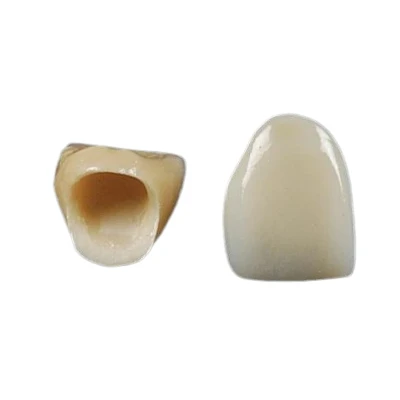
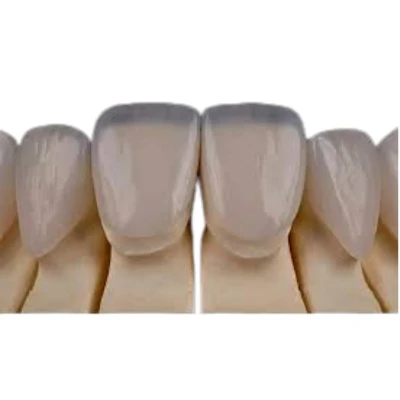
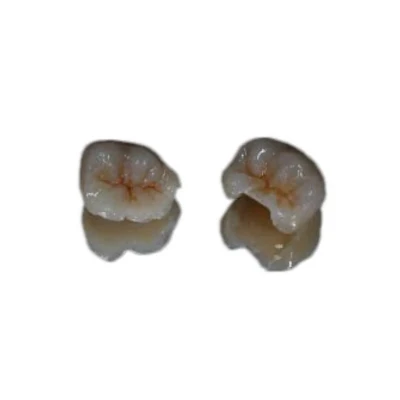

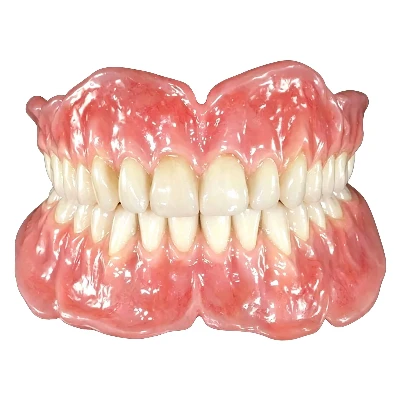

Every remake, missed deadline, or shade mismatch you deal with can usually be traced back to one thing: information that left your practice incomplete or arrived at the lab misunderstood. An overseas dental lab - a dental laboratory located in another country that fabricates crowns, bridges, and other fixed restorations, veneers, implant restorations, and removable prostheses on behalf of prescribing dentists - depends heavily on what you send and how you send it.
For dentists and dental laboratories using dental lab outsourcing, a structured dental lab outsourcing workflow can reduce misunderstandings, shorten unnecessary back-and-forth, improve case consistency, and help prevent avoidable remakes.
Build a tighter communication workflow, and most of the friction disappears.

Why Communication With an Overseas Dental Lab Breaks Down
The dentist–technician relationship has always been collaborative. A restoration is never fully the dentist's work or fully the technician's; it is a joint product shaped by the prescription, the impression or scan, the shade, and the design intent.
When the lab sits across town, a quick phone call or a walk-in visit can patch over a vague instruction. When the lab sits across an ocean, that safety net is gone.
Three structural factors make overseas dental laboratory workflows harder than domestic ones.
Distance compresses the feedback loop. A domestic lab can call your front desk, confirm a margin, and start production the same afternoon. An overseas lab working across 6 to 14 time zones often has to batch questions, which means a single unclear detail can stall a case by a full day.
Language and terminology create silent errors. Even when both sides speak English, clinical shorthand like "light prep," "gingival retraction," or "A2 with a little incisal halo" carries different weight in different markets. A technician trained in one system may interpret a phrase differently than you intended - and neither side notices until the crown arrives.
Regulatory context differs. Labs operating under different medical-device frameworks have different documentation habits. What counts as a complete case file in one country may be missing fields that another country's quality system treats as mandatory.
The fix is not to work harder or send longer emails. It is to replace open-ended communication with a structured, repeatable dental lab communication workflow that leaves as little as possible to interpretation.
What a Strong Dental Lab Communication Workflow Needs
A communication workflow is the standardized set of steps, tools, and documents that move a case from the dentist's prescription to the lab's finished product and back. For an effective dental lab outsourcing workflow, five components carry most of the weight.
1. A Complete Digital Prescription
The dental lab prescription - sometimes called the work authorization or lab slip - is the single source of truth for a case. A vague prescription is one of the most common causes of production questions and remakes, and remakes are where margin and time actually leak out of an outsourcing relationship.
Every prescription should lock down the following before the case leaves your office:
- Patient identifier and tooth number(s), using a standard notation system such as FDI or Universal
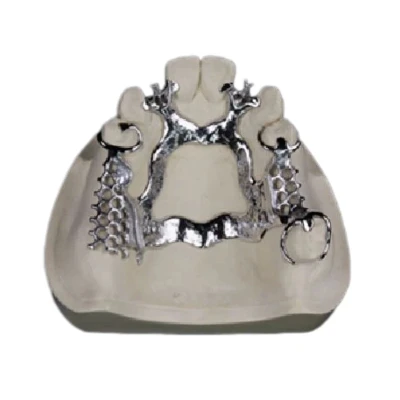
- Restoration type and material - e.g., zirconia crown, lithium disilicate veneer, or cobalt-chromium removable partial denture framework
- Shade and characterization, including dentin, enamel, and incisal effects
- Occlusal scheme and design preferences - cuspal guidance, occlusal contacts, and pontic design
- Margin type and prep depth, especially for full-contour restorations
- Preferred cement space and die spacer settings
- Try-in date and final delivery deadline
For more complex cases, the dental lab case submission should also make relevant implant information, retention type, contact preferences, gingival characterization, stump shade, framework requirements, or other special instructions clear before production begins.
If you are new to international digital case submission, understanding how to send a digital dental case to an overseas lab can help standardize the files and information included with every order.
If your lab offers a digital prescription form or a case-management portal, use it. Structured fields reduce ambiguity and make it easier for both the clinical and technical teams to identify missing information before a restoration enters production.
2. Clean Digital Impressions
A digital impression is a 3D scan of the patient's arch captured with an intraoral scanner and exported as an STL, PLY, or OBJ file. It has largely replaced physical impressions in practices that outsource internationally, because a scan file transmits in minutes while a physical model spends days in transit.
But a scan is only as good as its capture. Understanding what dental labs need from an intraoral scan helps prevent avoidable problems before the case reaches the design stage.
The most common scan-related problems labs flag are:
|
Problem |
What goes wrong |
How to prevent it |
|
Torn or missing margin |
The gingival margin is obscured by blood, saliva, or tissue |
Retract and isolate before scanning; verify the margin in software before sending |
|
Incomplete scan |
Distal or buccal surfaces of terminal molars are cut off |
Extend the scan past the last tooth and capture full vestibular and lingual sulcus |
|
Bite registration gaps |
Interocclusal record does not seat cleanly on the arch |
Scan the bite separately and confirm it aligns with both arches in the design software |
|
File too large or compressed |
Over-compressed STL loses surface detail |
Export at the scanner's recommended resolution; avoid aggressive mesh decimation |
A clean scan file is one of the simplest forms of quality control in a digital dental lab workflow. It costs nothing extra and can prevent an expensive class of production errors.

3. Shade and Characterization Data That Survives Transmission
Shade communication is where overseas workflows can fail most quietly. A shade taken chairside under color-correct lighting rarely arrives at the lab with exactly the same visual meaning, because the reference photograph compresses, the monitor renders differently, and the technician was not in the room.
A structured approach to communicating shade to a dental lab is especially important for anterior restorations and other highly aesthetic cases.
Send shade data in layers, not as a single note:
- Base shade - a standard shade guide value or digital shade-system reading
- Photographs - taken with a polarizing filter, a neutral background, and the shade tab held adjacent to the tooth in the same frame
- Characterization notes - incisal translucency, mamelons, surface texture, gingival discoloration, and any white or brown spots
- Patient age and skin tone - context the technician can use when evaluating value and chroma
A photograph without a shade tab in the same frame provides far less useful color reference information. Whenever shade accuracy matters, include the reference.
This becomes particularly important for dental veneers, anterior crowns, implant restorations in the esthetic zone, and other cases where subtle differences in translucency, surface texture, and shade transition affect the final result.
4. A Defined Turnaround and Review Cadence
Dental lab turnaround time - the number of working days from case receipt to shipment - is a number, not a feeling. Agree on it in writing, and build in checkpoints for complex cases.
|
Case type |
Typical lab turnaround |
Recommended checkpoint |
|
Single-unit crown or veneer |
5–8 working days |
Design approval before milling |
|
Short-span bridge (3–4 units) |
7–10 working days |
Framework try-in if possible |
|
Implant-supported single crown |
8–12 working days |
Abutment design confirmation |
|
Full-arch restoration (fixed or removable) |
12–20 working days |
Try-in and mid-production review |
For full-arch and implant cases, a mid-production review - even a digital one where the lab sends a design file or a printed try-in - catches errors that are difficult or impossible to correct once the final prosthesis is milled or printed.
This is particularly important for complex restorations such as All-on-X implant bridge cases, where implant position, prosthetic design, gingival architecture, occlusion, and restorative space need to work together.
Skipping a useful review step simply to save two days can become a false economy if the final restoration requires significant adjustment or remake.
5. A Quality and Compliance Backbone
A workflow without quality control is just a faster way to ship the wrong product.
The labs worth partnering with operate under a formal quality management system. One important benchmark is ISO 13485 medical device quality management system, an international standard focused on quality management requirements for organizations involved in medical devices.
In the United States, the FDA's Quality Management System Regulation (QMSR) establishes quality-system requirements for medical-device manufacturers. The applicable requirements are codified in 21 CFR Part 820.
For the European Union, the Medical Device Regulation (MDR, Regulation (EU) 2017/745) provides the regulatory framework for medical devices, including requirements relevant to custom-made devices.
You do not need to audit your lab's quality system yourself. You do need to confirm it exists and ask three questions:
- Is the lab's quality system certified or registered, and is the certificate current?
- Can the lab provide material traceability - batch numbers, certificates of conformity, and material source documentation for each case?
- What is the remake and adjustment policy, and under what conditions does it apply?
A laboratory that cannot answer basic questions about quality management, traceability, or remake handling may not yet have a sufficiently structured system for long-term dental restoration outsourcing.
Tools for Better Overseas Dental Lab Communication
A workflow lives or dies on whether people actually follow it. The right tools reduce the effort required to keep every dental lab case organized.
Case-management portals - platforms where you submit prescriptions, upload scans, track production status, and receive design files for review - can replace fragmented email threads with a single case record that both sides can reference.
Intraoral scanners with direct lab connectivity eliminate much of the export-upload-email chain. When a scan flows from an intraoral scanner for digital case submission into the laboratory's digital workflow without unnecessary manual file handling, the chance of sending the wrong file or an outdated version can be reduced.
Digital design review lets you review the lab's CAD design - the virtual 3D model of the restoration before it is milled or printed - and approve or request changes before physical production begins. For cases involving digital production, understanding how a CAD/CAM zirconia crown workflow moves from digital design to manufacturing can also help clinicians understand where communication checkpoints matter.
The same principle applies across these tools: use structured digital systems for information that can be standardized, and reserve direct dentist–technician communication for judgment calls such as aesthetics, design intent, occlusal compromises, and patient-specific considerations.
Common Dental Lab Communication Problems and How to Prevent Them
Most overseas dental lab communication problems fall into a small number of recurring patterns. Recognizing them is more useful than chasing every individual error.
The "almost complete" prescription. A case arrives at the lab with everything specified except the cement space, pontic design, or preferred occlusal contact. The lab either guesses or waits - and waiting across time zones costs a day.
Fix: Make required fields on your prescription or case-submission form non-optional wherever possible.
The unverified scan. A scan is sent without the clinician checking margin visibility or interocclusal record alignment in software. The lab discovers the problem at the design stage, by which point the patient may have left the office.
Fix: Build a 60-second scan verification step into the assistant's workflow before any file is transmitted.
The shade photograph without a reference tab. The lab receives a close-up of a central incisor with no shade guide in frame. The technician has no reliable way to calibrate the photograph.
Fix: No shade photo leaves the office without a shade tab visible in the same image when precise color matching is required.
The deadline that was never confirmed. The practice tells the patient a delivery date based on a domestic-lab assumption, then discovers the overseas lab needs more working days.
Fix: Confirm the laboratory's turnaround for the specific case type before promising a final delivery date to the patient.
The silent remake. A restoration comes back wrong, the practice adjusts it chairside or remakes it internally, and the lab never learns why. The same error recurs on the next case.
Fix: Every remake should trigger a short root-cause note to the lab. Even one clear sentence helps the technical team understand what should change on the next case.
For a more systematic approach, review the common strategies used to reduce remakes in dental restorations.
A strong dental lab case management process does not eliminate every problem. It makes problems visible, traceable, and less likely to repeat.
How to Build a Long-Term Working Relationship With Your Overseas Dental Lab
A workflow is a system; a relationship is what makes the system resilient when something falls outside that system.
Practices and dental laboratories that get the best results from overseas partners tend to treat the lab as an extension of the clinical or technical team rather than simply as a vendor.
A few habits distinguish strong partnerships:
- Share clinical context. A photograph of the patient's full smile, the opposing arch, and the adjacent teeth gives the technician aesthetic information no prescription field can fully capture.
- Review cases together periodically. A quarterly call - even 30 minutes - to walk through recent remakes, recurring issues, and upcoming complex cases can prevent small problems from compounding.
- Send feedback on successes, not just failures. Labs that hear what worked are more likely to repeat it; labs that only hear complaints have little positive calibration.
- Use consistent points of contact. Having designated communicators on both sides helps institutional knowledge accumulate rather than reset with every case.
For dental laboratories outsourcing larger case volumes, consistency becomes even more important. Repeated collaboration allows the production team to become familiar with preferences involving contacts, occlusion, morphology, shade, surface texture, and other case-specific details.
The overseas dental labs that serve international clients well generally prefer this kind of relationship. It is far more efficient to clarify a technical question before production than to process a remake after delivery.

Conclusion
Building a better communication workflow with an overseas dental lab comes down to replacing ambiguity with structure: a complete digital prescription, a verified scan, layered shade data, an agreed turnaround with checkpoints, and a quality system you can confirm exists.
Digital case submission, CAD/CAM workflows, case tracking, and structured technical communication can make international dental lab outsourcing much easier to manage, while direct communication remains essential for aesthetic judgment, complex design decisions, and patient-specific requirements.
ADS Dental Laboratory Ltd is a full-service digital dental laboratory based in Shenzhen, China, providing long-term custom dental restoration and dental lab outsourcing support for dentists and dental laboratories worldwide. Our workflow includes digital case receiving, STL and intraoral scan processing, CAD/CAM design, structured quality control, case tracking, and dedicated international case coordination.
If you are evaluating an overseas dental lab partner or want to discuss how to structure a more reliable workflow for your crown and bridge, veneer, implant, full-arch, or removable cases, contact ADS Dental Laboratory Ltd to discuss your case requirements and outsourcing needs.
FAQ
What information should I send to an overseas dental lab with each case?
A complete case should normally include a clear dental lab prescription, patient or case identifier, tooth number, restoration type, material, shade, relevant characterization requirements, occlusal instructions, margin information, scans or impressions, clinical photographs where needed, and the expected delivery date.
Implant, full-arch, removable, and complex esthetic cases may require additional information such as the implant system, component details, retention type, framework requirements, stump shade, try-in stage, or other case-specific instructions.
How can I reduce remakes when using an overseas dental laboratory?
The most effective approach is to reduce ambiguity before production begins. Use structured prescriptions, verify digital scans before sending them, provide complete shade references, confirm turnaround times, and create review checkpoints for complex cases.
When a remake does occur, send the laboratory a clear explanation of the cause so the same issue can be incorporated into future production preferences. Dental lab remake reduction depends as much on feedback quality as it does on manufacturing quality.
How should implant and full-arch cases be communicated to an overseas dental lab?
Complex implant cases benefit from more structured communication than routine crown-and-bridge work. Clearly specify the implant system, component information, restoration type, retention method, occlusal requirements, gingival design expectations, shade, material, and any relevant provisional or existing prosthesis information.
For full-arch and multi-stage cases, agree in advance on design reviews, try-in stages, production milestones, and the point at which final manufacturing can proceed.
What should I look for in an overseas dental lab communication workflow?
Look for a laboratory that can support structured case submission, prescription review, digital file handling, technical clarification, case tracking, production follow-up, quality control, and after-sales or remake communication.
For a long-term dental lab outsourcing relationship, a consistent case coordinator and a clear process for documenting your technical preferences can be just as important as the laboratory's production equipment.