
Meta Description:
Discover why dental technician skill still matters for hand-layered veneers and how digital dentistry combines precision with natural aesthetics.
Digital dentistry has changed how veneers are planned, designed, and manufactured. Intraoral scanning, CAD/CAM systems, digital case communication, and precision manufacturing have made restorative workflows faster and more predictable.
Yet high-end anterior aesthetics still depend heavily on the dental technician. For hand-layered veneers, subtle decisions about translucency, shade transition, incisal character, surface texture, and morphology can determine whether a restoration simply fits well or integrates naturally with the surrounding dentition.
The strongest veneer workflows use both digital precision and skilled craftsmanship.

What Are Hand-Layered Veneers?
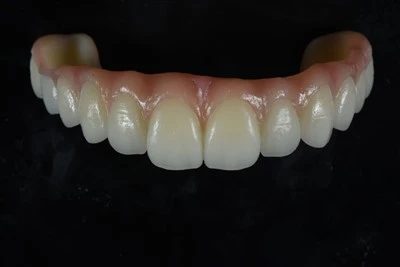
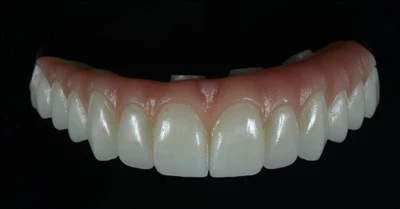
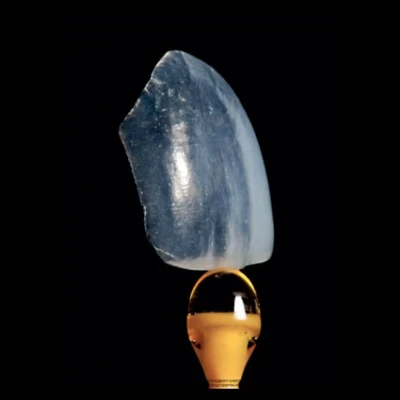
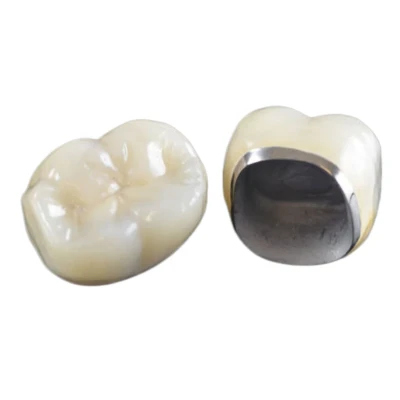
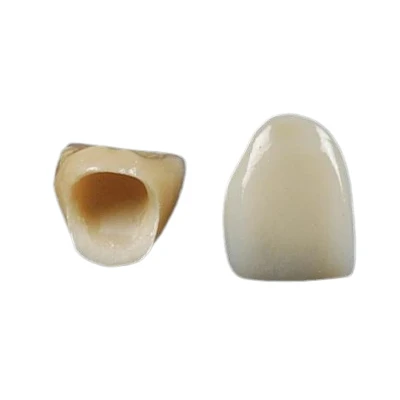
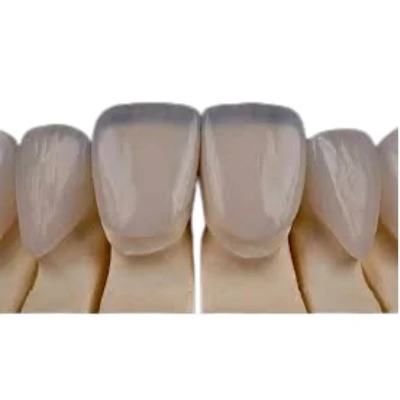
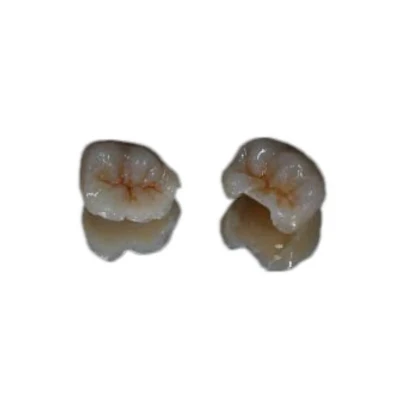
Hand-layered veneers are ceramic veneers in which a dental technician builds or refines the aesthetic ceramic structure in layers, using materials with different levels of opacity, translucency, and hue.
Depending on the material system and fabrication technique, the technician may work with dentin or body ceramics, enamel ceramics, translucent and incisal materials, and characterization effects. The restoration is then refined through contouring, surface texturing, staining, glazing, or polishing as required. For dentists comparing common material systems used in aesthetic cases, the differences between feldspathic and E.max veneers are also worth considering during case selection.
The purpose of ceramic layering is aesthetic control.
Natural teeth do not display one uniform color or opacity from the cervical area to the incisal edge. Dentin contributes much of the underlying chroma and opacity, while enamel changes the way light is transmitted, scattered, and reflected. The incisal region may show another combination of translucency and internal characteristics.
Hand-layering gives the dental ceramist direct control over these variables. Depending on the material and clinical requirements, this approach can be used for both hand-layered E.max veneers and other layered ceramic systems.
This does not mean that every hand-layered veneer is fabricated through a completely analogue process. Modern layered veneers can begin with digital scans, CAD design, digital wax-ups, and digitally manufactured structures before a technician completes the aesthetic stages by hand.
What Digital Dentistry Already Does Extremely Well
Digital dentistry has become central to modern restorative workflows for good reason.
Intraoral scanners capture detailed three-dimensional information without relying entirely on conventional impressions. CAD software gives the dental laboratory precise control over restoration geometry, contours, thickness, and design. Digital files can also be stored, reviewed, modified, and shared between the dentist and laboratory. In a modern CAD/CAM dental workflow, these digital stages can connect case submission, design, manufacturing, and laboratory communication within the same production process.
The accuracy is clinically meaningful. A 2023 systematic review cited in the source material found digital impressions to be clinically acceptable and often more accurate for single crowns and short-span fixed dental prostheses. Another clinical evaluation reported a 15% misfit rate in the digital group compared with 25% in the conventional group, together with shorter impression times.
Digital workflows also improve reproducibility. Once a design has been approved, the laboratory has a digital reference that can support later modifications, additional restorations, or replacement work.
Communication has improved as well. Instead of relying only on a written prescription and physical model, a dentist can send scans, photographs, digital designs, and detailed case instructions. The laboratory can review morphology and proposed changes before moving further into production.
These capabilities have made digital dental laboratories more precise and efficient.
They have also changed where technician skill contributes the most value.
Why Precision Alone Does Not Create a Natural-Looking Veneer
Fit is one dimension of a successful veneer. Aesthetic integration involves several others.
A natural anterior tooth is an optical structure with variations in chroma, value, opacity, translucency, surface morphology, and thickness. These characteristics also change from the cervical third through the body and toward the incisal edge.
A veneer has to manage many of the same visual relationships within a very limited amount of ceramic.
|
Aesthetic Variable |
Natural Dentition |
Technician-Controlled Veneer Detail |
|
Base color |
Dentin contributes chroma and opacity |
Selection and placement of dentin/body ceramic |
|
Translucency |
Enamel influences light transmission and scattering |
Enamel and translucent ceramic selection |
|
Incisal area |
Individual translucency and internal characteristics |
Incisal layering and characterization |
|
Shade transition |
Color and optical properties vary across the tooth |
Controlled ceramic thickness, hue, chroma, and opacity |
|
Surface |
Natural macro- and microtexture affect reflection |
Hand-finished contour and surface texture |
This is why shade matching cannot be reduced to choosing a single shade tab.
The underlying tooth or stump shade, ceramic material, restoration thickness, layering strategy, surface finish, and surrounding teeth can all influence how the final veneer is perceived.
Digital design can control geometry extremely well and can support aesthetic planning. In demanding anterior cases, however, a technician still has to interpret the clinical information and decide how those aesthetic variables should appear in the finished restoration.
That interpretation is where experience becomes visible.

Where Dental Technician Skill Makes the Biggest Aesthetic Difference
The value of an experienced dental ceramist is not measured by how much manual work is added to a restoration. It lies in knowing where aesthetic intervention is needed, how strong an effect should be, and when to stop.
Three areas are particularly important.
Translucency and Optical Depth
Translucency is one of the easiest characteristics to overdo.
A veneer that is too opaque may mask the substrate effectively but lose some of the optical depth expected in natural dentition. Too much translucency can create a different problem when the underlying tooth is dark, discolored, or otherwise unsuitable to show through the restoration.
The technician therefore works within a balance.
Ceramic thickness, opacity, underlying tooth color, target shade, and the optical characteristics of adjacent teeth all influence the decision. Layering gives the technician additional control over where more opaque or translucent materials are placed and how those areas transition into one another. This level of optical control is especially relevant in restorations such as hand-layered feldspathic veneers, where individualized translucency and surface characteristics can be central to the aesthetic result.
The goal is not maximum translucency. It is the right translucency for that tooth.
Incisal Characterization and Shade Transition
Natural anterior teeth rarely present the same visual character from gingival margin to incisal edge.
The cervical area may carry greater chroma. The body transitions toward a different balance of value and translucency. At the incisal edge, a tooth may display subtle translucent zones, mamelon effects, halos, or other internal characteristics.
These effects vary considerably between patients.
A skilled technician reads clinical photographs, shade information, adjacent teeth, and the desired aesthetic result before deciding how much characterization belongs in the restoration. Too little can make a veneer appear visually flat. Too much can make the characterization itself noticeable.
Good ceramic layering is often restrained.
Surface Texture, Line Angles, and Tooth Morphology
Surface texture affects the way light moves across a restoration.
Developmental lobes, grooves, subtle macrotexture, and finer surface details change reflection. Line angles and facial contours influence the reflective zone and can alter the perceived width and length of a tooth even when its actual dimensions remain unchanged.
This is particularly important in anterior restorations. A veneer may have the correct measurements on a digital design and still require careful contour refinement to integrate with adjacent natural teeth.
Experienced aesthetic technicians look beyond dimensions. They consider how the tooth will be perceived in the smile. The final stages of staining and glazing dental ceramics can further refine color, characterization, and surface appearance before the restoration leaves the laboratory.
When Does Hand-Layering Matter Most?
The value of hand-layering varies by case. Many contemporary ceramic workflows can produce excellent results without extensive layering, while certain anterior cases demand much more individual control.
A Single Central Incisor
Matching a single central incisor is one of the clearest examples.
In a multi-unit veneer case, the laboratory has some freedom to establish a coordinated aesthetic composition. With one central veneer, the adjacent natural central incisor becomes an immediate reference.
The technician may need to reproduce its value, chroma, translucency, incisal character, line angles, facial contour, surface texture, and light reflection closely enough for the two teeth to belong together.
Small discrepancies become visible because the comparison is direct.
This type of case depends heavily on high-quality clinical photographs and shade information, followed by careful technician interpretation and ceramic characterization.
Discolored or Difficult Substrates
A dark or discolored underlying tooth creates a different challenge.
For example, a tetracycline-stained tooth may require enough opacity to control the influence of the substrate. Increasing opacity indiscriminately, however, can produce a restoration that appears dense or chalky compared with adjacent teeth.
The technician must manage masking and optical depth together.
Material selection, preparation thickness, stump shade information, ceramic opacity, and layering strategy all become relevant. Hand-layering provides additional flexibility when different areas of the veneer require different optical treatment.
Multi-Unit High-Aesthetic Veneer Cases
A larger veneer case introduces another type of aesthetic judgment.
Six, eight, or ten anterior restorations should form a coherent smile, but coherence does not require every tooth to look identical. Central incisors, lateral incisors, and canines have different visual roles. Incisal progression, tooth proportions, surface anatomy, and subtle variations in characterization all influence the final composition.
Natural aesthetics often depends on controlled variation.
An experienced technician knows which features should remain consistent across the case and where subtle differences can make the result feel less manufactured. This type of individualization is also central to layered veneers designed for natural smile aesthetics.
Hand-Layered vs. Monolithic Veneers: It Is Not About Which Is "Better"
Monolithic and hand-layered ceramic workflows can both produce high-quality veneers when they are selected appropriately and executed well.
Their practical strengths differ.
|
Consideration |
Monolithic / Primarily Milled Workflow |
Hand-Layered / Layered Workflow |
|
Digital reproducibility |
Strong |
Can also begin from a digital foundation |
|
Production efficiency |
Often higher |
Requires additional technician time |
|
Internal characterization |
Depends on material and finishing workflow |
Greater direct control through ceramic layering |
|
Surface customization |
Possible through finishing, staining, and polishing |
Extensive technician control |
|
Optical individualization |
Material- and case-dependent |
High control over localized opacity, translucency, and characterization |
|
Technician dependency |
Lower during some production stages |
Higher during aesthetic layering and finishing |
For cases with relatively straightforward aesthetic requirements, a monolithic or minimally layered workflow may provide an efficient and highly satisfactory result.
As aesthetic demands increase, hand-layering becomes particularly useful because the technician has more freedom to adjust localized optical characteristics instead of relying primarily on the properties of a single ceramic structure and its external characterization. Similar considerations also apply when comparing hand-layered porcelain with monolithic restorations in other restorative applications.
Case selection matters more than declaring one workflow universally superior.

Why Dentist–Technician Communication Still Matters
Even an exceptional dental technician cannot interpret clinical information that never reaches the laboratory.
A basic prescription containing tooth numbers and a final shade may be sufficient for some cases. Highly individualized veneers usually require more.
Useful laboratory information can include:
- High-quality facial, smile, retracted, and close-up photographs
- Digital scans or accurate impressions
- Target shade and adjacent-tooth shade information
- Stump shade or substrate information when relevant
- Desired tooth morphology and proportions
- Surface texture preferences
- Incisal and internal characterization requirements
- Details about existing dentition and wear
- Specific patient and dentist aesthetic expectations
For difficult aesthetic cases, knowing how to communicate shade information to a dental lab can be just as important as choosing the ceramic itself.
Digital dentistry makes this communication easier. Scans, photographs, case prescriptions, and digital designs can travel together, giving the technician a more complete picture of the case before ceramic work begins.
This is especially important for shade-sensitive anterior restorations. Technician craftsmanship reaches its full value when it is supported by good clinical information.
The Best Veneer Workflow Combines Digital Precision With Skilled Craftsmanship
Modern veneer production works best when each stage is used for what it does well.
Digital scanning and case receiving improve data transfer. CAD/CAM design supports controlled geometry and consistent manufacturing. Digital records make communication and revision easier. Once the restoration reaches the aesthetic stage, experienced technicians can refine translucency, shade transition, incisal characterization, morphology, surface texture, staining, glazing, and final details according to the case.
A typical hybrid workflow may look like this:
Digital case receiving → CAD design → controlled fabrication → ceramic layering and characterization → hand finishing → aesthetic and technical QC
This approach also changes what dentists should evaluate when selecting a veneer dental laboratory. Equipment matters, but so do the people responsible for anterior aesthetics. It is worth understanding who handles veneer cases, how the laboratory manages clinical photographs and shade information, how experienced its ceramic technicians are, and what aesthetic QC takes place before a case is released.
Digital dentistry has not made technician skill obsolete. It has shifted that skill toward the stages where interpretation, individualization, and aesthetic refinement matter most. For demanding hand-layered veneers, digital precision and experienced craftsmanship work best as parts of the same workflow.
At ADS Dental Laboratory Ltd, our digital production capabilities are combined with experienced veneer technicians who handle ceramic layering, shade matching, characterization, surface texture, glazing, and final aesthetic refinement. If you are a dentist or dental laboratory looking for a long-term veneer outsourcing partner, contact us to discuss your workflow, aesthetic preferences, and specific case requirements.