
Dental veneer lab pricing varies widely-a single anterior veneer can cost anywhere from roughly USD 90 to USD 350 per unit at the lab level, depending on material, manufacturing method, case complexity, and turnaround time. Understanding what affects dental lab costs helps dentists and dental laboratories make sourcing decisions that balance aesthetics, durability, workflow efficiency, and margin.

What Is a Dental Veneer?
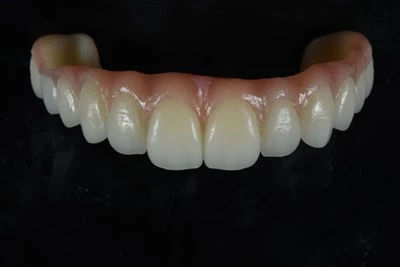
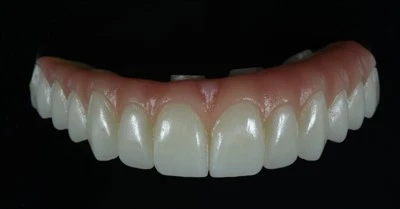
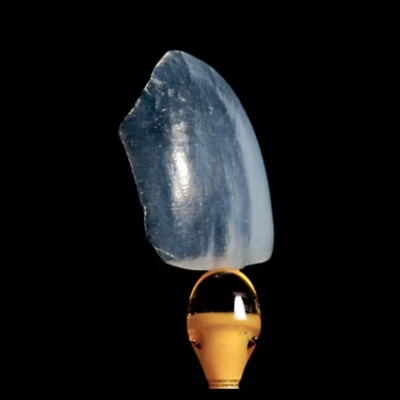
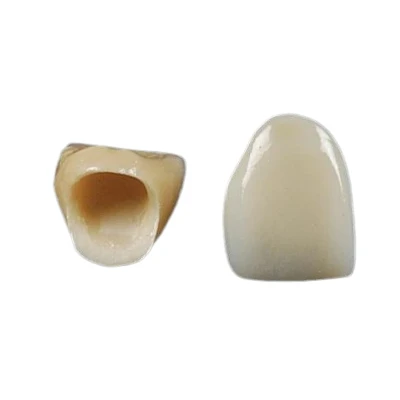
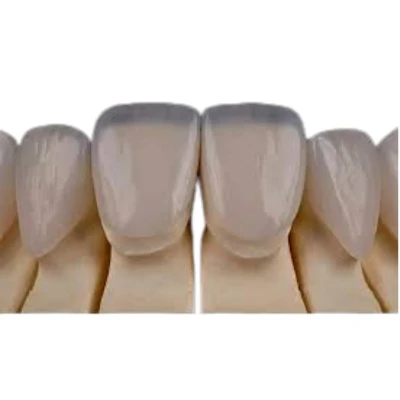
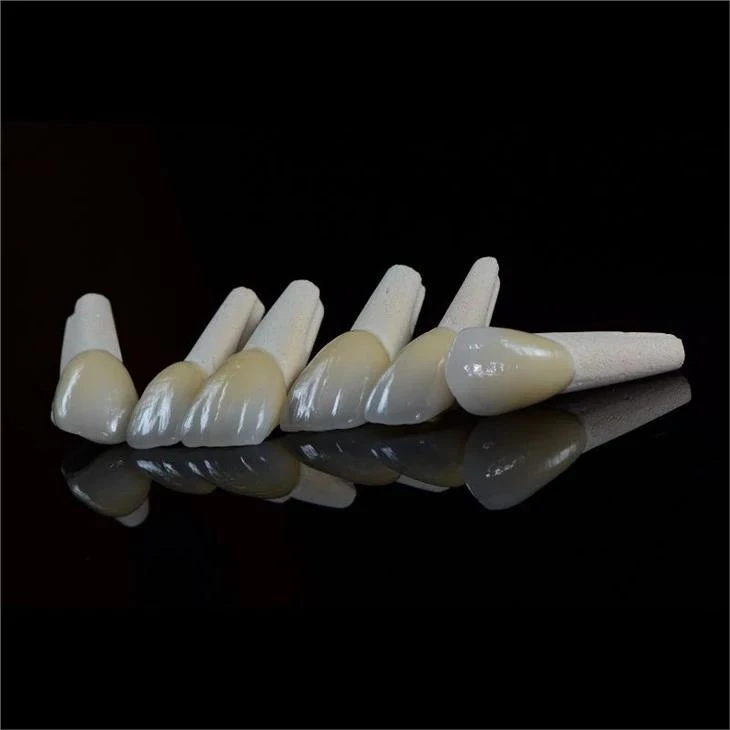
A dental veneer is a custom-fabricated thin shell of ceramic or composite resin bonded to the labial surface of a tooth to improve color, shape, or alignment. Unlike a full-coverage crown, a veneer is a conservative, primarily aesthetic restoration typically 0.3–1.0 mm thick.
Veneers may be manufactured through traditional ceramic techniques, digital CAD/CAM workflows, or a combination of both. For dentists and dental labs comparing dental veneer laboratory costs, the final veneer manufacturing cost is driven by several interrelated variables rather than a single material or production fee.
How Veneer Material Affects Lab Pricing
The ceramic blank or pressed ingot you choose sets the floor price. Three material families dominate veneer production today, and each carries a distinct cost profile tied to raw material expense, processing equipment, technician labor, and clinical performance.
Feldspathic Ceramic
Feldspathic porcelain veneers use a traditional glass-based ceramic that offers very high translucency and a close match to natural enamel optics. Its flexural strength sits at roughly 50–150 MPa, making it suitable for low-bite-force anterior cases.
The material itself is relatively inexpensive, but the traditional layering technique-hand-stacking porcelain powder and sintering-is labor-intensive. As a result, feldspathic veneer lab cost can remain relatively high despite the lower raw material expense.
Lithium Disilicate (IPS e.max)
Lithium disilicate glass-ceramic, widely used in the form of E.max veneers, has become a common material for anterior veneers. With a flexural strength around 360–400 MPa and excellent translucency, it balances aesthetics and durability.
It can be processed through heat pressing using the lost-wax technique or through CAD/CAM milling of pre-crystallized blocks. These two manufacturing routes involve different equipment, technician time, and finishing requirements, which is why E.max veneer lab pricing can vary between laboratories.
For clinicians comparing the two main aesthetic ceramic options, this guide to Feldspathic vs. E.max veneers provides additional context on material selection.
Zirconia
Zirconia, or zirconium dioxide, offers the highest flexural strength of the three-typically 900–1200 MPa for fully sintered material-but lower translucency than glass ceramics.
For veneers, high-translucency zirconia variants have emerged, but they require specialized milling and sintering equipment. The material cost per unit is higher, and the processing time is longer, which is why zirconia veneers often sit toward the higher end of the pricing range.
Material choice alone can shift the per-unit veneer lab cost by a factor of two to three. A lab quoting a feldspathic veneer and a zirconia veneer at exactly the same price may be applying a standardized pricing model rather than reflecting the actual differences in material and manufacturing requirements.
|
Material |
Flexural Strength |
Translucency |
Typical Lab Cost (per unit) |
Primary Manufacturing Method |
|
Feldspathic ceramic |
50–150 MPa |
Very high |
Lower |
Layering / sintering |
|
Lithium disilicate (e.max) |
360–400 MPa |
High |
Mid-range |
Heat pressing or CAD/CAM milling |
|
Zirconia |
900–1200 MPa |
Moderate |
Higher |
CAD/CAM milling + sintering |
How Manufacturing Method Affects Veneer Cost
How the veneer is physically formed from the raw material is another major factor in custom dental veneer pricing. Two dominant workflows exist, and they differ in equipment investment, technician labor, production capacity, and aesthetic control.
Heat-Pressed Ceramic (Lost-Wax Technique)
The lost-wax pressing technique involves waxing up the veneer pattern, investing it in a refractory mold, burning out the wax, and pressing softened ceramic ingot into the cavity under pressure and heat.
This method excels at producing fine marginal adaptation and nuanced internal characterization. It also requires a skilled dental technician for the wax-up, layering, staining, and characterization stages, which keeps technician labor costs relatively high even though the equipment footprint may be smaller than that of a complete digital milling system.
In highly aesthetic cases, techniques such as hand-layered E.max veneers can involve additional ceramic layering and characterization work, increasing technician time and therefore manufacturing cost.
CAD/CAM Milling
CAD/CAM, or Computer-Aided Design and Computer-Aided Manufacturing, has become an important digital workflow for veneer production.
An intraoral scan or model scan feeds into design software, which generates a virtual veneer. A milling machine then produces the restoration from a prefabricated ceramic block.
The equipment investment is significant-industrial-grade dental mills can cost tens of thousands of dollars-but per-unit labor can decrease once the workflow is established. Milling also delivers consistent marginal fit, with adaptation tolerances often within 50–100 microns.
- Pressed ceramic: Higher manual labor requirements, lower equipment cost, and strong aesthetic characterization potential for complex anterior cases.
- CAD/CAM milled: Higher equipment investment, lower repeatable per-unit labor, consistent fit and reproducibility, and greater efficiency for multi-unit production.
For a dental veneer laboratory producing high volume, CAD/CAM can help reduce per-unit manufacturing cost over time. For laboratories specializing in highly characterized anterior aesthetics, however, technician-intensive pressing and hand finishing may remain the preferred-and more expensive-production route.
How Turnaround Time and Rush Orders Affect Cost
Delivery speed directly affects dental veneer lab pricing.
A standard lab turnaround for veneers typically runs 7–10 business days from case receipt to shipment. Rush cases-3 to 5 business days, or even 48 hours for priority service-require the lab to reorganize production scheduling, allocate dedicated technician time, and often use expedited shipping.
Rush surcharges commonly add 25–50% to the base lab fee.
Some dental laboratories offer tiered turnaround pricing, such as standard, priority, and rush service. Choosing the right tier is a clinical and operational decision, not simply a financial one.
A six-unit anterior veneer case rushed within 48 hours can create additional pressure on characterization, finishing, quality control, and potential try-in adjustments.
How Digital Workflow and Case Complexity Affect Pricing
The degree of digital integration in a case influences both cost and production efficiency.
A fully digital case-intraoral scan, digital design, and milled output-reduces some handling steps and material waste compared with a traditional impression, wax-up, and press workflow. At the same time, the laboratory must absorb investments in scanners, CAD software, design licenses, milling equipment, maintenance, and technician training.
Digital production therefore changes the cost structure rather than eliminating manufacturing cost.
Case complexity also affects veneer manufacturing cost.
A single discolored central incisor requiring custom staining and multi-layer characterization to match adjacent natural teeth may demand significantly more technician time than a uniform six-unit smile design in which shade consistency simplifies certain stages of production.
Complexity Factors That Increase Lab Cost
Stump shade mismatch requiring opaque masking, severe discoloration such as tetracycline staining, multi-layer internal characterization, custom gingival contouring, and cases requiring a diagnostic wax-up or mock-up before final restoration can all increase technician hours and material requirements.
Additional aesthetic requirements may also involve:
- Customized translucency
- Incisal characterization
- Detailed surface texture
- Shade transitions
- Natural morphology
- Minimal-thickness design
- Individualized staining and glazing
For this reason, the number of units alone does not determine the final porcelain veneer lab cost. A technically difficult single unit can require more technician time than several relatively standardized units.
How Quality Control and Compliance Add to Lab Cost
Custom dental restorations are regulated medical devices in many major markets, and the compliance framework maintained by a dental laboratory represents a real operating cost rather than overhead that can simply be ignored.
When evaluating suppliers, dentists and laboratories should consider dental lab quality standards alongside unit pricing because traceability, production control, inspection, documentation, and remake management all contribute to the real cost of manufacturing.
ISO 13485
ISO 13485 medical device quality management system is an international quality management standard for medical devices.
A laboratory operating under an ISO 13485 quality management system maintains documented processes covering areas such as traceability, risk management, non-conformance management, corrective actions, production control, and quality records.
Certification and ongoing compliance involve audit expenses, documentation infrastructure, quality personnel, employee training, and production controls. These requirements can form part of the true manufacturing cost behind a dental lab quote.
FDA and European Regulatory Requirements
Dental laboratories supplying restorations to different international markets may also need to maintain applicable registrations, documentation, traceability systems, and market-specific compliance procedures.
In the United States, the FDA's Quality Management System Regulation (QMSR) provides an important regulatory framework for medical-device quality management requirements.
These requirements can affect staffing, record keeping, material verification, production documentation, and quality control.
When comparing a very low dental veneer lab cost, dentists and dental laboratories should therefore consider whether the supplier can demonstrate the quality management and regulatory documentation appropriate for the markets it serves.
Price alone does not show the full risk profile of a manufacturing partner.
How Lab Location Affects Veneer Pricing
Where the dental laboratory is located can significantly affect its operating cost.
Domestic laboratories in markets such as the US, UK, or Australia typically carry higher labor, facility, and operating expenses but may offer shorter logistics routes, easier real-time communication, and closer geographic access.
Offshore dental laboratories operating in regions with lower labor costs and mature dental manufacturing infrastructure can often provide lower per-unit pricing. In some cases, the difference may be 40–60% for comparable materials.
The trade-off is not purely about price.
Dental lab outsourcing may introduce additional shipping time, communication latency, and the need for the dentist or contracting laboratory to verify the offshore supplier's quality systems, material traceability, case management, and regulatory framework.
For dentists and dental laboratories evaluating a China dental lab or another overseas production partner, the more useful comparison is often total case cost rather than unit price alone.
For a more detailed comparison of geographic sourcing considerations, see local vs. overseas dental labs.
That total cost may include:
- Veneer unit price
- International shipping
- Remake cost
- Chairside adjustment time
- Communication time
- Production delays
- Shade or fit inconsistency
- Case-management workload
The most successful dental veneer outsourcing relationships are therefore usually based on long-term production consistency rather than transactional price shopping.
|
Factor |
Domestic Lab |
Offshore Lab |
|
Per-unit cost |
Higher |
Lower, often 40–60% less |
|
Turnaround |
7–10 business days |
10–14 business days including shipping |
|
Regulatory proximity |
Direct |
Requires verification |
|
Communication |
Direct, same or similar time zone |
Often asynchronous because of time-zone differences |
|
Best suited for |
Complex anterior or rush cases |
High-volume and standardized outsourcing cases |
How Order Volume and Case Mix Affect Pricing
Volume pricing is real.
A dental veneer laboratory producing a single veneer must absorb setup, design, scheduling, production, and quality-control overhead on one unit. A laboratory producing a six-unit anterior case or a full-arch veneer case can spread some of that overhead across multiple units, which may reduce the average per-unit cost.
Many laboratories therefore offer tiered pricing for:
- Single units
- Multi-unit cases
- Larger anterior cases
- Full-arch cases
- Ongoing dental lab outsourcing volume
- Case mix also matters.
A laboratory that consistently processes lithium disilicate cases can optimize milling schedules and reduce material waste. A laboratory switching repeatedly between feldspathic ceramic, lithium disilicate, and zirconia may face additional setup transitions and production changes, which can affect manufacturing efficiency.
However, higher volume does not remove the technician time required for detailed aesthetic work. Premium veneers may still require individualized layering, staining, glazing, surface texture, contouring, shade matching, and final finishing.

How to Read and Compare a Veneer Lab Quote
When you receive a veneer lab quote, the number reflects a stack of decisions:
- Material and raw material cost
- Manufacturing method
- CAD/CAM equipment and software
- Technician labor
- Aesthetic characterization
- Case complexity
- Turnaround requirements
- Quality control
- Regulatory and documentation overhead
- Geographic labor and facility costs
- Shipping and logistics
A low quote usually means that one or more of these variables has been compressed.
The more useful question is not simply:
"What is the cheapest veneer?"
Instead, ask:
"Which combination of material, manufacturing method, technician skill, quality control, and lab partnership can deliver the clinical outcome my cases require at a sustainable total cost?"
The answer may be different for a single highly characterized central incisor than for a standardized multi-unit smile design.
When comparing dental veneer lab pricing, it is also worth asking the laboratory:
- What veneer materials are included in the quoted price?
- Is CAD design included?
- Are custom shades or advanced characterization charged separately?
- Are models, wax-ups, or mock-ups additional?
- Is international shipping included?
- Are rush cases subject to additional fees?
- How are remake cases handled?
- What quality-control and traceability procedures are used?
- Can the laboratory maintain consistent production for long-term outsourcing volume?
These questions make it easier to compare dental lab quotes on a like-for-like basis rather than relying on the unit price alone.
Conclusion
Dental veneer lab pricing is determined by far more than the price of a ceramic block or ingot. Material selection, manufacturing method, technician labor, aesthetic complexity, digital workflow, turnaround time, quality control, regulatory requirements, production location, and order volume all contribute to the final veneer manufacturing cost.
For dentists and dental laboratories, the better benchmark is not the lowest price per veneer but the cost of achieving a predictable clinical result with consistent fit, aesthetics, communication, and production quality.
ADS Dental Laboratory Ltd is a full-service digital dental laboratory based in Shenzhen, China, providing long-term dental lab outsourcing for overseas dentists and dental laboratories, with dedicated capabilities in feldspathic veneers, IPS e.max veneers, ultra-thin veneers, no-prep veneers, minimal-prep veneers, and other customized aesthetic restorations.
If you are comparing dental veneer lab pricing or planning an ongoing veneer outsourcing program, contact ADS to discuss your case requirements, materials, workflow, and production needs.
FAQ
How much does a dental lab charge for a veneer?
Dental veneer laboratory pricing varies according to material, manufacturing technique, technician labor, case complexity, turnaround time, quality-control requirements, and lab location. The range discussed in this article is roughly USD 90 to USD 350 per unit at the laboratory level.
A highly characterized anterior veneer may cost more than a standardized veneer even when both use the same ceramic material.
Why do E.max veneer prices vary between dental laboratories?
Two laboratories may both use lithium disilicate or IPS e.max while following very different production workflows.
One may use a largely digital milling workflow, while another may use pressing, cut-back layering, individualized staining, hand finishing, or additional aesthetic characterization.
Technician experience, production time, quality control, remake policy, and service level can therefore create meaningful differences in E.max veneer lab pricing even when the base material is similar.
Are feldspathic veneers cheaper than E.max veneers?
Not necessarily.
Feldspathic ceramic may have a lower raw material cost, but traditional feldspathic veneers can require significant manual layering and ceramic technician time.
Because veneer manufacturing cost includes both material and labor, a highly customized feldspathic veneer may cost as much as-or more than-a more standardized CAD/CAM-produced restoration.
Can outsourcing veneers to an overseas dental lab reduce cost?
Yes. Dental lab outsourcing can reduce per-unit manufacturing costs because labor, facility expenses, production scale, and operating structures differ between markets.
However, dentists and dental laboratories should also account for shipping, communication, remakes, turnaround consistency, material traceability, quality management, and regulatory compliance when comparing domestic and overseas suppliers.
The lowest unit price does not always produce the lowest total case cost.
What should I compare besides the veneer price per unit?
When evaluating a dental veneer laboratory, compare material options, technician experience, aesthetic capabilities, digital workflow, quality-control procedures, turnaround consistency, communication, remake handling, logistics, and applicable quality or regulatory documentation.
For ongoing outsourcing, production consistency across many cases is usually more important than obtaining the lowest price on a single order.