

Dental lab outsourcing is the practice of sending case work-crowns, bridges, veneers, implant restorations, dentures, and appliances-to an external dental laboratory for design and fabrication rather than producing it in-house. For U.S. dental practices, choosing the right dental lab outsourcing partner directly affects clinical outcomes, patient satisfaction, and chair-time efficiency. The global dental laboratories market was valued at approximately USD 20.67 billion in 2023 and is projected to grow to USD 34.77 billion by 2032, driven by rising demand for aesthetic restorations and the expansion of digital workflows. This article breaks down what to evaluate when selecting an outsourced dental laboratory-and where practices most commonly get it wrong.
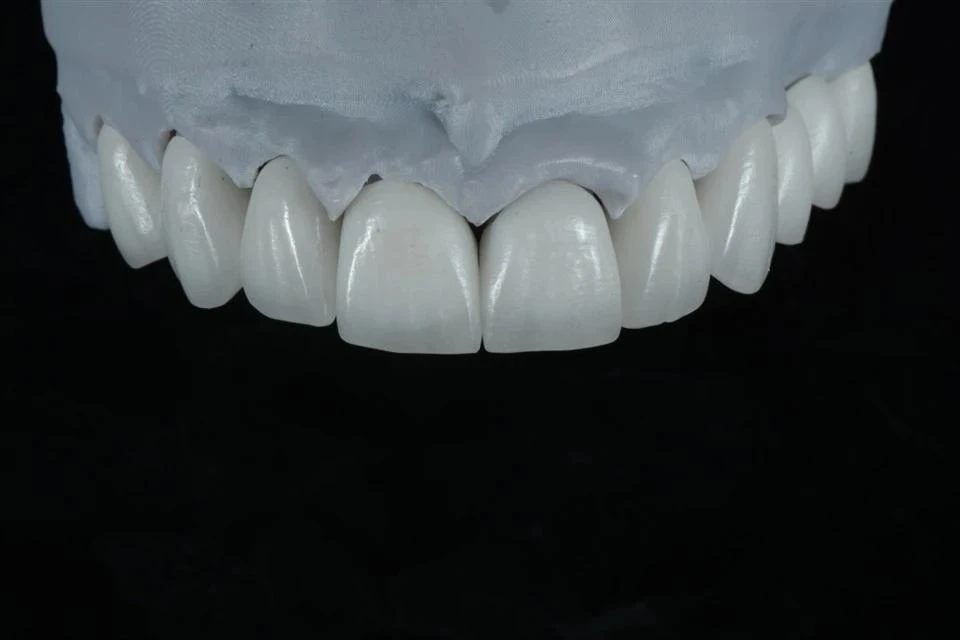
Why U.S. Dental Practices Choose Dental Lab Outsourcing
Most U.S. dental practices no longer maintain full in-house production capacity. The reasons are structural: skilled dental technicians are in short supply, CAD/CAM equipment requires significant capital investment, and material costs continue to climb. The American Dental Association's Health Policy Institute reported that dental equipment and supply costs rose approximately 6% over a 12-month period through early 2026, while staff wages grew only about 2%. That margin squeeze pushes practices to seek laboratories that can deliver consistent quality at controlled cost.
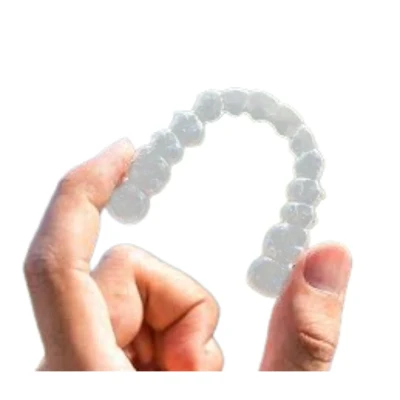
Outsourcing also gives practices access to specialized capabilities-full-arch implant prosthetics, clear aligner fabrication, and high-aesthetic layered ceramic work-that few single-location labs can produce economically. The key is recognizing that dental lab outsourcing is not a commodity transaction. The laboratory you choose becomes an extension of your clinical team.
A lab partner that understands your prescribing habits, material preferences, and occlusal philosophy will consistently produce better-fitting restorations than one treating each case as a standalone order.
Dental Restoration Categories and Laboratory Capability Requirements
Different restoration types place different demands on a laboratory's technical capacity, material inventory, and technician expertise. Matching case complexity to lab capability is the first practical step in dental lab outsourcing partner selection.
Crown and Bridge
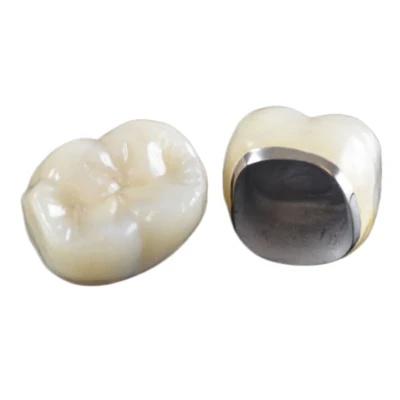
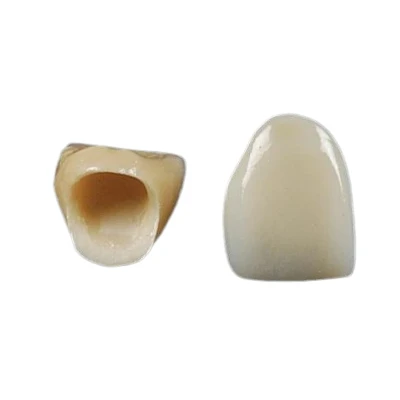
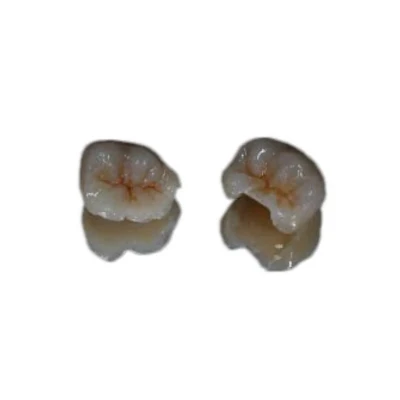
Crown and bridge work-single-unit crowns, multi-unit bridges, inlays, and onlays-represents the highest-volume category in most practices. Materials range from porcelain-fused-to-metal (PFM) to monolithic zirconia and lithium disilicate. A competent dental laboratory should offer material guidance based on the clinical situation, not just default to whatever is cheapest to produce.
Implant Restorations
Implant restorations include abutments, screw-retained crowns, and full-arch fixed prostheses (All-on-X). These cases demand precise interface fit with specific implant systems-Straumann, Nobel Biocare, Zimmer Biomet, and others-and tolerance for error is minimal. The lab must maintain current component libraries and demonstrate experience with your preferred implant platforms.
Full-Arch Restorations
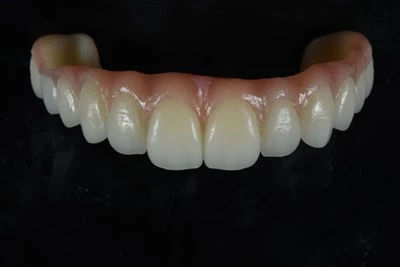
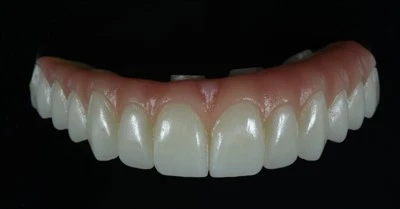
Full-arch cases are among the most technically demanding products in restorative dentistry. They require coordinated digital design, occlusal management, and aesthetic layering across an entire arch. Not every lab can deliver these predictably.
Veneers, Dentures, Orthodontic Appliances, and Guards
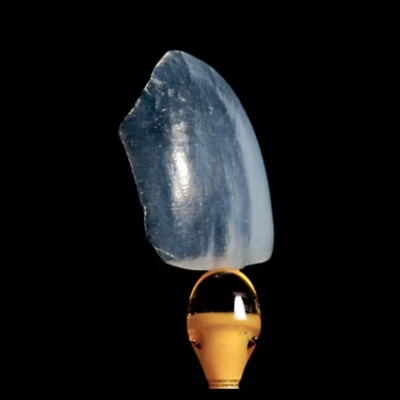
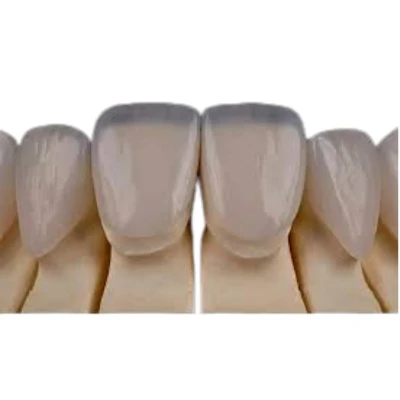
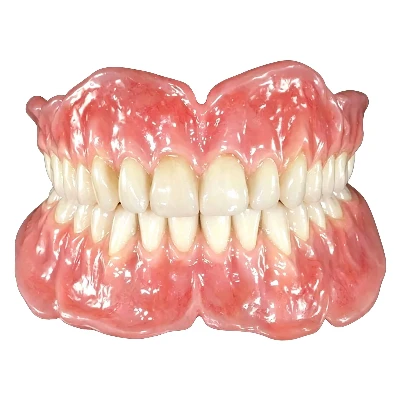
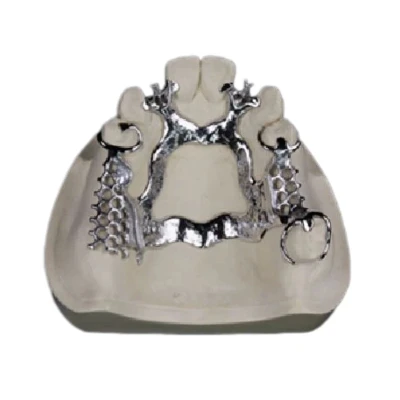
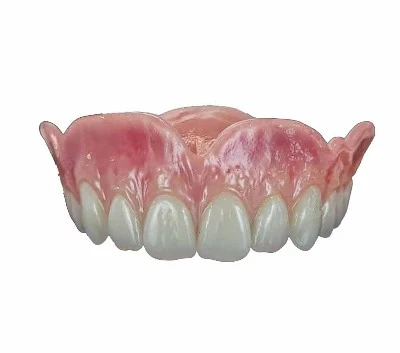
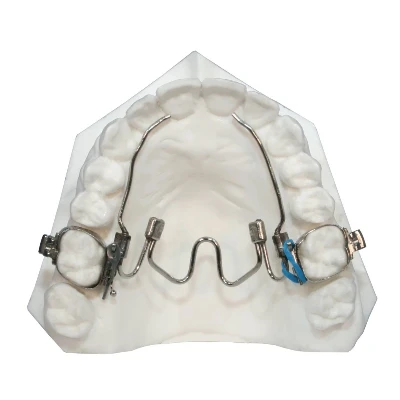
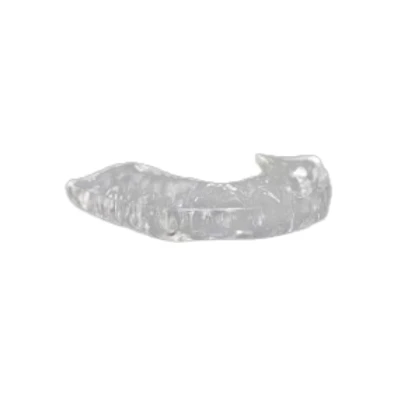
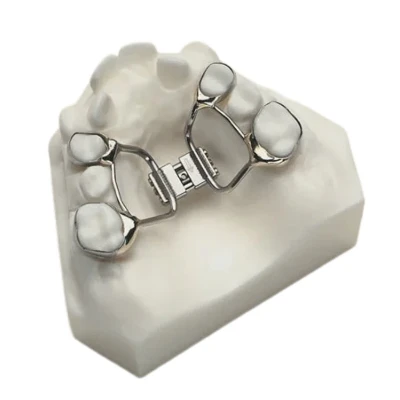
Dental veneers demand high aesthetic skill-color matching, translucency control, and minimal-prep fit. Removable dentures require expertise in both framework casting and tooth arrangement. Orthodontic appliances and occlusal guards (night guards, splints) are lower-complexity but still depend on accurate model work and material durability.
The table below summarizes the primary demands of each category:
Table 1. Product Categories and Lab Capability Requirements
|
Category |
Key Technical Demand |
Material Examples |
Complexity Level |
|
Crown & Bridge |
Margin fit, occlusal accuracy |
Zirconia, lithium disilicate, PFM |
Moderate |
|
Implant Restorations |
Implant interface precision |
Titanium abutments, zirconia hybrids |
High |
|
Full-Arch |
Occlusal scheme, aesthetic integration |
Monolithic zirconia, acrylic hybrids |
Very High |
|
Veneers |
Translucency and shade control |
Feldspathic ceramic, lithium disilicate |
High |
|
Removable Dentures |
Framework fit, tooth arrangement |
Co-Cr alloy, acrylic resin |
Moderate |
|
Ortho / Guards |
Model accuracy, material toughness |
PMMA, PET-G |
Low |
Practices should verify that a prospective lab has documented experience in the categories they send most frequently-not just a general service list on a website.
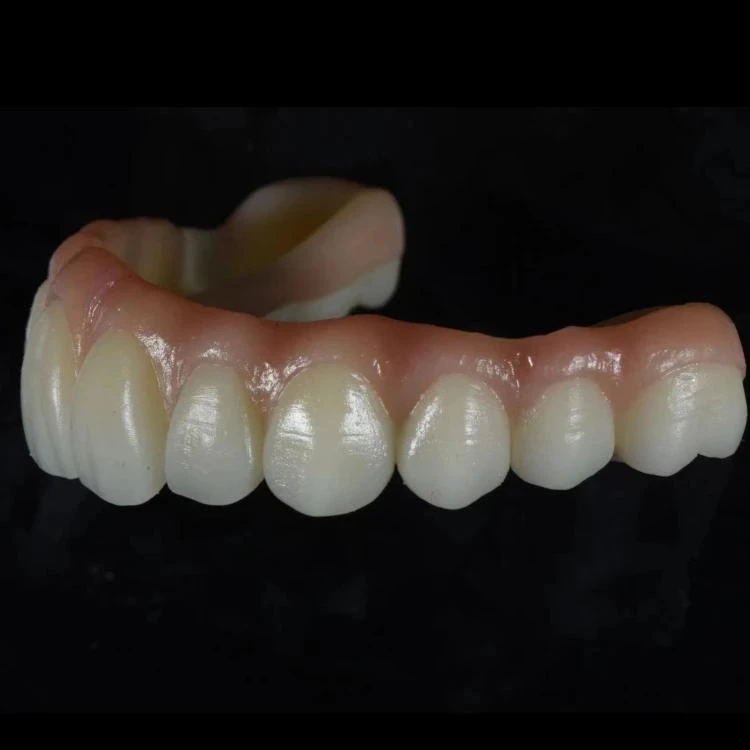
What to Look for in a Dental Lab Outsourcing Partner
Selecting a dental lab outsourcing partner comes down to five evaluation areas. Each one can be assessed before committing to a full case load.
Technical Capability and Digital Workflow
A modern digital dental laboratory should operate on a digital workflow: intraoral scan file acceptance (STL, PLY), CAD design software (exocad, 3Shape), and CAM production (milling or 3D printing), including applications such as CAD/CAM zirconia crown production. Labs still relying exclusively on physical impressions and hand-waxing will struggle with turnaround consistency and complex cases. Ask whether the lab accepts digital files directly and which scanner file formats they support.
Material Quality and Traceability
Restoration materials must meet recognized dental lab quality standards. Zirconia discs, lithium disilicate blocks, and implant components should be traceable to their manufacturer with lot numbers available on request. This is not excessive diligence-material traceability is a basic expectation for any lab handling medical devices.
Regulatory Compliance
Dental prosthetics delivered to U.S. patients fall under FDA regulation. Many custom-fabricated dental restorations fall within Class I or Class II device categories, although specific regulatory obligations depend on the product classification, manufacturer role, and applicable exemptions. Relevant requirements may include establishment registration, device listing, and compliance with the FDA's Quality Management System Regulation (QMSR, 21 CFR Part 820), where applicable. The QMSR establishes medical device quality management requirements covering production processes, documentation, and corrective actions.
ISO 13485 is the international standard for medical device quality management systems. A lab holding ISO 13485 certification has undergone third-party audit of its processes-an objective signal of quality system maturity. FDA registration indicates that an establishment is registered with the agency for relevant device activities; it does not constitute FDA approval or certification. Understanding these dental lab certifications can help practices assess a laboratory's quality management and regulatory credentials. These are important credentials to verify when evaluating a dental lab outsourcing partner, although specific legal requirements vary by device and manufacturer.
Turnaround Time
Turnaround expectations should be explicit and contractual. Understanding the factors that affect dental lab turnaround time helps practices establish realistic delivery schedules. Domestic U.S. labs typically deliver crown and bridge work in 5–10 business days. Offshore labs generally quote 7–10 calendar days including shipping, with digital submission reducing transit time by at least a day compared to physical impressions. Full-arch and complex implant cases take longer regardless of lab location.
Communication and Case Support
The single most common failure point in lab partnerships is communication breakdown. A lab worth partnering with will provide:
- A designated case manager or technician contact
- Pre-production case review for complex prescriptions
- Clear channels for remakes and adjustments
- Digital case tracking from submission to dispatch
Labs that respond to questions within hours-not days-catch margin errors, shade mismatches, and design issues before production begins. That responsiveness saves chair time that would otherwise be lost to remakes.
The table below compares typical attributes of domestic and overseas dental labs:
Table 2. Domestic vs. Offshore Dental Lab Comparison
|
Attribute |
Domestic (U.S.) |
Offshore |
|
Typical turnaround |
5–10 business days |
7–10 calendar days (incl. shipping) |
|
Cost per unit |
Higher |
Lower (often 40–60% less) |
|
Communication time zone |
Same |
Offset (requires process discipline) |
|
Regulatory visibility |
FDA registration easier to verify, where applicable |
Requires explicit compliance audit |
|
Best suited for |
Rush cases, complex full-arch |
High-volume crown & bridge, dentures |
Neither option is universally superior. Many practices use a domestic lab for time-sensitive or complex cases and an overseas dental lab outsourcing partner for high-volume routine work.
Common Dental Lab Outsourcing Mistakes to Avoid
Several recurring errors undermine outsourcing relationships:
- Choosing on price alone. The cheapest lab rarely delivers the lowest total cost when remakes, adjusted appointments, and patient dissatisfaction are factored in.
- Skipping trial cases. Sending a full case load to an untested lab is avoidable risk. Start with 3–5 representative cases across different categories.
- Vague prescriptions. Shade descriptions, margin design, occlusal contact preferences, and material selection must be specified. Ambiguity at the prescription stage produces ambiguity in the restoration.
- No performance review. Practices should track remake rates, fit accuracy, and aesthetic consistency quarterly, while identifying opportunities to reduce dental restoration remakes. A lab that performed well two years ago may have shifted technicians or processes since.
Practices that treat lab selection as a one-time decision rather than an ongoing managed relationship tend to experience quality drift over time.
How to Evaluate a Dental Laboratory Before Outsourcing Cases
A structured approach produces better results than informal trial and error. Understanding the dental lab outsourcing process from case submission to delivery can also help practices establish clear expectations. Begin by shortlisting 2–3 labs based on product fit and stated capabilities. Request documentation: FDA registration number where applicable, ISO 13485 certificate, material brand lists, and sample turnaround commitments. Send trial cases across your most common categories. Evaluate fit, aesthetics, and communication responsiveness. Compare remake rates after the first 20–30 cases.
Only after this evidence base is established should a practice commit to a primary dental lab outsourcing partnership arrangement.
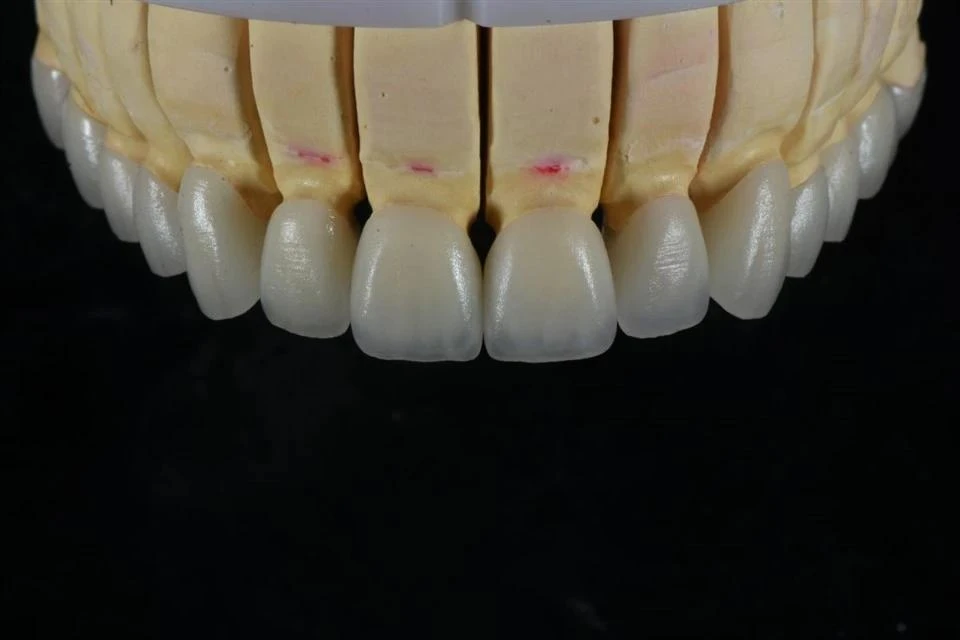
Conclusion
Finding the right dental laboratory partner means matching case complexity to lab capability, verifying regulatory compliance, and demanding communication standards that prevent errors before production. The labs that serve practices best are those that function as a clinical extension-not a distant vendor processing orders.
ADS Dental Laboratory Ltd is a full-service digital dental laboratory based in Shenzhen, China, specializing in long-term dental lab outsourcing for overseas dentists and dental laboratories, with capabilities spanning custom restorations, CAD/CAM manufacturing, structured quality control, and international case support, backed by ISO 13485 certification and U.S. FDA registration for applicable dental product categories. Contact our team to discuss your case volume, product mix, quality requirements, or potential trial cases and explore how we can support your practice.
FAQ
How do I choose the right dental lab outsourcing partner for my practice?
Start by evaluating the laboratory's experience with your most common restoration types, digital workflow compatibility, material quality, quality control procedures, and communication standards. Request relevant regulatory documentation and submit 3–5 trial cases before committing to a long-term partnership. Consistent fit, aesthetics, turnaround time, and responsive case support are more important than price alone.
Is overseas dental lab outsourcing a good option for U.S. dental practices?
Overseas dental lab outsourcing can be a practical option for U.S. practices seeking cost-effective production and access to specialized dental technicians. However, practices should evaluate total turnaround time, international shipping, regulatory compliance, material traceability, communication responsiveness, and remake policies. An overseas laboratory is most valuable when it delivers reliable quality and predictable service rather than simply offering lower prices.
Can U.S. dental practices send digital impressions to an overseas dental laboratory?
Yes. Many digital dental laboratories accept intraoral scan files, including STL and PLY formats, for CAD/CAM design and manufacturing. Before submitting cases, confirm which scanner systems and file formats the laboratory supports, how prescriptions and supporting records should be submitted securely, and whether digital design approval is available for complex restorations.
How can dental practices reduce remakes when outsourcing restorations?
Remake risks can be reduced through accurate digital impressions, complete laboratory prescriptions, clear shade instructions, and pre-production case reviews. Practices should also select laboratories with documented quality control procedures covering margins, contacts, occlusion, and aesthetics. Tracking remake rates and reviewing recurring issues with the laboratory can help improve long-term consistency.
What should U.S. dental practices consider when comparing dental lab outsourcing costs?
Compare the total cost of each restoration rather than the laboratory's quoted unit price alone. Important factors include material costs, shipping fees, remake policies, turnaround time, chairside adjustment requirements, and communication efficiency. A laboratory with a higher initial price may offer better overall value if it consistently reduces remakes and additional appointments.
Appendix: Sources
- Dental Laboratories Market Size, Outlook Report - Polaris Market Research
- American Dental Association Health Policy Institute - U.S. Economic Status Report, Q1 2026
- U.S. Food and Drug Administration - Classify Your Medical Device / 21 CFR Part 820 Quality Management System Regulation
- Dental Lab Outsourcing Turnaround Benchmarks - Industry Laboratory Reference (company name omitted)