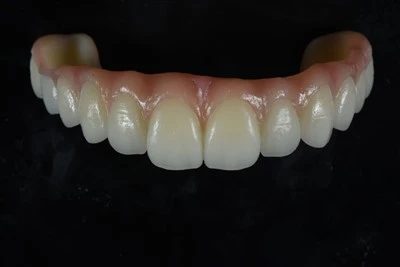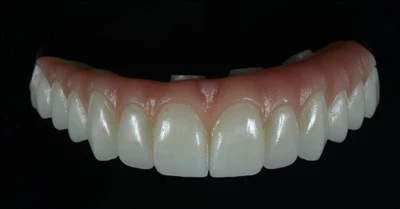
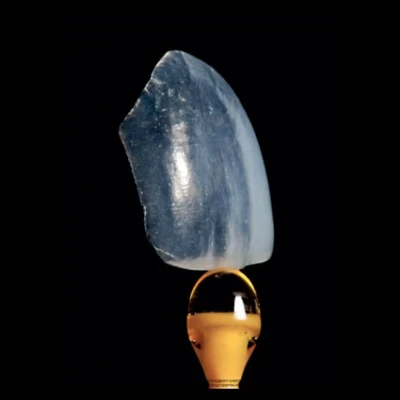
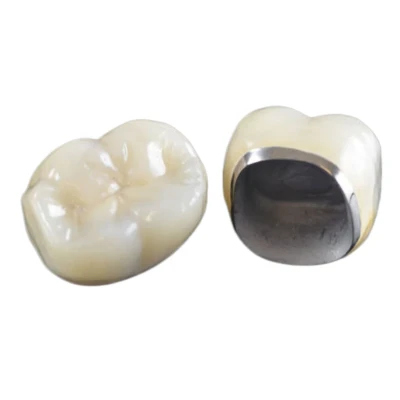
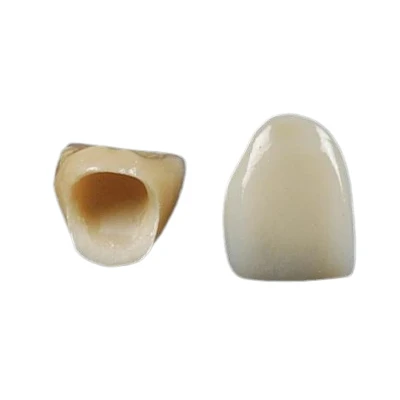
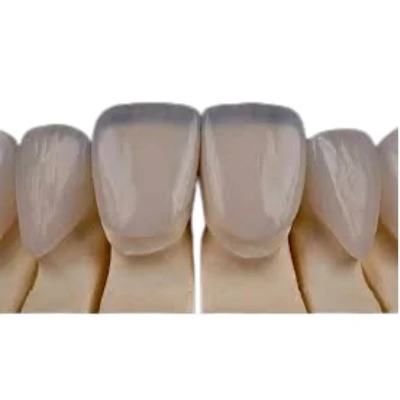
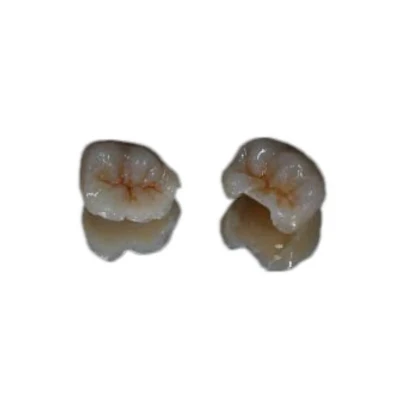
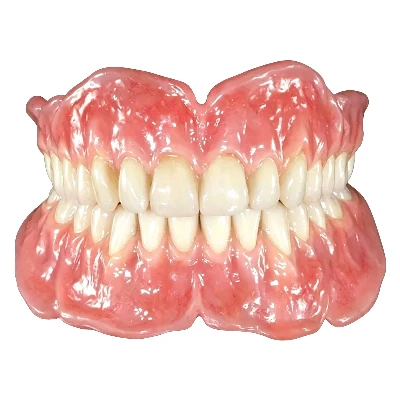

Zirconia crowns are metal-free ceramic restorations made primarily from zirconium dioxide, or ZrO₂. They are widely used because they combine high strength, good biocompatibility, and efficient CAD/CAM manufacturing. Modern zirconia is not one uniform material. Different formulations offer different levels of strength, translucency, and clinical flexibility. Choosing the right option requires more than selecting a brand name; it requires matching the material to the tooth position, occlusal load, preparation design, esthetic demand, and restoration type.

What Is a Zirconia Crown?
A zirconia crown is a full-coverage dental restoration made from zirconium dioxide ceramic. In restorative dentistry, zirconia belongs to the all-ceramic category because it does not require a conventional metal substructure. The material is usually stabilized with yttria, which helps control its crystal structure and mechanical behavior.
Zirconia became a major restorative material partly because it works well with digital manufacturing. A typical CAD/CAM zirconia crown workflow includes an intraoral or model scan, digital crown design, milling from a presintered zirconia blank, final sintering, characterization, glazing or polishing, and quality inspection.
This workflow allows dental laboratories to standardize occlusal anatomy, proximal contacts, margins, and case records. It also supports efficient communication between clinics and laboratories through digital files.
The term "zirconia crown material" can still be misleading if it is treated as a single category. High-strength 3Y zirconia, balanced 4Y zirconia, and high-translucency 5Y zirconia do not perform in the same way. Their differences matter clinically.
What Are the Different Types of Zirconia Crowns?
Zirconia crowns should be classified in two separate ways: by restoration structure and by material composition. Mixing these categories creates unnecessary confusion.
Monolithic vs Layered Zirconia Crowns
A monolithic zirconia crown is milled primarily from one zirconia material and does not rely on a thick external porcelain layer. It is especially useful where fracture resistance is the priority.
A layered or veneered zirconia crown uses a zirconia framework covered with veneering ceramic to improve color depth, texture, and incisal effects. Its main weakness is possible chipping or fracture of that porcelain layer. Monolithic zirconia removes this specific complication, although it can still fracture, debond, or develop marginal problems.
3Y, 4Y, and 5Y Zirconia
The terms 3Y, 4Y, and 5Y refer to the approximate molar percentage of yttria used to stabilize zirconia. As yttria content increases, the cubic-phase fraction generally increases. Translucency improves, but transformation-toughening capacity and mechanical strength usually decrease.
|
Zirconia type |
Main performance profile |
Approximate flexural strength* |
Common clinical direction |
|
3Y zirconia |
Highest strength and stronger transformation toughening |
About 900–1,200 MPa; some products are higher |
Posterior crowns, high-load cases, masking discolored substrates |
|
4Y zirconia |
Balance of strength and translucency |
About 600–1,000 MPa |
Anterior or posterior single crowns, mixed functional-esthetic cases |
|
5Y zirconia |
Highest translucency among the three main groups |
About 400–700 MPa |
Esthetic single crowns and selected lower-load indications |
*Values vary by product, processing method, specimen design, aging protocol, and test method.
3Y zirconia is selected when mechanical performance and masking are the main concerns. 4Y is the practical middle category, with better light transmission than 3Y and more strength than many 5Y products. 5Y favors optical performance and may suit anterior crowns, but posterior, multi-unit, and high-load indications must be confirmed in the product instructions.
Multilayer and Gradient Zirconia
Multilayer zirconia usually refers to a zirconia blank with gradual changes in shade, translucency, strength, or a combination of these properties. It is not the same as a layered zirconia crown.
A multilayer crown may still be monolithic because the entire restoration is milled from one gradient blank. By contrast, a layered crown has a zirconia framework with a separately applied veneering ceramic.
Some multilayer blanks provide only color transitions; others also vary strength or translucency. The laboratory must understand the blank design and position the restoration correctly during nesting.
What Are the Benefits of Zirconia Crowns?
The main advantage of zirconia is mechanical reliability. High-strength formulations can tolerate substantial occlusal forces, which makes them useful for posterior crowns and other demanding indications. This strength also allows selected monolithic zirconia products to work with relatively conservative material thicknesses, provided that the specific product permits it.
Modern zirconia also offers better esthetics than early opaque formulations. High-translucency and multilayer materials can reproduce more natural color transitions, while staining and surface characterization can improve cervical saturation, fissure detail, and incisal effects.
Zirconia is generally regarded as biocompatible. It provides a metal-free restorative option and avoids the gray metal margin that may become visible with some metal-ceramic crowns. Its light color can also help when the patient prefers an all-ceramic restoration.
The material is highly compatible with CAD/CAM production. Digital design, milling, sintering, and case archiving allow the laboratory to reproduce workflows more consistently and communicate design choices more clearly with the dentist.
Monolithic zirconia has another practical benefit: it reduces the risk of veneering-porcelain chipping. That does not make it complication-free, but it removes one common weak layer from the restoration.
These benefits explain why zirconia crowns are used across a wide range of cases. Their value is strongest when the selected formulation matches the actual clinical demand.

Limitations and Potential Complications of Zirconia Crowns
Zirconia is not automatically the best crown material for every tooth.
High-translucency zirconia usually sacrifices some strength compared with conventional 3Y materials. A 5Y crown may look more natural in a favorable anterior case, but it is a poor choice when the restoration design or occlusal environment requires a higher-strength material than the product can provide.
Layered zirconia may chip at the veneering ceramic. Monolithic zirconia avoids that particular failure mode, but it can still fail through bulk fracture, loss of retention, poor marginal fit, inadequate connector design, or excessive occlusal adjustment.
Esthetics also remain case-dependent. A highly translucent zirconia crown may allow a dark preparation to influence the final shade. A more opaque zirconia may mask the substrate but appear less natural at the incisal edge. In demanding anterior cases, lithium disilicate or a layered ceramic design may provide better optical control.
Surface condition is another important limitation. Zirconia that is aggressively adjusted and left rough can increase wear on the opposing enamel. Proper repolishing is not optional after significant occlusal adjustment.
The material performs well when design, processing, finishing, and cementation are controlled. Strength alone cannot compensate for poor clinical or laboratory decisions.
Clinical Applications of Zirconia Crowns
Posterior Crowns and High-Load Cases
Posterior crowns are one of the clearest indications for high-strength zirconia. Monolithic 3Y or other approved high-strength zirconia materials are commonly selected where fracture resistance is the main concern.
They are particularly useful for strong occlusal contacts, limited restorative space, or parafunctional habits such as clenching and grinding. Proper occlusal design still matters. Reduced-thickness use is appropriate only when the specific product permits it.
Anterior Esthetic Crowns
Anterior zirconia crowns require a different priority. The material must reproduce value, translucency, surface texture, and the color influence of the underlying tooth.
4Y zirconia is often useful when the case needs both strength and improved esthetics. 5Y or multilayer zirconia may work well when translucency is the main goal and the preparation shade is favorable. Layered zirconia can provide more control over incisal effects and surface characterization.
The preparation shade should always be communicated to the laboratory. A dark core, metal post, or titanium abutment may require greater opacity than a highly translucent material can provide.
For a single central incisor with complex optical demands, zirconia should be compared with lithium disilicate rather than selected by default.
Implant-Supported Zirconia Crowns
Zirconia is widely used for implant-supported single crowns because it offers strength, a metal-free outer restoration, and useful masking ability. It may be cemented to a titanium base, screw-retained, or incorporated into another implant restoration design depending on the system.
Implant crowns require careful control of the screw-access channel, emergence profile, contacts, occlusion, and material thickness. The implant system and zirconia indication must be confirmed before production.
Prefabricated Zirconia Crowns in Pediatric Dentistry
Prefabricated zirconia crowns are used for selected severely damaged primary teeth, developmental defects, and teeth after pulp therapy. They come in preset shapes and sizes and are not equivalent to custom CAD/CAM crowns for permanent teeth. Their preparation and retention protocols form a separate clinical system.
Zirconia covers posterior, anterior, implant, and pediatric indications, but each category requires a different design and material decision.
How to Choose the Right Zirconia for Each Case
There is no single best zirconia crown material. The correct choice comes from the clinical requirements.
|
Clinical factor |
Preferred direction |
|
Posterior tooth with high occlusal load |
High-strength 3Y or another approved high-strength monolithic zirconia |
|
Anterior tooth with high esthetic demand |
4Y, 5Y, multilayer, or layered zirconia depending on substrate and space |
|
Need for both strength and improved translucency |
4Y or an approved gradient zirconia |
|
Dark preparation or metal abutment |
Zirconia with stronger masking ability |
|
Limited occlusal space |
Product specifically approved for reduced material thickness |
|
Bruxism or clenching |
High-strength monolithic zirconia with controlled occlusion and careful polishing |
|
Multi-unit restoration |
Product approved for the span and connector dimensions |
|
Short or poorly retentive preparation |
Reassess preparation design and plan an appropriate resin-bonding strategy |
The dentist should also provide the laboratory with the tooth number, restoration type, shade, preparation shade, opposing material, occlusal condition, implant system if applicable, and any specific contact or contour requirements.
Brand names are not enough. Two materials sold as "high translucent zirconia" may have different strength, minimum thickness, bridge indications, and sintering requirements.
The most reliable selection process matches the restoration to the patient first, then confirms that the chosen material is approved for that use.
Preparation, Cementation, and Finishing Considerations
Tooth Preparation and Material Thickness
Zirconia crown preparation should provide a clear margin, rounded internal line angles, adequate material space, and a path of insertion that supports retention. Sharp internal corners and abrupt contour changes create stress concentration and complicate milling.
Minimum thickness must be separated from tooth-reduction depth. Some high-strength monolithic products have shown adequate fracture resistance near 0.5 mm in laboratory testing, but this is not a universal clinical standard. Required thickness and bridge-connector dimensions depend on the product, tooth position, load, anatomy, and margin design.
Cementation and Bonding
Zirconia crowns may be conventionally cemented or adhesively bonded depending on the preparation and restoration design.
A preparation with adequate height and resistance form may allow conventional cementation or a resin-modified glass ionomer cement. Short, over-tapered, or low-retention preparations often benefit from resin cementation.
Contamination control matters. Saliva and blood introduced during try-in can reduce zirconia bond strength. The internal surface should be cleaned with a method compatible with the selected primer and cement system.
When adhesive bonding is required, MDP-containing primers or resin cements are commonly used because MDP can chemically interact with zirconia. The exact sequence should follow the product instructions. Mixing cleaners, primers, desensitizers, and cements from unrelated systems without checking compatibility creates avoidable failures.
Isolation remains critical. A resin-bonded crown placed in a wet field is not a predictable restoration.
Occlusal Adjustment and Polishing
Occlusal adjustment changes the zirconia surface. Coarse diamond instrumentation can leave grooves that increase surface roughness and antagonist wear.
Any adjusted zirconia should be repolished with a dedicated zirconia polishing sequence. A smooth, highly polished surface is generally more important for controlling opposing enamel wear than relying on glaze alone.
The laboratory should deliver a crown with stable contacts, controlled occlusion, smooth margins, and a finished surface. The dentist should preserve that surface whenever possible and restore it properly after adjustment.
Good finishing turns zirconia's hardness into a clinical advantage rather than a wear risk.
Zirconia vs Other Crown Materials
Zirconia vs Lithium Disilicate
Zirconia generally offers higher mechanical strength and better masking ability than lithium disilicate. It is often preferred for posterior crowns, high-load cases, dark substrates, and implant-supported restorations.
Lithium disilicate usually offers stronger optical depth and more predictable translucency in demanding anterior cases. It can be etched with hydrofluoric acid and bonded through a silane-based protocol, while zirconia requires a different surface-treatment strategy.
The choice should not be reduced to flexural-strength numbers. A well-bonded lithium disilicate crown may be the better restoration for a favorable anterior case, while high-strength zirconia is usually the safer option for a heavily loaded posterior tooth.
Zirconia vs PFM Crowns
Porcelain-fused-to-metal crowns use a metal framework covered with veneering porcelain. They have a long clinical history and remain useful in many restorative situations.
Zirconia removes the traditional metal framework and may improve cervical esthetics, especially where a metal margin could become visible. Monolithic zirconia also avoids the thick veneering layer used in conventional PFM crowns.
Both systems can still fail. PFM crowns may develop porcelain chipping or metal-related esthetic problems. Zirconia crowns may fracture, debond, or appear too opaque if the wrong material is selected.
For many modern single crowns, zirconia offers the more efficient digital workflow. PFM remains a valid option when the clinical design, available space, or laboratory strategy supports it.

Conclusion
Zirconia crowns are strong, metal-free ceramic restorations available in several clinically distinct forms. 3Y generally prioritizes strength, 4Y balances strength and translucency, and 5Y prioritizes esthetics. Monolithic zirconia reduces veneer-chipping risk, while layered zirconia offers more esthetic control. The final result depends on material selection, crown design, laboratory processing, cementation, and occlusal finishing.
ADS Dental Laboratory Ltd provides digital zirconia crown support for overseas dentists and dental laboratories, from material selection and CAD design to milling, finishing, and case-specific communication. Contact our team to discuss zirconia options for your next case.
FAQ
Are zirconia crowns suitable for front teeth?
Yes. 4Y, 5Y, multilayer, and layered zirconia can all be used for selected anterior crowns. The final choice depends on the preparation shade, available thickness, adjacent-tooth translucency, and required incisal effects.
Which zirconia is best for posterior crowns?
High-strength 3Y or another approved monolithic zirconia is usually the strongest starting point for posterior crowns. The exact product must be suitable for the tooth position, material thickness, and occlusal load.
Do zirconia crowns wear opposing teeth?
They can if the surface is rough. Highly polished zirconia is less abrasive than poorly adjusted zirconia or a rough glazed surface. Any occlusal adjustment should be followed by complete repolishing.
Should zirconia crowns be bonded or cemented?
It depends on preparation retention and restoration design. Retentive preparations may allow conventional cementation. Low-retention cases often require resin cementation with proper cleaning, isolation, and an MDP-compatible system.