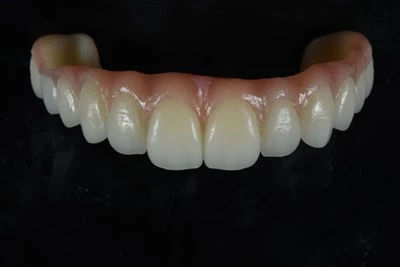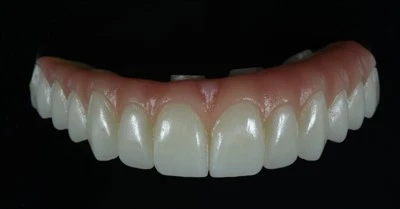


Choosing an implant dental lab is different from choosing a lab for routine crown and bridge work. Implant cases introduce more variables: implant system compatibility, scan-body accuracy, component selection, passive fit, screw access, restorative space, occlusion, soft-tissue design, and-when full-arch treatment is involved-the coordination of surgical and restorative workflows.
For dentists, the "best" implant lab is therefore not necessarily the largest or the cheapest. It is the lab whose capabilities match your case mix, digital workflow, service expectations, and tolerance for logistical complexity.
This guide compares 10 implant dental laboratories worth evaluating in 2026, ranging from large U.S. laboratories and full-arch specialists to digital-first platforms and international outsourcing partners.

How We Selected the Labs
We did not select laboratories simply because they appeared frequently in Google results.
For this guide, we reviewed publicly available information from laboratory websites, industry directories, professional organizations, company profiles, technical documentation, digital workflow pages, certification information, and other business sources.
The factors that mattered most were:
- Depth of implant restoration services
- Single-unit, multi-unit, and full-arch capabilities
- All-on-4 / All-on-X workflow support
- Implant-system compatibility
- Digital impressions and CAD/CAM workflow
- Surgical planning and guide capabilities
- Photogrammetry or other full-arch record-capture options
- Technical consultation and case-planning support
- Published turnaround information
- Warranty or remake policies
- Quality systems and industry credentials
- Ability to support the type of dentist or organization the lab targets
For dentists comparing suppliers, general dental lab quality standards are also worth reviewing alongside implant-specific capabilities. A broad product list means little if case traceability, communication, fit verification, and final quality control are inconsistent.
Our approach also follows Google's guidance on producing useful review and comparison content: evaluate options from a user's perspective, discuss important decision factors, explain differences, provide evidence, and help readers determine which option may suit a particular situation rather than simply rewriting manufacturer descriptions.

10 Implant Dental Labs at a Glance
|
Dental Lab |
Location / Network |
Particularly Worth Considering For |
Full-Arch Focus |
Digital Workflow |
|
Glidewell |
USA |
Broad implant restorative capability and system support |
Yes |
Strong |
|
NDX nSequence |
USA |
Guided full-arch and All-on-X |
Very strong |
Very strong |
|
ROE Dental Laboratory |
USA |
GuidedSMILE and advanced full-arch workflows |
Very strong |
Very strong |
|
DDS Lab |
USA |
Group practices, DSOs and scalable implant support |
Yes |
Strong |
|
Burbank Dental Lab |
USA |
Photogrammetry and complex full-arch cases |
Very strong |
Very strong |
|
Keating Dental Lab |
USA |
Personalized U.S.-made implant restorations |
Yes |
Strong |
|
Dandy |
USA |
Digital-first implant workflow |
Limited public full-arch detail |
Very strong |
|
Modern Dental |
Global |
International network and All-on-X services |
Yes |
Strong |
|
The Aurum Group |
Canada / USA |
Digital full-arch and guided surgery |
Very strong |
Very strong |
|
ADS Dental Laboratory |
China / Global |
International implant outsourcing |
Very strong |
Strong |

1. Glidewell Dental
Best for: Dentists looking for a large integrated U.S. lab with broad implant-system compatibility.
Glidewell is one of the most established names in U.S. dental laboratory services. Its implant offering covers custom abutments, implant crowns and bridges, screw-retained restorations, guided implant solutions, and full-arch services.
One of Glidewell's most useful differentiators for comparison purposes is information transparency. Its official custom implant abutment information includes published turnaround, component options, pricing information for dental professionals, and warranty details.
For dentists comparing abutment options, it is also worth understanding the clinical and laboratory differences between custom and stock implant abutments, because the abutment decision can affect emergence profile, restorative space, esthetics, and the final crown design.
What to verify: Pricing can vary by implant platform, restorative material, component source, and case complexity. Confirm whether OEM or compatible components are being used and request the total turnaround rather than manufacturing time alone.
2. NDX nSequence
Best for: Dentists performing guided full-arch rehabilitation and immediate-load workflows.
NDX nSequence is differentiated less by routine single implant crowns and more by structured full-arch planning.
Its Guided Prosthetics workflow integrates CBCT information, restorative planning, surgical guides, bone-reduction guides, provisional prostheses, and communication between the restorative dentist, surgeon, and laboratory.
This type of system can be valuable for practices performing All-on-X cases because responsibility is not limited to manufacturing the final prosthesis. The laboratory becomes involved earlier in treatment planning and helps coordinate the surgical-to-restorative transition.
What to verify: Guided full-arch workflows require more complete patient records than routine restorative cases. Confirm exactly which DICOM files, scans, photographs, impressions, bite records, and prosthetic information must be submitted before planning starts.
3. ROE Dental Laboratory
Best for: Advanced All-on-X, guided surgery, and digitally managed full-arch treatment.
ROE has built a distinctive position around CHROME GuidedSMILE and full-arch implant rehabilitation.
Its GuidedSMILE Digital workflow combines guided surgery with digital implant-position records and rapid prosthetic design. Its wider workflow supports technologies including photogrammetry, Grammetry, and in-practice 3D printing.
This makes ROE particularly relevant to clinicians who want an integrated All-on-X ecosystem rather than simply sending final implant impressions to a conventional laboratory.
What to verify: Workflow sophistication adds value only when it fits the way your practice actually performs surgery. Dentists primarily restoring individual implants may not need the same planning infrastructure as practices performing immediate-load full arches every week.
4. DDS Lab
Best for: Group practices, DSOs, and dentists who need scalable implant support.
DDS Lab combines conventional dental laboratory services with implant planning, surgical guides, digital case management, and technical consultation.
Its SAFE Guide implant workflow supports numerous major implant systems. That can be useful for multi-doctor practices that encounter several platforms rather than standardizing all implant treatment around one manufacturer.
System compatibility is a factor dentists should verify before every new laboratory relationship. An implant lab should be able to identify the platform, connection, component, and restoration options-not simply state that it works with "most systems." ADS, for example, also provides implant crowns compatible with major implant systems for cases submitted with the required implant information.
What to verify: Public pricing and turnaround data are less comprehensive for some DDS implant services, so request case-specific quotations and scheduling information before making direct cost comparisons.
5. Burbank Dental Lab
Best for: Complex full-arch cases where photogrammetry and close technical collaboration matter.
Burbank has invested heavily in multi-implant and full-arch digital workflows.
Its implant services include guided surgery, full-arch prosthetics, and iCam4D photogrammetry services. Photogrammetry can be particularly useful in full-arch treatment because accurately transferring multiple implant positions is more demanding than capturing a single implant.
The lab also publishes digital All-on-4 case material, giving dentists more insight into how the workflow is actually used rather than only listing available products.
What to verify: Determine whether photogrammetry support is available directly in your area, whether additional appointments are required, and how the laboratory combines implant-position data with soft-tissue and occlusal records.
6. Keating Dental Lab
Best for: Dentists wanting personalized technical support and U.S.-based implant production.
Keating provides custom abutments, screw-retained and cement-retained implant crowns, and full-arch implant solutions.
Its implant laboratory services support major implant systems and digital impressions from commonly used intraoral scanners. The company also publishes approximate turnaround expectations for many implant restorations.
Keating's differentiator is less about being the largest possible supplier and more about combining U.S.-based fabrication with direct dentist-to-technician communication.
For clinicians who are still comparing restorative approaches, our guide to implant crowns, materials, and restoration types provides additional background on how implant crowns can differ by retention design and material.
What to verify: Practices with substantial monthly volume should compare not only unit pricing but also technical responsiveness, batch consistency, component costs, and actual remake handling.
7. Dandy
Best for: Practices that want a highly digital implant workflow with strong chairside scanning support.
Dandy approaches implant laboratory work more like a digital platform than a traditional laboratory.
Its workflow emphasizes intraoral scanning, online case submission, scan review, digital design communication, and scan-body management. Dandy's implant scan-body workflow describes support for a wide range of implant systems.
This model can work especially well for practices that already operate digitally and want to reduce physical impressions and manual case administration.
What to verify: Dandy's public information is particularly strong around digital restorative implant cases. Clinicians whose practices are centered on complex guided All-on-X surgery should compare full-arch planning and surgical support independently rather than assuming that strong digital crown workflows automatically translate into the same level of full-arch support.
8. Modern Dental
Best for: Dentists or organizations that value a large international service network.
Modern Dental Group operates differently from a regional laboratory. It is a multinational dental prosthetics organization with multiple laboratory brands and service locations across different markets.
Modern Dental USA offers an All-on-X workflow involving case planning, guided options, restorative workflows, and support for complex full-arch treatment.
Its scale may appeal to larger dental organizations seeking geographic coverage and standardized production support.
What to verify: A global network does not necessarily mean every service center provides identical capabilities. Confirm which facility will manufacture your restoration, which team handles planning, what component systems are supported, and what turnaround applies to your location.
9. The Aurum Group
Best for: Canadian and U.S. dentists interested in digital full-arch workflows and stackable-guided surgery.
The Aurum Group's implant offering is particularly focused on digital full-arch treatment.
Its AurumTek NEXUS iOS workflow incorporates intraoral scanning, digital ordering, 3D prosthetic design approval, and optional try-in stages for full-arch restorations.
Aurum also offers guided surgical workflows designed around All-on-X treatment sequences. This illustrates why full-arch laboratories should not be compared purely by a quoted "price per arch." Planning, surgery coordination, provisionalization, design review, and record capture can materially change total clinical time.
What to verify: Ask whether the particular planning protocol, guide system, restorative material, chairside assistance, and component support you need are available in your geographic market.
10. ADS Dental Laboratory


Best for: Dentists and dental laboratories seeking an international outsourcing partner for both routine and complex implant prosthetics.
ADS Dental Laboratory is a full-service digital dental laboratory based in Shenzhen, China, focusing on B2B production for overseas dentists, clinics, dental groups, and other dental laboratories.
Its implant capabilities range from individual implant restorations and custom abutments to bridges and complex All-on-X implant bridges.
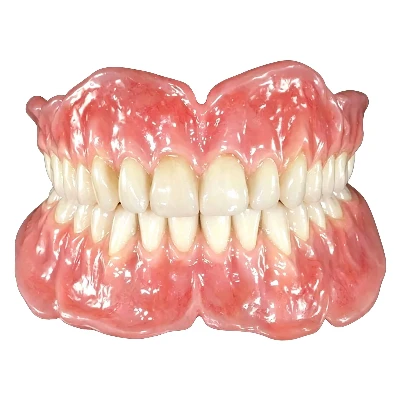
For larger cases, ADS also produces implant-supported full-arch bridges, including zirconia and other case-specific full-arch configurations.
Digital cases can be submitted using common digital records, while conventional cases can be shipped to the laboratory. The production environment combines digital design and manufacturing with traditional technician-driven finishing. Dentists unfamiliar with the process can review how a typical CAD/CAM dental workflow moves from scan and design through manufacturing and quality control.
What to verify: Overseas production changes the logistics equation. Dentists and laboratories should compare total door-to-door turnaround, shipping arrangements, communication windows, remake procedures, component availability, and case-documentation requirements-not production days alone.
Key Differences Between These Implant Labs
The largest difference between these laboratories is not simply "quality." It is workflow orientation.
For routine implant crowns and abutments, laboratories such as Glidewell, Keating, DDS, and Dandy provide relatively accessible restorative workflows.
For guided immediate-load and complex full-arch treatment, nSequence, ROE, Burbank, and Aurum place greater emphasis on planning systems, guided surgery, implant-position capture, and provisional-to-final workflows.
Modern Dental is differentiated by its international network.
ADS represents another model: centralized international production for dentists and dental laboratories that want scalable outsourcing across implant cases as well as other fixed restorations.
That distinction matters. A dentist sending five single posterior implants per month does not need the same laboratory infrastructure as a clinic performing multiple All-on-X procedures every week.
How to Choose an Implant Dental Lab
Before selecting a laboratory, ask for case-specific answers rather than relying on broad marketing claims.
1. Does the lab support your implant system?
Confirm the exact implant manufacturer, platform, connection, scan body, Ti-base or abutment option, and whether the component is OEM or third-party.
2. How are implant positions captured?
For full-arch cases, determine whether the laboratory supports conventional impressions, intraoral scans, photogrammetry, verification jigs, or another workflow.
3. Who reviews complex cases?
Ask whether you can communicate with an implant technician or case planner before manufacturing starts. Technical communication can be more valuable than a small difference in unit price.
4. Is design approval available?
For complex bridges and full arches, reviewing the proposed design before final manufacturing can reduce preventable remakes.
5. What is the real turnaround time?
Separate laboratory production time from record review, design approval, try-in stages, shipping, and customs.
6. What happens if a case needs adjustment or remake?
Read the actual policy. Determine whether the laboratory covers material failure, production error, incorrect clinical records, implant components, shipping, or changes requested after approval.
7. Can the laboratory scale with your practice?
Growing practices should evaluate technician consistency, case tracking, communication capacity, and production repeatability.
If outsourcing is part of your strategy, these considerations can be expanded into a broader checklist for choosing a dental lab outsourcing partner.
How to Start Working With a New Implant Lab
Do not begin a new laboratory relationship with your most complicated full-mouth rehabilitation.
Start with several representative cases that allow you to evaluate fit, contacts, occlusion, morphology, communication, packaging, turnaround, and response to feedback.
Send complete records whenever possible:
- Lab prescription
- Implant manufacturer and platform
- Scan-body information
- Opposing arch
- Bite record
- Shade information
- Gingival and tissue records
- Clinical photographs
- Occlusal requirements
- Emergence-profile instructions
- Any special restorative requirements
For full-arch cases, discuss the workflow before capturing final records. Confirm whether the lab expects CBCT data, IOS files, photogrammetry, verification records, provisional information, or a particular digital file format.
After the first few cases, evaluate the process, not only the restoration. A long-term laboratory relationship should become easier as the lab learns your preferences and treatment patterns.
If communication remains difficult after multiple cases, a lower laboratory fee may not compensate for additional chair time and administrative work.
Frequently Asked Questions
What should I look for in an implant dental lab?
Start with implant-system compatibility, technician support, digital capabilities, quality control, turnaround, warranty or remake policy, and experience with your typical case mix.
For full-arch treatment, add implant-position capture, surgical planning, provisionalization, and communication between the laboratory and clinical team.
Is a local implant lab always better than an overseas dental lab?
No.
A local laboratory may offer quicker physical logistics, easier chairside support, and face-to-face communication. An overseas laboratory may offer broader production capacity and a different cost structure.
The more useful comparison is total workflow reliability. Evaluate production, shipping, communication, case tracking, remake handling, and clinical chair time together.
Which lab is best for All-on-X cases?
There is no universal answer.
nSequence, ROE, Burbank, and Aurum publicly emphasize advanced guided or digital full-arch workflows. Modern Dental and ADS also provide All-on-X services.
The more relevant question is which workflow your practice requires: guided surgery, photogrammetry, immediate loading, chairside assistance, definitive prosthesis fabrication, or international outsourcing.
Should dentists choose OEM implant components?
That depends on the implant system, treatment plan, regulatory considerations, warranty requirements, and the dentist's preferences.
Before production, ask the laboratory to identify clearly whether the proposed components are OEM or compatible third-party components.
How important is photogrammetry for full-arch implant cases?
Accurate implant-position capture becomes especially important when several implants are splinted together in one prosthesis.
Photogrammetry is one method used in modern full-arch workflows, but it is not the only possible protocol. The appropriate method depends on the clinical situation, implant distribution, laboratory process, and restorative workflow.
Should price be the main factor when choosing an implant lab?
Usually not.
A lower laboratory invoice may be offset by additional chair time, remake costs, component changes, delays, or communication problems.
For complex implant restorations, compare the total cost of delivering the case, not simply the laboratory fee.
Final Thoughts
The best implant dental lab is the one that fits the way your practice actually treats implant patients.
For routine implant restorations, prioritize compatibility, fit consistency, communication, and predictable turnaround.
For All-on-X and full-arch treatment, planning quality, record accuracy, implant-position capture, prosthetic design, and coordination become much more important.
For dental groups and laboratories sending significant volume, scalability, technician consistency, case tracking, and production capacity should also be part of the decision.
If you are looking for an international production partner, ADS provides implant crowns, custom abutments, implant bridges, All-on-X restorations, full-arch prosthetics, and other customized dental restorations for overseas dentists and dental laboratories.
Have an implant case to evaluate? Send ADS your case files, implant information, and prescription so our team can review the restorative requirements and discuss the appropriate workflow before production.