

Shipping dental cases across borders is a routine part of modern dental laboratory outsourcing, yet it remains one of the most error-prone steps in the entire workflow. A cracked gypsum model, a distorted polyvinyl siloxane (PVS) impression, or a customs hold on an unlabeled package can delay a patient's restoration by days or even weeks.
For dental practices and laboratories wondering how to ship dental cases internationally, the solution is not simply choosing a faster courier. Reliable international dental case shipping depends on better process control at every stage, from disinfection and packaging to documentation, customs clearance, carrier selection, and case tracking.

What Counts as a Dental Case in International Shipping?
A dental case refers to the complete set of physical or digital materials sent between a dental practice and a dental laboratory for the fabrication of custom restorations.
In international dental lab outsourcing, a case typically includes one or more of the following:
- Patient impressions
- Poured gypsum or digital working models
- Bite registrations
- Shade information
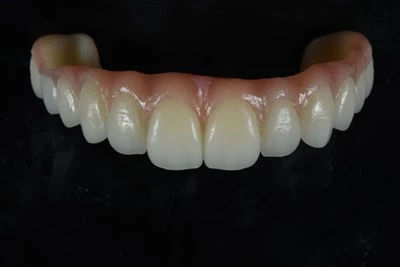
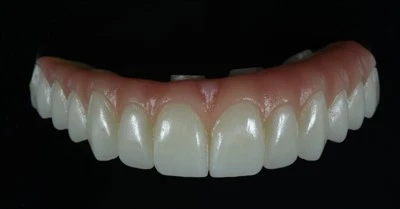
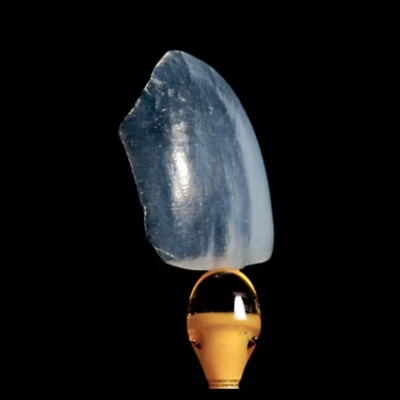
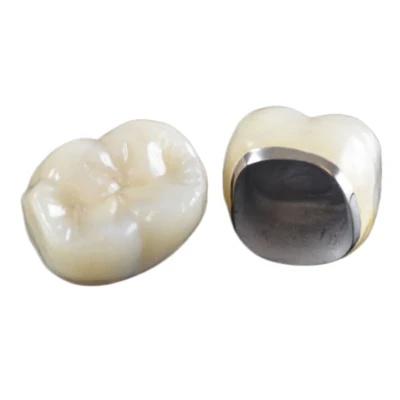
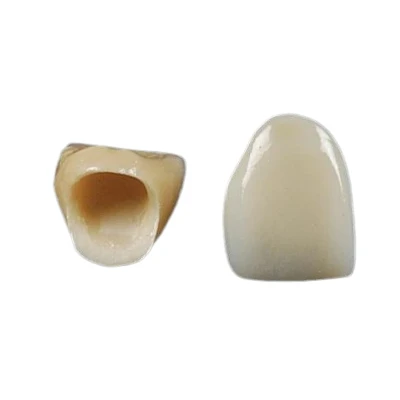
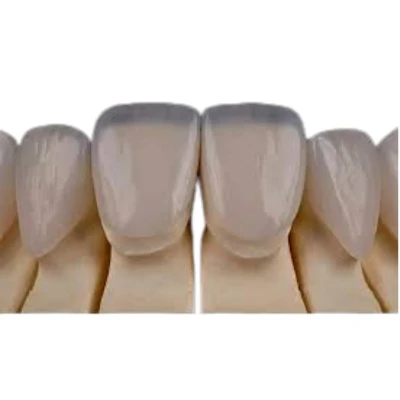
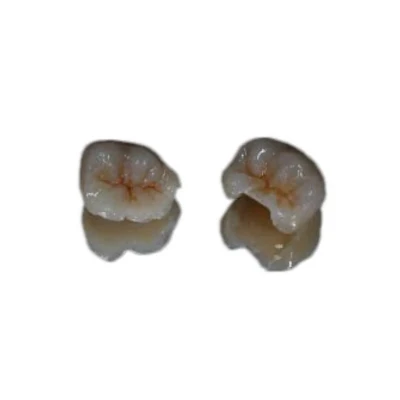
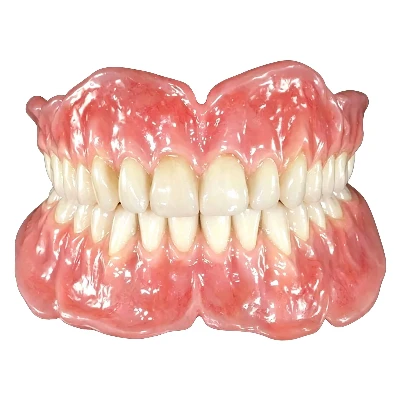
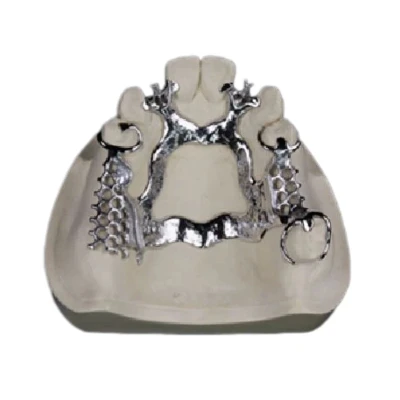
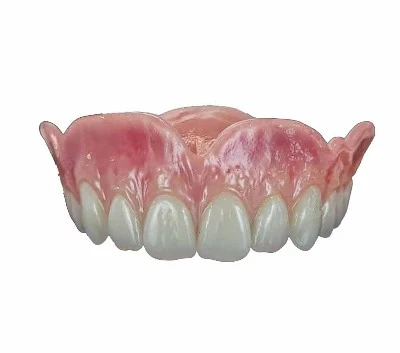
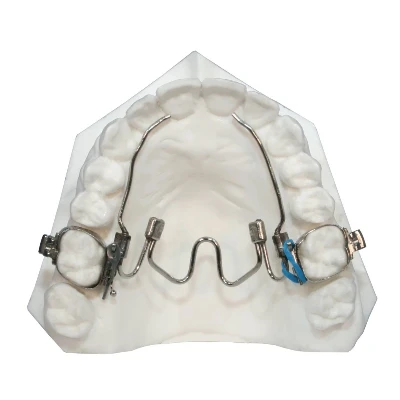
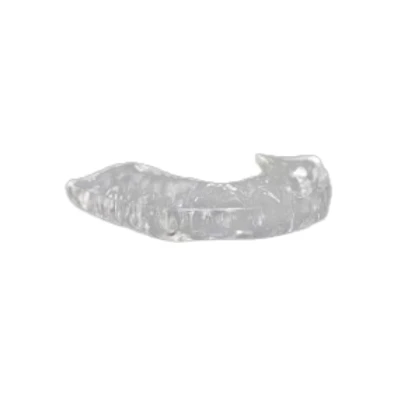
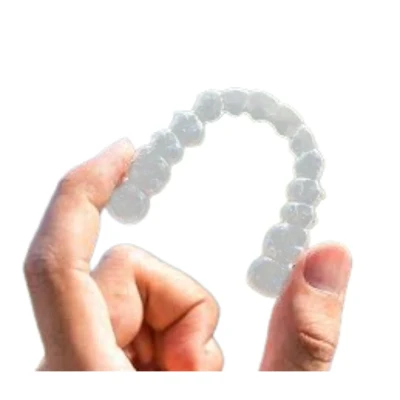
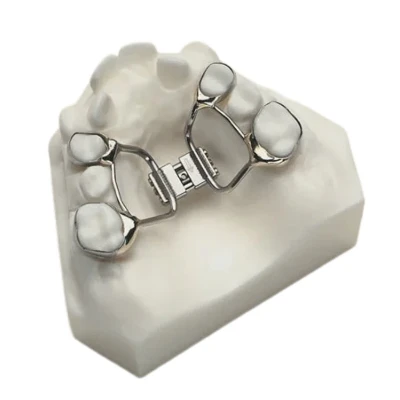
- Finished restorations such as crowns, bridges, veneers, implant abutments, removable dentures, orthodontic appliances, or occlusal guards
The shipping method you choose depends entirely on what is inside the package.
Physical impressions and stone models require robust packaging and infection-control procedures. Digital files-including STL, PLY, or DICOM data transferred through cloud platforms-can bypass physical shipping logistics entirely.
Many overseas dental labs now operate with a hybrid workflow: some dental cases arrive as physical packages, while others are submitted digitally.
How to Pack Physical Dental Impressions and Stone Models
Infection Control Before Packing Dental Impressions
Dental impressions are contaminated with saliva, blood, and oral biofilm the moment they leave a patient's mouth. Before any impression enters a shipping container, it must be rinsed under running water for at least 15 seconds to remove visible bioburden, then disinfected using an EPA-registered hospital-level disinfectant or a glutaraldehyde-based solution compliant with the manufacturer's specified contact time-typically 10 minutes for immersion products.
The CDC Guidelines for Infection Control in Dental Health-Care Settings recommend that dental impressions be disinfected before being sent to a laboratory. Skipping this step is not a shortcut. It can result in the laboratory rejecting the case or, in regulated markets, create problems during transport or customs processing.
After disinfection, impressions should be air-dried gently. Do not use high-pressure compressed air on elastomeric impressions, as it can deform fine margin detail.
Packaging Elastomeric Impressions
When shipping dental impressions internationally, the packaging method should account for the dimensional stability and moisture sensitivity of the impression material.
Polyvinyl siloxane (PVS) and polyether impressions are dimensionally stable but vulnerable to compression and environmental conditions. A PVS impression held under mechanical stress during transit can develop permanent deformation in the marginal area. Polyether materials are even more hygroscopic and should be sealed in a plastic bag to prevent moisture absorption.
|
Material |
Dimensional Stability |
Moisture Sensitivity |
Packaging Priority |
|
PVS (polyvinyl siloxane) |
High (stable 24–72 h) |
Low |
Prevent compression |
|
Polyether |
Moderate (stable 24–48 h) |
High |
Seal in plastic bag |
|
Alginate (hydrocolloid) |
Low (stable minutes to hours) |
Critical |
Wrap in damp paper towel, sealed bag; ship same day |
|
Compound impression |
Moderate |
Low |
Protect from heat above 40°C |
Alginate impressions should rarely be shipped internationally. Their dimensional instability makes them unsuitable for anything beyond same-day local transport.
If alginate must be sent, wrap it in damp paper towels inside a sealed plastic bag and pour the model at the receiving end immediately upon arrival.
Packaging Stone Models
Knowing how to ship dental models safely is equally important.
Gypsum models-the poured working models that laboratories use to design and fabricate restorations-are brittle. They can chip at the margin lines, break at the arch midline, or crack at the base corners.
A model that arrives with a chipped preparation margin is often unusable and may require a new impression, adding a full turnaround cycle to the case.
Practical packaging steps include:
- Wrap each arch separately in bubble wrap, using a minimum of two layers.
- Place models in a rigid inner box with foam or paper padding filling all voids.
- Use a double-wall corrugated outer carton rated for at least 275 lb burst strength.
- Fill any remaining space with packing peanuts or foam inserts so the inner box does not shift during transit.
- Mark the outer carton with "FRAGILE - Dental Models" and "THIS SIDE UP" orientation arrows.
Temperature and humidity also matter. Gypsum models can absorb ambient moisture in humid shipping environments, which may soften the surface and distort margin detail.
For international dental case shipping routes passing through tropical or high-humidity climates, add a desiccant packet inside the sealed inner container.
How Digital Dental Cases Replace Physical Shipping
Intraoral Scanning and Digital Case Submission
An intraoral scanner is a handheld optical device that captures a direct three-dimensional digital impression of a patient's dentition, gingiva, and soft tissues, eliminating the need for conventional impression materials in suitable cases.
The resulting data is typically exported as an STL file-the de facto standard format for dental CAD/CAM workflows-or as a PLY file when color texture data is required.
When a case is captured digitally, the "shipping" step becomes a file upload.
A full-arch scan file typically ranges from 20 to 150 MB depending on resolution and whether color data is included. Files may be transmitted through secure cloud platforms operated by scanner manufacturers or through independent dental case management portals.
For practices working with an overseas laboratory, understanding digital dental file submission requirements helps reduce compatibility problems before production begins.
The accuracy of these digital impressions is governed by ISO 12836:2015, which specifies test methods for assessing the accuracy of digitizing devices used in CAD/CAM systems for indirect dental restorations. A companion standard, ISO 20896-1:2019, covers the accuracy evaluation of handheld intraoral scanners specifically.
Clinical-grade intraoral scanners today achieve trueness values in the range of 8–20 micrometers, which is comparable to or better than conventional elastomeric impressions for most single-unit and short-span restorations.
When Physical Shipping Is Still Necessary
Digital dental workflows have not fully replaced physical dental case shipping.
The following situations may still require physical materials:
- Full-arch implant cases requiring a verified master cast for passive fit verification
- Removable partial denture frameworks that need a physical try-in model
- Cases where the practice lacks an intraoral scanner or scanner compatibility with the laboratory's CAD system
- Bite registrations using PVS or wax that supplement a digital scan
- Shade tabs and custom shade guides sent for complex esthetic matching
Complex cases such as an All-on-X implant bridge may require a combination of digital files, physical verification components, try-ins, or working models depending on the clinical and laboratory workflow.
For a more detailed digital workflow, see how to send a digital dental case to an overseas lab.
Physical vs. Digital Dental Case Shipping
|
Parameter |
Physical Case |
Digital Case |
|
Transit time |
2–7 business days internationally |
Minutes via file upload |
|
Risk of damage in transit |
Moderate to high |
None |
|
Customs clearance required |
Yes |
No |
|
Infection control required |
Yes-disinfection and packaging |
No |
|
Cost per case |
USD 30–120 for express international shipping |
Minimal cloud platform cost |
|
Accuracy dependency |
Material + pouring + transport |
Scanner + operator technique |
|
Regulatory classification |
Biological substance / medical device |
Data file; privacy regulations apply |
Digital transfer eliminates transit damage risk entirely and can reduce overall case turnaround by several days.
For dental laboratories and practices with compatible scanner infrastructure, digital dental case submission should be the default option whenever clinical requirements allow. Once scan data reaches the laboratory, a structured CAD/CAM dental workflow can carry the case from digital design through manufacturing and final restoration.

How to Handle Regulations and Customs for International Dental Case Shipping
UN3373 Classification for Dental Shipments
Dental impressions and models that have been in contact with a patient's oral cavity are classified as Biological Substance, Category B under the United Nations model regulations for the transport of dangerous goods.
This classification is assigned UN number UN3373 and is regulated under the IATA Dangerous Goods Regulations (DGR) for air transport and the ADR agreement for road transport in Europe.
Category B means the material is not capable of causing permanent disability or life-threatening disease in otherwise healthy humans when exposure occurs, but it may still carry infectious potential.
Dental impressions, after proper disinfection, fall into this category rather than the more restrictive Category A classifications.
UN3373 packaging requirements under IATA Packing Instruction 650 mandate a triple-layer system:
- Primary receptacle: The impression or model itself, sealed in a leakproof bag or container.
- Secondary packaging: A second leakproof layer containing absorbent material sufficient to absorb all liquid in case of primary receptacle failure.
- Rigid outer packaging: A sturdy carton or box bearing the UN3373 diamond label, the words "Biological Substance, Category B," and the shipper and consignee contact information.
The outer packaging must pass a 1.2-meter drop test and a 95 kPa pressure differential test for the primary receptacle.
These requirements should be incorporated into the dental practice or laboratory's standard international shipping procedure.
Market-Specific Regulations for Custom Dental Devices
Finished dental restorations shipped from a laboratory back to a dental practice are classified as custom-made medical devices in many regulated markets. Each jurisdiction has its own framework.
|
Market |
Regulator |
Key Regulation |
Requirements for Custom Dental Devices |
|
United States |
FDA |
21 CFR 872 |
Custom device exemption applies; lab must register as a medical device establishment |
|
European Union |
Notified Bodies |
EU MDR 2017/745 |
Custom-made device exemption under Article 2(3); technical documentation and EU declaration of conformity required |
|
United Kingdom |
MHRA |
UK MDR 2002 (amended) |
UKCA marking or CE marking accepted during transition; custom-made device registration with MHRA |
|
Canada |
Health Canada |
Medical Devices Regulations (SOR/98-282) |
Class II–IV custom devices require Medical Device Establishment Licence (MDEL) |
|
Australia |
TGA |
Therapeutic Goods Act 1989 |
Custom-made device exemption under Schedule 1; lab must be included in the ARTG or operate under the custom-made exemption |
For U.S. dental-device classifications and requirements, practices and laboratories can consult 21 CFR Part 872 – Dental Devices.
For European-market requirements, the official text of the EU Medical Device Regulation (EU MDR 2017/745) provides the applicable regulatory framework.
A dental laboratory shipping restorations internationally must be able to produce the appropriate compliance documentation-such as establishment registrations, technical files, or exemption justifications-when requested by customs authorities or receiving regulators.
Packages lacking proper documentation may face detention, return, or destruction at the border.
Customs Documentation for Dental Cases
Every international dental shipment needs a commercial invoice containing:
- Shipper and consignee details, including name, address, phone number, and tax ID where applicable
- A detailed product description, such as "Disinfected dental impression - UN3373 Biological Substance Category B" or "Custom dental restoration - medical device"
- Harmonized System (HS) code
- Value for customs purposes, including cases shipped between contracted partners at no charge
- Country of origin
- UN3373 marking and packing instruction reference for applicable biological substance shipments
Incomplete or vague descriptions such as "dental supplies" or "samples" are a common cause of customs delays. Use specific descriptions whenever possible.
Because customs and carrier requirements can vary by route and destination, practices and laboratories should confirm current requirements with the selected carrier and applicable authorities before shipping.
How to Ship Finished Dental Restorations Safely
Packaging Finished Dental Restorations
Finished crowns, bridges, veneers, and implant abutments are smaller and generally more robust than impressions or stone models, but they carry a different risk: loss.
A single zirconia crown costing hundreds of dollars can disappear if it is placed in a padded envelope that tears during automated sorting.
When shipping dental restorations internationally, each restoration should be placed in a dedicated case container-typically a hinged plastic box with foam padding or a screw-top jar.
This inner container should then go inside a padded mailer or small corrugated box.
For high-value cases such as full-arch implant bridges or multi-unit ceramic restorations, use a rigid outer box with tracked and insured shipping.
For example, monolithic zirconia crowns should be individually protected and identified so that the restoration cannot contact other hard objects during transport.
Each restoration should be labeled with:
- Patient or case identifier
- Tooth number
- Material type
Include a printed work ticket or dental case card inside the package rather than attaching it to the outside, where it could become separated from the shipment.
Return Shipping of Models and Try-Ins
When a dental laboratory returns a case, the shipment may also include:
- Original working models
- Try-in restorations
- Verification jigs
- Other physical case components
These items require the same packaging precautions used for inbound dental models and impressions.
Models returned with finished restorations should be wrapped separately from the restoration itself to prevent hard gypsum from abrading or chipping ceramic surfaces during transit.
How to Choose a Carrier and Plan Transit Time
Choosing the Right International Carrier
International dental shipping is not a commodity service.
The carrier must be able to handle the type of shipment being sent, provide end-to-end tracking, and support medical-device or biological-material customs clearance where applicable.
Major international express carriers such as DHL Express, FedEx, and UPS handle UN3373 shipments through their dangerous goods programs, although shipper approval, documentation, or training requirements may apply.
|
Carrier |
UN3373 Accepted |
Typical International Transit |
Strengths |
|
DHL Express |
Yes, pre-approval required |
2–4 business days |
Strong European and Asian network; medical logistics expertise |
|
FedEx |
Yes, pre-approval required |
2–5 business days |
Strong North American network; cold-chain options |
|
UPS |
Yes, pre-approval required |
2–5 business days |
Integrated customs brokerage |
|
National postal services |
Limited |
5–14 business days |
Lower cost; higher risk of delay and loss |
Postal services should generally be avoided for time-sensitive or high-value dental cases.
Their sorting infrastructure is not designed specifically for fragile medical items, and customs brokerage may be slower or less specialized than international express carriers.
Transit Time and Dental Case Turnaround
A typical international dental case cycle may look like this:
- Practice ships impression or model: 2–5 days transit
- Laboratory receives, pours, and designs: 2–4 days
- Laboratory fabricates restoration: 2–5 days
- Laboratory ships finished case back: 2–5 days
- Practice receives and seats: same day
Total turnaround is approximately 8–19 business days for a physical case.
Digital dental cases eliminate the initial physical shipping stage and can compress the cycle to approximately 4–10 business days.
When planning patient appointments, dental practices should build in a buffer of approximately 3–5 business days above the quoted laboratory turnaround to account for shipping variability.

Common Dental Case Shipping Failures and How to Prevent Them
|
Failure Mode |
Root Cause |
Prevention |
|
Cracked stone model |
Insufficient cushioning; model shifts in box |
Double-wrap in bubble wrap; fill all voids; use rigid inner box |
|
Distorted PVS impression |
Compression from over-tight packing |
Do not stack heavy items on impressions; use rigid container rather than padded envelope |
|
Customs detention |
Vague product description; missing UN3373 label |
Use specific HS-coded descriptions and applicable UN3373 markings |
|
Lost restoration |
Envelope torn in automated sorting |
Use rigid boxes for restorations; ship with tracking and insurance |
|
Moisture-damaged model |
Humidity during tropical-climate transit |
Add desiccant packets; seal inner container in plastic |
|
Delayed delivery |
Carrier not approved for applicable dangerous goods |
Complete carrier approval requirements before the first shipment |
Every one of these failures can be reduced with standardized dental case packaging protocols and proper documentation.
The cost of preparing a shipment correctly is generally lower than the cost of remaking a restoration, repeating an impression, or rescheduling a patient.
How to Build a Repeatable International Dental Shipping Protocol
Dental practices and laboratories that regularly ship dental cases overseas should codify their process into a written standard operating procedure.
The protocol should specify:
- Disinfection agent, contact time, and drying procedure for each impression material type
- Packaging materials and configuration, including inner container, cushioning, outer carton, and labeling
- UN3373 marking and documentation checklist where applicable
- Approved carriers and service levels
- Maximum case value requiring insured shipping
- Digital file-transfer protocol and encryption standard
- Escalation procedure for delayed or damaged shipments
A written protocol turns international dental case shipping from a per-case decision into a repeatable and auditable process.
Dental laboratories that can demonstrate documented shipping, case-tracking, and infection-control procedures are also more suitable for long-term international dental lab outsourcing, because standardized workflows reduce logistics uncertainty for both the practice and the laboratory.
Conclusion
Knowing how to ship dental cases internationally comes down to controlling three areas: protecting the physical materials, preparing the correct documentation, and choosing an appropriate shipping method.
Dental impressions need proper disinfection and protection from deformation. Stone models require rigid, impact-resistant packaging. Finished restorations should be securely labeled and protected from loss or breakage. When clinical requirements permit, digital dental case submission can eliminate much of the shipping risk and significantly shorten turnaround time.
For practices and laboratories that regularly outsource dental cases overseas, the most reliable approach is to combine standardized packaging and documentation with a full-service dental laboratory that already understands international case receiving, digital workflows, production coordination, quality control, and return logistics.
ADS Dental Laboratory Ltd (Aesthetic Dental Solutions) is a full-service digital dental laboratory based in Shenzhen, China, specializing in long-term dental lab outsourcing for dentists and dental laboratories worldwide. We support both digital and physical case workflows across custom restorations, including crowns and bridges, veneers, implant restorations, full-arch cases, removable prosthetics, and other dental appliances.
If you are planning to outsource dental cases to China or want to discuss digital case submission, international shipping, production requirements, or expected turnaround times, contact the ADS team to discuss your cases and long-term outsourcing needs.
FAQs
Can dental impressions be shipped internationally?
Yes. Dental impressions can be shipped internationally when they are properly disinfected, packaged, labeled, and documented according to the applicable carrier and destination requirements.
Material selection is important. Dimensionally stable materials such as PVS are generally more suitable for international transport than alginate, which can distort rapidly.
What is the best way to ship dental models internationally?
Stone or gypsum models should be wrapped individually in multiple layers of protective cushioning, placed in a rigid inner container, and packed inside a strong outer carton with all empty space filled.
The model should not be able to move inside the package. For humid shipping routes, adding a desiccant packet can provide additional protection.
Can I send a dental case digitally instead of shipping impressions?
Yes, if the clinical case and receiving dental laboratory support a digital workflow.
Intraoral scan data can typically be submitted as STL, PLY, or other compatible dental CAD/CAM files. Digital case submission eliminates international transit time, physical damage risk, and customs clearance for the scan itself.
Physical materials may still be required for certain full-arch implant, removable, bite-registration, or try-in cases.
What documents are needed for international dental case shipping?
International shipments generally require a commercial invoice containing shipper and consignee information, a clear description of the contents, customs value, country of origin, and relevant product or shipping classifications.
Additional documentation may be required depending on whether the package contains impressions, models, custom dental restorations, implant components, or other regulated items.
How long does international dental case shipping take?
Express international shipping typically takes approximately 2–5 business days in each direction, depending on the route, carrier, customs processing, and service level.
A complete physical dental case-from outbound shipping through laboratory production and return delivery-may take approximately 8–19 business days. Digital dental cases can shorten the workflow by eliminating the initial physical shipment.