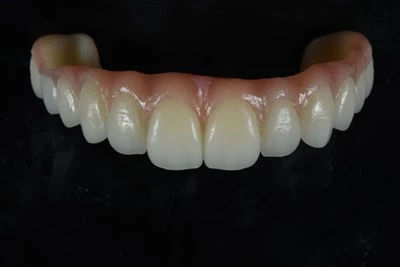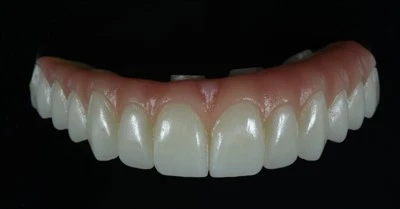
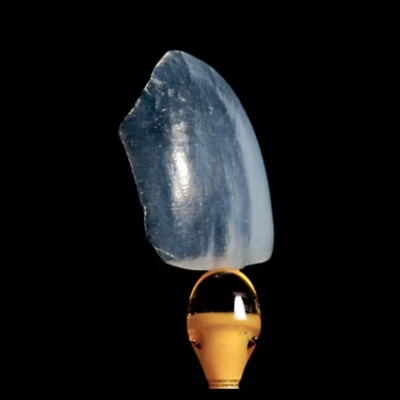
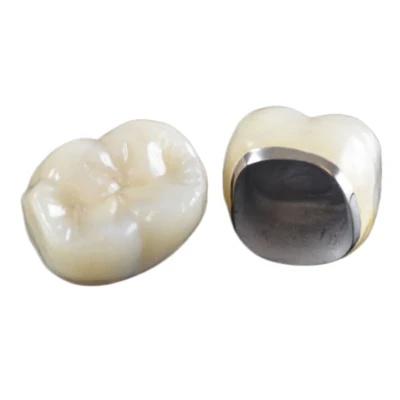


Ceramic crowns have become a go-to restoration in modern dentistry. Patients and clinicians alike search for ceramic crowns pros and cons because these restorations promise natural beauty without metal, yet questions remain about their durability in real-world use.
Whether replacing a fractured incisor or restoring a worn molar, the choice involves balancing esthetics, strength, and long-term performance. Success hinges less on the broad category "ceramic" and more on selecting the right material for the specific case, combined with precise preparation and high-quality laboratory fabrication.
What Are Ceramic Crowns? Understanding the Basics
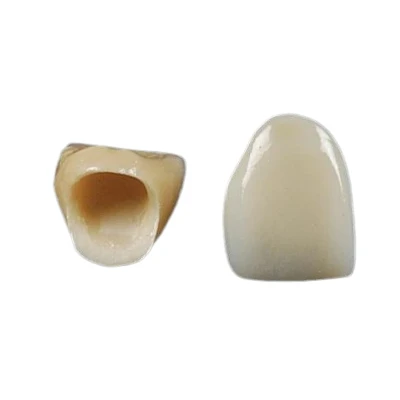
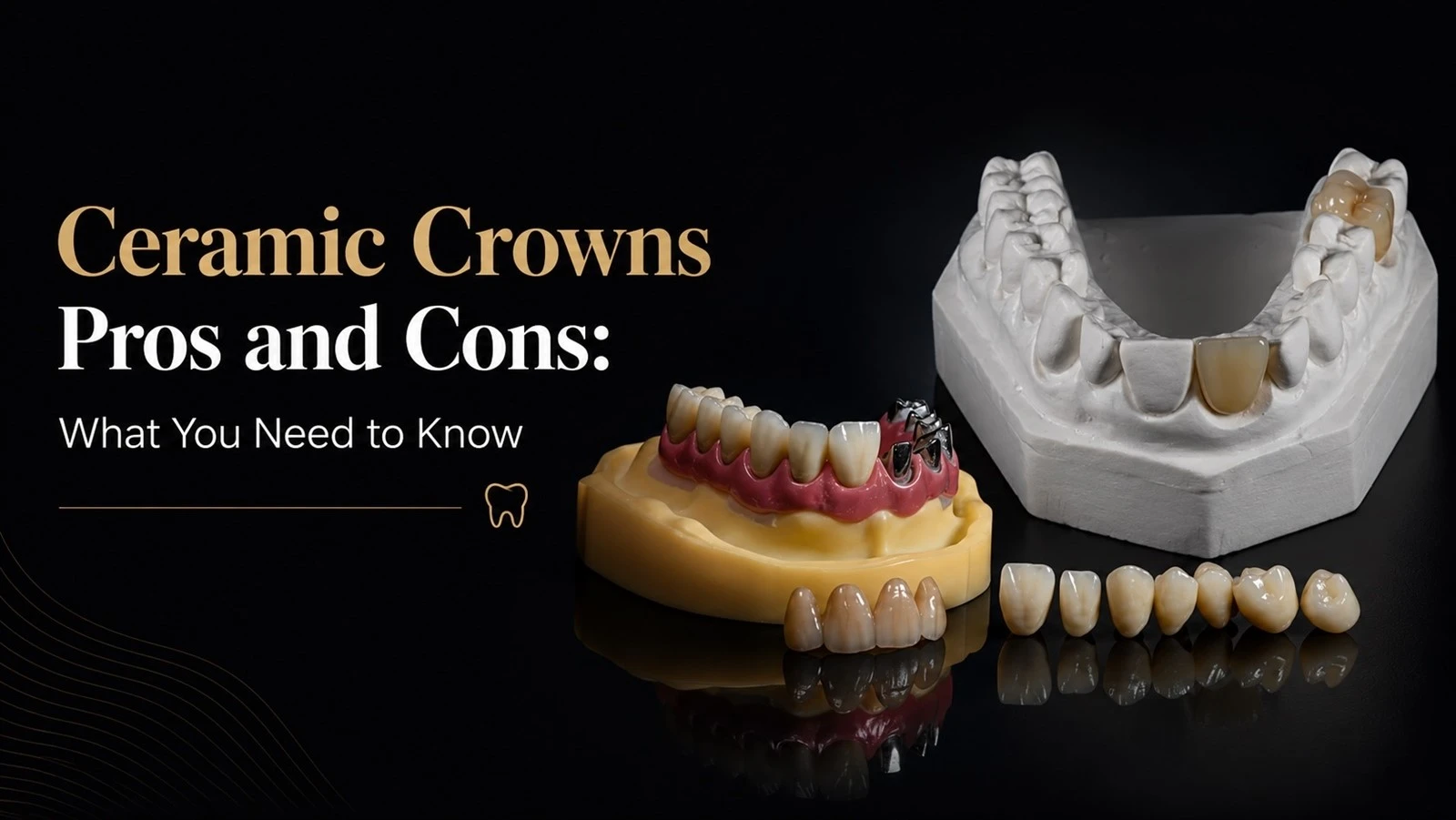
Ceramic crowns, also called all-ceramic or metal-free crowns, are tooth-shaped restorations made entirely from ceramic materials. They cover a prepared natural tooth or implant abutment to restore function, strength, and appearance. Unlike older porcelain-fused-to-metal (PFM) crowns, they contain no metal substructure.
Ceramic crowns are not a single material. Modern options include several distinct systems with different properties.
Main Types of Modern Ceramic Crowns
Lithium disilicate (e.g., IPS e.max): Glass-ceramic known for excellent translucency and good strength. Ideal for anterior teeth and premolars.
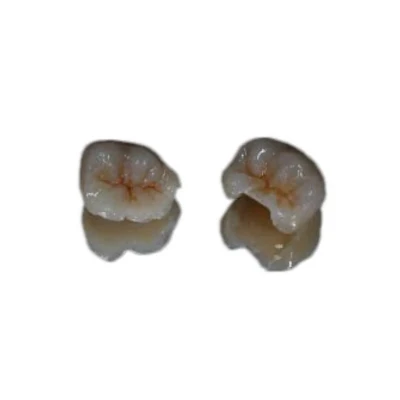
Monolithic zirconia: High-strength polycrystalline ceramic milled from solid blocks. Prioritizes durability.
Layered zirconia: Zirconia core with veneering porcelain for enhanced esthetics, though the layering introduces some chipping risk.
Feldspathic or leucite-reinforced ceramics: Highly esthetic but lower strength, typically limited to low-load anterior cases.
Understanding these differences prevents the common mistake of treating all ceramic crowns as interchangeable.
Key Advantages of Ceramic Crowns (Pros)
Ceramic crowns shine in cases where appearance matters most. Their ability to mimic natural teeth sets them apart from metal-based options.
Superior Natural Esthetics and Light Handling
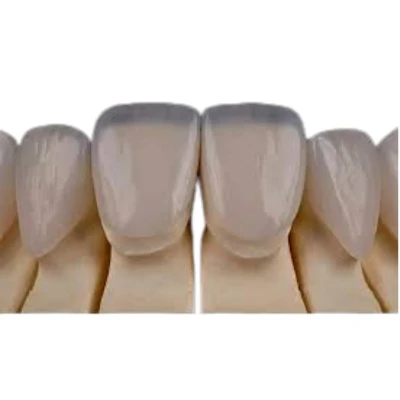
In the esthetic zone - front teeth and high smile lines - ceramic crowns excel. They allow precise control over shade, translucency, brightness, and surface texture. Light passes through them similarly to natural enamel, creating lifelike incisal effects and avoiding the opaque look sometimes seen with older materials.
Dentists often choose them to replace aging PFM crowns that show dark margins. A patient with a high smile line notices the difference immediately: no gray show-through at the gingiva, better color matching to adjacent teeth.
Metal-Free Benefits and Biocompatibility
Because they contain no metal, ceramic crowns eliminate the risk of dark gingival lines that can develop years after PFM placement. They are generally well tolerated by soft tissues. Smooth, polished surfaces help reduce plaque accumulation when margins and contours are well executed.
This makes them a strong option for patients concerned about metal sensitivity or those who simply prefer metal-free restorations.
Material Versatility for Different Clinical Needs
Modern ceramics offer choices that match clinical demands. Lithium disilicate provides a beautiful balance for visible areas. Monolithic zirconia handles heavier loads. High-quality surfaces also resist staining from coffee, tea, or red wine better than natural teeth or composite in many cases.
They integrate seamlessly with digital workflows - intraoral scans, CAD design, and precise milling - which improves consistency in margin fit and occlusion.
These advantages explain why ceramic crowns remain popular for anterior and esthetic restorations.
Potential Drawbacks and Limitations of Ceramic Crowns (Cons)
Ceramic crowns are not ideal for every situation. Their performance depends heavily on material selection and execution.
Material Selection and Case Mismatch Risks
The biggest pitfall is using the wrong ceramic for the case. A highly translucent glass ceramic in a high-load posterior tooth increases fracture risk. Conversely, an opaque monolithic zirconia on a central incisor may look flat and unnatural. Failure often stems from mismatch rather than the material category itself.
Preparation Requirements and Thickness Considerations
Many ceramic systems need adequate thickness for strength and esthetics - often 1.5–2 mm depending on the material and shade requirements. This can mean more tooth reduction than some metal-based crowns. Insufficient space leads to thin restorations prone to fracture or poor color masking.
Chipping, Fracture, and Repair Challenges in High-Load Scenarios
In bruxism patients, heavy posterior occlusion, or cases with limited clearance, certain ceramics carry higher chipping risk. Minor chips can sometimes be polished or repaired intraorally, but structural fractures usually require replacement. Monolithic zirconia performs better in these demanding situations.
Gingival Response and Margin Fit Dependency
Ceramic materials themselves are biocompatible, but poor margin adaptation, over-contouring, rough surfaces, or excess cement can irritate the gingiva and lead to inflammation or recession. Laboratory precision directly affects this outcome.
Additional considerations include higher laboratory and material costs, plus greater technique sensitivity in both clinical preparation and lab fabrication.

Clinical Longevity and Survival Rates: Evidence-Based Insights
Ceramic crowns can deliver reliable service when chosen correctly. Studies show 5-year survival rates for all-ceramic crowns around 93%, with lithium disilicate and zirconia variants often performing even better in suitable indications.
Many lithium disilicate crowns achieve success rates exceeding 94% at 8 years. Zirconia crowns in posterior applications frequently last 10–15 years or longer. Anterior restorations generally outperform posterior ones. Longevity ultimately depends more on case selection, occlusal management, bonding technique, and laboratory quality than on the material name alone.
Ceramic Crowns vs Other Materials: Practical Comparison
Choosing the right crown involves weighing trade-offs. Here is a clear overview:
|
Crown Type |
Esthetics |
Strength/Durability |
Best For |
Typical Cost Range (US) |
|
Lithium Disilicate |
Excellent |
Good |
Anterior, premolars |
$1,000–$2,500 |
|
Monolithic Zirconia |
Good (improving) |
Excellent |
Molars, bruxism, implants |
$1,200–$2,500 |
|
Layered Zirconia |
Very Good |
High |
Esthetic areas needing strength |
$1,200–$2,800 |
|
PFM (Porcelain-Fused-to-Metal) |
Good |
High |
Conventional cases |
$900–$2,000 |
|
Full Metal/Gold |
Poor |
Excellent |
High-load posterior (select cases) |
$1,000–$3,000 |
Ceramic crowns (especially lithium disilicate and modern zirconia) often win on appearance and biocompatibility, while traditional options may offer advantages in specific high-stress or budget scenarios.
Best Indications and Cases Requiring Caution
Ceramic crowns work best for anterior esthetic restorations, smile-zone cases, replacement of old PFM crowns, premolars, and selected posterior single units with adequate structure. They suit patients seeking metal-free options and integrate well with digital impressions and CAD/CAM production.
Use caution in severe bruxism, insufficient occlusal clearance, deep bite cases, long-span bridges, or situations with poor remaining tooth structure. In these scenarios, high-strength alternatives or protective measures (night guards) become important.

Factors Affecting Success and Maintenance Tips
Long-term success depends on several controllable factors. Precise tooth preparation, clear margins, proper occlusal design, accurate shade communication, and excellent laboratory fabrication all matter. Digital workflows help reduce remake rates by improving fit and contact points.
Key Factors for Long-Term Success
- Accurate occlusion and adjustment
- Proper bonding or cementation
- High-quality lab processes (margin fit, contour, surface finish)
- Consistent patient oral hygiene
Practical Maintenance and Prevention Strategies
Recommend regular dental visits, night guards for bruxers, and avoiding hard foods or ice with posterior restorations. Excellent home care keeps margins healthy and reduces plaque-related issues. Minor problems caught early often allow simple interventions.
Ceramic crowns offer outstanding esthetics and reliable performance when the right material meets the right case, supported by skilled preparation and laboratory expertise. They are not universally "better" or "weaker" - they are tools that deliver excellent results in the hands of professionals who understand their strengths and limitations.
If you are a dental professional looking for a dependable partner for high-quality ceramic crowns with precise digital workflows, consistent fit, and competitive turnaround, we at ADS Dental Laboratory are ready to support your practice. Contact us to discuss your next case or learn more about our custom fabrication solutions.
FAQ
Q1: How long do ceramic crowns typically last? Ceramic crowns can provide excellent longevity when the right material is chosen for the case. Lithium disilicate crowns often last 8–10 years or longer, while monolithic zirconia crowns in suitable posterior positions frequently deliver 10–15 years of service. The actual lifespan depends more on occlusal control, laboratory quality, bonding technique, and patient habits than on the material alone.
Q2: Are ceramic crowns suitable for front teeth or back teeth?
Ceramic crowns are an outstanding choice for anterior teeth and the esthetic zone because of their superior translucency and natural light reflection. For posterior teeth, high-strength options like monolithic zirconia perform very well under heavy load. The key is matching the specific ceramic system to the tooth position and biting forces - not all ceramics are ideal for every area.
Q3: What is the main difference between ceramic crowns and zirconia crowns?
Zirconia is actually a type of ceramic. In everyday conversation, "ceramic crowns" often refers to more translucent glass ceramics like lithium disilicate, while "zirconia crowns" usually means high-strength monolithic or layered zirconia. Lithium disilicate offers better esthetics for front teeth; monolithic zirconia provides superior durability for molars and bruxism cases.
Q4: Do ceramic crowns require more tooth reduction than metal crowns?
Yes, many ceramic systems need 1.5–2 mm of reduction to achieve proper strength and esthetics, which can be slightly more than some traditional metal-based crowns. However, the exact amount varies by material, shade requirements, and design. A skilled dentist and precise laboratory communication help minimize unnecessary reduction while ensuring long-term success.
Q5: Can ceramic crowns chip or break, and what happens if they do?
Ceramic crowns can experience chipping in high-load situations, especially if a more translucent glass ceramic is used in the posterior region or with bruxism patients. Minor chips are often repairable by polishing or intraoral composite repair. Significant structural fractures usually require replacement of the crown. Choosing the appropriate material and ensuring excellent occlusion significantly reduces this risk.