
For decades, dental restorations balanced function against aesthetics. Metal crowns delivered strength but looked nothing like natural teeth. Porcelain-fused-to-metal (PFM) crowns improved the outer appearance yet carried limitations that became obvious under close scrutiny, especially in the anterior zone.
All-ceramic crowns have changed that equation. These metal-free restorations now combine lifelike optical properties with reliable clinical performance. More clinics turn to them because patients demand smiles that look real, not restored. The result is higher satisfaction, fewer remakes, and stronger practice differentiation.

The Superior Optical Aesthetics of All-Ceramic Crowns
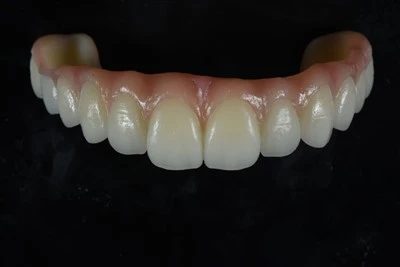
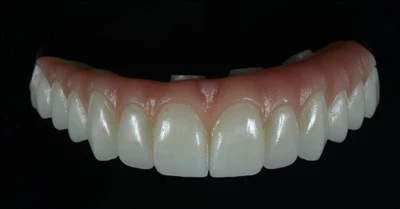
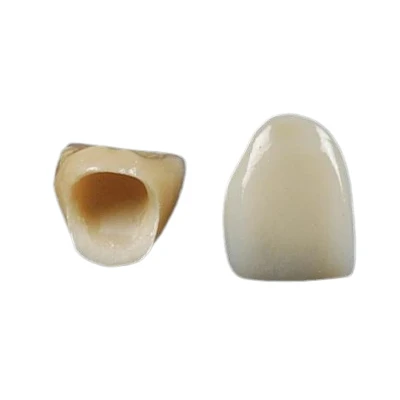
All-ceramic crowns mimic the way light interacts with natural teeth. Unlike materials with opaque cores, they allow light to pass through and reflect in ways that replicate enamel, dentin, and the subtle transitions between them.
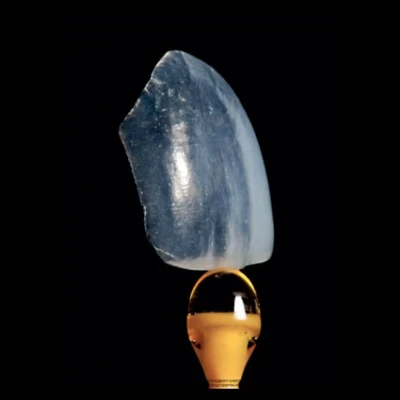
Natural translucency stands at the heart of this advantage. Light penetrates the restoration and scatters internally, creating depth rather than a flat, monochromatic surface. This produces the enamel-like appearance patients notice immediately in conversation or photographs.
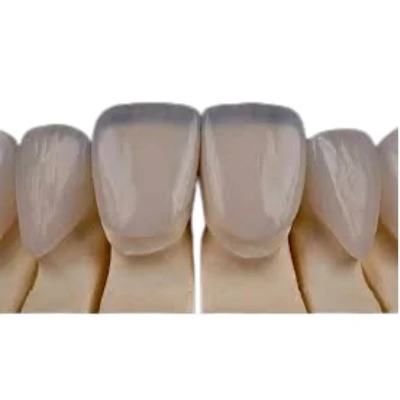
Surface texture plays an equally important role. Skilled finishing creates micro-roughness and line angles that catch light naturally. Incisal edges show characterization with mamelons or translucency gradients. Cervical areas blend seamlessly into the gingiva without abrupt stops.
In a typical anterior single crown case, the difference appears dramatic. A central incisor restored with high-translucency material matches adjacent teeth under multiple lighting conditions - operatory lights, natural daylight, or camera flash. The restoration disappears into the smile rather than announcing its presence.
No metal shadow at the gingival margin further elevates the result. Thin gingival biotypes or slight recession no longer reveal dark lines. The soft tissue stays pink and healthy-looking because nothing blocks light or irritates the biological width.
Clinics report that patients comment on these restorations differently. They say the teeth "look like my own" instead of "the new crown looks good." That distinction drives referrals.
All-Ceramic vs. Traditional PFM Crowns: Why the Shift Is Happening
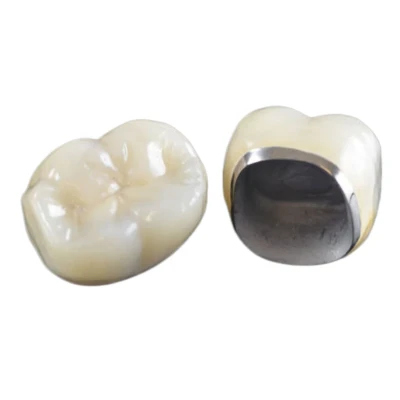
PFM crowns served dentistry well for many years. Their metal substructure provided strength, and the veneering porcelain added color. Yet in high-aesthetic zones, compromises surfaced regularly.
The metal core blocks light transmission. Restorations often appear brighter or "dead" under certain angles. Over time, especially with gingival recession common in older patients, a grey line emerges at the margin. This forces many clinicians to warn patients about future aesthetic issues.
All-ceramic restorations remove these concerns entirely. Light flows through the entire volume of the crown. Margins integrate naturally. Long-term color stability improves because properly glazed ceramic surfaces resist staining better than many older materials.
Biocompatibility contributes indirectly to sustained aesthetics. Metal-free designs reduce gingival inflammation risks in sensitive patients. Healthier soft tissue frames the restoration more attractively for years.
The shift accelerates because modern patients arrive with higher expectations. Social media, professional photos, and video calls make every smile detail visible. Clinics that consistently deliver natural-looking results stand out.
Modern Materials: Balancing Strength and Esthetics
Not all ceramic materials perform the same. Understanding key options helps match the right solution to each case.
Lithium disilicate crowns, such as IPS e.max, excel in translucency and natural appearance. With flexural strength around 360–500 MPa, they work beautifully for anterior teeth, veneers, and inlays where light transmission matters most. Their glass-ceramic nature allows exceptional shade matching and characterization.
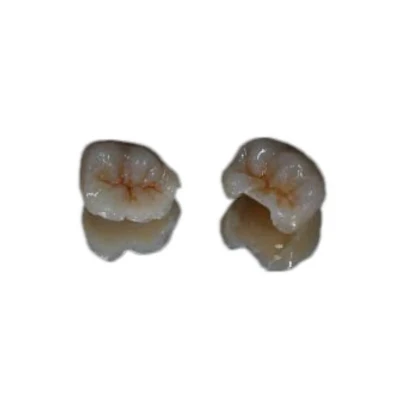
Zirconia crowns bring superior strength, typically 900–1,200 MPa flexural strength. Early versions appeared more opaque, but multilayer and high-translucency formulations now deliver excellent aesthetics for many anterior and posterior applications. Monolithic designs suit bruxers or posterior teeth where load resistance is critical.
|
Material |
Flexural Strength |
Best Suited For |
Key Aesthetic Strength |
Considerations |
|
Lithium Disilicate |
360–500 MPa |
Anterior crowns, veneers |
Superior translucency and shade matching |
Moderate load cases |
|
High-Translucency Zirconia |
900–1,200 MPa |
Anterior & posterior, implants |
Good depth with multilayer options |
Balance strength vs. max translucency |
|
Multilayer Zirconia |
Varies by layer |
Versatile cases |
Natural gradient from cervical to incisal |
Excellent for digital workflows |
Material selection must consider tooth position, occlusion, stump shade, and patient habits. A thin gingival biotype with high smile line favors lithium disilicate. A heavy bruxer with posterior missing teeth leans toward zirconia.

Clinical and Practical Advantages Driving Clinic Adoption
Patients today expect more than restored function. They want confidence in their smile. All-ceramic restorations meet this demand while delivering practical benefits.
Long-term color stability stands out in practice. Glazed surfaces maintain appearance better over years compared to many composite options. Survival rates for properly indicated and fabricated all-ceramic crowns reach high levels in modern studies, supporting expanded use.
Digital workflows enhance predictability. Intraoral scans capture precise margins and occlusion. CAD design controls emergence profiles and contacts. Milling or pressing produces consistent results that reduce chairside adjustments.
Clinics notice fewer remakes and happier patients. Cases that once required multiple try-ins now seat reliably. This efficiency matters particularly for busy practices and implant-supported restorations in the aesthetic zone.
The Critical Role of Digital Workflow and Laboratory Expertise
Beautiful ceramic crowns result from more than material choice. Precision at every step determines the final outcome.
CAD/CAM technology enables micron-level accuracy in margins, contacts, and occlusion. Digital files eliminate distortion common in traditional impressions. Labs can adjust designs virtually before production, catching issues early.
Yet technology alone does not create artistry. Experienced technicians still perform critical finishing - staining, glazing, and surface texturing - that bring restorations to life. They interpret shade photos, stump shades, and smile images to replicate natural characterization.
Common reasons for suboptimal results often trace back to communication gaps:
- Insufficient shade documentation
- Missing stump shade information
- Poor quality scans or photos
- Lack of occlusion notes for dynamic cases
Strong doctor-lab partnerships prevent these issues. Clear protocols for sharing STL files, multiple shade images under different lighting, preparation photos, and patient expectations lead to predictable success.
Real-World Impact: Seeing the Aesthetic Difference
Consider a 45-year-old patient with a discolored central incisor and high smile line. A lithium disilicate crown, designed with proper translucency gradients and surface texture, integrates so naturally that colleagues cannot identify the restored tooth.
Or examine a posterior implant case in a bruxer. Multilayer zirconia provides the necessary strength while delivering acceptable aesthetics that maintain soft tissue health around the implant.
In both scenarios, the restoration supports function without compromising appearance. Patients leave with renewed confidence. Clinics build reputations for excellence.

Conclusion
The aesthetic advantage of ceramic crowns lies in their ability to replicate natural tooth optics while delivering dependable function. Modern materials and digital processes have removed earlier trade-offs that once limited their use. This explains why more clinics confidently choose all-ceramic restorations for demanding cases.
At ADS Dental Laboratory Ltd, we specialize in high-precision all-ceramic restorations using advanced CAD/CAM workflows and carefully selected materials. Whether you need consistent anterior aesthetics or robust posterior solutions, our team delivers reliable outsourcing that supports your practice goals. Contact us today to discuss your next cases or request samples - we're ready to help you achieve outstanding results for your patients.
FAQ
How long do all-ceramic crowns typically last?
With proper material selection, design, and occlusal management, many deliver excellent service for 10–15+ years. Regular check-ups help maintain them.
Are zirconia or lithium disilicate better for anterior vs posterior teeth?
Lithium disilicate often shines in high-aesthetic anterior zones. Zirconia handles higher loads in posterior or implant cases. Hybrid options bridge many situations.
What communication ensures optimal aesthetic results?
Provide high-quality digital scans, shade photos under standardized lighting, stump shade, opposing dentition details, and any specific patient requests.
How does digital outsourcing improve consistency?
It reduces variables in impression accuracy and allows precise CAD design plus repeatable milling, leading to fewer adjustments and more predictable seating.