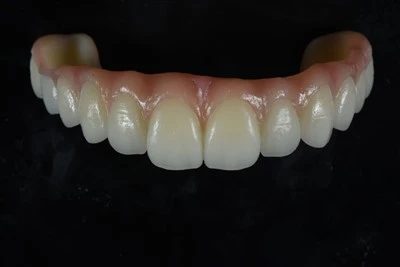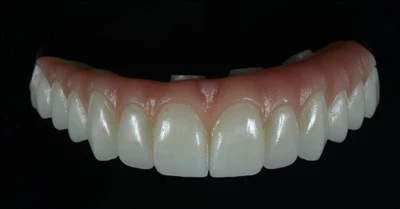
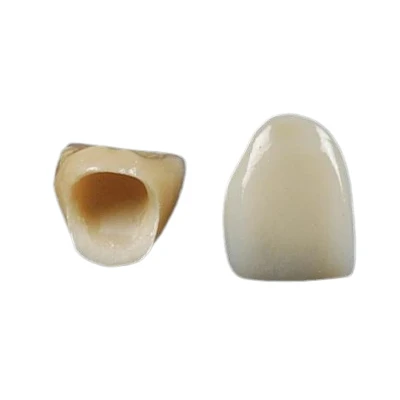
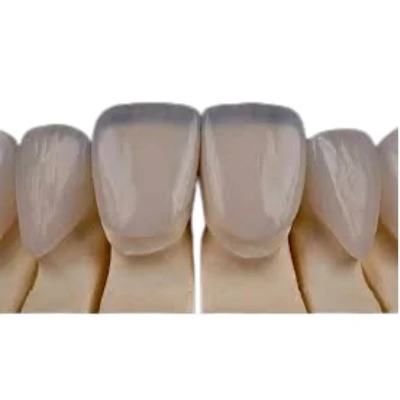
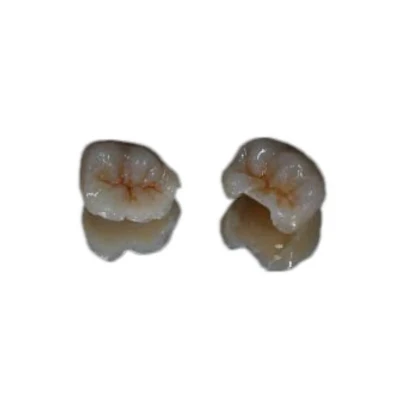
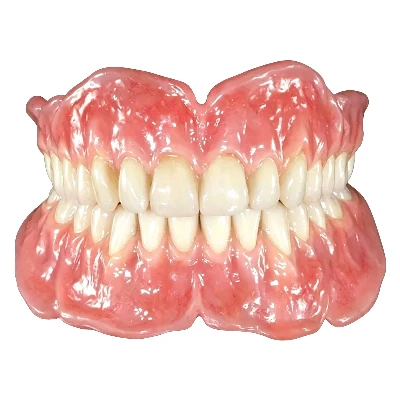

There is no single best porcelain crown for every case. Selection depends on tooth position, bite forces, esthetic demands, and patient habits.
For anterior teeth in the high-smile-line esthetic zone, lithium disilicate (such as e.max) or layered ceramics deliver superior translucency and natural color blending. In posterior teeth, especially molars under heavy occlusion or patients with bruxism, monolithic zirconia stands out for its unmatched strength. Implant-supported crowns and multi-unit bridges often favor zirconia-based options for reliability under load.
PFM crowns still work in budget-driven or low-esthetic posterior cases, but full-ceramic systems have largely replaced them in modern practice. The real key lies in matching material properties to the specific clinical situation and ensuring precise laboratory execution. This guide breaks down the options so you can decide with confidence.

What Does "Porcelain Crown" Actually Mean?
A porcelain crown is commonly understood as a tooth-colored dental crown that restores the shape, strength, and appearance of a damaged tooth. In daily clinical communication, many patients and even some buyers use "porcelain crown" as a broad term for ceramic-looking crowns.
From a material standpoint, the term is not that simple.
Modern tooth-colored crowns may include lithium disilicate, zirconia, feldspathic porcelain, layered zirconia, or porcelain-fused-to-metal restorations. These materials are not the same. They behave differently during milling, sintering, crystallization, bonding, staining, glazing, and occlusal adjustment.
That distinction matters.
A highly translucent material that works well on a maxillary central incisor may not be the right choice for a second molar in a bruxism patient. A high-strength zirconia crown may be ideal for a posterior implant crown, but not always the best choice for a high-smile-line anterior case where natural translucency is the main goal.
Porcelain, Ceramic, and All-Ceramic Crowns
A ceramic crown is a crown made from non-metallic inorganic material, usually designed to mimic natural tooth color. An all-ceramic crown has no metal substructure. This group includes lithium disilicate crowns, zirconia crowns, and other glass-ceramic restorations.
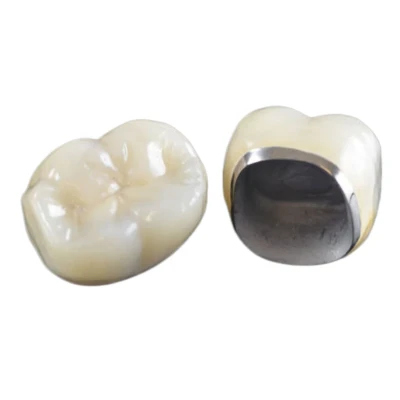
A porcelain-fused-to-metal crown, or PFM crown, is different. It has a metal coping underneath and a porcelain layer on top. It can still be tooth-colored from the outside, but it is not metal-free.
For this article, "porcelain crowns" refers to the main tooth-colored crown options dentists and dental labs compare in real cases: E.max, zirconia, layered zirconia, feldspathic porcelain, and PFM.
Gold crowns, composite crowns, and stainless steel crowns are not the focus here because they do not match the main search intent behind porcelain crown material selection.
Main Porcelain and Tooth-Colored Crown Materials Compared
Different porcelain crown materials solve different problems. The table below gives a fast comparison before we go into each material.
|
Crown Material |
Best Clinical Use |
Esthetics |
Strength Profile |
Main Limitation |
Lab Note |
|
E.max / Lithium Disilicate |
Anterior crowns, premolars, high-esthetic single crowns |
Excellent translucency |
Commonly reported around 360–500 MPa |
Not ideal for all heavy-load molar or bruxism cases |
Bonding, thickness, and shade control matter |
|
Monolithic Zirconia |
Molars, bruxism cases, implant crowns, bridges |
Good to moderate, improved with high-translucency zirconia |
Often around 900–1200 MPa depending on type |
Less natural translucency than glass ceramics |
Sintering, polishing, and occlusion control are essential |
|
Layered Zirconia |
Esthetic cases needing a zirconia substructure |
Better depth than basic monolithic zirconia |
Strong core, weaker veneering layer |
Porcelain chipping risk |
Case selection and cut-back design matter |
|
Feldspathic Porcelain |
Veneers, selected low-load anterior esthetic cases |
Excellent |
Lower strength than modern ceramics |
Brittle, limited full-crown use |
Highly technique-sensitive |
|
PFM |
Selected posterior, bridge, or cost-sensitive cases |
Acceptable, but less natural than all-ceramic |
Reliable metal support |
Metal margin, gray shadow, possible porcelain chipping |
Still useful, but less common for high-esthetic cases |
E.max / Lithium Disilicate Crowns
E.max is a lithium disilicate glass-ceramic crown material known for its balance of esthetics and moderate strength. It is widely used for anterior crowns, premolars, veneers, inlays, onlays, and cosmetic single-unit restorations.
Its main advantage is optical quality. E.max can reproduce natural translucency, value, and depth better than many high-strength materials. For anterior crowns where the patient has a high smile line, thin gingival tissue, or demanding shade expectations, E.max is often a strong choice.
It also works well when conservative preparation is possible and the dentist can follow a reliable bonding protocol. Lithium disilicate usually benefits from adhesive bonding rather than being treated like a basic cemented crown.
But E.max should not be forced into every case.
For a second molar with limited occlusal clearance, parafunctional habits, or heavy excursive contacts, monolithic zirconia is often more predictable. E.max can survive well when used correctly, but it is not the strongest ceramic option for high-load posterior cases.
In lab production, E.max cases need good control of thickness, margin design, crystallization, and shade matching. A small difference in stump shade or ceramic thickness can change the final appearance.
E.max is a strong esthetic material, not a universal high-load material.
Monolithic Zirconia Crowns
Monolithic zirconia is a full-contour zirconia crown milled as one solid structure, without a separate veneering porcelain layer. It is one of the most widely used crown materials for posterior restorations because it combines high flexural strength with reduced chipping risk.
Many zirconia materials are commonly reported in the 900–1200 MPa strength range, depending on the formulation, translucency level, and manufacturer. High-strength zirconia is often selected for molars, bruxism patients, implant-supported crowns, and multi-unit restorations.
The biggest benefit is predictability under load.
A monolithic zirconia molar crown can handle forces that would make a highly translucent glass ceramic riskier. In implant cases, this becomes even more relevant because implants do not have a periodontal ligament to absorb force like natural teeth do.
Modern high-translucency and multilayer zirconia materials have improved esthetics. They are not as flat or opaque as older zirconia generations. Still, when maximum anterior translucency is required, lithium disilicate or layered ceramic may look more natural.
Zirconia also demands proper finishing. A poorly polished zirconia crown can be more abrasive to opposing enamel. A well-polished zirconia crown with correct occlusion is a very different restoration.
For dental labs, zirconia quality depends on nesting, milling, sintering temperature control, shrinkage compensation, staining, glazing, and final polishing. The material is strong, but the process still decides the final result.
Layered Zirconia Crowns
A layered zirconia crown uses zirconia as the core or framework and adds veneering porcelain to improve esthetics. It can offer more depth and enamel-like layering than basic monolithic zirconia.
This makes layered zirconia useful in some anterior or premolar cases where the clinician wants more strength than glass ceramic but still needs a more natural facial surface.
The trade-off is chipping risk.
The zirconia core may be strong, but the veneering porcelain is weaker than the core. In high-load areas, especially on molars, implant crowns, or bruxism patients, the porcelain layer may chip over time if the design, thickness, or occlusion is not controlled.
Layered zirconia is not wrong. It just needs the right indication.
If the case is an esthetic anterior crown with manageable occlusal load, layered zirconia can work well. If the case is a posterior implant molar with a heavy bite, monolithic zirconia is usually the safer design.
Feldspathic Porcelain Crowns
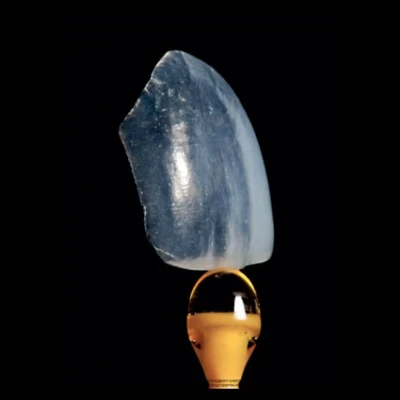
Feldspathic porcelain is a traditional ceramic material valued for high esthetics. It can produce beautiful translucency and subtle color effects, especially in thin restorations.
Today, feldspathic porcelain is more often used for veneers, layering, or selected low-load anterior esthetic cases rather than as a routine full-coverage crown material.
Its limitation is strength. Compared with lithium disilicate or zirconia, feldspathic porcelain is more brittle and less suitable for high-load posterior crowns.
For a demanding anterior veneer case, feldspathic porcelain may still be excellent in the right hands. For a molar crown or implant crown, it is usually not the practical choice.
Porcelain-Fused-to-Metal Crowns
A porcelain-fused-to-metal crown has a metal substructure with porcelain baked over it. PFM crowns have a long clinical history and remain useful in selected restorative situations.
Their advantages are clear: reliable metal support, broad familiarity among dentists, and relatively controlled cost in many markets. For some posterior cases, bridges, or budget-sensitive situations, PFM still has a place.
The limitations are also clear.
PFM crowns do not transmit light like all-ceramic crowns. Over time, a dark line may appear near the gingival margin if tissue recedes. The porcelain layer can chip and expose the metal underneath. Some patients also prefer metal-free restorations for esthetic or sensitivity concerns.
PFM is not a bad material. It is just no longer the first choice for many esthetic-driven cases.
Porcelain Crowns vs Zirconia Crowns vs PFM Crowns: Key Differences
Dentists and dental labs should not compare crown materials by name alone. The real comparison is based on esthetics, strength, chipping risk, wear behavior, preparation design, and long-term predictability.
Esthetics and Translucency
For natural translucency, lithium disilicate and feldspathic porcelain usually perform better than traditional zirconia or PFM. They allow more light transmission and can blend more naturally with adjacent teeth.
This matters most in anterior cases.
A single central incisor crown is one of the hardest cases in restorative dentistry. Even a small mismatch in value, translucency, or surface texture can be visible. In those cases, E.max or a carefully layered ceramic restoration often gives the technician more room to match the neighboring tooth.
Zirconia has improved. High-translucency zirconia and multilayer zirconia can look very good, especially for premolars and posterior cases. But if the patient's demand is maximum enamel-like translucency, zirconia may still need careful selection.
PFM is the weakest in this category because the metal core blocks light. It can look acceptable, but it rarely matches the depth of a well-made all-ceramic crown in the esthetic zone.
Strength and Fracture Resistance
If strength is the priority, zirconia usually leads among tooth-colored crown materials. That is why monolithic zirconia is often used for molars, implant crowns, bruxism cases, and multi-unit bridges.
E.max has enough strength for many anterior and premolar cases, and it can perform well when preparation design and bonding are correct. But it is not the material to choose blindly for every heavy-load posterior case.
PFM strength comes from the metal framework, but the porcelain veneering layer can still chip. This is one reason many labs and dentists now choose monolithic zirconia for posterior crowns where esthetic layering is not the main requirement.
A crown does not fail only because the material is weak. It can also fail because the occlusal table is poorly designed, the connector is too thin, the ceramic thickness is inadequate, or the crown is adjusted heavily chairside without repolishing.
Chipping Risk, Wear, and Long-Term Predictability
Layered materials often look better, but they introduce an extra interface and a weaker veneering layer. This is why layered zirconia and PFM crowns can have chipping problems when used in high-load cases.
Monolithic zirconia reduces the veneering porcelain chipping issue because the crown is one solid material. That does not mean it can be delivered rough or over-contoured. Surface finish still matters.
A posterior monolithic zirconia crown should be designed with smooth functional anatomy, correct occlusal contacts, and a polished surface. For a bruxism patient, a night guard may still be recommended.
Long-term crown performance comes from the combination of material, preparation, lab design, clinical cementation or bonding, occlusion, and patient habits.

How to Choose the Best Crown Material for Each Clinical Case
A good crown material selection process starts with the case, not the catalog.
The same patient may need different materials in different areas of the mouth. A maxillary lateral incisor and a mandibular second molar should not be treated as the same problem.
Anterior Crowns
For anterior crowns, the main concerns are shade, translucency, value, surface texture, incisal edge effect, gingival integration, and symmetry with adjacent teeth.
E.max is often preferred for anterior single crowns because it gives a strong balance between esthetics and strength. It works well in cases such as:
- Maxillary incisors with high esthetic demand
- Premolars visible in the smile line
- Single-unit restorations requiring natural translucency
- Patients who want metal-free restorations
- Cases where adhesive bonding can be controlled
Layered ceramic or layered zirconia may also work when more characterization is needed.
But anterior selection is not always simple. If the stump shade is dark, a highly translucent crown may let that darkness show through. In that case, the lab may recommend a lower-translucency ingot, a more opaque core, or a different ceramic strategy.
A beautiful anterior crown starts before the crown is made. Shade photos, stump shade, preparation photos, and clear esthetic expectations make the case more predictable.
Posterior Crowns
Posterior crowns face a different reality. Molars receive higher occlusal forces, less esthetic visibility, and more functional stress.
For molars, monolithic zirconia is often the most practical choice. It offers high fracture resistance, reduced chipping risk, and good long-term stability when properly polished and adjusted.
Premolars sit between the esthetic and functional zones. For a first premolar in a visible smile line, E.max may be suitable if occlusal load is moderate. For a second premolar in a heavy-bite patient, zirconia may be safer.
Posterior crowns should not be selected by translucency alone. A crown that looks slightly more natural but fractures under load is not a better restoration.
Bruxism or Heavy Occlusion Cases
Bruxism changes the material decision.
A patient who grinds or clenches can overload a crown repeatedly, especially at night. In these cases, layered porcelain systems are more vulnerable because the veneering layer may chip.
Monolithic zirconia is often the more predictable material for bruxism or heavy occlusion cases. It is strong, it avoids a separate porcelain layer, and it can handle functional stress better than many glass ceramics.
Still, zirconia is not magic. The case still needs:
- Adequate material thickness
- Smooth occlusal anatomy
- Controlled contact points
- Careful polishing after adjustment
- A realistic discussion about night guard protection
Many crown failures blamed on "bad material" are actually occlusal design problems.
Implant-Supported Crowns and Multi-Unit Restorations
Implant crowns require a different level of caution because implants do not absorb load like natural teeth. The force goes into the restoration, the abutment, the screw, and the implant connection.
For posterior implant crowns, zirconia-based restorations are commonly preferred. This is especially true for screw-retained crowns, Ti-base restorations, and cases where strength and emergence profile need to be controlled.
For implant cases, the lab must consider:
- Screw access channel position
- Ti-base bonding space
- Emergence profile
- Soft tissue contour
- Occlusal contact design
- Opposing dentition
- Passive fit for multi-unit restorations
For bridges and multi-unit restorations, zirconia is often more reliable than lithium disilicate because connector strength matters. Connector dimensions, framework design, and sintering control are not small details. They decide whether the case feels solid or becomes a remake.
Why Lab Quality Matters as Much as Crown Material
Material selection starts the case. Laboratory execution determines whether that choice succeeds.
Two crowns made from the same zirconia disc can perform differently if one has poor margins, weak contacts, rough occlusion, or inaccurate shade. The material name alone does not protect the case.
Digital Design, Margin Fit, and Contacts
Digital crown design affects margin fit, proximal contacts, occlusion, emergence profile, and chairside adjustment time.
For overseas dentists and dental labs, this matters even more. If a crown needs major adjustment after delivery, the cost is not only the remake. It is also chair time, patient dissatisfaction, shipping delay, and communication loss.
A reliable digital dental lab should be able to process STL files, intraoral scan data, and traditional impressions with consistent standards. The design should respect preparation geometry, minimum thickness, margin clarity, and the dentist's preferred contact strength.
A low unit price does not help if every case needs chairside correction.
Material Processing: Sintering, Crystallization, and Polishing
Zirconia is milled in an enlarged pre-sintered state and shrinks during sintering. If sintering parameters or material handling are not controlled, final fit, shade, and strength can be affected.
E.max follows a different workflow. Pressed or milled lithium disilicate requires correct crystallization and finishing. Shade, translucency, and final surface quality depend on the processing route.
Polishing is another area that cannot be ignored. A zirconia crown that is only glazed but not properly polished can lose its smoothness after occlusal adjustment. In posterior cases, final polishing is often more reliable than glaze alone for maintaining a smooth functional surface.
These are not cosmetic details. They affect opposing tooth wear, patient comfort, and long-term stability.
Shade Matching, Staining, Glazing, and Occlusion
Anterior crown shade matching is not only about choosing A2 or B1. Natural teeth have value, chroma, translucency, halo effect, cervical warmth, and surface texture.
For high-esthetic cases, the lab needs photos under consistent lighting, shade tabs in the image, stump shade information, and clear instructions about the patient's expectations.
Staining and glazing can improve character, but overdone stain makes the crown look artificial. Under-characterized crowns look flat. Good work is usually controlled, not dramatic.
Occlusion and contacts are just as important. A crown that looks beautiful but feels high, traps food, or has weak contact will fail the clinical test quickly.
For outsourced dental crown cases, the best labs reduce remakes by asking for the right information before production starts.

Practical Crown Material Selection Checklist for Dentists and Dental Labs
Before choosing a porcelain crown material, check the case conditions first.
Use this list as a practical guide:
- Is the crown for an anterior tooth, premolar, or molar?
- Is the case tooth-supported or implant-supported?
- Is it a single crown, bridge, or full-arch restoration?
- Does the patient have bruxism or heavy occlusion?
- Is high translucency required?
- Is the stump shade normal, dark, or metal post-supported?
- Is there enough occlusal clearance?
- Is the restoration screw-retained or cement-retained?
- Are shade photos and preparation photos available?
- Is there a bite record or occlusal note?
- Are STL files, intraoral scans, or traditional impressions being submitted?
- What matters most: esthetics, strength, cost control, delivery consistency, or remake reduction?
For anterior esthetic crowns, the lab needs more visual information. For posterior zirconia crowns, the lab needs strong occlusal information. For implant crowns, the lab needs implant system details, Ti-base information, and screw-retained or cement-retained design preference.
The better the case information, the better the material recommendation.
Conclusion
The best porcelain crown is not the newest material or the most expensive option. It is the crown material that fits the clinical situation.
For anterior esthetics, E.max or carefully layered ceramic often gives the best visual result. For molars, bruxism cases, posterior implants, and multi-unit restorations, monolithic zirconia is usually more reliable. For selected budget-sensitive or traditional restorative cases, PFM can still work, although it is less ideal for high-esthetic zones. Feldspathic porcelain remains valuable in selected low-load esthetic applications, but it is not a routine posterior full-crown solution.
The material starts the case. The lab finishes the decision.
ADS Dental Laboratory supports overseas dentists and dental labs with custom crown restorations, digital crown design, STL file processing, traditional impression handling, shade communication, and stable outsourcing production. If you need help choosing the right material for a crown case, send us the case details and our team can review the restoration requirements with you.
FAQ
1. What is the best porcelain crown material?
There is no single best porcelain crown material for every case. For anterior crowns where esthetics matter most, E.max or lithium disilicate is often preferred. For posterior crowns, heavy occlusion, bruxism patients, and implant-supported restorations, monolithic zirconia is usually the more predictable option.
The best choice depends on tooth position, bite force, esthetic demand, preparation design, and lab fabrication quality.
2. Are E.max crowns better than zirconia crowns?
E.max crowns are not simply better than zirconia crowns. They are better for certain cases.
E.max offers excellent translucency and natural esthetics, so it is often selected for front teeth, premolars, veneers, and high-smile-line cases. Zirconia is stronger and better suited for molars, implant crowns, bridges, and patients with heavy bite forces. In practical crown selection, E.max is usually the esthetic choice, while zirconia is usually the strength-driven choice.
3. Which porcelain crown is best for front teeth?
For front teeth, E.max or carefully layered ceramic crowns are often the best choice because they can reproduce natural translucency, shade depth, and incisal effects. These details matter in anterior cases, especially when matching a single crown to adjacent natural teeth.
Layered zirconia may also be used when more strength is needed, but the final choice should consider stump shade, smile line, gingival tissue, and the patient's esthetic expectations.
4. Which crown material is best for molars?
For molars, monolithic zirconia is usually the best tooth-colored crown material. Molars receive higher chewing forces, and zirconia offers strong fracture resistance with lower chipping risk compared with layered porcelain materials.
E.max can work in selected posterior cases, especially premolars or moderate-load situations, but it should be used carefully in heavy-bite molar cases. For bruxism patients, monolithic zirconia is often the safer choice.
5. How does a dental lab affect porcelain crown quality?
A dental lab affects almost every part of porcelain crown quality: margin fit, contacts, occlusion, shade matching, staining, glazing, polishing, and remake control. Even if the dentist selects the right material, poor lab execution can still lead to chairside adjustment, shade mismatch, weak contacts, or restoration failure.
For outsourced crown cases, accurate STL files, impressions, shade photos, bite records, and clear case instructions help the lab choose the right material and produce a more predictable restoration.