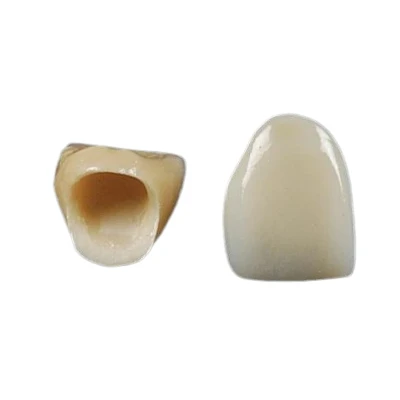
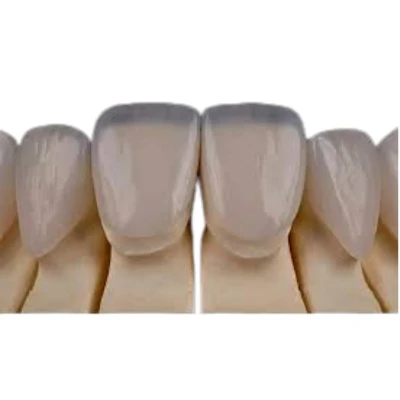
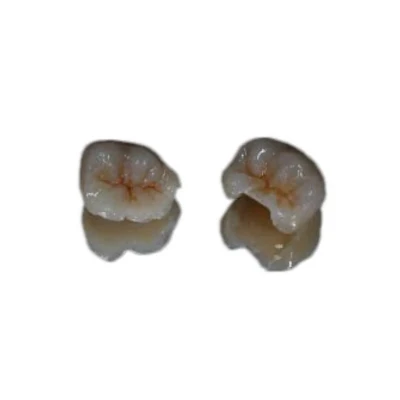
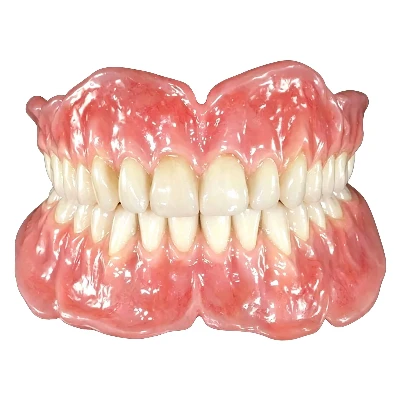



When you've decided to get an All Ceramic Crown, it's natural to wonder what the journey ahead entails. As a supplier of All Ceramic Crowns, I've witnessed firsthand the transformative power of these dental restorations. In this blog, I'll guide you through what you can expect after getting an All Ceramic Crown, from the immediate post - procedure period to long - term outcomes.
Immediate Post - Procedure Experience
After the placement of an All Ceramic Crown, you may experience some discomfort and sensitivity. This is a normal reaction to the dental work that has been done. The area around the crowned tooth might be tender, and you may feel a bit of pressure. Your dentist will likely prescribe pain relievers to manage any pain. It's important to follow the dosage instructions carefully.
You'll also need to be cautious with your diet in the first few days. Avoid chewing on the side of the mouth where the crown has been placed, especially hard or sticky foods. These can dislodge the crown before it has fully settled. Soft foods like yogurt, mashed potatoes, and soup are ideal during this initial recovery phase.
Adjusting to the New Crown
One of the first things you'll notice is the feel of the new crown in your mouth. It may take a little time to get used to the different shape and size. You might find yourself being more aware of it when you talk or chew. In most cases, this feeling will subside within a week or two as your mouth adjusts to the foreign object.
Speech can also be affected slightly. You may notice a minor lisp or slurring at first, but this is usually temporary. Practicing speaking slowly and clearly can help you adapt more quickly. If the speech issue persists for more than a couple of weeks, it's advisable to contact your dentist for an evaluation.
Oral Hygiene with an All Ceramic Crown
Maintaining good oral hygiene is crucial after getting an All Ceramic Crown. Just like your natural teeth, the crown needs to be cleaned regularly. Brush your teeth at least twice a day with a soft - bristled toothbrush and fluoride toothpaste. Flossing is also essential to remove plaque and food particles from between the teeth and around the crown.
In addition to regular brushing and flossing, using an antibacterial mouthwash can help keep the area clean and prevent infections. Make sure to follow your dentist's recommendations regarding the type of mouthwash to use.
Appearance and Aesthetics
One of the main advantages of All Ceramic Crowns is their natural appearance. They are designed to blend in seamlessly with your existing teeth. Once the crown has been placed, you'll likely be impressed with how well it matches the color and shape of your other teeth.
However, it's important to note that over time, your natural teeth may change color due to factors like diet, smoking, or aging. The All Ceramic Crown, on the other hand, will maintain its original color. This could potentially lead to a slight mismatch in the future. If this becomes a concern, your dentist may recommend teeth - whitening treatments for your natural teeth or replacing the crown if necessary.
Durability and Long - Term Performance
All Ceramic Crowns are known for their durability. They can withstand the normal forces of chewing and biting for many years. However, their lifespan can be affected by several factors.


Good oral hygiene practices play a significant role in the longevity of the crown. Regular dental check - ups are also essential. Your dentist will be able to detect any potential issues early on, such as signs of wear or damage to the crown.
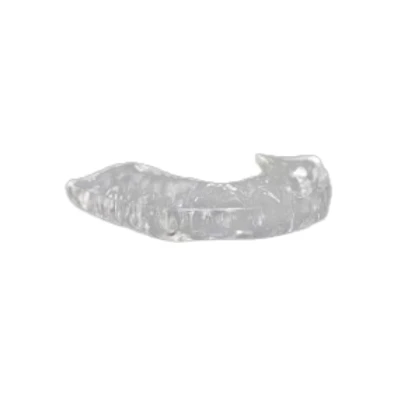
Avoiding habits like teeth grinding or clenching can also extend the life of your All Ceramic Crown. If you have a tendency to grind your teeth, your dentist may recommend wearing a nightguard to protect the crown and your natural teeth.
Different Types of All Ceramic Crowns
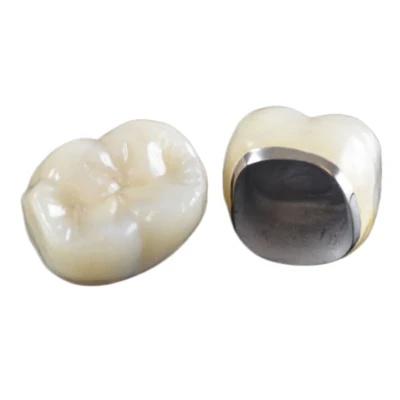
There are various types of All Ceramic Crowns available in the market. For example, the Layered Zirconia Crown offers excellent strength and a natural appearance. Zirconia is a very durable material, and the layered design allows for a more realistic look.
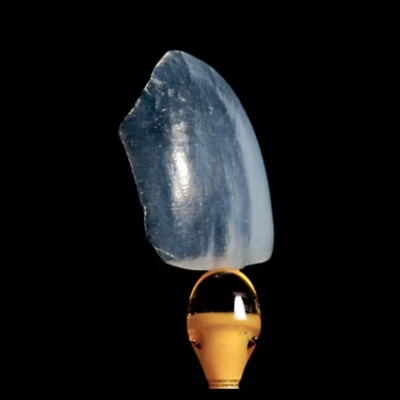
Emax Porcelain Veneers are another option. They are thin, custom - made shells that are bonded to the front of the teeth. Emax porcelain is known for its translucency, which gives it a very natural look.
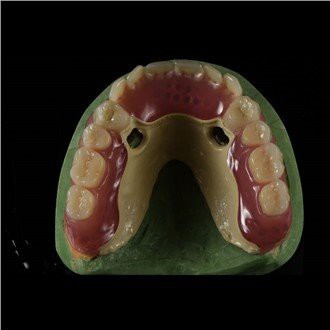
The Implant Zirconia Bridge is suitable for patients who need to replace multiple missing teeth. It is a fixed restoration that is supported by dental implants, providing stability and a long - lasting solution.
Monitoring and Follow - Up
Your dentist will schedule follow - up appointments to monitor the condition of your All Ceramic Crown. During these visits, the dentist will check the fit of the crown, look for any signs of wear or damage, and ensure that your gums are healthy.
It's important to attend these appointments as scheduled. Early detection of any problems can prevent more serious issues from developing. If you notice any changes in the way the crown feels, such as looseness or pain, contact your dentist immediately.
Potential Complications
While All Ceramic Crowns are generally safe and reliable, there are some potential complications that you should be aware of. One possible issue is chipping or cracking of the crown. This can occur due to trauma or excessive force on the tooth.
Another complication is gum irritation. The crown may not fit properly, causing the gums to become inflamed or irritated. If you experience redness, swelling, or bleeding of the gums around the crowned tooth, it's important to seek dental advice.
Long - Term Benefits
Despite the potential complications, the long - term benefits of All Ceramic Crowns are significant. They can restore the function of a damaged or decayed tooth, allowing you to chew and speak normally. From an aesthetic perspective, they can improve the appearance of your smile, boosting your confidence.
All Ceramic Crowns are also biocompatible, which means they are less likely to cause allergic reactions compared to some other types of dental restorations. This makes them a suitable option for patients with sensitive gums or allergies.
Contact for Procurement
If you're a dental professional or a distributor interested in sourcing high - quality All Ceramic Crowns, we'd love to hear from you. Our products are designed to meet the highest standards of quality and durability. Whether you're looking for Layered Zirconia Crown, Emax Porcelain Veneers, or Implant Zirconia Bridge, we have a wide range of options to meet your needs. Reach out to us to start a procurement discussion and find the best solutions for your patients.
References
- American Dental Association. (Year). Guidelines for Dental Restorations.
- Journal of Dental Research. (Year). Long - Term Performance of All Ceramic Crowns.
- Dental Materials Journal. (Year). Biocompatibility of All Ceramic Dental Restorations.