

When it comes to dental crowns, two popular options that often come up in discussions are PFM (Porcelain-Fused-to-Metal) Crowns and leucite-reinforced porcelain crowns. As a PFM Crown supplier, I've seen firsthand how these two types of crowns stack up against each other. So, let's dive into a comparison to help you understand which one might be the better fit for different dental situations.
Structure and Composition
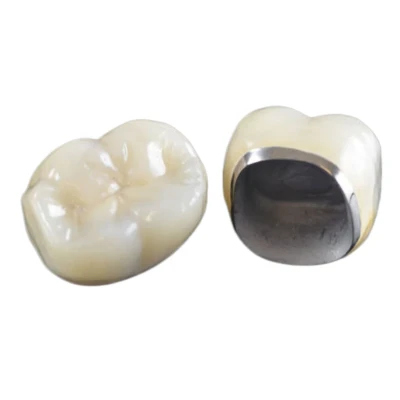
Let's start with the basics - the structure and composition of these crowns. PFM crowns have a metal substructure, usually made of precious or semi - precious metals like gold, palladium, or base metals such as nickel and chromium. On top of this metal framework, a layer of porcelain is fused. This combination gives PFM crowns the strength of metal and the aesthetic appeal of porcelain.
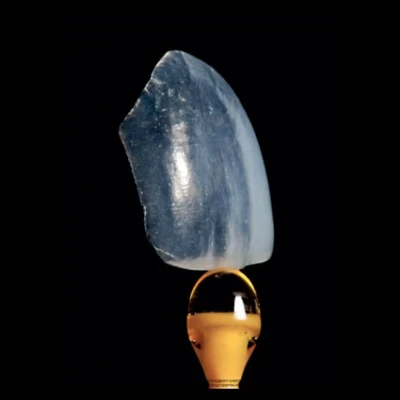
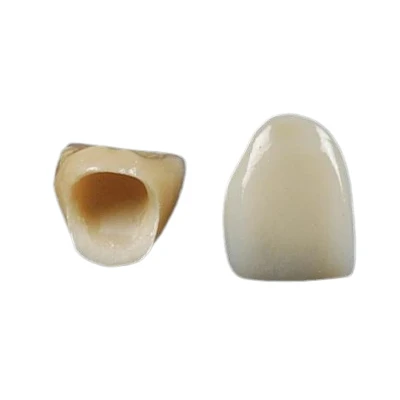
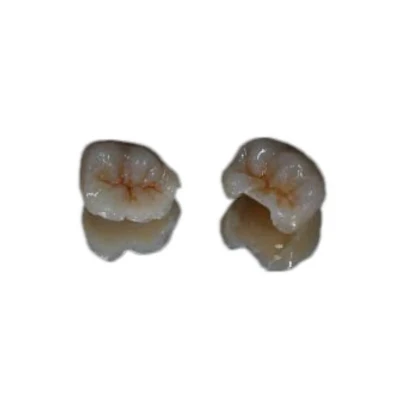
On the other hand, leucite - reinforced porcelain crowns are made entirely of porcelain that's been reinforced with leucite crystals. Leucite is a type of mineral that enhances the mechanical properties of the porcelain, making it more durable than regular porcelain.
Strength and Durability
One of the main advantages of PFM crowns is their strength. The metal substructure provides excellent support, which means they can withstand a lot of chewing force. This makes them a great choice for back teeth, where the biting pressure is the highest. They're also less likely to chip or break compared to some all - porcelain crowns.


Leucite - reinforced porcelain crowns, while strong, may not be as resilient as PFM crowns under extreme stress. However, for patients with normal chewing habits and for use on front teeth or premolars, they can offer sufficient durability. The leucite crystals do a good job of preventing crack propagation, but in cases of heavy bruxism (teeth grinding), a PFM crown might be a more reliable option.
Aesthetics
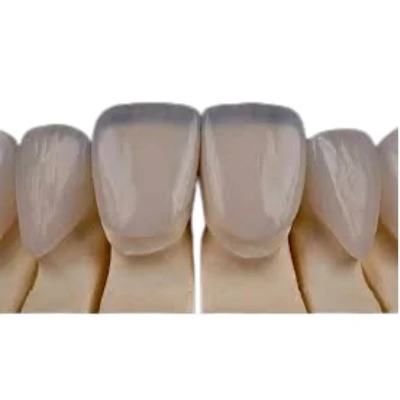
When it comes to looks, leucite - reinforced porcelain crowns have an edge. Since they're all - porcelain, they can closely mimic the natural color and translucency of real teeth. This makes them almost indistinguishable from the surrounding teeth, especially in the front of the mouth where aesthetics are crucial.
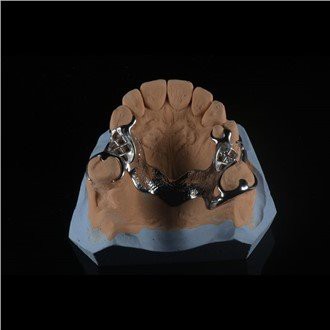
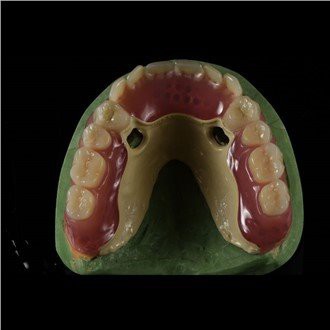
PFM crowns, however, can sometimes have a tell - tale gray line at the gum margin. This is because the metal substructure can show through the porcelain, especially as the gum tissue recedes over time. But advancements in technology have made it possible to reduce this issue. Newer PFM crowns use more opaque porcelains and better bonding techniques to minimize the visibility of the metal. If you're interested in our advanced PFM options, you can check out PFM Implant Crown Bridge and PFM Precision Crowns with Partial Dentures.
Biocompatibility
Biocompatibility is an important factor, especially for patients with metal allergies. Leucite - reinforced porcelain crowns are a great option for these patients because they're metal - free. There's no risk of an allergic reaction, which can cause inflammation, gum irritation, or other oral health problems.
PFM crowns, depending on the type of metal used, can pose a risk of allergic reactions in some patients. Base metals like nickel and chromium are more likely to cause allergies compared to precious metals. However, there are also hypoallergenic PFM options available that use precious metals or metal alloys with low allergenic potential.
Cost
Cost is often a deciding factor for many patients. Generally, leucite - reinforced porcelain crowns tend to be more expensive than PFM crowns. This is due to the cost of the materials and the more complex manufacturing process involved in creating high - quality all - porcelain crowns.
PFM crowns offer a more cost - effective solution without sacrificing too much in terms of functionality. They're a popular choice for patients who want a durable crown at a reasonable price. If you're looking for affordable yet high - quality PFM options, take a look at PFM Ceramic Crowns.
Placement and Adjustment
The placement process for both types of crowns is relatively similar. First, the dentist will prepare the tooth by removing a small amount of enamel to make room for the crown. Then, an impression of the tooth is taken, which is sent to a dental laboratory.
In the case of PFM crowns, the lab technicians will fabricate the metal substructure and then fuse the porcelain onto it. Leucite - reinforced porcelain crowns are milled or pressed from a block of the reinforced porcelain material.
When it comes to adjustment, PFM crowns can be more forgiving. The metal substructure allows for some minor adjustments without compromising the integrity of the crown. Leucite - reinforced porcelain crowns, once adjusted, may be more prone to weakening, so the dentist has to be more careful during the adjustment process.
Long - Term Maintenance
Both PFM and leucite - reinforced porcelain crowns require regular oral hygiene to ensure their longevity. Patients should brush and floss daily and visit the dentist for regular check - ups.
PFM crowns may require a bit more attention to the gum area because of the potential for the metal to cause gum discoloration or irritation. Good oral hygiene can help prevent these issues. Leucite - reinforced porcelain crowns, on the other hand, are less likely to cause such problems, but they still need to be protected from excessive force to avoid damage.
Which One Should You Choose?
Choosing between a PFM crown and a leucite - reinforced porcelain crown depends on several factors. If you need a crown for a back tooth and have normal to heavy chewing forces, a PFM crown is probably the way to go. It offers the strength and durability you need.
If aesthetics are your top priority, especially for front teeth, and you don't have extreme chewing habits, a leucite - reinforced porcelain crown might be the better option. And if you have a metal allergy, an all - porcelain crown is a must.
As a PFM Crown supplier, I'm here to provide high - quality PFM crowns that meet your patients' needs. Whether you're a dentist looking for reliable dental restorations or a patient exploring your options, I'd love to have a chat about how our PFM crowns can be a great choice. Feel free to reach out to start a procurement discussion and see how we can work together to improve your patients' oral health and smiles.
References
- ADA (American Dental Association). Dental Materials Guidelines.
- Journal of Prosthetic Dentistry, various issues on dental crown materials.
- Dental Clinics of North America articles on crown selection and properties.