



In the ever - evolving field of dentistry, intraoral scanners have emerged as revolutionary tools that streamline the dental impression process, offering greater accuracy, comfort for patients, and efficiency for dental professionals. As a supplier of intraoral scanners, one question that frequently arises from our potential and existing clients is whether these high - tech devices come with a training course. In this blog post, we will explore the importance of training courses for intraoral scanners, whether they are typically included, and why training is a game - changer in the successful implementation of this technology.
The Significance of Training for Intraoral Scanners
Intraoral scanners are sophisticated pieces of equipment that require a certain level of skill and knowledge to operate effectively. Unlike traditional dental impression methods, which are more tactile and have been used for decades, intraoral scanners rely on digital technology and software to capture and process dental images.
For instance, proper scanning technique is crucial to obtain high - quality digital impressions. A dental professional needs to understand how to navigate the scanner within the patient's mouth, ensuring that all relevant areas are covered without causing discomfort to the patient. Additionally, interpreting the scanned data, adjusting the scanner settings as per the requirements of each case, and integrating the scanner with other dental software such as CAD/CAM systems demand a comprehensive understanding of the technology.
Without adequate training, dental practitioners may struggle to utilize the full potential of the intraoral scanner. This could lead to inaccurate impressions, which can further result in ill - fitting dental restorations, longer treatment times, and ultimately, dissatisfied patients. Therefore, training is not just an added benefit; it is an essential component of incorporating intraoral scanners into a dental practice.
Do Intraoral Scanners Usually Come with a Training Course?
The answer to whether intraoral scanners come with a training course is not a simple yes or no. It depends on the manufacturer and the supplier. Some manufacturers offer comprehensive training programs as part of the package when you purchase an intraoral scanner. These programs can range from on - site training, where a representative from the company visits the dental practice to provide hands - on instruction, to online courses that can be accessed at the convenience of the dental team.
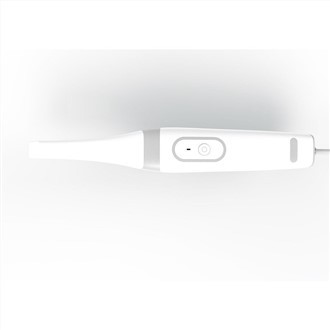
As a supplier, we understand the importance of training and strive to provide our clients with the best possible support. In most cases, when you purchase an Intraoral Dental 3D Scanners from us, we include some form of training. This training can be customized based on the needs of your practice, whether you are a small private clinic or a large dental group.
We offer both initial training for new users, which typically covers the basics of scanner operation, patient positioning, and basic software functionality. We also provide advanced training for more experienced users, focusing on topics such as troubleshooting, optimizing scanning for complex cases, and integrating the scanner with other dental technologies.


The Components of a Typical Training Course
A well - structured training course for intraoral scanners usually consists of several key components:
Theoretical Knowledge
The training begins with an in - depth theoretical session. This includes an overview of the scanner's technical specifications, such as its resolution, accuracy, and scanning speed. Dental professionals also learn about the different types of scanners available in the market and how they compare to the one they have purchased. Theoretical knowledge also covers the underlying principles of 3D scanning technology, how the scanner captures light and converts it into digital data, and the role of different software algorithms in processing this data.
Hands - on Practice
Practical, hands - on experience is the most crucial part of the training. During this phase, dental professionals get to use the scanner on models or volunteer patients. They learn how to hold the scanner correctly, move it around the oral cavity in a systematic manner, and avoid common errors such as blurry scans or incomplete captures. They also practice using the scanner's features, such as adjusting the scanning mode, changing the settings for different types of cases, and taking multiple scans to create a complete digital model.
Software Training
Intraoral scanners are accompanied by software that is used to view, edit, and save the scanned data. Training in software operation is essential for dental practitioners to be able to utilize the scanner to its full potential. They learn how to manipulate the digital models, measure distances and angles, and export the files in the appropriate format for use with other dental CAD/CAM systems or to send to dental laboratories.
Troubleshooting
No technology is without its glitches, and intraoral scanners are no exception. Training courses also cover troubleshooting techniques. Dental professionals learn how to identify common problems such as connectivity issues, scanner errors, or issues with the software. They are taught step - by - step procedures to resolve these problems, minimizing downtime and ensuring that the scanner is always up and running smoothly.
The Benefits of Training for Dental Practices
Investing in training for intraoral scanners offers numerous benefits for dental practices:
Improved Efficiency
Well - trained dental teams can operate the intraoral scanner more efficiently. They can complete scans more quickly, reducing the time patients spend in the chair. This not only improves patient satisfaction but also allows the practice to see more patients in a day, increasing productivity and revenue.
Enhanced Accuracy
Proper training ensures that dental professionals are able to capture accurate digital impressions. This leads to better - fitting dental restorations, fewer remakes, and a higher quality of patient care. In the long run, it can save the practice time and money by reducing the number of complications and rework associated with inaccurate impressions.
Staff Confidence
When the dental team is well - trained, they feel more confident in using the intraoral scanner. This confidence translates into better patient interactions, as the staff can explain the technology to patients with ease and answer any questions they may have. It also encourages the team to explore new applications of the scanner, leading to innovation within the practice.
Contact Us for More Information and Purchase
If you are considering incorporating intraoral scanners into your dental practice, we are here to assist you. Our team of experts can provide you with detailed information about our products, the training courses we offer, and how they can benefit your practice. We understand that every dental practice is unique, and we are committed to providing customized solutions to meet your specific needs.
Whether you are a new user looking to get started with intraoral scanning or an experienced practitioner looking to upgrade your existing equipment, we have the perfect solution for you. Contact us today to start a conversation about how our Intraoral Dental 3D Scanners can transform your practice. Let's take your dental practice to the next level together with the latest in intraoral scanning technology.
References
- American Dental Association (ADA). "Advances in Digital Dentistry." ADA Journal.
- European Society of Digital Dentistry. "Best Practices for Intraoral Scanning." Digital Dentistry Review.
- Manufacturer's manuals and training materials for various intraoral scanners.