




In the field of orthodontics, archwires are fundamental components of orthodontic appliances, playing a crucial role in the treatment process. As a reputable supplier of orthodontic appliances, I have witnessed firsthand the significance of archwires in achieving optimal dental alignment and patient outcomes. In this blog, I will delve into the functions of archwires in orthodontic appliances, exploring their mechanisms, types, and clinical applications.
Mechanisms of Archwires
Archwires are designed to exert controlled forces on the teeth, guiding them into their desired positions over time. The primary mechanism by which archwires achieve this is through their shape memory and elasticity. When an archwire is initially placed in the mouth, it is bent or shaped to conform to the ideal dental arch form. As the teeth begin to move in response to the forces exerted by the archwire, the wire gradually returns to its original shape, continuing to apply gentle pressure on the teeth.
This continuous application of force is essential for promoting tooth movement. The forces exerted by archwires can be categorized into two main types: orthodontic forces and orthopedic forces. Orthodontic forces are used to move individual teeth within the alveolar bone, while orthopedic forces are used to modify the growth and development of the jaws. Archwires can be designed to deliver both types of forces, depending on the specific treatment needs of the patient.


Types of Archwires
There are several types of archwires available in the market, each with its own unique properties and characteristics. The choice of archwire depends on various factors, including the patient's age, the severity of the malocclusion, and the treatment objectives. The most commonly used types of archwires include stainless steel archwires, nickel-titanium archwires, and beta-titanium archwires.
- Stainless Steel Archwires: Stainless steel archwires are the most traditional type of archwire used in orthodontics. They are strong, durable, and have excellent resistance to corrosion. Stainless steel archwires are typically used in the later stages of treatment, when the teeth are being finalized into their final positions. They are also commonly used for intermaxillary elastics and other auxiliary appliances.
- Nickel-Titanium Archwires: Nickel-titanium archwires, also known as Nitinol archwires, are a relatively new type of archwire that has gained popularity in recent years. They are made from a combination of nickel and titanium, which gives them unique shape memory and superelastic properties. Nickel-titanium archwires can deliver a more constant and gentle force over a longer period of time, making them ideal for the initial stages of treatment when the teeth need to be moved quickly and efficiently.
- Beta-Titanium Archwires: Beta-titanium archwires are another type of archwire that is commonly used in orthodontics. They are made from a titanium alloy that has a high strength-to-weight ratio and excellent formability. Beta-titanium archwires can be bent and shaped easily, allowing for precise control of the forces applied to the teeth. They are typically used in the middle stages of treatment, when the teeth are being moved into their correct positions.
Clinical Applications of Archwires
Archwires are used in a variety of orthodontic treatments, including braces, aligners, and other fixed appliances. The specific clinical applications of archwires depend on the type of appliance being used and the treatment objectives. Some of the most common clinical applications of archwires include:
- Leveling and Alignment: One of the primary functions of archwires is to level and align the teeth. In the initial stages of treatment, archwires are used to correct any irregularities in the dental arch, such as crowding, spacing, or misalignment. By applying gentle forces to the teeth, archwires can gradually move them into their correct positions, creating a more even and aesthetically pleasing smile.
- Torque Control: Torque control is another important function of archwires. Torque refers to the rotation of a tooth around its long axis. In orthodontics, torque control is used to correct the angulation of the teeth, ensuring that they are properly aligned and positioned in the dental arch. Archwires can be designed to deliver specific amounts of torque to the teeth, allowing for precise control of their movement.
- Space Closure: In cases where there are gaps or spaces between the teeth, archwires can be used to close these spaces. By applying gentle forces to the teeth, archwires can gradually move them closer together, eliminating the gaps and creating a more uniform smile.
- Overbite and Overjet Correction: Archwires can also be used to correct overbite and overjet problems. Overbite refers to the vertical overlap of the upper and lower teeth, while overjet refers to the horizontal distance between the upper and lower teeth. By applying specific forces to the teeth, archwires can gradually move them into their correct positions, reducing the overbite and overjet and improving the overall bite relationship.
Other Orthodontic Appliances
In addition to archwires, there are several other types of orthodontic appliances that are commonly used in conjunction with archwires to achieve optimal treatment outcomes. Some of these appliances include Frankel Dental Devices, Orthodontic Expanders, and Snoring Control Devices.
- Frankel Dental Devices: Frankel dental devices are functional appliances that are used to correct skeletal malocclusions. They work by stimulating the growth and development of the jaws, guiding them into their correct positions. Frankel dental devices are typically used in the early stages of treatment, when the patient's jaws are still growing and developing.
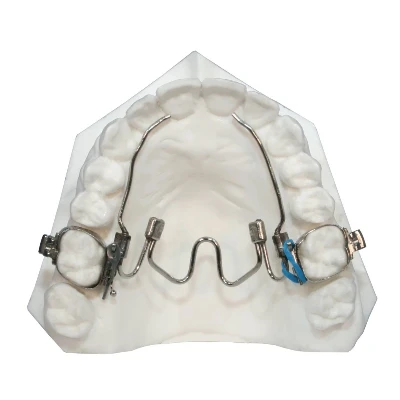
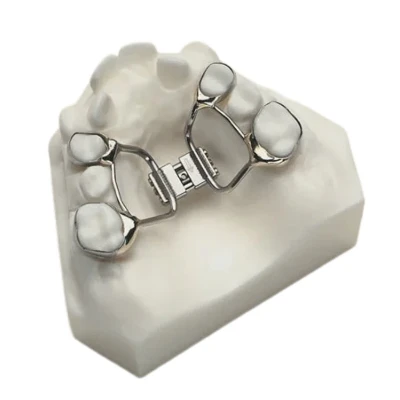
- Orthodontic Expanders: Orthodontic expanders are appliances that are used to widen the dental arch. They work by applying gentle pressure to the upper or lower jaw, gradually expanding the arch and creating more space for the teeth. Orthodontic expanders are commonly used in cases where there is crowding or a narrow dental arch.
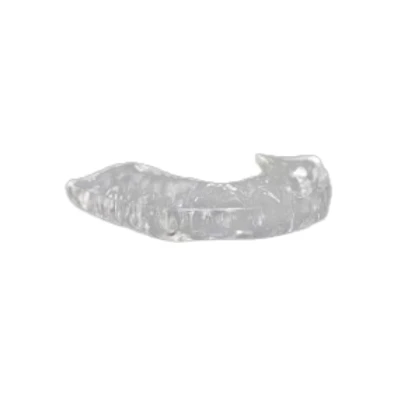
- Snoring Control Devices: Snoring control devices are appliances that are used to treat snoring and sleep apnea. They work by repositioning the jaw and tongue, opening up the airway and reducing the vibrations that cause snoring. Snoring control devices are typically used in cases where the snoring is caused by a mechanical obstruction in the airway.
Conclusion
In conclusion, archwires are essential components of orthodontic appliances, playing a crucial role in the treatment process. They are designed to exert controlled forces on the teeth, guiding them into their desired positions over time. There are several types of archwires available in the market, each with its own unique properties and characteristics. The choice of archwire depends on various factors, including the patient's age, the severity of the malocclusion, and the treatment objectives.
At our company, we are committed to providing high-quality orthodontic appliances, including archwires, to orthodontists and dental professionals around the world. Our products are designed to meet the highest standards of quality and performance, ensuring optimal treatment outcomes for our patients. If you are interested in learning more about our orthodontic appliances or would like to discuss your specific needs, please do not hesitate to contact us. We look forward to working with you to achieve your patients' orthodontic goals.
References
- Proffit, W. R., Fields, H. W., & Sarver, D. M. (2013). Contemporary Orthodontics. Elsevier Health Sciences.
- Graber, T. M., Vanarsdall, R. L., & Vig, K. W. L. (2011). Orthodontics: Current Principles and Techniques. Elsevier Health Sciences.
- McNamara, J. A., Jr. (1981). The significance of SNA, SNB, and ANB in the diagnosis and treatment planning of Class II malocclusion. American Journal of Orthodontics, 79(2), 156-179.