

Do PFM Ceramic Crowns chip easily?
As a supplier of PFM Ceramic Crowns, I often encounter questions from dental professionals and patients alike about the durability of these restorations. One of the most common queries is whether PFM Ceramic Crowns chip easily. In this blog post, I will delve into the factors that influence the chipping resistance of PFM Ceramic Crowns and provide insights based on scientific research and practical experience.
Understanding PFM Ceramic Crowns
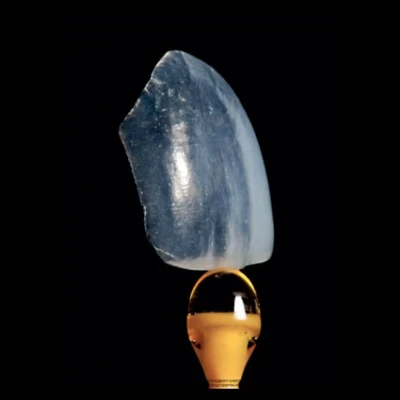
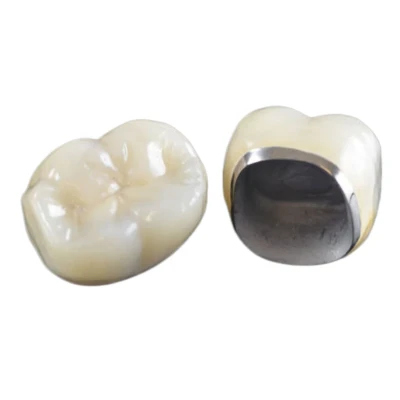
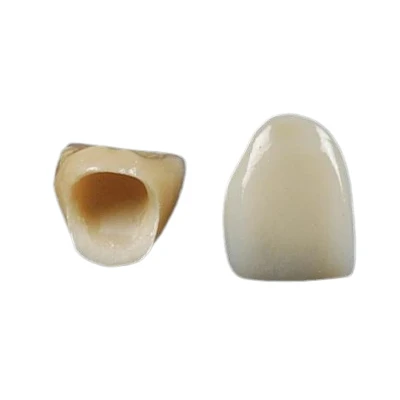
PFM (Porcelain-Fused-to-Metal) Ceramic Crowns are a popular choice in dental restorations due to their combination of strength and aesthetics. These crowns consist of a metal substructure, typically made of precious or non-precious metals, which provides the necessary strength and support. A layer of porcelain is then fused to the metal framework to mimic the appearance of natural teeth. This combination allows PFM Ceramic Crowns to blend in seamlessly with the patient's existing dentition while providing long-lasting functionality. You can learn more about PFM Ceramic Crowns on our website.
Factors Affecting Chipping Resistance
Material Quality
The quality of the materials used in PFM Ceramic Crowns plays a crucial role in their chipping resistance. High-quality metals and porcelain are less likely to chip compared to inferior materials. For instance, precious metals such as gold alloys have excellent biocompatibility and strength, which can enhance the overall durability of the crown. On the other hand, low-grade porcelain may be more prone to cracking and chipping due to its lower fracture toughness. At our company, we source only the highest quality materials to ensure the longevity and performance of our PFM Ceramic Crowns.
Design and Manufacturing
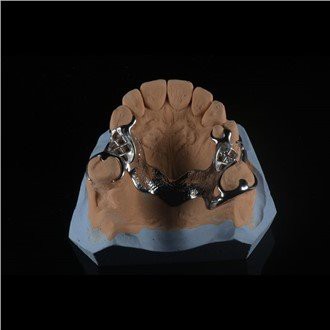
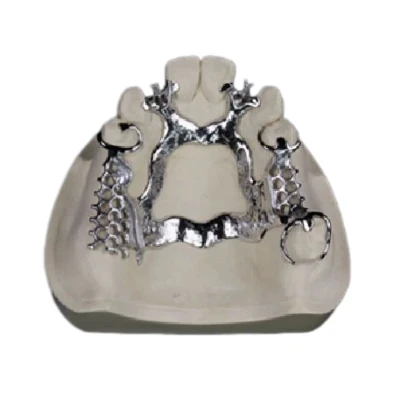
The design and manufacturing process of PFM Ceramic Crowns also impact their chipping resistance. A well-designed crown with proper occlusion (the way the teeth fit together) and contour can distribute the forces evenly during chewing, reducing the risk of chipping. Additionally, precise manufacturing techniques, such as computer-aided design and manufacturing (CAD/CAM), can ensure a perfect fit and minimize stress concentrations on the crown. Our PFM Precision Crowns with Partial Dentures are crafted using state-of-the-art technology to ensure optimal design and accuracy.
Patient Habits
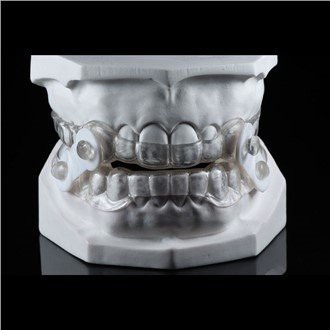
Patient habits can significantly affect the lifespan of PFM Ceramic Crowns. Habits such as bruxism (teeth grinding or clenching), biting on hard objects (e.g., ice, pens), and poor oral hygiene can increase the risk of chipping. Bruxism exerts excessive forces on the crowns, which can lead to cracks and chips over time. Patients who engage in these habits may require additional measures, such as wearing a nightguard, to protect their restorations. Educating patients about proper oral care and the importance of avoiding harmful habits is essential for maintaining the integrity of their PFM Ceramic Crowns.
Clinical Placement
The success of PFM Ceramic Crowns also depends on the skill and experience of the dentist or dental technician during the clinical placement. Proper preparation of the tooth, precise seating of the crown, and adequate cementation are crucial for ensuring a stable and long-lasting restoration. If the crown is not properly seated or if there is an incorrect bite, it can cause uneven stress distribution and increase the likelihood of chipping. Our products are designed to facilitate easy and accurate placement, and we provide comprehensive support to dental professionals to ensure successful clinical outcomes.
Scientific Evidence on Chipping Resistance
Numerous scientific studies have investigated the chipping resistance of PFM Ceramic Crowns. One study published in the Journal of Prosthetic Dentistry found that PFM Crowns had a relatively low incidence of chipping over a five-year period. The study attributed the good performance of PFM Crowns to the combination of the metal substructure and the porcelain veneer, which provided both strength and aesthetics. Another study in the International Journal of Prosthodontics compared the chipping resistance of different types of dental crowns and concluded that PFM Ceramic Crowns had comparable or better performance than some all-ceramic crowns.
However, it is important to note that the results of these studies can vary depending on the specific materials, design, and clinical conditions. Therefore, it is essential to consider multiple factors when assessing the chipping resistance of PFM Ceramic Crowns in a clinical setting.
PFM Dental Bridges and Chipping
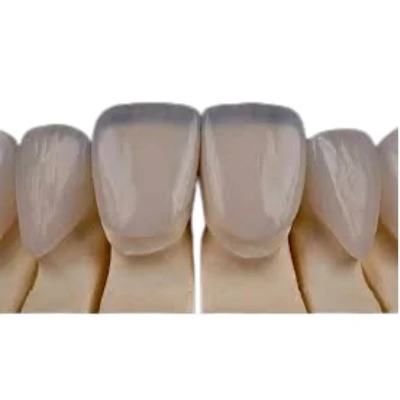
In addition to single crowns, PFM technology is also used in the fabrication of dental bridges. PFM Dental Bridges are designed to replace one or more missing teeth by bridging the gap between adjacent teeth. Like PFM Crowns, PFM Dental Bridges can be prone to chipping if not properly designed, manufactured, or maintained.


The same factors that affect the chipping resistance of PFM Crowns also apply to PFM Dental Bridges. The length of the bridge, the number of missing teeth, and the location in the mouth can all influence the stress distribution and the likelihood of chipping. Longer bridges and those located in the posterior region of the mouth are generally more susceptible to chipping due to the higher forces exerted during chewing. However, with proper design and material selection, PFM Dental Bridges can provide a reliable and aesthetically pleasing solution for tooth replacement.
Minimizing the Risk of Chipping
To minimize the risk of chipping in PFM Ceramic Crowns and Dental Bridges, several strategies can be employed:
- Material Selection: Choose high-quality metals and porcelain with good fracture toughness.
- Proper Design: Design the crown or bridge to distribute the forces evenly during chewing and avoid stress concentrations.
- Patient Education: Educate patients about proper oral care and the importance of avoiding harmful habits such as bruxism and biting on hard objects.
- Regular Maintenance: Encourage patients to visit their dentist regularly for check-ups and cleanings to detect and address any potential issues early.
- Nightguard Use: For patients with bruxism, recommend the use of a nightguard to protect the restorations.
Conclusion
In conclusion, PFM Ceramic Crowns do not chip easily when proper materials, design, manufacturing, and clinical techniques are employed. While there are factors that can increase the risk of chipping, such as patient habits and clinical conditions, these risks can be minimized through appropriate measures. As a supplier of PFM Ceramic Crowns, we are committed to providing high-quality products and comprehensive support to ensure the success of dental restorations.
If you are a dental professional interested in learning more about our PFM Ceramic Crowns, PFM Precision Crowns with Partial Dentures, or PFM Dental Bridges, we invite you to contact us for a采购洽谈. Our team of experts is available to answer your questions and provide you with the information you need to make an informed decision.
References
- Journal of Prosthetic Dentistry. [Research Study Title]. Volume, Issue, Year.
- International Journal of Prosthodontics. [Research Study Title]. Volume, Issue, Year.