

When it comes to orthodontic treatment, the journey doesn't end once the braces come off. Retainers play a crucial role in maintaining the corrected position of your teeth. There are two main types of orthodontic retainers: fixed and removable. As a trusted orthodontic retainers supplier, we understand the intricacies of each type and can provide valuable insights to help you make an informed decision.
What are Fixed Orthodontic Retainers?
Fixed orthodontic retainers, also known as bonded retainers, are permanently attached to the teeth. They typically consist of a thin wire that is bonded to the back of the front teeth, usually the lower incisors. This type of retainer is practically invisible from the front and is designed to provide continuous, long - term stability to the teeth.
One of the key advantages of fixed retainers is their convenience. Since they are permanently in place, patients don't have to worry about remembering to wear them. This makes them an excellent option for individuals who may forget or be hesitant to wear removable retainers consistently. Additionally, fixed retainers offer a high level of stability, as they actively prevent the teeth from shifting back to their original positions.
However, fixed retainers also have some drawbacks. Maintaining oral hygiene can be more challenging with a fixed retainer, as food particles and plaque can easily get trapped around the wire and bonding material. This requires extra effort in brushing and flossing to prevent tooth decay and gum disease. Also, fixed retainers may need to be adjusted or replaced over time if the wire breaks or the bonding fails.
What are Removable Orthodontic Retainers?
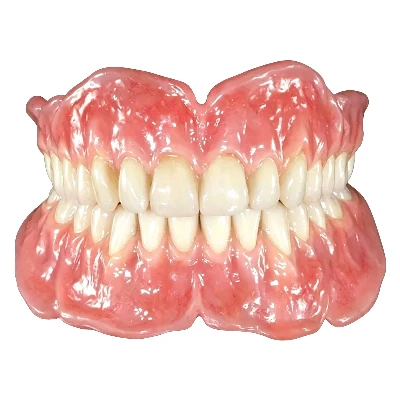
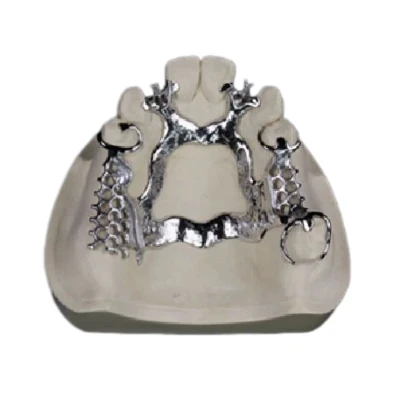
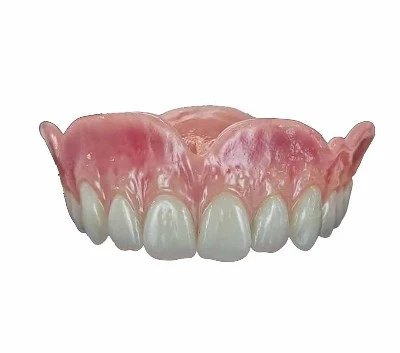
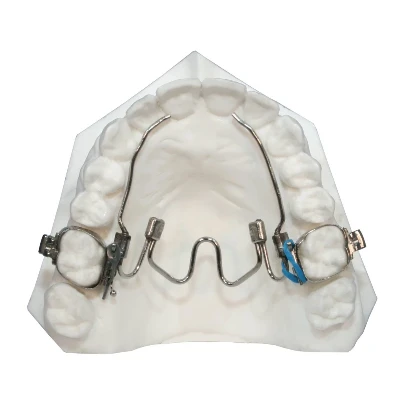
Removable orthodontic retainers, as the name suggests, can be taken out of the mouth. There are several types of removable retainers available in the market.
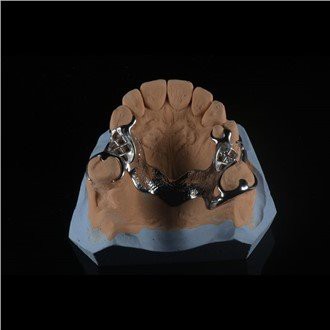
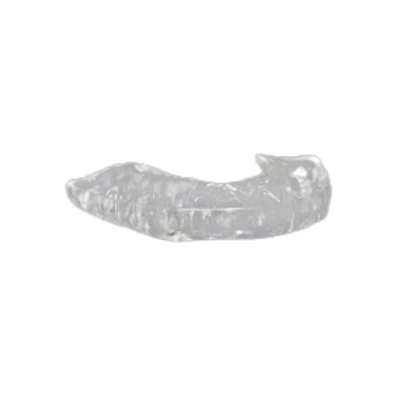
- Hawley Removable Retainer: Hawley Removable Retainer is a classic design. It consists of a plastic base that conforms to the roof of the mouth or the bottom of the dental arch, with a wire that goes around the front teeth. This type of retainer can be adjusted to make minor corrections to the teeth alignment over time.
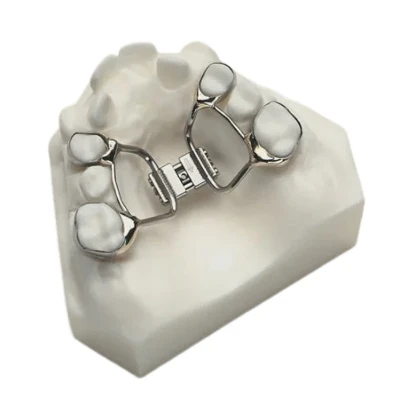
- Teeth Space Retainer: Teeth Space Retainer is often used in children to maintain the space for permanent teeth. It is a removable appliance that helps keep the proper spacing between teeth when a baby tooth is lost prematurely.
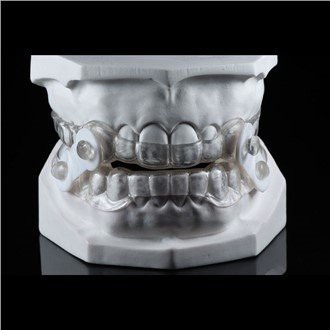
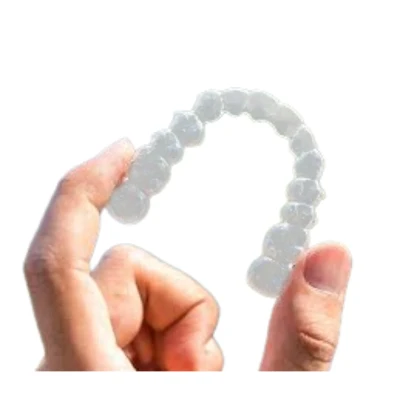
- Clear Aligners Retainers: Clear Aligners Retainers are made of a clear, flexible plastic material. They are nearly invisible when worn, making them a popular choice for those concerned about aesthetics. They fit snugly over the teeth and are custom - made to match the shape of the patient's dental arch.
The main advantage of removable retainers is their convenience in terms of oral hygiene. Patients can easily remove the retainer to brush and floss their teeth thoroughly. Additionally, they can be removed for special occasions, such as eating or playing sports, without causing any damage to the teeth or the retainer.


On the other hand, removable retainers require a high level of compliance. Patients need to remember to wear them as prescribed by the orthodontist, usually for a certain number of hours per day. If not worn consistently, the teeth may start to shift, undoing the progress made during orthodontic treatment.
Key Differences between Fixed and Removable Retainers
1. Appearance
- Fixed Retainers: They are largely invisible from the front view of the teeth. The wire is bonded to the back of the teeth, so there is no noticeable device on the front surface. This makes them a good option for those who are self - conscious about wearing a visible retainer.
- Removable Retainers: The appearance varies. Hawley retainers have a wire and plastic base, which can be visible when speaking or smiling. Clear aligner retainers, however, are almost invisible, making them a more aesthetically pleasing option.
2. Comfort
- Fixed Retainers: Initially, there may be some minor discomfort as the tongue gets used to the presence of the wire on the back of the teeth. But over time, most patients adjust well to it. There is no need to worry about the retainer moving around in the mouth.
- Removable Retainers: Some patients may find removable retainers uncomfortable, especially in the first few days of wearing them. The plastic base of the Hawley retainer or the pressure of the clear aligner can cause soreness. However, this discomfort usually subsides as the mouth adjusts.
3. Oral Hygiene
- Fixed Retainers: Maintaining good oral hygiene is more challenging. Food particles can accumulate around the wire and bonding material, increasing the risk of plaque buildup and tooth decay. Special flossing tools, such as floss threaders, may be required to clean effectively.
- Removable Retainers: They are easier to clean. Patients can simply remove the retainer and brush it separately. This also allows for more thorough brushing and flossing of the teeth themselves.
4. Cost
- Fixed Retainers: Installation of fixed retainers may require more time and skill from the orthodontist, which can make them relatively more expensive upfront. However, since they are long - term and don't need to be replaced as often as some removable retainers, the overall cost may be comparable in the long run.
- Removable Retainers: The cost can vary depending on the type. Hawley retainers are generally more affordable, while clear aligner retainers may be more expensive due to the custom - made nature and the use of advanced materials.
5. Durability
- Fixed Retainers: They are designed to be long - lasting. With proper care, a fixed retainer can last for several years. However, they are susceptible to breakage, especially if the patient bites down on hard objects.
- Removable Retainers: Their durability depends on how well they are cared for. Hawley retainers can last for a few years, but the plastic base may become brittle over time. Clear aligner retainers may need to be replaced more frequently, usually every 6 - 12 months.
Which One is Right for You?
The choice between fixed and removable retainers depends on several factors, including your lifestyle, oral hygiene habits, and personal preferences. If you have a busy schedule and are worried about forgetting to wear a retainer, a fixed retainer may be the best option. On the other hand, if you value aesthetics and ease of oral hygiene, a removable retainer, especially a clear aligner retainer, could be more suitable.
As an orthodontic retainers supplier, we offer a wide range of high - quality fixed and removable retainers. Our products are designed to meet the diverse needs of patients and orthodontists alike. Whether you are an orthodontist looking for reliable retainers for your patients or a patient in need of a quality retainer after orthodontic treatment, we can provide you with the right solution.
If you are interested in learning more about our orthodontic retainers or are looking to place an order, please reach out to us for a detailed discussion. We are committed to providing excellent customer service and helping you achieve the best results for your orthodontic needs.
References
- American Association of Orthodontists. "Retainers: What to Expect After Braces."
- National Institute of Dental and Craniofacial Research. "Orthodontics: Straightening Teeth and Correcting Bites."