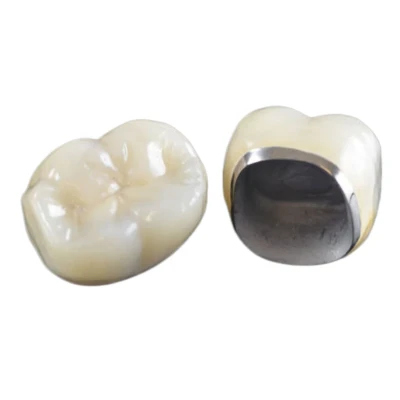
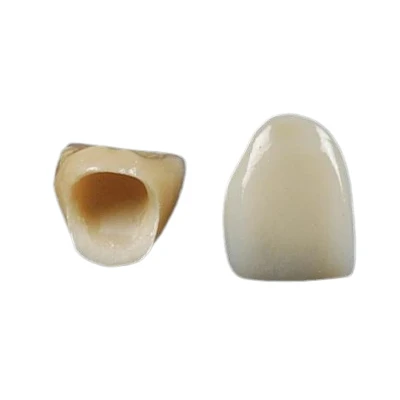
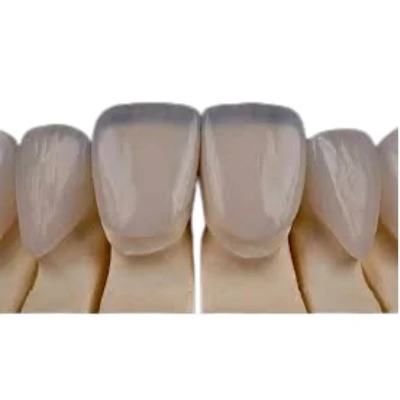
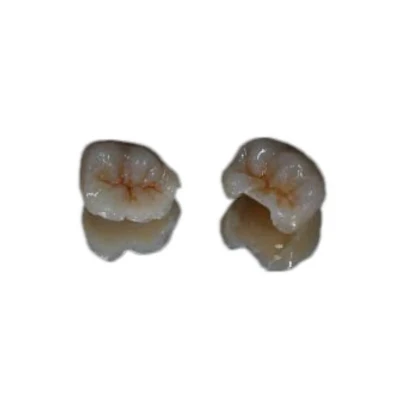



When considering the use of a Layered Zirconia Crown in children, numerous factors come into play. As a supplier of Layered Zirconia Crowns, I understand the importance of providing comprehensive information to dental professionals and parents alike. This blog post aims to delve into the key considerations that should be taken into account when using these crowns in pediatric dentistry.
1. Dental Development Stage
Children's dental development is a complex and dynamic process. The primary dentition starts to erupt around 6 months of age and is usually complete by the age of 2 - 3 years. Permanent teeth then begin to replace the primary teeth starting around 6 years of age. When using a Layered Zirconia Crown, it is crucial to assess the stage of dental development.
In the primary dentition, the teeth have thinner enamel and dentin compared to permanent teeth. The pulp chambers are also relatively larger. This means that when preparing the tooth for a crown, there is a higher risk of pulp exposure. Therefore, a conservative approach to tooth preparation is essential. Additionally, the crown should be designed to fit well with the developing occlusion. As children grow, their bite patterns change, and the crown should not interfere with the normal growth and development of the jaws and teeth.
In the mixed dentition stage, when both primary and permanent teeth are present, the dentist needs to carefully evaluate whether a crown is the most appropriate treatment option. If the tooth is a primary tooth that is about to be shed, the longevity of the crown may not be a major concern. However, if it is a permanent tooth that has been damaged, the crown should be designed to last until the tooth reaches its full maturity.


2. Biocompatibility
Zirconia is known for its excellent biocompatibility. It has a low risk of allergic reactions, which is particularly important in children. Their immune systems are still developing, and any foreign material in the oral cavity can potentially trigger an immune response. Layered Zirconia Crowns are made of zirconia, which is a ceramic material that is well - tolerated by the body.
The biocompatibility of the crown also extends to its interaction with the surrounding soft tissues. A well - fitting crown will not cause irritation to the gums, which is crucial for maintaining good oral hygiene. In children, good oral hygiene is especially important as they are more prone to developing dental caries and gum diseases. The smooth surface of zirconia crowns makes it easier for children to clean their teeth, reducing the risk of plaque accumulation.
3. Aesthetics
Aesthetics play a significant role in pediatric dentistry. Children are often self - conscious about their appearance, and a tooth that is damaged or discolored can have a negative impact on their self - esteem. Layered Zirconia Crowns offer excellent aesthetic properties. They can be customized to match the color and shape of the adjacent teeth, providing a natural - looking restoration.
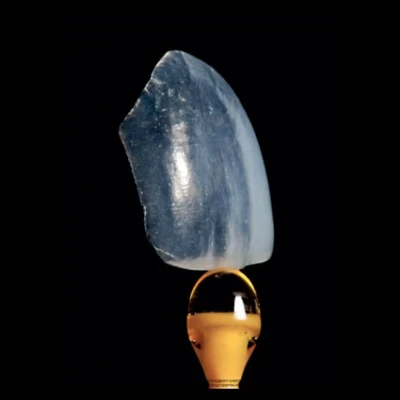
The layering technique used in these crowns allows for a more realistic appearance. The outer layers can be adjusted to mimic the translucency and color variations of natural teeth. This is particularly important in the anterior teeth, where the appearance is of utmost importance. For example, a child with a chipped front tooth can benefit greatly from a Layered Zirconia Crown that blends in seamlessly with the surrounding teeth. You can find more information about aesthetic zirconia crowns on our Aesthetic and Strong Zirconia Crown page.
4. Strength and Durability
Children have a more active lifestyle compared to adults, and their teeth are more likely to be subjected to trauma. Layered Zirconia Crowns are known for their high strength and durability. They can withstand the forces generated during chewing and biting, even in children who have a strong bite.
The zirconia material has excellent fracture resistance, which is crucial in preventing the crown from breaking or chipping. However, the durability of the crown also depends on proper placement and maintenance. The dentist should ensure that the crown is properly seated and bonded to the tooth. Parents should also encourage their children to maintain good oral hygiene to prevent the development of secondary caries, which can weaken the crown over time.
5. Cost - effectiveness
Cost is an important consideration for many parents. While Layered Zirconia Crowns may have a higher upfront cost compared to some other types of crowns, they offer long - term cost - effectiveness. Their durability means that they are less likely to need replacement, reducing the overall cost of treatment in the long run.
In addition, the aesthetic and functional benefits of these crowns can have a positive impact on the child's quality of life. A child with a restored tooth is more likely to eat properly, speak clearly, and have a positive self - image. These factors can contribute to the overall well - being of the child, making the investment in a Layered Zirconia Crown worthwhile.
6. Occlusal Considerations
The occlusion, or the way the teeth come together when biting, is a critical factor when using Layered Zirconia Crowns in children. The crown should be designed to fit well within the child's existing occlusion. An improper occlusal relationship can lead to problems such as bruxism (teeth grinding), which is more common in children.
Bruxism can cause excessive wear on the crown and the opposing teeth. Therefore, the crown should be adjusted to ensure a balanced occlusal contact. This may involve making minor adjustments to the crown's shape and height. The dentist should also monitor the child's occlusion over time, especially during the growth and development period, to ensure that the crown continues to function properly.
7. Maintenance and Oral Hygiene
Proper maintenance and oral hygiene are essential for the success of Layered Zirconia Crowns in children. Parents should teach their children how to brush and floss their teeth correctly. The smooth surface of the zirconia crown makes it easier to clean, but it is still important to remove plaque and food debris regularly to prevent the development of dental caries and gum diseases.
The dentist should also provide instructions on how to care for the crown. For example, children should avoid biting on hard objects such as ice or hard candies, as this can cause damage to the crown. Regular dental check - ups are also necessary to monitor the condition of the crown and the surrounding teeth and gums.
8. Indications and Contraindications
There are specific indications for using Layered Zirconia Crowns in children. These include extensive dental caries that cannot be restored with a simple filling, fractured teeth, and teeth with developmental defects. However, there are also contraindications. If the child has a severe malocclusion that requires orthodontic treatment, the crown may need to be delayed until the orthodontic treatment is completed.
In addition, if the child has a history of poor oral hygiene or is not cooperative during dental treatment, the success of the crown may be compromised. Therefore, a thorough assessment of the child's oral health, behavior, and overall medical history is necessary before deciding to use a Layered Zirconia Crown.
9. Customization and Fit
Each child's teeth are unique, and a customized approach is essential when using Layered Zirconia Crowns. The crown should be accurately fabricated to fit the individual tooth. A precise fit is crucial for the longevity of the crown and the health of the underlying tooth.
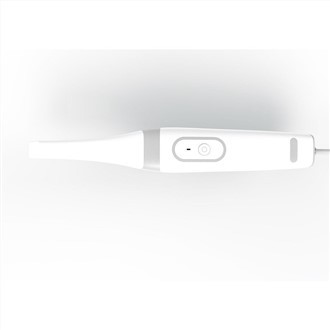
Advanced digital technologies are now available to ensure a better fit. For example, intraoral scanners can be used to create a detailed 3D model of the tooth, which can then be used to design and fabricate the crown. This allows for a more accurate and customized fit compared to traditional impression techniques.
10. Long - term Monitoring
After the placement of a Layered Zirconia Crown, long - term monitoring is necessary. The dentist should schedule regular follow - up appointments to check the condition of the crown, the underlying tooth, and the surrounding tissues. Any signs of wear, damage, or secondary caries should be addressed promptly.
As the child grows, the dentist may need to make adjustments to the crown to ensure that it continues to function properly. This may involve minor occlusal adjustments or even replacement of the crown if necessary.
Contact for Purchase and Discussion
If you are a dental professional interested in learning more about our Layered Zirconia Crowns or would like to discuss a potential purchase, we encourage you to reach out. We are committed to providing high - quality products and excellent customer service. Our team of experts can answer any questions you may have and help you find the best solutions for your pediatric patients.
References
- ADA Council on Scientific Affairs. Clinical recommendations for the use of zirconia restorations. Journal of the American Dental Association. 2019.
- Magne P, et al. Zirconia in dentistry: A state - of - the - art review. Journal of Prosthetic Dentistry. 2018.
- American Academy of Pediatric Dentistry. Guideline on pulp therapy for primary and young permanent teeth. Pediatrics. 2020.