


Wearing orthodontic retainers is a crucial step in maintaining the results of orthodontic treatment. However, one common issue many people face is bad breath. As a provider of [Bold mention your types of retainers from above], I've had my fair share of conversations with patients dealing with this problem. So, let's dive into what you can do to keep that bad breath at bay while wearing your retainers.
Understanding Why Bad Breath Happens with Retainers
First off, we need to understand why bad breath occurs when you're wearing orthodontic retainers. Retainers create an environment in your mouth that can trap food particles and bacteria. Since they cover parts of your teeth, it's easier for remnants of what you eat and drink to get stuck under or around them. Bacteria then thrive on these particles, breaking them down and producing foul - smelling sulfur compounds, which is what causes bad breath.
Another factor is the reduced saliva flow. Saliva plays a vital role in keeping your mouth clean. It washes away food debris and neutralizes acids produced by bacteria. When you wear a retainer, it can sometimes interfere with normal saliva flow, leading to a drier mouth and an increased risk of bad breath.
Daily Cleaning Routine for Your Retainers
One of the most effective ways to prevent bad breath is keeping your retainers clean. A simple yet crucial part of your daily routine should be to clean your retainers every time you take them out of your mouth.
-
Rinse with water: Start by rinsing your retainers under cool running water. This helps to remove any loose food particles and bacteria. It's a quick and easy step that you can do right after meals.
-
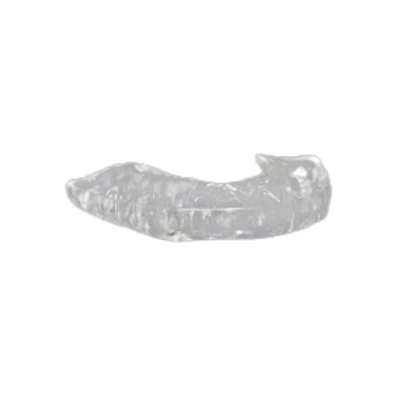
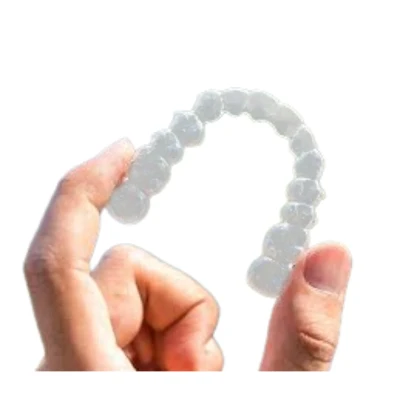
Brush gently: Use a soft - bristled toothbrush and non - abrasive toothpaste to gently brush your retainers. Make sure to get into all the nooks and crannies. Avoid using hot water, as it can warp the shape of most types of retainers. For example, for Clear Aligners Retainers, they are made of a clear, plastic material that can be easily damaged by high temperatures.
-
Soak regularly: You can soak your retainers in a specialized retainer cleaner or a mixture of vinegar and water. If you choose the vinegar method, use a solution of half vinegar and half water. Let your retainers soak for about 15 - 20 minutes. This helps to kill bacteria and remove any stubborn stains or odors.
Oral Hygiene with Retainers
Your overall oral hygiene is just as important as retainer cleaning. Here's how to maintain good dental health while wearing your retainers.
- Brush your teeth properly: Brush your teeth at least twice a day for two minutes each time. When wearing retainers, pay extra attention to the areas around the teeth that the retainer covers. Use a fluoride toothpaste to protect your enamel from decay.
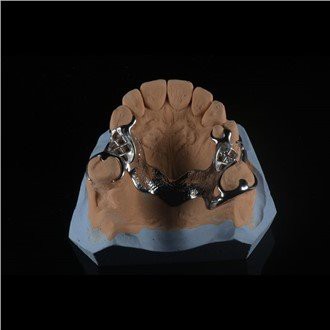
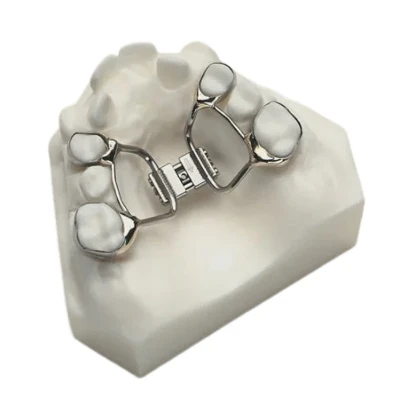
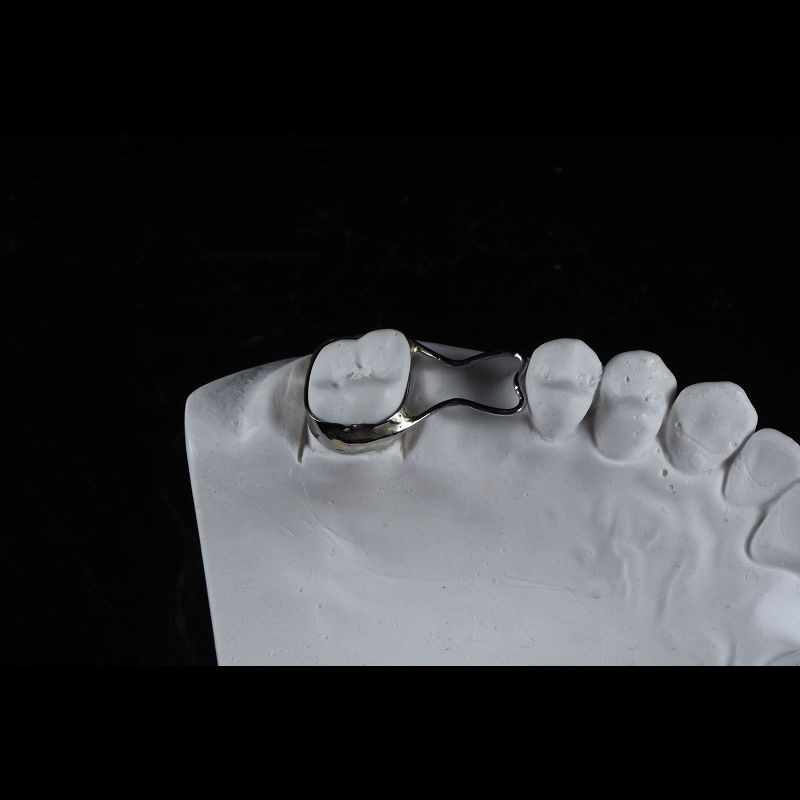
- Floss daily: Flossing helps to remove food particles and plaque from between your teeth. If you're wearing a Teeth Space Retainer, it might be a bit tricky, but there are floss threaders that can make this task easier.
- Use mouthwash: A good antibacterial mouthwash can help to kill bacteria in your mouth. However, don't use it immediately after brushing your teeth, as it can wash away the fluoride from the toothpaste. Instead, use it at a different time of the day, like after lunch.
Dietary Considerations
What you eat and drink can also have a big impact on your breath while wearing retainers.
- Limit sugary and acidic foods: These types of foods can cause plaque to form more quickly on your teeth and in your retainers. Swapping out sugary snacks for healthy alternatives like fruits and vegetables can make a big difference. Apples, carrots, and celery are great choices as they can help to clean your teeth and stimulate saliva flow.
- Drink plenty of water: Water is essential for keeping your mouth hydrated. It helps to wash away food particles and bacteria, and it also promotes saliva production. Aim to drink at least eight glasses of water a day.
Other Tips for Fresh Breath
Here are some additional tips that can help you keep your breath fresh while wearing orthodontic retainers.
- Take breaks when possible: If you're at home and it's appropriate, take your retainers out for short periods. This allows your mouth to breathe and can help to reduce the build - up of bacteria. Just make sure to clean your retainers and put them back in as directed by your orthodontist.
- Replace your retainers when needed: Over time, retainers can wear out and become more difficult to clean properly. This can lead to an increase in bad breath. If you notice that your retainer is cracked, warped, or not fitting as well as it used to, it might be time to get a new one. For example, Hawley Removable Retainers may need to be replaced every few years.
Conclusion
Preventing bad breath while wearing orthodontic retainers requires a combination of proper retainer cleaning, good oral hygiene, and a healthy diet. By following these tips, you can enjoy the benefits of your retainers without having to worry about embarrassing bad breath.

If you're in the market for high - quality orthodontic retainers or have any questions about maintaining them, feel free to reach out. We're here to help you find the best solutions for your orthodontic needs and keep your smile fresh and healthy.
References
- American Dental Association. (2023). Oral Hygiene Tips for People with Braces or Retainers.
- Mayo Clinic. (2023). Bad Breath: Causes and Solutions.