


Temporomandibular joint (TMJ) disorder is a complex condition that can significantly impact the functionality and comfort of dental dentures. As a dental dentures supplier, understanding how TMJ disorder affects the use of dentures is crucial for providing effective solutions to patients. This blog post will explore the various ways in which TMJ disorder can interfere with denture use and offer insights into how we can help patients with this challenging condition.


Understanding TMJ Disorder
The temporomandibular joints are the hinges that connect the jawbone to the skull. They allow the jaws to open and close, facilitating essential functions such as chewing, speaking, and yawning. TMJ disorder refers to a group of conditions that affect these joints and the surrounding muscles and ligaments. Symptoms of TMJ disorder can include pain or tenderness in the jaw, clicking or popping sounds when opening or closing the mouth, difficulty chewing or biting, headaches, and facial pain.
The causes of TMJ disorder can be diverse, including jaw injuries, arthritis, teeth grinding (bruxism), stress, and misalignment of the teeth or jaws. These factors can disrupt the normal functioning of the TMJ, leading to discomfort and impaired jaw movement.
Impact of TMJ Disorder on Denture Use
Fit and Stability
One of the primary ways in which TMJ disorder affects denture use is by compromising the fit and stability of the dentures. When the TMJ is not functioning properly, the jaw may not close evenly or in the correct position. This can cause the dentures to shift, rock, or become loose during chewing or speaking. Patients may experience discomfort and difficulty keeping the dentures in place, which can significantly impact their ability to eat and communicate effectively.
For example, if a patient has a misaligned jaw due to TMJ disorder, the dentures may not seat correctly on the gums. This can result in pressure points, sore spots, and uneven distribution of chewing forces. Over time, this can lead to tissue irritation, inflammation, and even bone loss in the jaw.
Chewing Function
TMJ disorder can also affect the patient's chewing function. Pain and limited jaw movement can make it difficult for patients to chew their food thoroughly, which can lead to digestive problems and malnutrition. Additionally, the discomfort associated with TMJ disorder may cause patients to avoid certain foods or limit their diet, further compromising their nutritional intake.
When using dentures, patients with TMJ disorder may find it challenging to generate enough force to chew food effectively. The uneven jaw movement can cause the dentures to move around, reducing the efficiency of the chewing process. This can be frustrating for patients and may lead to a loss of confidence in their ability to eat normally.
Speech
Speech is another area that can be affected by TMJ disorder and denture use. The position and movement of the jaw play a crucial role in speech production. When the TMJ is not functioning correctly, it can affect the way the tongue, lips, and teeth move, leading to slurred speech, difficulty pronouncing certain sounds, or changes in speech patterns.
In addition, ill-fitting dentures due to TMJ disorder can also interfere with speech. The dentures may move around or rub against the gums and cheeks, causing discomfort and affecting the patient's ability to speak clearly. This can have a significant impact on the patient's social and professional life.
Our Solutions for Patients with TMJ Disorder
As a dental dentures supplier, we are committed to providing high-quality dentures that are tailored to the specific needs of patients with TMJ disorder. Here are some of the solutions we offer:
Custom-Fit Dentures
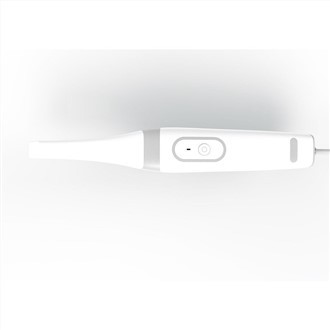
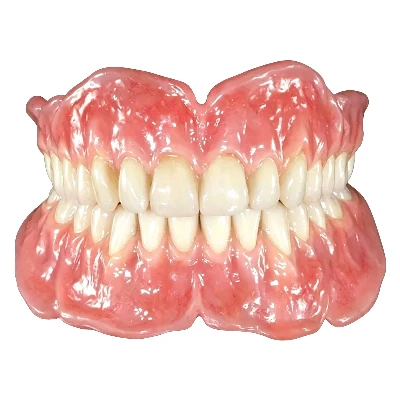
We understand that every patient with TMJ disorder is unique, and their dentures need to be custom-made to fit their specific jaw anatomy and bite. Our team of experts uses advanced digital technology to take accurate impressions of the patient's mouth and create dentures that fit snugly and securely. This helps to improve the stability and comfort of the dentures, making it easier for patients to eat, speak, and smile with confidence.
For patients with TMJ disorder, we may also recommend dentures with a special bite design that takes into account the patient's jaw movement and alignment. This can help to reduce the stress on the TMJ and improve the overall function of the dentures.
Specialized Denture Materials
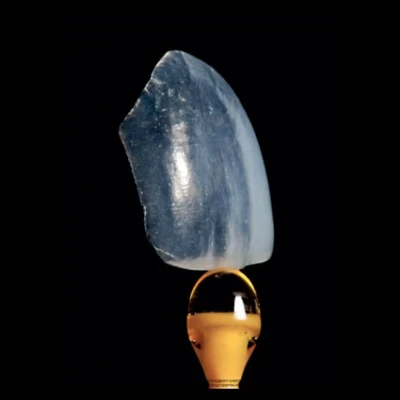
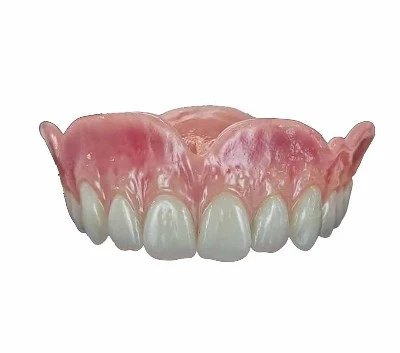
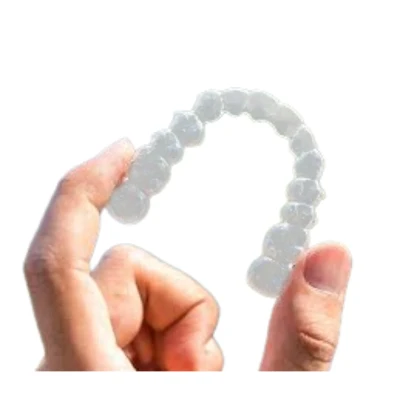
We offer a range of specialized denture materials that are designed to be more comfortable and durable for patients with TMJ disorder. For example, we may recommend Snap On Smile, which are removable dentures that are easy to insert and remove and provide a natural-looking smile. These dentures are made from a flexible material that conforms to the shape of the patient's teeth and gums, providing a comfortable and secure fit.
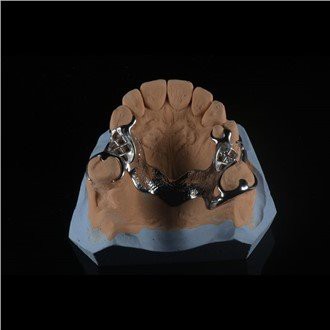
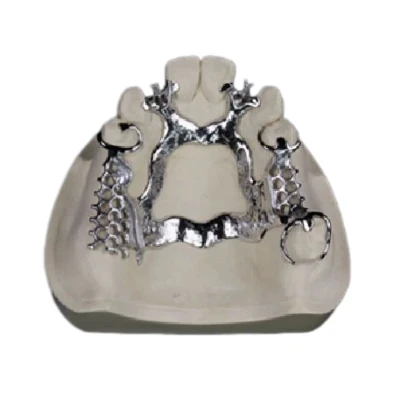
We also offer Precision Attachment Partial Dentures, which are designed to provide a more stable and natural-looking alternative to traditional partial dentures. These dentures use a precision attachment system to connect to the patient's remaining natural teeth, providing a more secure fit and better chewing function.
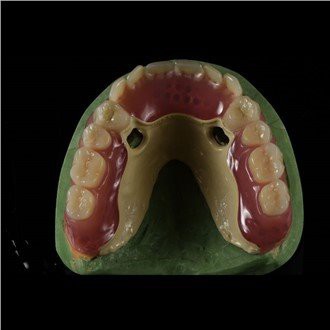
For patients who require a full set of dentures, we offer Removable Acrylic Full Denture, which are made from a high-quality acrylic material that is lightweight and comfortable to wear. These dentures are custom-made to fit the patient's mouth and provide a natural-looking smile.
TMJ Therapy and Support
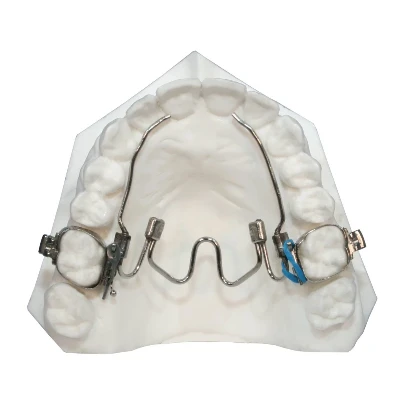
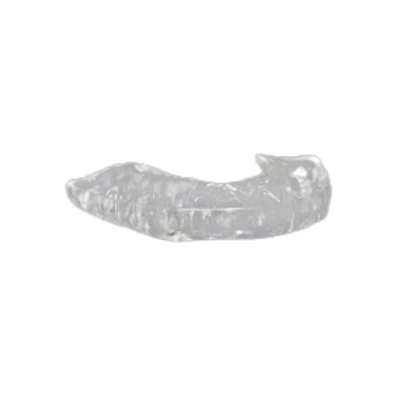
In addition to providing custom-fit dentures, we also offer TMJ therapy and support to help patients manage their TMJ disorder. Our team of experts can work with patients to develop a personalized treatment plan that may include exercises, relaxation techniques, and the use of jaw splints or mouthguards.
We also provide ongoing support and education to help patients understand their condition and how to care for their dentures properly. This includes regular check-ups and adjustments to ensure that the dentures continue to fit well and function effectively.
Conclusion
TMJ disorder can have a significant impact on the use of dental dentures, affecting the fit, stability, chewing function, and speech of patients. As a dental dentures supplier, we understand the challenges that patients with TMJ disorder face and are committed to providing high-quality solutions to help them overcome these challenges.
If you or someone you know is experiencing problems with their dentures due to TMJ disorder, we encourage you to contact us to learn more about our products and services. Our team of experts is here to help you find the right solution for your needs and improve your quality of life.
References
- American Dental Association. (2023). Temporomandibular Disorders. Retrieved from [Website URL]
- National Institute of Dental and Craniofacial Research. (2023). Temporomandibular Joint (TMJ) Disorders. Retrieved from [Website URL]
- Okeson, J. P. (2013). Management of Temporomandibular Disorders and Occlusion. Elsevier Health Sciences.
- Schiffman, E. L., Ohrbach, R., Truelove, E., Look, J., & Anderson, G. (2014). Diagnostic Criteria for Temporomandibular Disorders (DC/TMD) for Clinical and Research Applications: Recommendations of the International RDC/TMD Consortium Network and Orofacial Pain Special Interest Group. Journal of Oral and Facial Pain and Headache, 28(1), 6-27.