


As a PFM crown supplier, I've encountered numerous inquiries from dentists and patients alike regarding the suitability of PFM (Porcelain-Fused-to-Metal) crowns for patients with high bite forces. This blog aims to delve into this topic, exploring the scientific aspects and practical considerations to provide a comprehensive answer.
Understanding PFM Crowns
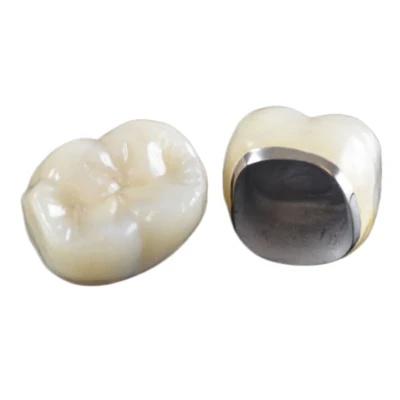
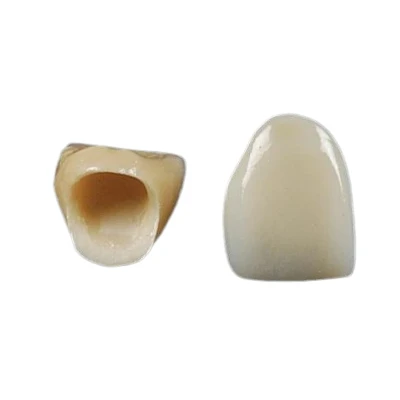
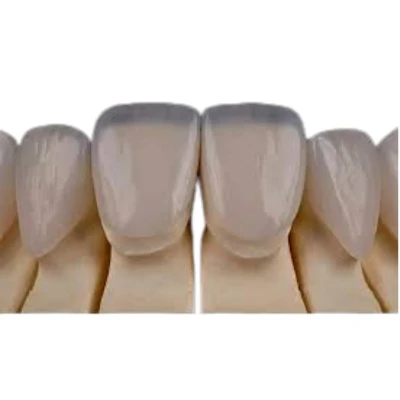
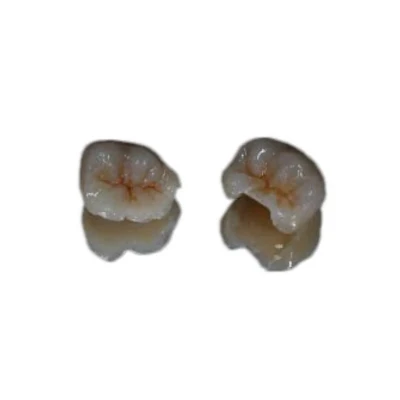
PFM crowns have been a popular choice in dentistry for many years. They combine the strength of a metal substructure with the aesthetic appeal of porcelain. The metal framework provides support, while the porcelain layer mimics the appearance of natural teeth, offering a balance between durability and aesthetics.
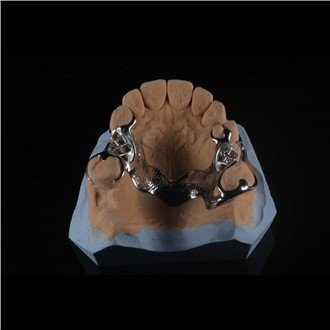
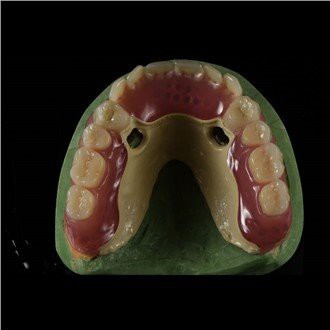
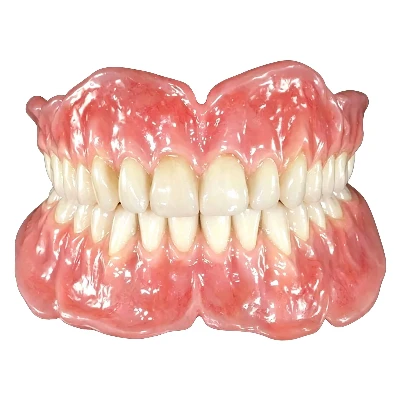
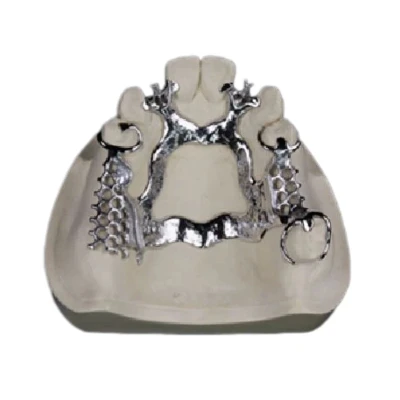
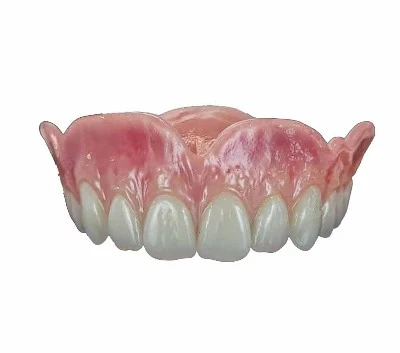
PFM crowns come in various forms, including PFM Dental Bridge, PFM Precision Crowns with Partial Dentures, and PFM Ceramic Crowns. Each type is designed to address specific dental needs, but the fundamental question remains: can they withstand the rigors of high bite forces?
The Science Behind Bite Force
Bite force varies among individuals and can be influenced by factors such as age, gender, muscle strength, and dental occlusion. On average, the human bite force ranges from 100 to 200 pounds per square inch (psi). However, some individuals, particularly those with strong jaw muscles or parafunctional habits like bruxism (teeth grinding), can exert significantly higher forces, sometimes exceeding 500 psi.
When a patient has a high bite force, the dental restoration must be able to withstand these forces without fracturing or failing. This is where the properties of PFM crowns come into play.
Strength and Durability of PFM Crowns
The metal substructure of PFM crowns provides excellent strength and support. Common metals used in PFM crowns include noble metals (such as gold alloys) and base metals (such as nickel-chromium or cobalt-chromium alloys). These metals have high tensile strength and can resist deformation under pressure.
In addition, the porcelain layer is fused to the metal framework at high temperatures, creating a strong bond. This bond helps distribute the bite forces evenly across the crown, reducing the risk of porcelain fracture. However, it's important to note that the porcelain on PFM crowns is still more brittle than the metal, and in some cases, it may chip or crack under extreme forces.
Clinical Studies and Evidence
Numerous clinical studies have investigated the performance of PFM crowns in patients with different bite forces. While the results are generally positive, it's important to interpret them with caution.
Some studies have shown that PFM crowns can have a high survival rate in patients with normal to moderate bite forces. However, in patients with high bite forces or parafunctional habits, the risk of porcelain fracture may increase. For example, a study published in the Journal of Prosthetic Dentistry found that patients with bruxism had a higher incidence of porcelain chipping on PFM crowns compared to non-bruxers.
On the other hand, other studies have reported successful long-term outcomes with PFM crowns in patients with high bite forces. These studies suggest that with proper case selection, appropriate material choice, and meticulous fabrication techniques, PFM crowns can be a viable option for these patients.
Factors Affecting the Performance of PFM Crowns in High Bite Force Situations
Material Selection
The choice of metal alloy can significantly impact the strength and durability of PFM crowns. Noble metal alloys are generally more biocompatible and have better corrosion resistance, but they can also be more expensive. Base metal alloys, on the other hand, are more cost-effective and have good mechanical properties, but they may cause allergic reactions in some patients.
Design and Fabrication
The design of the PFM crown, including the thickness of the metal framework and the porcelain layer, can affect its ability to withstand bite forces. A well-designed crown with an appropriate thickness of metal and porcelain can distribute the forces evenly and reduce the risk of fracture.
In addition, the fabrication process is crucial. Precise fit and marginal adaptation of the crown are essential to ensure proper function and longevity. Any discrepancies in the fit can lead to uneven loading and increased stress on the crown, increasing the risk of failure.
Patient Factors
Patient factors such as oral hygiene, diet, and parafunctional habits also play a role in the performance of PFM crowns. Patients with poor oral hygiene are more likely to develop dental caries and periodontal disease, which can compromise the integrity of the crown. Similarly, patients who consume hard or sticky foods or have a habit of grinding or clenching their teeth may put additional stress on the crown, increasing the risk of fracture.
Recommendations for Using PFM Crowns in Patients with High Bite Force
Based on the available evidence and clinical experience, the following recommendations can be made for using PFM crowns in patients with high bite force:
Case Selection
Carefully evaluate the patient's bite force, dental occlusion, and parafunctional habits before recommending a PFM crown. In some cases, alternative restorative options such as all-ceramic crowns or implant-supported restorations may be more appropriate.
Material Choice
Select a high-quality metal alloy with good strength and biocompatibility. Consider the patient's budget, allergy history, and aesthetic preferences when choosing the alloy.
Design and Fabrication
Work closely with a skilled dental laboratory technician to ensure proper design and fabrication of the PFM crown. Pay attention to the thickness of the metal framework and the porcelain layer, as well as the fit and marginal adaptation of the crown.
Patient Education
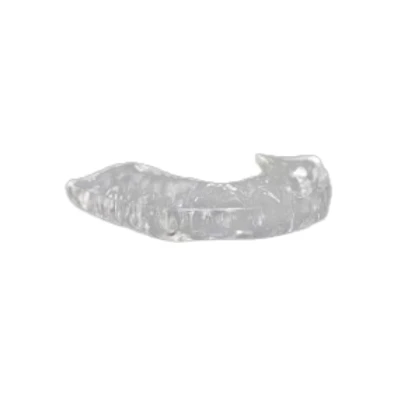
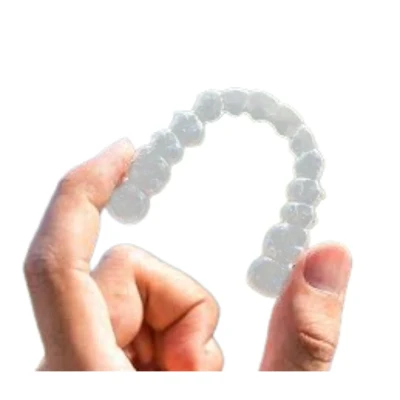
Educate the patient about the importance of oral hygiene, diet, and avoiding parafunctional habits. Provide the patient with a nightguard if necessary to protect the crown from excessive forces during sleep.
Regular Follow-up
Schedule regular follow-up appointments to monitor the condition of the PFM crown and the patient's oral health. Early detection and treatment of any problems can help prevent further damage and ensure the long-term success of the restoration.
Conclusion
In conclusion, PFM crowns can be used in patients with high bite force, but careful consideration must be given to various factors such as material selection, design, fabrication, and patient factors. While PFM crowns offer a good balance between strength and aesthetics, they may not be suitable for all patients with high bite forces.
As a PFM crown supplier, I am committed to providing high-quality products and supporting dental professionals in making informed decisions about the use of PFM crowns. If you have any questions or would like to discuss the suitability of PFM crowns for your patients, please feel free to contact me for a consultation. We can work together to find the best solution for your patients' dental needs.


References
- Journal of Prosthetic Dentistry. (Year). [Title of study on PFM crowns and bruxism].
- [Other relevant studies as needed]