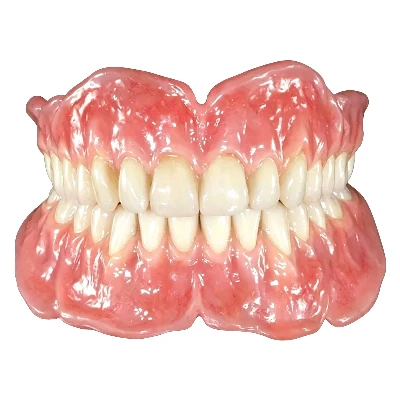
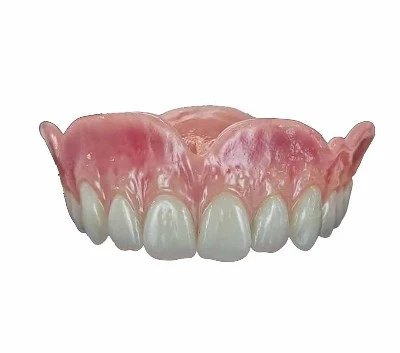



When it comes to enhancing the appearance of teeth, dental veneers have become a popular choice for many individuals. They offer a way to transform a smile by covering up imperfections such as stains, chips, and gaps. However, one common question that arises is whether dental veneers are permanent. In this blog post, we'll delve into the nature of dental veneers, their longevity, and what factors can influence their permanence. As a dental veneers supplier, we have in - depth knowledge of these products and are here to share valuable insights.
What are Dental Veneers?
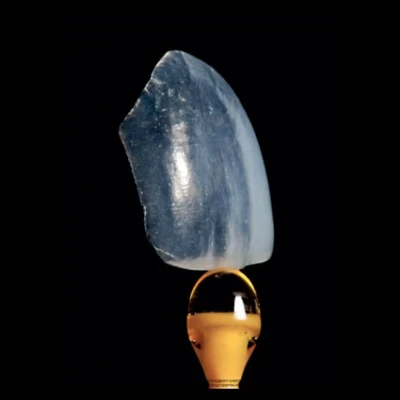
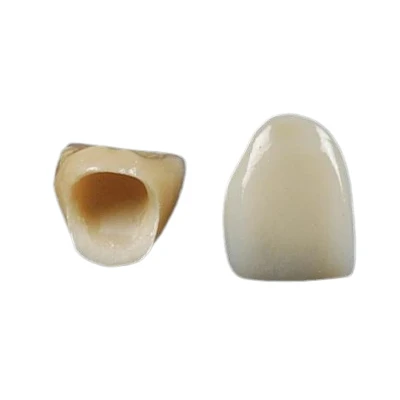
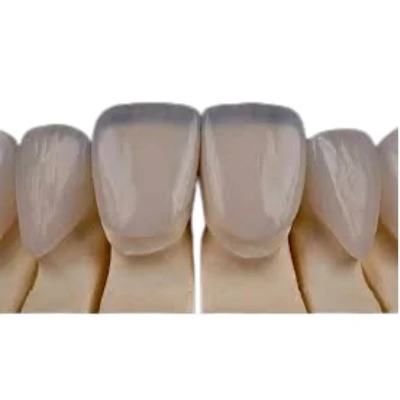
Dental veneers are thin, custom - made shells that are designed to cover the front surface of teeth. They are typically made from porcelain or composite resin materials. Porcelain veneers are known for their durability, stain - resistance, and ability to mimic the natural appearance of teeth. Composite resin veneers, on the other hand, are more affordable and can be applied more quickly, but they may not be as long - lasting as porcelain veneers.
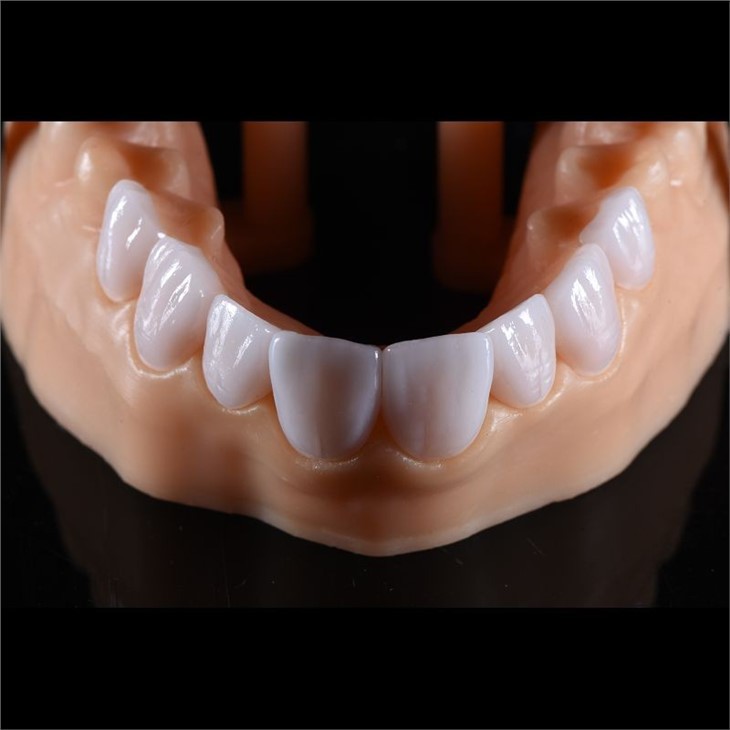

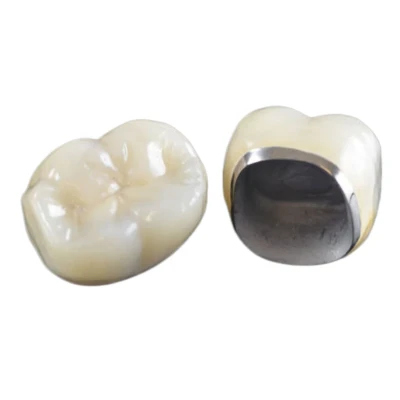
There are different types of porcelain veneers available in the market. For instance, Natural Looking and Aesthetic Emax Veneer is a high - quality option. Emax veneers are made from lithium disilicate ceramic, which offers excellent strength and a natural - looking appearance. They are a popular choice for patients who want a long - lasting and aesthetically pleasing solution.
Another type is Feldspathic Porcelain Veneers. Feldspathic porcelain is a traditional material used in dental veneers. It has a high translucency, which allows it to closely resemble the natural enamel of teeth. However, it may be more brittle compared to other porcelain materials.
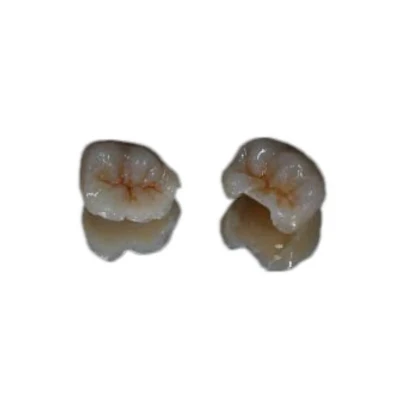
Digital Emax Veneers are a modern innovation. They are fabricated using digital technology, which allows for a more precise fit and better aesthetics. Digital manufacturing ensures that the veneers are customized to the patient's specific tooth shape and size, resulting in a more natural and comfortable fit.
Are Dental Veneers Permanent?
The answer to whether dental veneers are permanent is not straightforward. In a sense, dental veneers are not truly permanent, but they can last for a long time. Porcelain veneers, when properly cared for, can last anywhere from 10 to 15 years or even longer. Composite resin veneers generally have a shorter lifespan, typically around 5 to 7 years.
The bonding process is a crucial factor in determining the longevity of dental veneers. Veneers are bonded to the surface of the teeth using a special dental adhesive. A strong bond is essential for the veneers to stay in place and function properly. If the bond fails, the veneer may become loose or even fall off.
The preparation of the tooth surface also plays a role. Before placing the veneers, a small amount of enamel is usually removed from the front of the teeth. This is done to create space for the veneers and ensure a proper fit. Once the enamel is removed, it cannot grow back. This means that the patient will always need some form of restoration on the teeth, which gives the impression of a more "permanent" solution.
Factors Affecting the Permanence of Dental Veneers
Oral Hygiene
Good oral hygiene is essential for the longevity of dental veneers. Just like natural teeth, veneers can accumulate plaque and tartar. Regular brushing, flossing, and using mouthwash can help prevent the buildup of these substances. Poor oral hygiene can lead to gum disease, which can affect the supporting structures of the teeth and the veneers. If gum disease progresses, it can cause the veneers to become loose or damaged.
Diet
The foods and beverages that a person consumes can also impact the lifespan of dental veneers. Acidic foods and drinks, such as citrus fruits, soda, and wine, can erode the surface of the veneers over time. Hard foods, like nuts and ice, can cause the veneers to chip or crack. It's important for patients with veneers to be mindful of their diet and avoid habits that could damage the veneers.
Bruxism
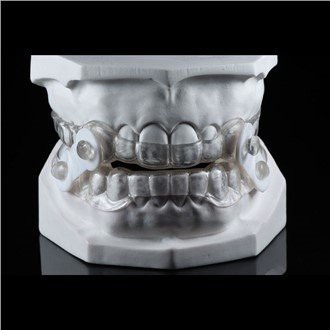
Bruxism, or teeth grinding, is a common problem that can significantly reduce the lifespan of dental veneers. The constant pressure and friction from grinding can cause the veneers to wear down, chip, or crack. Patients who grind their teeth may be advised to wear a nightguard to protect their veneers and natural teeth while they sleep.
Professional Care
Regular dental check - ups are crucial for maintaining the health of dental veneers. A dentist can examine the veneers for any signs of damage or wear and provide professional cleaning. They can also detect and address any underlying dental problems that could affect the veneers.
Maintaining Dental Veneers for Long - Term Use
Oral Hygiene Routine
Patients should brush their teeth at least twice a day with a soft - bristled toothbrush and fluoride toothpaste. Flossing should be done daily to remove plaque and food particles from between the teeth. Using an antibacterial mouthwash can also help keep the mouth clean and healthy.
Avoiding Harmful Habits
As mentioned earlier, avoiding acidic foods and drinks, hard foods, and teeth grinding can help preserve the veneers. Patients should also refrain from using their teeth as tools to open packages or bite on hard objects.
Regular Dental Visits
Visiting the dentist every six months for a check - up and cleaning is recommended. The dentist can monitor the condition of the veneers and make any necessary adjustments or repairs.
Conclusion
In conclusion, while dental veneers are not truly permanent, they can provide a long - lasting solution for enhancing the appearance of teeth. With proper care and maintenance, porcelain veneers can last for many years, offering patients a beautiful and confident smile. As a dental veneers supplier, we are committed to providing high - quality products that meet the needs of both dentists and patients.
If you are a dental professional interested in sourcing high - quality dental veneers or a patient looking for more information about veneers, we invite you to contact us for further discussion and procurement. We are here to assist you in finding the best veneer solution for your specific needs.
References
- American Dental Association. "Dental Veneers." Accessed [current date].
- Journal of Prosthetic Dentistry. Various articles on dental veneers and their longevity.
- Textbooks on cosmetic dentistry, such as "Cosmetic Dentistry: Art, Science, and Clinical Practice" by [author name].