
Recently, ADS Dental Laboratory sent a group of both senior and younger technicians to Japan for a seven-day learning and technical exchange with Mr. Kazunobu Yamada of Cusp Dental Laboratory, a respected company in the Japanese dental industry. The main purpose of this visit is to strengthen our technicians' understanding of zirconia materials, aesthetic characterization, ceramic techniques, and practical laboratory workflows, while giving technicians at different stages of their careers the opportunity to learn and progress together.

During the seven-day program, our technicians participated in theoretical instruction, case analysis, technical demonstrations, and hands-on laboratory practice. The training focused primarily on zirconia aesthetic restorations, covering subjects such as material selection, framework thickness, translucency, ceramic layering, staining, surface characterization, and sintering protocols.

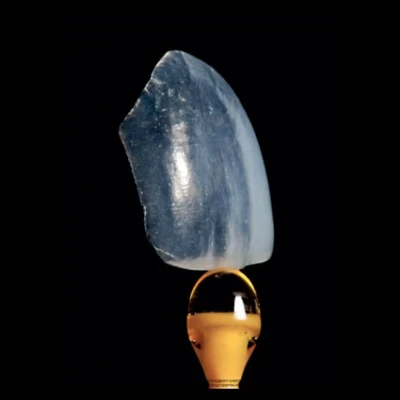
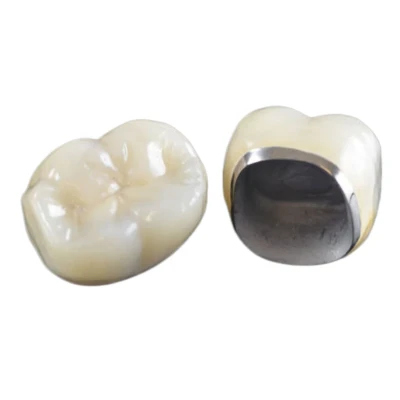
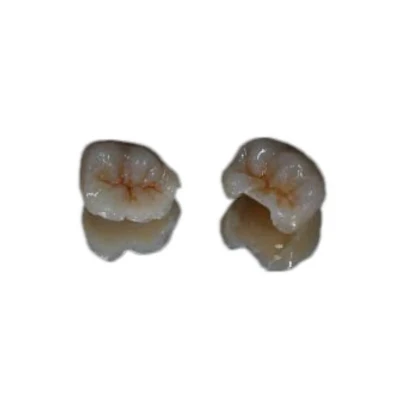
Different zirconia materials can behave differently in terms of strength, translucency, shade expression, and final aesthetic performance. During the sessions, Mr. Yamada introduced the characteristics of several KATANA zirconia materials, including UTML, STML, ML, and HTML, and explained how their optical and structural properties may influence material selection for different restorative situations.

The program also compared normal and speed-sintering procedures. By studying firing temperatures, holding times, heating rates, and cooling processes, our technicians gained a more detailed understanding of how sintering parameters may affect the stability, shade, translucency, and overall appearance of zirconia restorations.

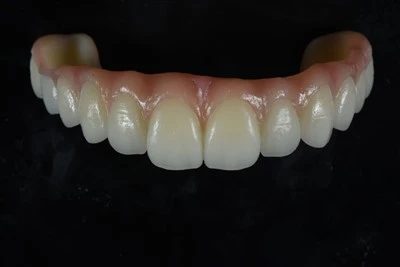
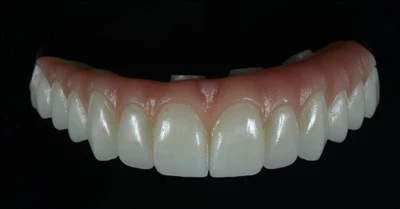
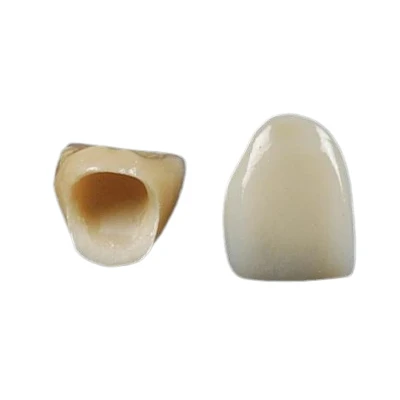
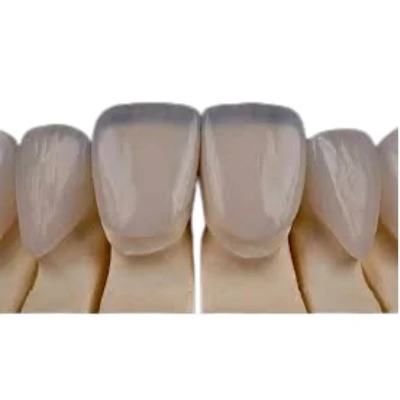
A major part of the training was dedicated to anterior aesthetics. Through clinical examples and physical restoration samples, the participants discussed how to reproduce natural tooth characteristics such as cervical warmth, dentin depth, incisal translucency, gray-blue effects, subtle color transitions, and surface texture.

These details are difficult to achieve through digital design or standardized staining alone. They require the technician to understand how light interacts with different layers and areas of a restoration. By observing Mr. Yamada's explanations and demonstrations, our team was able to examine how small adjustments in color placement, morphology, and surface treatment can create a more natural and harmonious result.

The learning experience extended beyond the classroom. Inside the Japanese laboratory, our technicians observed daily working procedures and participated in practical benchwork. This allowed them to connect theoretical knowledge with actual production steps, including material handling, contour refinement, color application, surface finishing, and detailed inspection under magnification.

Sending both experienced and younger technicians was an important part of this program. Senior technicians brought years of case experience and were able to compare the demonstrated methods with ADS's existing production procedures. Younger technicians, meanwhile, gained direct exposure to different technical concepts and working habits at an early stage of their professional development.
This combination supports the long-term development of our technical team. Experienced technicians continue to refine their judgment, while younger team members build a stronger foundation through structured learning and close observation. After returning to ADS, the participants will share what they learned with colleagues through internal discussions, case reviews, and practical demonstrations, allowing the value of the visit to extend beyond the technicians who attended.

This trip is also part of an ongoing relationship between ADS and dental professionals in Japan. Previously, Japanese technicians visited our laboratory in China to observe our digital workflows, communicate with our production teams, and exchange practical experience. ADS technicians have also continued to learn from Japanese laboratories and specialists through visits, training programs, and professional discussions.


We believe that meaningful technical exchange should never be one-sided. Every laboratory develops valuable experience through its own materials, equipment, production systems, and clinical cooperation. By visiting one another, discussing cases openly, and comparing different approaches, both sides can gain new perspectives and identify areas for further improvement.
For ADS Dental Laboratory, talent development and technical refinement are continuing responsibilities rather than occasional activities. Equipment and digital systems are important, but the quality of a dental restoration also depends on the knowledge, patience, observation, and craftsmanship of the technician behind it.

For overseas dentists and laboratories looking for a High quality China Outsource Dental Lab, ADS believes that dependable cooperation begins with continuous investment in people and technology. Through long-term exchanges with outstanding Japanese dental laboratories and professionals, we will continue refining our techniques, strengthening our team, and providing stable, carefully crafted dental restorations for our international partners.