

Marginal fit determines whether a restoration succeeds long-term or fails prematurely. Even the strongest materials and most beautiful aesthetics cannot compensate for a weak seal at the edge. In daily lab work and clinical practice, this detail separates reliable outcomes from constant remakes.
This article explores what marginal fit really means for crowns and bridges, why small gaps create big problems, and how precise control delivers better results for patients and practices.

What Is Marginal Fit in Dental Crowns and Bridges?
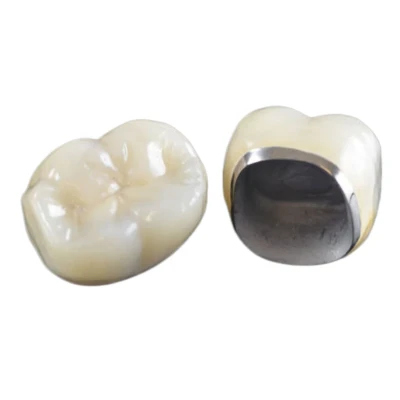
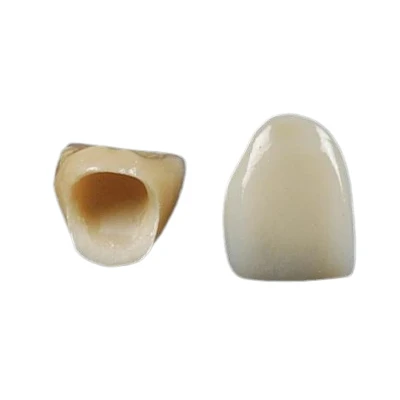
Marginal fit refers to how accurately the edge of a crown or bridge adapts to the prepared finish line of the abutment tooth. It creates the critical seal between the restoration and the natural tooth structure.
For single crowns, the focus stays on one margin providing a tight, passive fit. Bridges add complexity because multiple abutment margins must align simultaneously along a shared path of insertion. A discrepancy in even one area can prevent full seating.
Marginal gap describes the actual space at this junction. Open margins expose cement, while overhanging or rough margins irritate tissue. Internal fit concerns the adaptation inside the restoration, and cement space is the deliberate room left for the luting agent.
These concepts matter because the margin is where biology meets mechanics. A well-adapted margin stays invisible to bacteria and comfortable for gums.
Key Related Concepts: Marginal Gap, Open Margin, and Internal Fit
Clinically acceptable marginal gaps often fall in the range discussed in literature around 120 μm, though real-world success depends on material, preparation, and case type. Gaps below 50-80 μm generally perform better in long-term observations. Larger spaces increase risks dramatically.
Understanding these terms helps dentists and labs communicate clearly during case planning and quality checks.
The Clinical Risks of Poor Marginal Fit
Poor marginal fit turns a tiny discrepancy into serious complications over months or years. The problems rarely appear immediately at try-in but emerge as secondary issues that frustrate patients and clinicians alike.
How Microleakage Leads to Secondary Caries and Restoration Failure
Microscopic gaps allow bacteria, plaque, and fluids to seep underneath the restoration. This process, known as microleakage, sets off a chain reaction: plaque accumulates, cement begins to break down, and secondary caries develops beneath the crown or bridge.
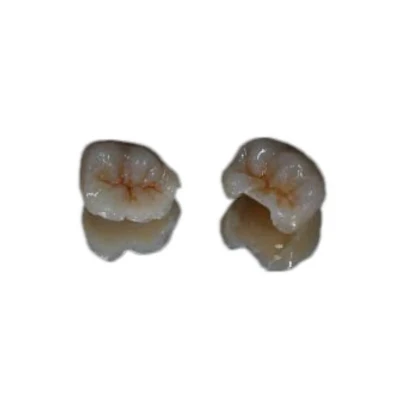
In posterior teeth, where loads are high, one compromised abutment can jeopardize the entire restoration. Labs frequently see remake requests traced back to margins that looked acceptable initially but failed to maintain the seal under real oral conditions.
Impact on Cement Integrity and Restoration Retention
Exposed cement lines dissolve faster when gaps are wider. Saliva, acids, and chewing forces wash away the luting material, leading to cement washout, loss of retention, and eventual loosening.
Crowns may rock slightly during function. Bridges can experience debonding on one side, creating uneven stress. These issues often result in sensitivity, recurrent decay, or the need for emergency recementation.
Effects on Periodontal and Gum Health
Open or irregular margins irritate gingival tissue. Plaque builds up in areas patients cannot clean effectively, causing inflammation, bleeding on probing, and eventual recession.
Subgingival margins prove especially unforgiving. Even a 100-150 μm discrepancy here can trigger chronic periodontal responses that threaten the abutment teeth supporting the restoration.
The takeaway remains clear: marginal fit protects more than the restoration - it safeguards the supporting tissues and overall oral health.

Why Optimal Marginal Fit Supports Long-Term Success
Strong marginal adaptation delivers benefits that extend far beyond the initial placement appointment. It reduces biological risks, improves mechanical stability, and supports predictable longevity.
Well-fitted margins minimize cement exposure, maintain a reliable seal, and promote healthy gingival attachment. Patients experience fewer sensitivity issues and better comfort during function. In visible anterior cases, precise margins also prevent dark lines or staining that compromise aesthetics over time.
Additional Aesthetic Benefits in Visible Areas
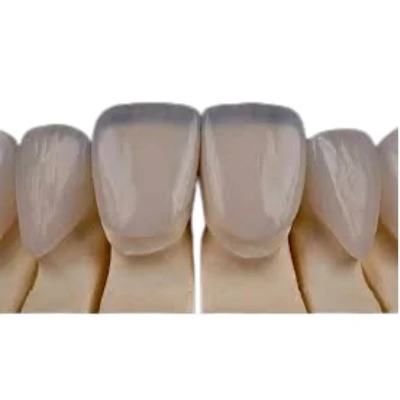
In lithium disilicate or veneered restorations, a seamless transition at the margin preserves natural appearance. Rough or open margins collect pigments and create visible defects that patients notice in daily life or photos.
Clinicians who prioritize fit report higher patient satisfaction and fewer follow-up visits for adjustments.
Why Marginal Fit Is More Challenging in Bridges Than Single Crowns
Single crowns allow some forgiveness. If one margin needs minor adjustment, the restoration can often still seat fully.
Bridges demand perfection across multiple abutments. Distortion in the framework, slight inaccuracies in one finish line, or discrepancies in the path of insertion prevent complete seating. Long-span bridges amplify these risks due to potential flexure and higher cumulative stress.
One inaccurate abutment margin can compromise the entire prosthesis, leading to rocking, uneven occlusal loads, or premature failure. This reality makes marginal fit quality a key indicator of a lab's overall process control, especially for complex bridge cases.
Key Factors Affecting Marginal Fit Accuracy
Marginal fit results from collaboration between the clinical and laboratory teams. Problems rarely stem from just one side.
Clinical Factors: Preparation, Impression, and Tissue Management
Clear finish lines, adequate reduction, and smooth preparations give the lab the best starting point. Unclear subgingival margins, distorted impressions, or inadequate gingival retraction create challenges that no amount of digital wizardry can fully overcome.
Digital scans improve consistency when tissue management and moisture control are handled well, but poor preparation data still leads to compromised margins.
Laboratory Factors: Design, Processing, and Quality Control
Accurate margin marking in CAD software sets the foundation. Cement space settings must balance ease of seating with seal integrity. Material-specific steps - such as controlling zirconia sintering shrinkage or ensuring clean milling paths - directly influence final adaptation.
Final polishing, magnification inspection, and passive fit verification before shipping separate good labs from exceptional ones.

How Digital Dental Laboratories Achieve Consistent Marginal Fit
Modern CAD/CAM workflows offer clear advantages in repeatability and precision. Digital data reduces some traditional distortion risks, and controlled design parameters help maintain consistent cement space.
However, technology alone does not guarantee success. Reliable results come from disciplined execution: accurate scan import, experienced margin identification, proper milling calibration, and rigorous post-processing quality checks.
Limitations and Best Practices for CAD/CAM Workflows
Literature often references 120 μm as a benchmark for clinically acceptable marginal discrepancy, but top-performing digital labs routinely achieve tighter results through workflow optimization.
The best outcomes emerge when digital tools combine with skilled technicians who understand material behavior and clinical realities. This integrated approach delivers the consistency busy practices need for successful outsourcing.
Practical Implications for Choosing a Crown and Bridge Outsourcing Partner
In outsourcing, marginal fit becomes more than a technical specification. It directly affects chair time, remake rates, patient satisfaction, and long-term lab-clinic relationships.
Practices dealing with frequent adjustments or remakes lose valuable operatory time and patient trust. Reliable partners minimize these issues through repeatable processes and transparent communication.
When evaluating a digital dental laboratory, pay close attention to their quality control protocols for margins, their experience with both crowns and multi-unit bridges, and their track record of on-time delivery with minimal adjustments.
Marginal fit serves as one of the clearest indicators of overall process control and commitment to quality.

Conclusion
Marginal fit is the essential seal that protects restorations, supporting teeth, and surrounding tissues from biological and mechanical failure. From microleakage and secondary caries to cement washout and periodontal complications, the consequences of poor adaptation are too costly to ignore - especially in crowns and bridges where precision across multiple margins determines success.
At ADS Dental Laboratory Ltd, we specialize in digital crown and bridge outsourcing with a strong focus on consistent marginal accuracy. Our experienced team works closely with overseas dentists and labs to deliver reliable, high-quality restorations that reduce chairside adjustments and support long-term clinical success.
Contact us today to discuss your next case or learn how our digital workflow can benefit your practice. We look forward to building a strong partnership.
FAQ
1. What is a clinically acceptable marginal gap for crowns and bridges?
Many studies reference 120 μm as a commonly cited benchmark for clinically acceptable marginal discrepancy. However, tighter gaps (ideally under 50-80 μm) generally deliver better long-term performance. Success depends on multiple factors including material type, preparation design, cement selection, and case complexity rather than a single number. Consistent, repeatable quality matters more than chasing one absolute measurement.
2. How does poor marginal fit affect bridges differently from single crowns?
Single crowns offer more forgiveness because only one margin needs to adapt perfectly. Bridges require multiple abutment margins to seat simultaneously along a shared path of insertion. A problem with just one abutment can prevent full seating of the entire prosthesis, leading to rocking, uneven stress distribution, or premature failure. This makes marginal fit control significantly more demanding in multi-unit bridge cases.
3. Can digital CAD/CAM technology guarantee perfect marginal fit? CAD/CAM
improves consistency and reduces some traditional errors, but it does not automatically guarantee perfect fit. Results still depend on scan quality, accurate margin marking, proper cement space settings, milling calibration, material processing (especially sintering for zirconia), and final quality control. A well-managed digital workflow combined with experienced technicians produces the most reliable outcomes.
4. What are the main clinical signs of poor marginal fit?
Common indicators include sensitivity to temperature or biting, visible gaps or dark lines at the margin, recurrent decay, gingival inflammation or bleeding, food trapping, crown loosening, or the need for frequent recementation. In bridges, patients may notice rocking or discomfort. Many issues develop gradually, which is why regular recalls and radiographic evaluation are important.