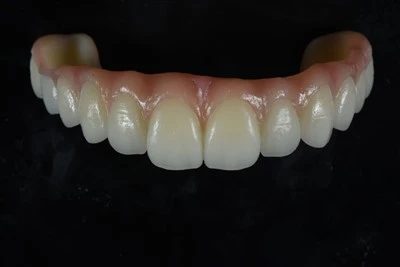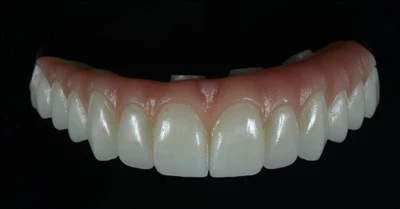
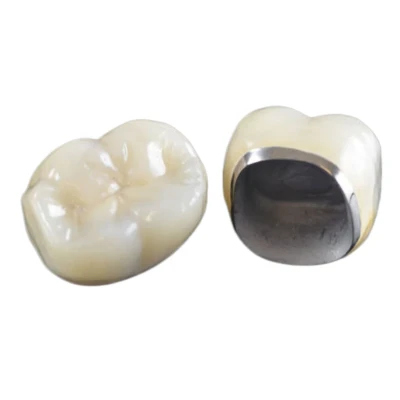
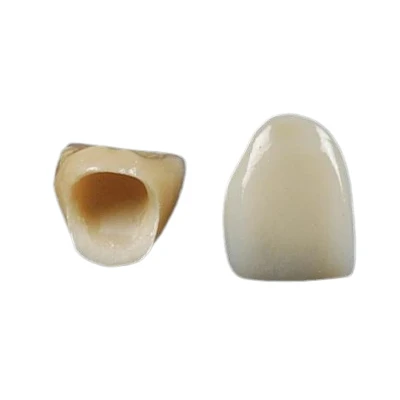
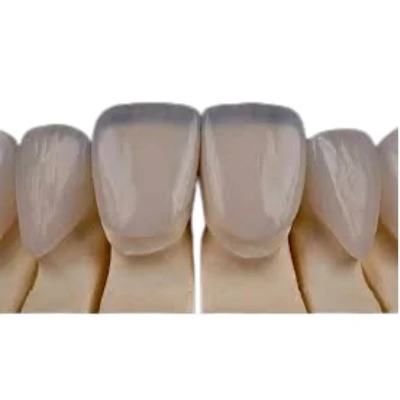
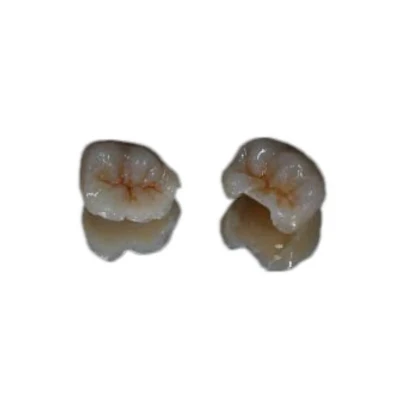
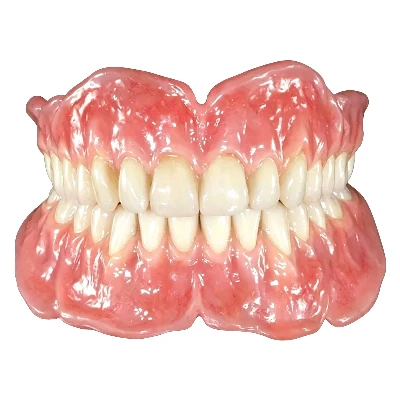

A Porcelain Fused to Metal crown, usually called a PFM crown, is a traditional and widely used dental restoration. It combines a metal substructure on the inside with a porcelain layer on the outside.
In simple terms, the metal provides strength. The porcelain provides tooth-like appearance.
This combination has been used in restorative dentistry for decades and is still a common option in daily clinical work.
PFM crowns are often chosen when both mechanical reliability and acceptable esthetics are required, especially in posterior restorations and fixed bridgework.

Understanding the PFM Crown Structure
The core is a metal coping. It fits directly over the prepared tooth or implant abutment. Alloys vary: high-noble (gold-based), semi-precious, or non-precious (like cobalt-chrome). High-noble offers best biocompatibility but costs more.
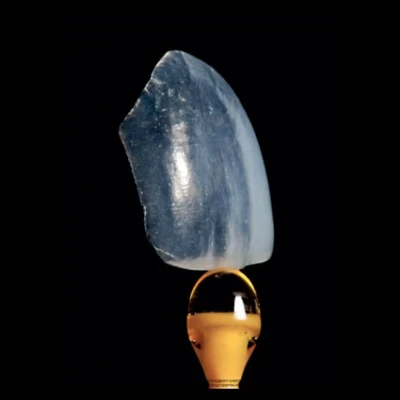
Porcelain layers go on top. First an opaque layer masks the metal. Then dentin and enamel porcelains build anatomy and shade. High-temperature firing bonds porcelain to metal permanently.
This design handles chewing forces well. The metal core resists fracture. Porcelain mimics enamel visually. But the bond relies on precise matching of expansion coefficients between materials.
How a PFM Crown Is Made
The process starts at the clinic. The dentist preps the tooth-removes decay, shapes it, often reducing more structure than for some all-ceramic options to make space for metal plus porcelain. An impression (or digital scan) goes to the lab.
In the lab:
- We pour models or import digital files.
- Design the coping (wax-up or CAD for milled/cast metal).
- Cast or mill the metal framework.
- Apply opaque porcelain.
- Build porcelain in layers to match shade and contour.
- Fire multiple times.
- Glaze for shine and polish.
- Check fit, occlusion, contacts.
Traditional workflow takes 7–14 days. With CAD/CAM, we cut time and improve precision-better marginal fit, consistent thickness, fewer remakes.
Temporary crowns cover the prep during wait. They protect and look basic.

Advantages of PFM Crowns
PFM crowns deliver in specific ways:
- High strength from the metal core. Good for posterior teeth and bridges under heavy bite forces.
- Solid longevity. Clinical data shows 90% survival at 10 years. With good care, many last 15 years or longer.
- Balanced aesthetics. Porcelain matches adjacent teeth reasonably well.
- Cost-effective. In the US, average range sits $800–$2,000 per crown-lower than most zirconia or all-ceramic.
- Versatile. Works for single units, long-span bridges, bruxism cases.
These traits explain why PFM holds steady volume in labs like ours.
Disadvantages of PFM Crowns
No material is perfect. PFM has clear limits:
- Dark line risk. If gums recede, metal edge shows at the margin.
- Allergy potential. Non-precious alloys can trigger sensitivity in some patients.
- More tooth reduction needed. Prep removes extra structure compared to zirconia.
- Porcelain chipping. The veneer can fracture under extreme load-though rare with proper design.
- Less translucent. Not as lifelike as all-ceramic in anterior high-smile cases.
Quality fabrication cuts these issues. Precise margins, good alloy choice, and layered porcelain reduce problems.
PFM Crowns vs Other Materials
Dentists weigh options based on location, bite, budget, and aesthetics. Here is a direct comparison (2025–2026 data trends):
|
Feature |
PFM Crown |
Zirconia Crown |
All-Ceramic (e.max etc.) |
|
Strength |
High (metal core) |
Very high (monolithic) |
Moderate |
|
Aesthetics |
Good, but possible dark line |
Excellent, translucent, no metal |
Best natural match |
|
Longevity |
10–15+ years (90% at 10 years) |
15–20+ years |
10–15+ years |
|
Cost (US avg) |
$800–$2,000 |
$1,000–$2,500+ |
$900–$2,500+ |
|
Best For |
Posterior, bridges, budget cases, heavy bite |
Anterior/posterior, bruxism, metal-free |
Anterior, high esthetics |
Zirconia leads in durability and no-metal appearance now. PFM wins on cost and proven performance for load-heavy posterior work.
When to Choose PFM Crowns: Clinical Indications
PFM fits well when:
- Posterior teeth need strong support (molars, premolars).
- Bridges span multiple units.
- Patient has bruxism or heavy occlusion.
- Budget constrains but strength + basic aesthetics required.
- Discolored or damaged teeth need masking.
Avoid PFM for metal-allergic patients, very anterior high-esthetic demands, or tight space where minimal prep matters.
Caring for PFM Crowns and Expected Longevity
Brush twice daily. Floss around margins. Use nightguard if grinding. Skip hard objects. Regular check-ups catch issues early.
Expect 10–15 years average. Many go beyond with maintenance. Survival hits ~90% at 10 years in studies.
Why Work with a Specialized Lab for PFM Crowns
Good PFM depends on execution. Alloy quality, porcelain layering, fit precision-all affect outcome.
At ADS Dental Laboratory, we focus on overseas dentists. CAD/CAM + skilled technicians deliver consistent results. Fast turnaround, competitive pricing, reliable quality for long-term partnerships.
If you outsource PFM restorations and want stable supply, reach out. We send samples, discuss cases, provide quotes.
PFM crowns stay relevant. They balance strength, looks, and cost in many real-world situations. Newer materials advance, but PFM's track record keeps it in rotation for practical, predictable results.