
Modern restorative dentistry is moving toward materials that look natural and interact well with the human body. For many years, metal-based crowns and porcelain-fused-to-metal (PFM) restorations were the standard solution for damaged teeth. They are strong and reliable, but they also have limitations in aesthetics and biocompatibility.
Metal-free crowns were developed to solve these issues. Instead of a metal framework, these restorations are made entirely from advanced ceramic materials such as zirconia or lithium disilicate. The result is a crown that closely resembles natural tooth enamel while maintaining the strength required for daily chewing.
From the perspective of a dental laboratory, the demand for metal-free crowns has grown rapidly in the past decade. Dentists now expect restorations that combine precision, durability, and natural appearance. Understanding how these crowns work-and when they should be used-helps clinicians choose the right restoration for each case.

What Is a Metal-Free Crown?
As a dental lab that specializes in custom restorations for overseas practices, we see the shift every day. Patients ask for crowns that look real and don't cause issues down the line. Metal-free crowns answer that demand directly.
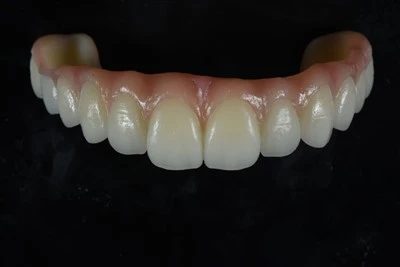
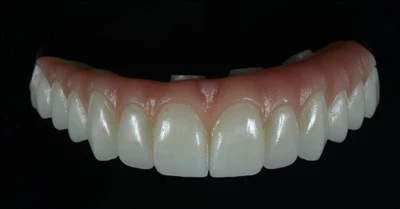
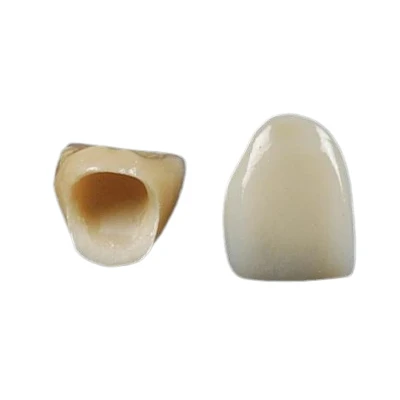
A metal-free crown is a full-coverage restoration made entirely from ceramic materials-no metal substructure at all. We use terms like all-ceramic crown or non-metal crown interchangeably. The core idea is simple: replace the damaged or weakened tooth with something that mimics natural enamel in color, translucency, and feel, while avoiding the drawbacks of traditional metal-based options.
These crowns cover the tooth to restore shape, protect it from further damage, and enable normal chewing. In our production, we rely on digital scans and CAD/CAM to make them fit precisely.
Why Metal-Free Crowns Are Becoming More Popular
Demand keeps rising for good reasons.
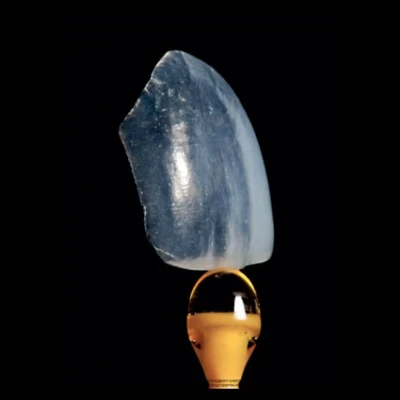
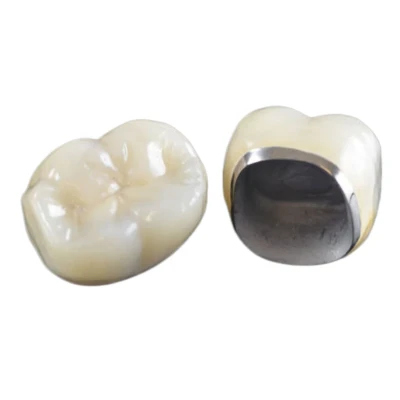
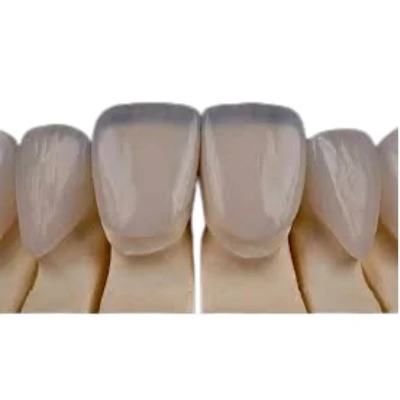
Patients want natural-looking smiles. Metal substructures in older PFM crowns often show a gray line at the gum or make the crown look flat under light. Metal-free options eliminate that.
Biocompatibility drives choices too. Metal allergies, though not universal, affect enough patients to make nickel-free or mercury-free a priority. Ceramic materials sit better with gum tissue long-term-no corrosion, no metallic taste.
Material advances help. Zirconia now handles high bite forces reliably. Lithium disilicate delivers better light transmission for front teeth. CAD/CAM production cuts errors and speeds turnaround.
Clinical data backs the trend. Survival rates for modern all-ceramic crowns match or approach PFM in many studies-often 93-97% at 5 years. Practices report fewer gum issues and higher patient satisfaction with aesthetics.
In short, metal-free crowns align with what patients expect today: function without compromise on looks or health.
Common Materials Used in Metal-Free Crowns
We work with several ceramics daily. Each has clear strengths.
- Zirconia
Highest strength, often over 1000 MPa flexural. Handles posterior teeth and heavy occlusion well. Modern high-translucent versions work for anterior too when layered with porcelain. Low wear on opposing teeth, minimal thermal conductivity.
- Lithium Disilicate (e.max type)
Around 360-400 MPa strength. Best translucency-closest to natural enamel. Ideal for anterior crowns, veneers, or cases needing maximum esthetics. Less opaque, so it blends seamlessly.
- Traditional All-Ceramic / Porcelain
Good color match but lower strength. Mostly replaced by zirconia or lithium disilicate in our queue.
- Composite Resin
Budget option for temporary or low-load use. Not common for permanent full crowns.
Here's a quick comparison table:
|
Material |
Flexural Strength (MPa) |
Translucency |
Best Location |
Typical Longevity Estimate |
|
Zirconia |
>1000 |
Moderate to high (modern types) |
Posterior / high-load |
15+ years |
|
Lithium Disilicate |
360-400 |
Excellent |
Anterior / esthetic |
10-15 years |
|
Traditional Porcelain |
Lower (~150-300) |
High |
Limited use |
Variable |
|
Composite |
Moderate |
Good |
Temporary/low-load |
Shorter |
We select based on tooth position, bite force, and esthetic needs. Zirconia dominates posterior; lithium disilicate leads anterior.

Benefits of Metal-Free Crowns
The practical upsides show up in daily cases.
- Natural appearance-no gray shadow or dark gum line. Light passes through like real teeth.
- No metal allergy risk. No nickel, no mercury, no corrosion over time.
- Less hot/cold sensitivity-ceramics don't conduct temperature well.
- Good durability-zirconia stands up to heavy chewing; lithium disilicate holds for normal use.
- Better gum response-less irritation, healthier margins long-term.
- Conservative prep possible with some materials like lithium disilicate.
Survival data supports this. Many studies show 93-97% at 5 years for zirconia and lithium disilicate single crowns. Failures usually tie to cementation or occlusion, not the material itself.
These benefits make metal-free the default in esthetic or sensitivity cases.
Metal-Free Crowns vs PFM Crowns
We still produce PFM when requested, but the differences are clear in side-by-side work.
|
Aspect |
Metal-Free (Zirconia / Lithium Disilicate) |
PFM (Porcelain-Fused-to-Metal) |
|
Esthetics |
Excellent-natural translucency, no gray line |
Fair-possible gray shadow or opaque look |
|
Biocompatibility |
High-no allergy, no corrosion |
Moderate-potential metal sensitivity |
|
Strength / Durability |
High (zirconia excels posterior) |
High |
|
Thermal Conductivity |
Low-less sensitivity |
High-more hot/cold issues |
|
Gum Health |
Better-no metal margin irritation |
Fair-possible inflammation |
|
5-Year Survival Rate |
93-97% (clinical studies) |
94-97% |
|
Cost |
Usually higher |
Lower |
PFM holds up in extreme bite cases or tight budgets. Metal-free wins on looks, health, and patient comfort. Modern zirconia narrows the strength gap significantly.
When Do Dentists Recommend Metal-Free Crowns?
Indication drives the call.
Front teeth or smile zone-lithium disilicate first for translucency and natural blend.
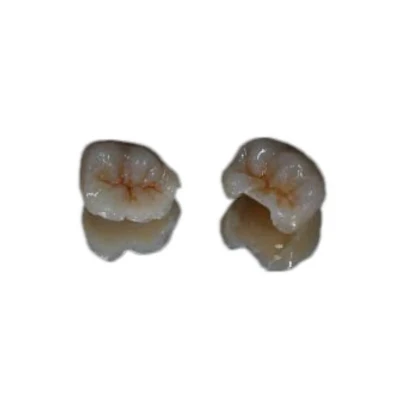
Posterior teeth, bruxism, or heavy occlusion-zirconia for fracture resistance.
Metal allergy history-metal-free is non-negotiable.
High esthetic demand or young patients-metal-free avoids future gray lines.
We see dentists specify zirconia for implant crowns or long-span cases; lithium disilicate for single anterior units. Occlusion check and prep depth guide the final pick.
How Metal-Free Crowns Are Made in Digital Dental Labs
Digital workflow changed everything.
Start with intraoral scan or impression.
CAD software designs the crown-adjusts occlusion, contacts, emergence profile.
CAM mills the blank-zirconia sintered, lithium disilicate crystallized.
Layer porcelain or stain for esthetics if needed. Final polish or glaze.
Adhesive cementation recommended-boosts bond and marginal seal.
Digital steps cut remake rates. Precision fit reduces chair time. In our lab, we handle high-volume overseas orders with consistent results-stable supply, fast turnaround.
Conclusion
Metal-free crowns represent a significant step forward in restorative dentistry. By removing the metal framework and relying on advanced ceramics, these restorations achieve a combination of aesthetics, strength, and biocompatibility.
Materials such as zirconia and lithium disilicate have made it possible to use ceramic crowns in a wide range of clinical situations-from anterior cosmetic restorations to high-load posterior teeth.
For dentists, the success of a metal-free crown depends not only on material selection but also on the quality of laboratory manufacturing. A digital dental laboratory with precise CAD/CAM workflows can deliver restorations that fit accurately, function reliably, and match natural teeth.
As ceramic technology continues to evolve, metal-free crowns will likely remain one of the core solutions in modern prosthetic dentistry.
Explore ADS Dental Laboratory, we are a professional outsource dental laboratory in China, with over 15 years of production experience and 300 full-time technicians. We focus on providing digitally precise restorations and long-term stability for your cases. Simply send us your tooth preparation scan data, and leave the rest to us.