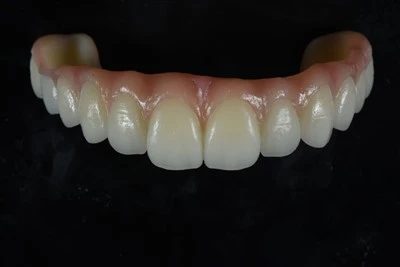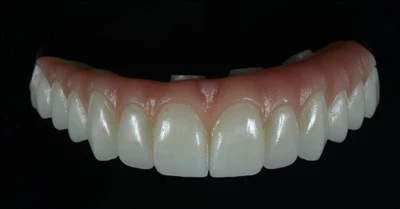
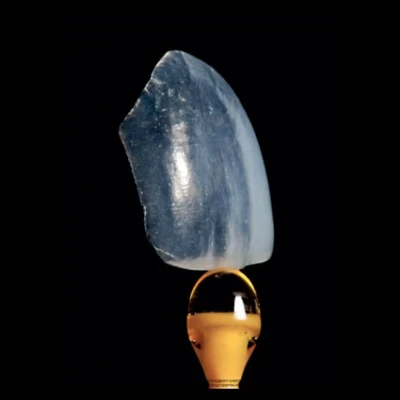
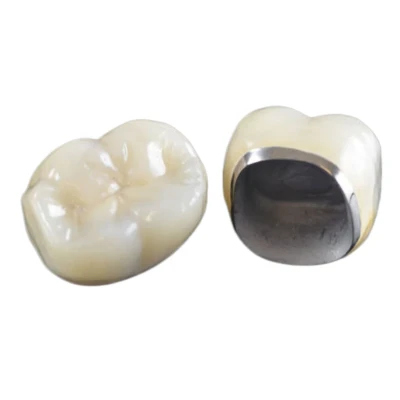
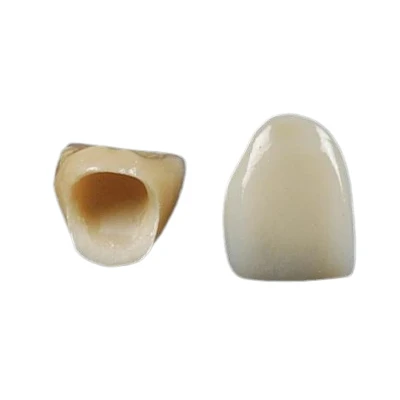
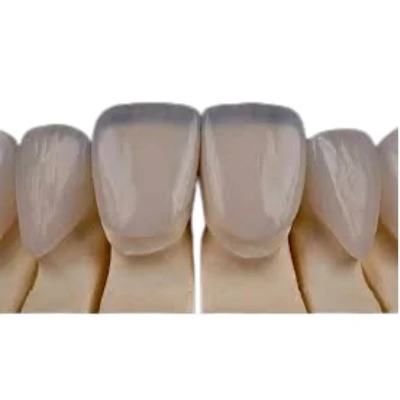
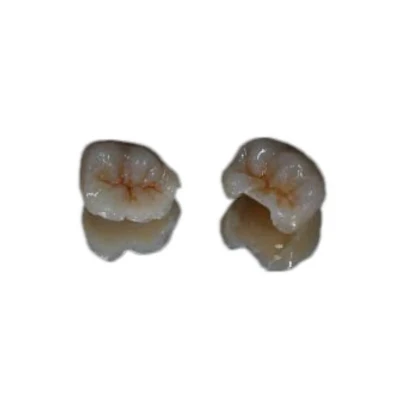
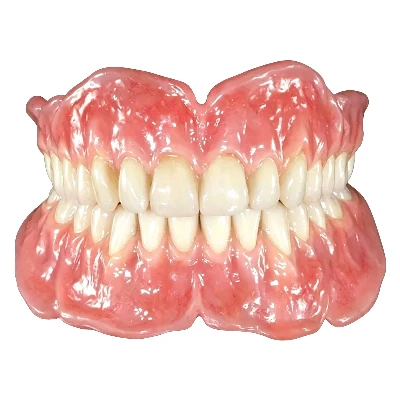

Dental crowns are caps placed over damaged or weakened teeth. They restore shape, strength, function, and appearance. Dentists use them after large decay, cracks, root canals, or for implants and bridges.
This guide covers the main types we mill and layer daily. We focus on real-world performance: how they hold up, where they fit, and trade-offs.

What Is a Dental Crown and When Do You Need One?
A crown covers the entire visible part of the tooth. It protects what's left underneath and returns chewing power.
Common reasons include:
- Large cavity or old filling that needs replacement
- Crack or fracture from trauma or wear
- Root canal treatment (tooth becomes brittle)
- Cover dental implant
- Hold a bridge
- Fix severe discoloration or shape issues for aesthetics
Procedure usually takes two visits. First: prep the tooth, take impressions (digital scan preferred now), place temporary. Lab fabricates permanent. Second: try-in, adjust, cement.
Modern labs use CAD/CAM for precision. Digital files travel fast-great for international cases.
Main Types of Dental Crowns
Here are the types we handle most.

Gold / Full Metal Crowns
Made from gold alloys (often with copper, palladium, or others).
Pros:
- Highest durability
- Minimal tooth removal needed
- Low wear on opposing teeth
- Last longest with good care
Cons:
- Metallic color-visible
- Rare allergic reactions
Best for: Back molars with heavy bite force. Not front teeth.
Porcelain-Fused-to-Metal (PFM) Crowns
Metal core covered by porcelain layers.
Pros:
- Good balance of strength and looks
- Matches tooth shade well
- Proven for decades
- Lower cost than full ceramic
Cons:
- Porcelain can chip under stress
- Metal edge may show if gums recede (dark line)
- Can wear opposing teeth more
Best for: Both front and back when budget limits full ceramic.
All-Porcelain / All-Ceramic Crowns
No metal. Pure ceramic materials.
Pros:
- Most natural appearance
- No allergy risk
- Excellent color match and translucency
Cons:
- Less strong than metal or zirconia
- Higher fracture risk on back teeth
Best for: Front teeth where looks dominate.
Zirconia Crowns
Milled from zirconium dioxide blocks via CAD/CAM.
Pros:
- Extremely strong-handles heavy loads
- Good translucency in multi-layer versions
- Biocompatible, no metal
- Precise fit from digital milling
- Low wear on opponents in most cases
Cons:
- Very hard-can wear opposing teeth if bite not perfect
- Opaque monolithic versions less aesthetic
Best for: Posterior teeth, bruxism patients, bridges. Now popular for anterior with high-translucent types.
E-max (Lithium Disilicate) Crowns
Pressed or milled glass-ceramic.
Pros:
- Superior translucency and lifelike esthetics
- Strong enough for single units
- Thin prep possible
Cons:
- Not as tough as zirconia for heavy posterior use
- Higher cost
- Risk in multi-unit posterior bridges
Best for: Front teeth and smile zone. Good for premolars too.
Temporary / Resin Crowns
Acrylic or composite, made chairside or lab.
Pros:
- Quick and cheap
- Protects tooth during wait
Cons:
- Fragile, wear fast
- Temporary only (2-3 weeks typical)
Used while permanent crown is fabricated.
Comparison of Dental Crown Types
Use this table for quick specs. Prices reflect US averages without insurance (2025-2026 data). Actual varies by location, lab, and extras like core build-up.
|
Type |
Material |
Aesthetics (1-5) |
Strength |
Best Position |
Average Lifespan |
US Cost Range (per crown) |
|
Gold/Metal |
Gold alloys |
1 |
Highest |
Back molars |
20+ years |
$900–$2,500 |
|
PFM |
Metal + porcelain |
3 |
High |
Front & back |
10–15 years |
$800–$2,000 |
|
All-Porcelain |
Pure ceramic |
5 |
Moderate |
Front teeth |
10–15 years |
$1,000–$2,500 |
|
Zirconia |
Zirconium dioxide |
4 |
Very high |
Front & back |
15–25 years |
$1,200–$2,500 |
|
E-max |
Lithium disilicate |
5 |
High |
Front & premolars |
10–20 years |
$1,100–$2,500 |
|
Temporary/Resin |
Acrylic/composite |
2 |
Low |
Short-term |
2–3 weeks |
$200–$500 |
Front teeth: Prioritize aesthetics-E-max or high-trans zirconia wins.
Back teeth: Strength first-zirconia or gold.
Bruxism: Avoid easy-chip options like basic all-porcelain.
How to Choose the Right Dental Crown
Start with tooth location. Anterior needs natural blend. Posterior needs load resistance.
Next: Patient factors.
Heavy bite or grinding? Zirconia or gold.
Metal allergy? Go metal-free.
Budget tight? PFM often middle ground.
High esthetic demand? E-max or layered zirconia.
Digital scan helps. Sends precise data to lab fast. We use it daily for overseas cases-no shipping models.
Discuss with dentist. X-rays and bite check guide final call.
Care, Longevity, and Common Issues
Crowns last longer with basics:
- Brush twice daily, floss, use antibacterial rinse
- Avoid ice, hard nuts, sticky candy
- Night guard if you grind
- Regular cleanings and exams
Average lifespan: 10–15 years overall. Gold and zirconia push 20+. Factors: material, bite, hygiene.
Issues to watch:
- Chipping (porcelain layers)
- Loosening (cement fail)
- Decay at margins (poor hygiene)
- Sensitivity early on
Call dentist for loose feel, cracks, bad taste, or sharp edges.
Final Thoughts
No single "best" crown exists. Match material to clinical need. Zirconia dominates posterior work for its strength and reliability. E-max shines in visible areas for unmatched looks. PFM holds as reliable all-rounder when cost counts.
ADS Dental Laboratory Ltd is a professional dental laboratory in China, we specialize in digital production of zirconia, E-max, and layered options. High-precision milling, consistent quality, fast turnaround for overseas doctors and labs. We help keep your cases on track and patients happy.
Need quotes, case discussion, or samples? Reach out via our site form, email, or WhatsApp. Let's build reliable restorations together.