
Dental crown materials have changed significantly in the past two decades. Traditional porcelain-based restorations are still widely used, but full zirconia crowns have become a standard option in modern digital dentistry.
Both materials restore damaged teeth effectively. However, they behave differently in terms of strength, aesthetics, preparation requirements, and long-term durability. Understanding these differences is important for predictable treatment outcomes.
This article explains the practical differences between full zirconia crowns and porcelain crowns so dentists can make informed decisions for each case.

What Is a Full Zirconia Crown?
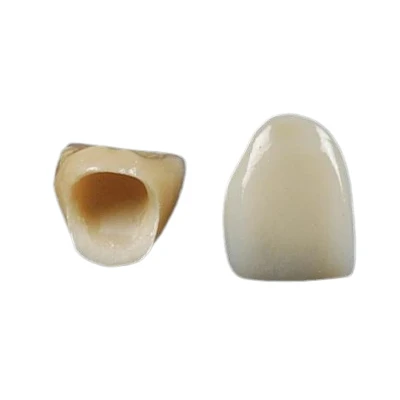
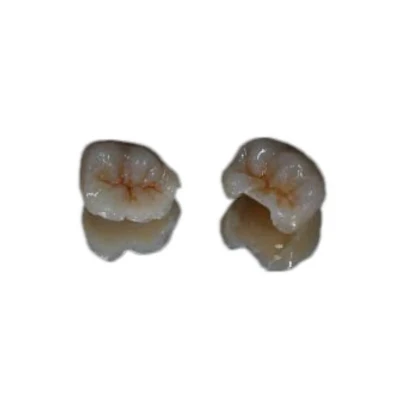
A full zirconia crown is a dental restoration made entirely from zirconium dioxide (ZrO₂), a ceramic material known for high strength and fracture resistance. In modern dental laboratories, zirconia crowns are typically manufactured using CAD/CAM digital workflows, where a zirconia block is milled with high precision and then sintered at high temperature.
Unlike layered ceramic crowns, a full zirconia crown is usually monolithic, meaning the structure is made from a single material without a fragile porcelain layer. This design significantly improves mechanical stability.
From a laboratory and manufacturing standpoint, zirconia offers several practical advantages:
- High structural strength: Zirconia can reach flexural strength values between 900–1200 MPa, far higher than traditional porcelain ceramics. This makes it suitable for areas exposed to heavy occlusal forces.
- Fracture resistance: Monolithic zirconia has very low chipping rates because it does not rely on a layered porcelain veneer.
- Biocompatibility: Zirconia is well tolerated by oral tissues and has minimal allergic response.
- Digital manufacturing compatibility: Zirconia integrates easily into CAD/CAM workflows, improving consistency and marginal accuracy.
In clinical practice, zirconia crowns are frequently recommended for posterior restorations, implant crowns, and patients with strong bite forces or bruxism. The material prioritizes durability and functional stability.
In short, zirconia crowns are engineered to perform under load. Their main role in dentistry is long-term mechanical reliability.
What Is a Porcelain Crown?
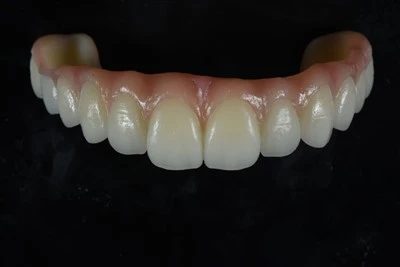
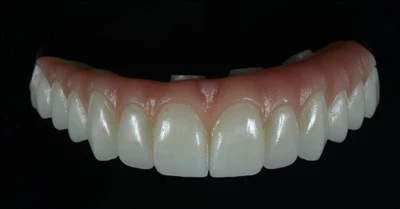
A porcelain crown refers to a dental restoration primarily made from ceramic materials that mimic the optical properties of natural enamel. In everyday clinical communication, porcelain crowns may include several types of restorations:
- All-porcelain crowns
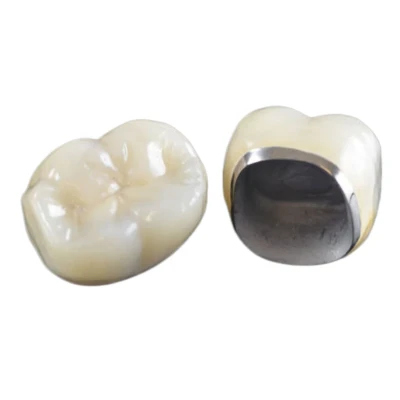
- Porcelain-fused-to-metal crowns (PFM)
- Layered ceramic crowns
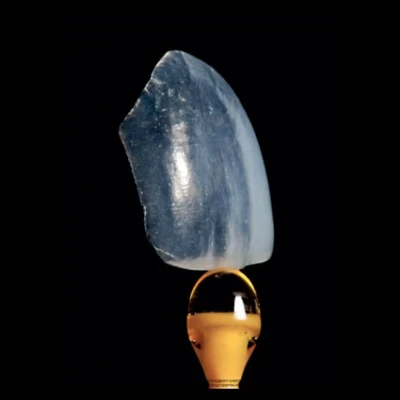
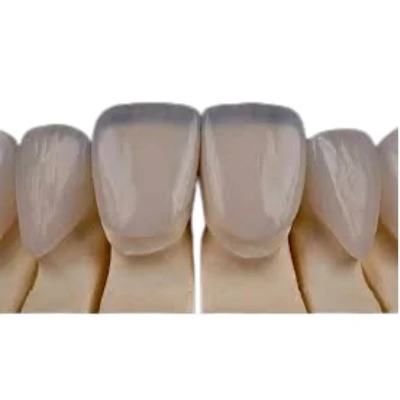
The defining characteristic of porcelain materials is their translucency. Natural teeth are not completely opaque. Light penetrates enamel, reflects within the dentin layer, and returns with a subtle depth of color. Porcelain ceramics reproduce this effect more effectively than most structural ceramics.
Because of this optical advantage, porcelain restorations are often chosen for anterior teeth and cosmetic cases.
Key material characteristics include:
- Superior aesthetics: Porcelain offers excellent translucency and color matching. Skilled dental technicians can layer ceramic powders to replicate natural tooth anatomy and light reflection.
- Custom shade control: Multiple ceramic layers allow fine adjustments in shade, brightness, and incisal translucency.
- Established clinical history: Porcelain crowns have been used successfully in dentistry for decades.
However, porcelain materials are more brittle than zirconia. Under high occlusal stress, porcelain restorations may chip or fracture, especially when layered over weaker substructures.
For this reason, porcelain crowns are usually selected when aesthetic performance is more critical than mechanical strength.
Full Zirconia Crown vs Porcelain Crown: Key Differences
Although both restorations belong to the ceramic crown category, they behave very differently under functional load and aesthetic evaluation. The following comparison summarizes the main clinical differences dentists consider during case planning.
|
Feature |
Full Zirconia Crown |
Porcelain Crown |
|
Material Structure |
Monolithic zirconium dioxide |
Glass-based ceramic or layered porcelain |
|
Flexural Strength |
Very high (900–1200 MPa) |
Moderate (90–400 MPa depending on type) |
|
Fracture Resistance |
Excellent |
Moderate |
|
Aesthetics |
Good, but slightly opaque |
Excellent translucency |
|
Tooth Reduction |
Often less reduction required |
Usually more reduction needed |
|
Chipping Risk |
Very low |
Higher if layered |
|
Typical Indication |
Posterior teeth, implants |
Anterior teeth, cosmetic restorations |
From a manufacturing perspective, zirconia crowns emphasize structural integrity, while porcelain crowns focus on optical realism. Understanding this distinction helps dentists align material choice with clinical priorities.
Strength and Durability Comparison
One of the main reasons zirconia crowns gained popularity is their mechanical performance. Dental restorations must survive constant chewing forces. Molars can experience forces exceeding 500–700 Newtons during normal function.
Zirconia handles these loads extremely well. Its crystalline structure allows a phenomenon known as transformation toughening, which helps stop crack propagation. When small cracks begin to form, the material structure resists further fracture.
Porcelain ceramics behave differently. They are strong under compression but weaker under tensile stress, which makes them more vulnerable to chipping.
In practical clinical terms:
- Zirconia crowns handle heavy occlusion well, ideal for molars, long bridges, and implant restorations.
- Porcelain crowns require careful occlusal adjustment, best suited for areas with lower biting pressure.
- Layered porcelain restorations carry chipping risk, especially in patients with parafunctional habits.
Another practical factor dentists consider is antagonist wear. Modern polished zirconia surfaces show low wear against opposing teeth, while rough porcelain surfaces can cause greater enamel wear if not properly finished.
From the laboratory side, zirconia restorations return far less frequently for fracture repairs. That reliability is one of the reasons zirconia has become the dominant material for posterior crowns.
Strength does not automatically make zirconia better in every case, but it clearly dominates when durability is the priority.
Aesthetic Differences Between Zirconia and Porcelain
While zirconia leads in strength, porcelain still holds an advantage in optical aesthetics.
Natural teeth display subtle translucency, especially near the incisal edge. Porcelain materials replicate this effect because their microstructure allows light to pass through the restoration.
Porcelain crowns allow technicians to create:
- Gradual color transitions
- Incisal translucency
- Natural enamel reflections
- Surface texture and characterizations
Zirconia crowns historically appeared more opaque. Earlier generations of zirconia were primarily designed for strength, not translucency. However, modern high-translucent zirconia materials have improved significantly and are now commonly used even in visible areas.
Even with these improvements, porcelain still offers the highest level of optical control and aesthetic layering.
Typical clinical selection often follows this pattern:
- Anterior teeth porcelain crowns preferred
- Posterior teeth zirconia crowns preferred
The aesthetic gap between the two materials is smaller than it was ten years ago, but porcelain remains the standard for cases where visual appearance is the top concern.
Clinical Indications: When to Choose Zirconia or Porcelain
Material selection should always be based on clinical conditions rather than preference alone. In everyday practice, dentists consider several factors before selecting a crown material. Tooth location, occlusal load, aesthetic requirements, and preparation space all influence the final decision. Zirconia and porcelain serve different purposes in restorative dentistry, and understanding where each material performs best helps clinicians achieve predictable results.
When Zirconia Crowns Are Commonly Recommended
- Posterior Restorations: Molars and premolars experience significantly higher chewing forces than anterior teeth. Zirconia's high fracture resistance allows the crown to withstand these loads without structural damage. This makes it a reliable option for long-term posterior restorations.
- Patients With Bruxism: Grinding and clenching generate excessive occlusal pressure that can damage more brittle ceramic materials. Zirconia's toughness helps reduce the risk of fractures or chipping in these high-stress situations. For bruxism patients, durability often becomes the priority.
- Implant-Supported Crowns: Implant restorations distribute biting forces differently than natural teeth. Zirconia crowns offer strong structural stability and low fracture risk, which helps maintain long-term performance on implant-supported restorations.
- Limited Preparation Space: In some cases, tooth reduction must be conservative due to structural limitations. Zirconia crowns can perform well even when the material thickness is relatively thin. This allows dentists to preserve more natural tooth structure.
When Porcelain Crowns May Be Preferred
- Anterior Aesthetic Cases: Porcelain remains the preferred material for highly visible restorations. Its natural translucency allows the crown to blend more seamlessly with surrounding teeth. This optical advantage is especially important in the smile zone.
- Cosmetic Dentistry Treatments: Cases focused on cosmetic improvement often require detailed shade matching and surface characterization. Porcelain layering techniques allow technicians to control color gradients, translucency, and surface texture more precisely.
- Patients With a High Smile Line: When patients show a large portion of their upper teeth while smiling, the aesthetic demands become higher. Porcelain crowns provide greater visual realism under these conditions, helping restorations look more natural in direct light.
Zirconia vs Porcelain Crown Lifespan and Maintenance
Both zirconia crowns and porcelain crowns can function successfully for many years when designed and fabricated correctly. Clinical studies commonly report crown lifespans of 10–15 years or longer, although individual results depend on oral conditions and patient habits.
Several key factors influence the lifespan of both materials:
- Occlusal forces: Patients with strong bite pressure or grinding habits place greater stress on restorations.
- Oral hygiene: Poor hygiene may lead to decay around crown margins or periodontal issues.
- Preparation design: Proper reduction and margin design allow crowns to distribute forces evenly.
- Laboratory manufacturing quality: Accurate digital design, milling precision, and controlled sintering significantly affect crown fit and durability.
In daily practice, zirconia crowns often show excellent long-term performance because the monolithic structure resists chipping. Porcelain crowns can also last many years, especially when used in low-stress areas and fabricated with precise layering techniques.
ADS Dental Laboratory now relies on CAD/CAM workflows to control many of these variables. High-precision milling machines, standardized sintering cycles, and digital quality checks improve consistency in crown fit and occlusion.
For dentists, long-term crown success is rarely determined by material alone. Clinical preparation and laboratory production quality remain equally important factors.
How Dentists Can Choose the Best Crown Material
When evaluating crown materials, experienced clinicians usually follow a simple decision process rather than focusing on material popularity.
Key evaluation steps include:
- Assess tooth location: Posterior teeth typically require stronger materials.
- Evaluate occlusal load: Patients with strong bites or bruxism benefit from zirconia.
- Determine aesthetic priority: Smile-zone restorations may require porcelain.
- Review preparation space: Limited space may favor zirconia because it can perform well with thinner restorations.
- Consider patient expectations and budget: Treatment success depends on both clinical function and patient satisfaction.
When these factors are considered together, the material choice becomes much clearer. The goal is not to choose the most advanced material, but to choose the most appropriate one for the specific case.
Why ADS Dental Labs Improves Crown Quality
The evolution of digital dentistry has significantly improved the consistency of crown manufacturing. Modern dental laboratories now rely heavily on intraoral scanning, CAD design software, and automated milling systems.
This workflow offers several advantages:
- Higher precision in crown margins and contacts
- Consistent material processing during zirconia sintering
- Standardized design parameters for crown thickness and occlusion
- Faster turnaround time compared to traditional manual fabrication
For dental clinics that outsource crown production, working with a ADS dental laboratory can improve both predictability and communication. Accurate digital files reduce remakes and simplify case adjustments.
As digital technology continues to develop, materials such as zirconia will likely become even more refined in both strength and aesthetics.
Conclusions
Zirconia crowns offer superior strength and durability, making them suitable for posterior teeth and high-load cases. Porcelain crowns provide better translucency and natural aesthetics, making them ideal for anterior restorations. The best choice depends on tooth location, occlusion, and the patient's aesthetic expectations.
For clinics seeking consistent crown quality, ADS Dental Laboratory provides digital zirconia and porcelain restorations for dentists and dental labs worldwide. Our CAD/CAM workflow, experienced technicians, and stable production help ensure reliable fit, aesthetics, and long-term restoration performance.