

What Are Dental Crowns?
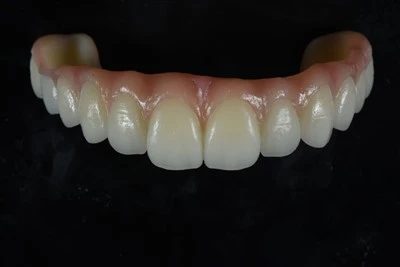
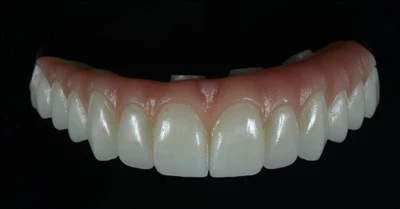
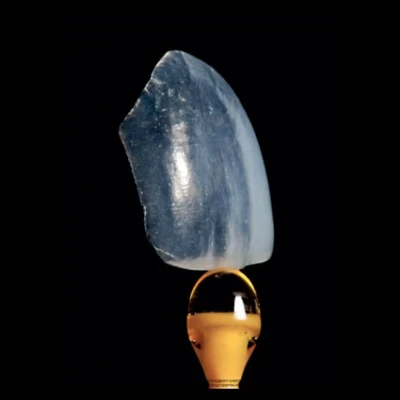
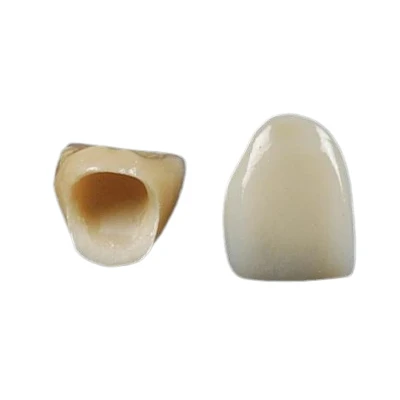
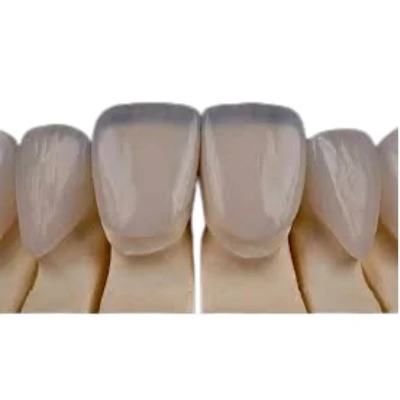
A dental crown is a custom-made restoration that fully covers the visible portion of a tooth (the anatomical crown). Think of it as a protective "cap" placed over a prepared natural tooth. Its role is to restore the tooth's shape, strength, function, and aesthetics, while protecting the remaining tooth structure.
Crowns are not one-shape-fits-all. Tooth anatomy varies by location and function:
- Incisors have thin edges for cutting food
- Canines have a distinct cusp for tearing
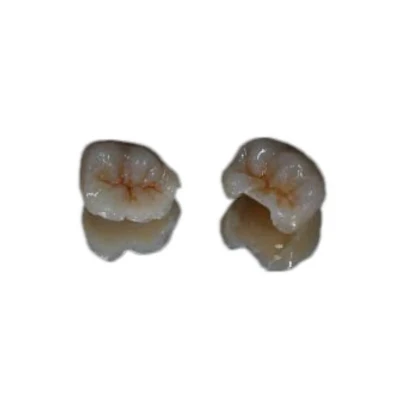
- Molars are broad with multiple cusps and grooves for grinding
Because of this, crown design and fabrication must be highly individualized.
Why Are Dental Crowns Used?
The core purpose of a crown is to provide full coverage protection and rebuild function when a tooth has lost too much structure-such as from deep decay or trauma-where a simple filling is not enough. Crowns are also commonly used to improve aesthetics in severely discolored teeth that do not respond well to whitening.

Dental Crown Materials: Types, Pros and Cons
Modern dentistry offers several crown materials. Each has advantages and limitations, and the "best" choice depends on tooth position, bite force, aesthetic expectations, allergy history, and budget.
1) Metal Crowns
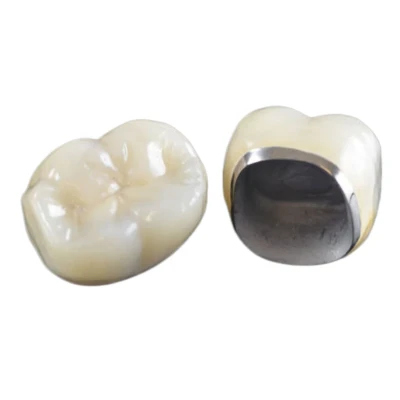
Metal crowns are among the most traditional options, commonly made from nickel-chromium, cobalt-chromium, or gold alloys.
Strengths
- Very high strength and wear resistance
- Excellent durability, especially for back teeth where chewing forces are strong
Limitations
- Poor aesthetics: the metal color is obvious, especially unsuitable for front teeth
- Some alloys can cause allergic reactions (nickel-containing alloys need extra caution)
- May interfere with MRI in some cases
Cost note
Nickel-chromium and cobalt-chromium crowns are usually more affordable. Gold alloy crowns cost more but often offer better biocompatibility and ductility.
2) All-Ceramic Crowns
All-ceramic crowns contain no metal and may be made from materials such as zirconia or lithium disilicate.
Strengths
- Excellent aesthetics: color and translucency can closely mimic natural teeth
- Great biocompatibility: low allergy risk, no metal gray line at the gum margin
- Modern zirconia can reach high strength levels, making it suitable for some posterior cases
Limitations
- Higher cost (especially high-translucency zirconia)
- Requires more precise tooth preparation
- Some ceramic types can chip
- Harder materials (like zirconia) may contribute to wear on opposing teeth in certain situations
3) Porcelain-Fused-to-Metal Crowns (PFM)
A PFM crown combines a metal substructure for strength and a porcelain outer layer for a more natural look.
Strengths
- Balances strength and aesthetics
- Widely used for both front and back teeth depending on case needs
- Metal options can match different budgets (economical alloys vs more biocompatible precious alloys)
Limitations
- Porcelain layer may chip over time
- A gray line at the gum margin may appear due to metal show-through, affecting aesthetics-especially in the front
4) Resin Crowns
Resin crowns are mainly used as temporary crowns.
Strengths
- Low cost and easy to fabricate
- Often can be completed quickly
- Useful to protect prepared teeth while the final crown is being made
Limitations
- Lower strength and wear resistance
- More likely to discolor, wear down, and age
- Not ideal as a permanent restoration in most cases
Resin crowns can be useful in pediatric dentistry for short-term restoration of primary teeth, since these teeth will be replaced later.
Quick Comparison Table: Dental Crown Materials
|
Material Type |
Aesthetics |
Strength |
Durability |
Biocompatibility |
Cost |
Typical Use |
|
Metal crown |
Poor |
Very high |
Excellent |
Moderate (depends on alloy) |
Low–Medium |
Posterior teeth |
|
All-ceramic crown |
Excellent |
Medium–High (depends on type) |
Good–Excellent |
Excellent |
High |
Front teeth; some back teeth |
|
PFM crown |
Good |
High |
Good |
Moderate–Good |
Medium |
Front/back teeth depending on case |
|
Resin crown |
Medium |
Low |
Poor |
Good |
Low |
Temporary crowns |

Applications: When Do You Need a Dental Crown?
Dental crowns are recommended in several common clinical situations.
Large Tooth Defects (Decay, Trauma, Severe Wear)
When a tooth has a large structural loss and there isn't enough healthy tooth remaining for a long-lasting filling, a crown is often the most stable option. A crown protects the remaining structure, distributes bite forces, and lowers the risk of future fracture.
After Root Canal Treatment
Teeth that have had root canal treatment often become more brittle over time because the pulp is removed. Without protection, posterior teeth are at higher risk of cracking. A crown provides mechanical protection and helps seal the tooth to reduce microleakage and reinfection risk. In some cases, a post-and-core may be needed before placing the crown, especially when remaining tooth structure is weak.
Aesthetic Improvement for Severe Discoloration or Shape Problems
Crowns can dramatically improve appearance for teeth with severe discoloration (such as fluorosis, tetracycline staining, or discoloration from pulp necrosis) that don't respond well to whitening. Crowns can also reshape teeth with developmental defects, deformities, or excessive wear to create a more harmonious smile.
Implant Crowns
In implant treatment, the crown is the visible, functional part placed on an implant via an abutment. Material and design should consider bite force distribution, aesthetics, and surrounding gum health. Zirconia is increasingly popular for implants due to its biocompatibility and appearance.
Other Situations
Crowns may also be used in:
- Certain orthodontic cases (often temporary protection or aesthetic planning)
- Bruxism (to distribute abnormal forces with special design)
- Rebuilding vertical dimension in severe generalized wear

How to Choose the Right Dental Crown
There is no universal "best" crown. The right choice depends on several practical factors.
1) Tooth Location: Front vs Back
- Front teeth (anterior) typically prioritize aesthetics → all-ceramic crowns are often preferred
- Back teeth (posterior) prioritize strength and durability → metal crowns, high-strength zirconia, or PFM may be better depending on your bite and habits
If you have a high smile line (more gum showing), crown margin aesthetics become even more important and can influence material choice.
2) Age-Related Considerations
- Children: stainless steel-type metal crowns are often used for severely decayed primary molars due to durability and practicality
- Adolescents: gingival margins may change with growth; treatment planning should consider developmental stage
- Older adults: gum recession and systemic health factors may influence margin design and material biocompatibility; periodontal health often needs to be stabilized first
3) Lifestyle and Occupational Needs
- High-aesthetic roles (public-facing work) often favor all-ceramic
- Heavy bite force, clenching, or bruxism may require a more durable choice (metal or specially designed zirconia)
- Known metal allergies require avoiding nickel-containing materials
4) Budget vs Long-Term Value
Costs vary widely:
- Metal and resin crowns are usually lower cost
- PFM is typically mid-range
- All-ceramic (especially zirconia) is often the highest cost
However, the decision should not be based only on initial price. A better-fitting, more appropriate crown may last longer and reduce future repair or replacement costs.
5) Professional Evaluation and Personalized Design
A dentist's recommendation should be based on a full clinical exam: remaining tooth structure, gum health, occlusion, and your individual risk factors. Digital scanning and CAD/CAM manufacturing can improve accuracy and personalization.
Dental Crown Care and Maintenance
A crown itself doesn't get cavities, but the crown margin (where crown meets natural tooth) is a high-risk area for plaque buildup.
Daily Oral Hygiene
- Brush twice daily with a soft-bristled brush and fluoride toothpaste
- Pay special attention to the crown margin
- Clean between teeth daily using floss, interdental brushes, or a water flosser
- When flossing, avoid aggressive sawing motions; use gentle wrap-around movements
Diet and Habits
- Avoid biting very hard objects (ice, hard candy, nut shells), especially with ceramic crowns
- If you grind or clench, consider a night guard to protect teeth and restorations
- Dark beverages/foods (coffee, tea, red wine, soy sauce) can stain some surfaces; rinse after consumption
- Smoking increases staining and periodontal risk
Regular Checkups
Even without discomfort, professional exams and cleanings are recommended every six months. Dentists check crown fit, occlusion, and gum health and can catch problems early.
Common signs to watch for
- Bite feels "high" or uncomfortable
- Sensitivity near the crown edge
- Gum redness, swelling, bleeding
- Crown feels loose (seek care immediately)
Small porcelain chips may sometimes be repaired, but larger fractures often require replacement. Also, even if the crown is intact, the underlying tooth can still develop issues, so periodic X-rays can be helpful for early detection.
Conclusion
Dental crowns restore tooth shape, function, and aesthetics while protecting weakened teeth. From traditional metal crowns to modern zirconia all-ceramic crowns, materials have improved and choices have expanded. But there is no single best crown material-only the option that best matches your tooth position, functional demands, aesthetic goals, oral environment, and budget.
FAQ
How long do dental crowns last?
Service life varies with material and care. Many crowns can last 8–12+ years, and some last longer with good maintenance.
Which dental crown looks most natural?
All-ceramic crowns are generally the most aesthetic due to their translucency and natural color layering.
Do dental crowns require special cleaning?
Daily cleaning is similar to natural teeth, but extra attention is needed at the crown margin and between teeth.
Can a crown fall off?
Yes. If a crown becomes loose, it should be addressed promptly to avoid swallowing/aspiration and to prevent damage to the underlying tooth.
Explore ADS Dental Laboratory Ltd. We are a China digital dental laboratory specializing in providing long-term, stable outsourcing services for custom dental restorations to overseas dentists and dental laboratories. Contact us today to receive a free sample.