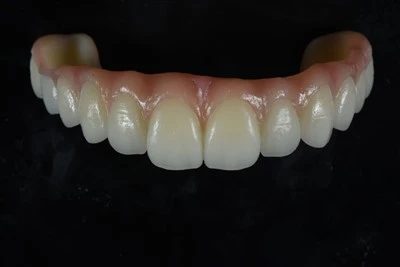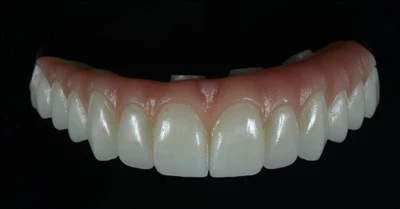
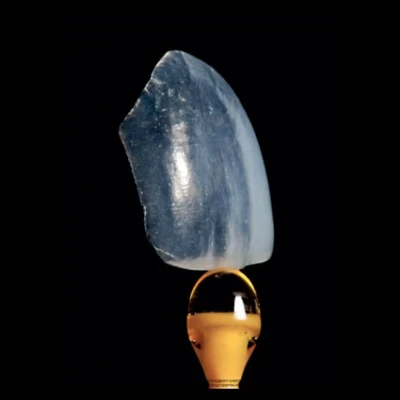
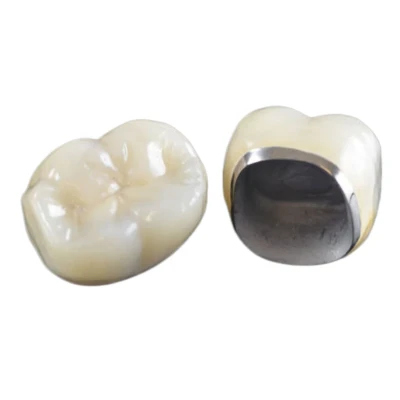
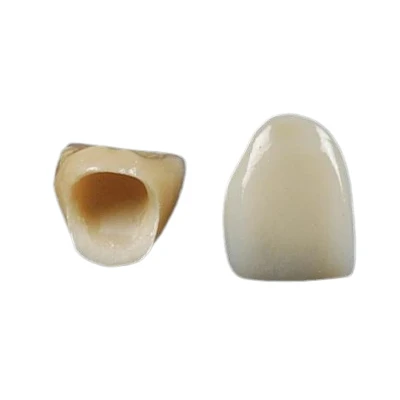
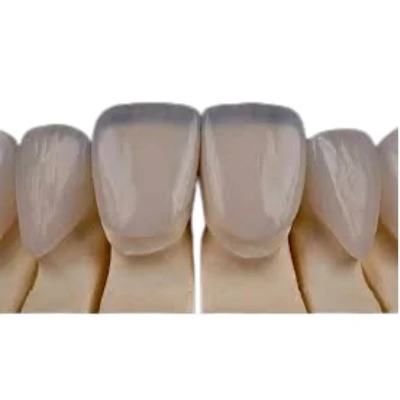
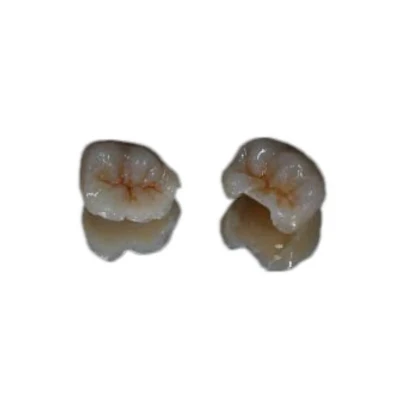
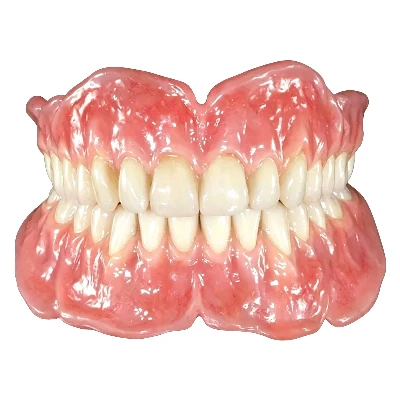

Many overseas dental practices turn to low-cost labs to cut expenses. The initial quote looks attractive-often 30-60% lower than domestic or premium options. But after a few months, the math changes. Remakes pile up. Adjustments take extra chair time. Delays disrupt schedules. Patients notice the difference.
The real question is not the lab fee alone. It is the total cost per case. This includes everything: shipping, re-dos, your time fixing issues, and the risk to your reputation.
We run a digital dental lab in China focused on long-term outsourcing for overseas dentists and labs. We see these patterns every day. This article breaks down what outsourcing really costs when you choose the cheapest route-and how to pick a partner that delivers actual value.

What Is Dental Lab Outsourcing and What Are the Common Cost Components?
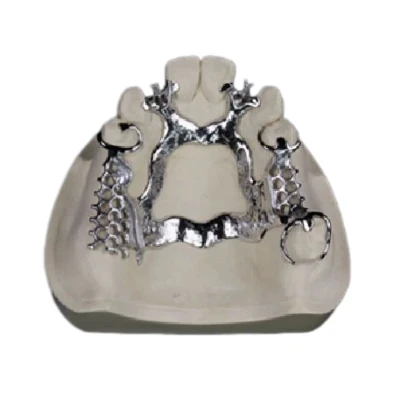
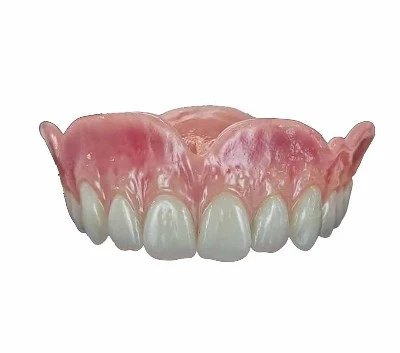
Dental lab outsourcing means sending crown, bridge, veneer, implant, or denture work to an external lab, usually offshore. Most go to countries like China, India, or Vietnam where production costs stay low.
The visible costs break down like this:
- Lab fee: The quoted price per unit. This is what most dentists compare first.
- Shipping and logistics: International freight, customs duties, insurance.
- Turnaround time: How long until the case returns.
But the full picture includes indirect costs:
- Remakes and adjustments
- Chair time spent on try-ins that fail
- Communication revisions
- Patient dissatisfaction or lost trust
Industry experts use the term Total Cost of Ownership (TCO). TCO = unit price + all extras + non-cash risks like reputation damage or patient churn.
Offshore outsourcing has grown significantly. Older FDA data showed around 38% of restorations completed offshore, and the share has likely increased as material and labor costs rise domestically.
The appeal is clear on paper. But low quotes come from specific trade-offs. Next, we look at why some labs can charge so little.

Why Are Low-Cost Labs So Cheap?
No mystery here. The price reflects real differences in operations.
- Labor costs - Technicians in offshore locations earn far less than in the US, UK, or Australia. This is the biggest driver.
- Scale - High-volume labs spread fixed costs over thousands of units monthly.
- Materials - Some use lower-grade or non-premium options to hit price targets.
- Compliance and QA - Less stringent local regulations mean lower overhead for certifications, testing, and infection control.
- Overhead - Cheaper facilities, fewer quality checks, simpler workflows.
These factors allow quotes that beat domestic labs by a wide margin. A zirconia crown might come in at half the price.
But the savings stop at the quote. Quality gaps, fit issues, and process inconsistencies create expenses later. Cheap upfront often means expensive overall.
Common Hidden Costs
Here are the costs that catch most practices off guard. We list them with rough numbers based on industry reports and real cases.
1. High Remake Rates
Remakes are the biggest hidden hit.
Spear Education cites a US national average remake rate of around 4% (range 1-7%). National Dental Practice-Based Research Network data shows 3.8% for single-unit crowns, with many dentists under 2% and some over 4%.
Low-cost offshore labs often run higher-frequently 8-15% in reports from various sources.
Why higher? Inconsistent materials, communication errors, rushed handoffs, less precise analog or early digital workflows.
Real impact:
- Each remake doubles or triples the lab fee for that case.
- Chair time for removal, adjustment, or re-prep: $300–$500+ per hour overhead in many US practices (based on average overhead calculations around $375/hour from older AGD data, adjusted for inflation and location).
- Patient inconvenience leads to complaints or lost loyalty.
Example: A practice doing 200 crowns/year at 10% remake vs 3% sees 14 extra remakes. At $200–$400 per remake (lab + chair), that adds thousands annually-enough to erase most unit-price savings.
2. Shipping, Customs, and Delays
International shipping runs $12–$25 per case, higher for rush.
Customs duties and delays add more-10–20 days common, longer during holidays or disruptions.
Delays force schedule changes, buffer stock, or emergency local fixes. All eat into profit.
3. Communication Barriers and Time Zones
12–16 hour differences slow responses.
Language gaps lead to shade mismatches, design errors, or repeated revisions.
Each cycle adds days and raises remake risk.
4. Material Quality and Regulatory Risks
Some low-cost labs cut corners on materials-non-FDA/CE equivalents, questionable biocompatibility.
Risks include allergic reactions, fractures, or contamination from lax infection control.
ADA has flagged offshore cases with lead or other issues in the past.
A single serious failure means legal exposure, refunds, and reputational damage far beyond one case cost.
5. Other Sneaky Fees and Opportunity Costs
- Post-quote add-ons: rush fees, shade changes, complex surcharges.
- Chair time waste on adjustments.
- Patient loss from poor outcomes-fewer referrals, bad reviews.
Add these up and the "cheap" lab becomes the expensive one.
How to Choose a Truly High-Value Overseas Lab
High value means lowest TCO with consistent outcomes-not the lowest unit price.
Use this checklist when evaluating partners:
- Remake rate below 3–4% (ideally under 2% with digital workflows).
- Full digital process (CAD/CAM reduces errors).
- Transparent pricing-no hidden surcharges.
- Certified materials (FDA/CE/ISO, biocompatibility docs).
- Efficient communication (dedicated English support, case tracking).
- Reliable turnaround and solid remake policy.
- Proven track record with overseas clients (references, case examples).
At ADS Dental Laboratory, we focus exactly on this.
We are a China digital lab built for long-term overseas partnerships. Our workflow uses advanced CAD/CAM for precision. Strict QC keeps remakes low. Pricing stays clear from quote to delivery. We handle English communication in real time and track every case. Dentists who switch to us often see remake rates drop and total costs stabilize-even if our unit price sits above the absolute bottom tier. The difference shows in fewer adjustments, happier patients, and predictable schedules.
Test it. Send 1–2 cases. Compare fit, shade, and turnaround. Email: Info@chinaadsdentallab.com
Conclusion
Low-cost labs tempt with big upfront savings. But remakes, delays, adjustments, and risks turn those savings into losses.
Look beyond the quote. Calculate TCO. Prioritize stability and quality.
A reliable partner delivers consistent restorations that seat fast and last. That saves time, protects your reputation, and keeps patients coming back.
If you want to move away from hidden-cost surprises, reach out to ADS. We offer free quotes, case reviews, and trial units. Let's discuss how stable digital outsourcing can work for your practice.