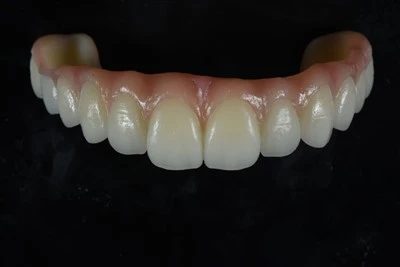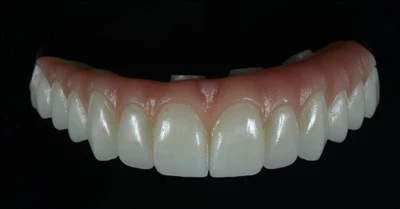
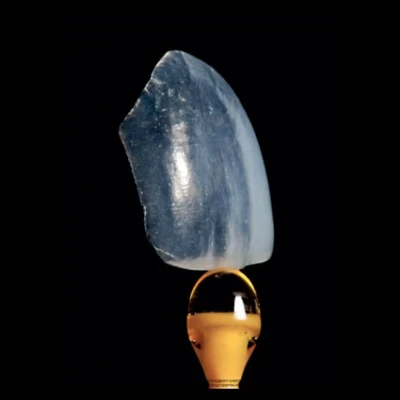
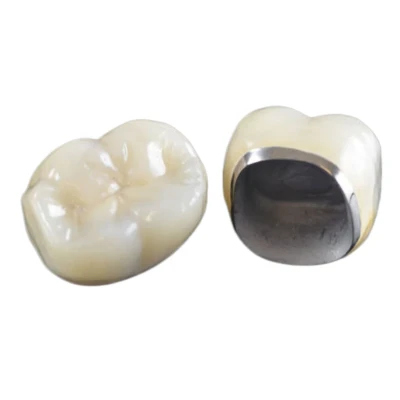
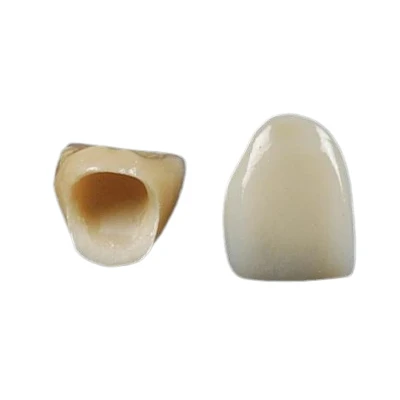
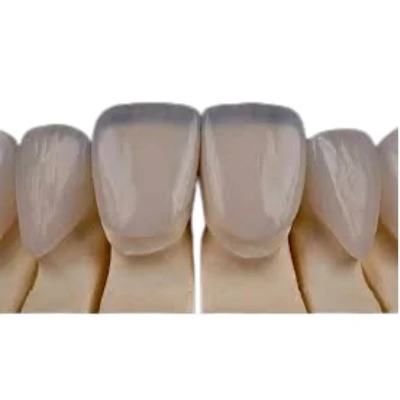
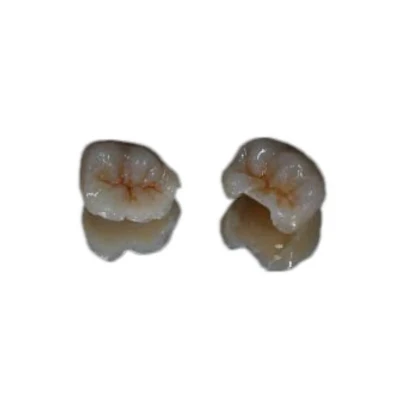
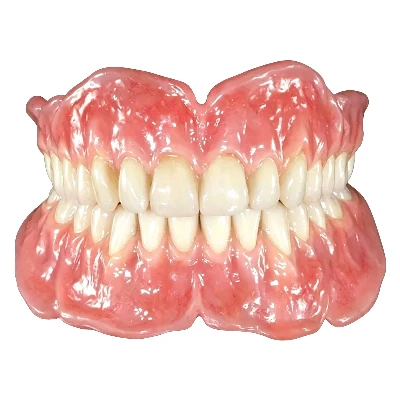

Dental crowns play a critical role in restoring damaged or weakened teeth, combining function, durability, and aesthetics. Understanding how dental crowns are made helps dentists make better clinical decisions and evaluate laboratory partners more effectively.
As a China-based digital dental laboratory, ADS Dental Laboratory Ltd specializes in custom crown manufacturing and long-term outsourcing services for overseas dentists and dental labs. By adopting CAD/CAM systems and 3D printing technologies, modern dental labs can achieve higher precision, faster turnaround times, and consistent quality at scale.
This complete guide explains:
- How dental crowns are made step by step
- The difference between traditional and digital crown workflows
- Common crown materials and their applications
- Why digital dental labs are reshaping crown production worldwide

Dental Crown Manufacturing Process: Traditional vs. Digital Workflow
Case Receiving (Impressions or Intraoral Scans)
- Traditional workflow: Physical impressions are shipped to the lab, which may introduce distortion or delays.
- Digital workflow: Intraoral scans (STL files) are transmitted instantly, improving accuracy and reducing remakes.
Digital case submission is especially beneficial for overseas outsourcing, eliminating international shipping time for impressions.
Case Evaluation & CAD Design
- Traditional labs rely on manual wax-ups performed by experienced technicians.
- Digital dental labs use advanced CAD software (e.g., 3Shape) to design crowns with micron-level precision, ensuring accurate margins, contacts, and occlusion.
This step allows standardized quality control across large volumes of cases.
CAM Milling & 3D Printing
- Traditional method: Lost-wax casting, mainly used for metal-based restorations.
- Digital method:
- Zirconia crowns are milled directly from pre-sintered blocks
- 3D printing supports complex structures, temporary crowns, and layered restorations such as E.max
Digital production significantly shortens fabrication time while maintaining consistency.
Sintering & Porcelain Layering
- Zirconia crowns undergo high-temperature sintering to achieve final strength and density.
- PFM restorations require porcelain layering over a metal framework, which remains more labor-intensive.
Controlled sintering protocols ensure strength, translucency, and long-term performance.
Finishing, Polishing & Quality Control
After milling and sintering:
- Crowns are contoured, polished, and stained
- Occlusion, margins, and shade are carefully verified
Digital labs often integrate standardized QC procedures to ensure repeatable results, especially for bulk and long-term outsourcing partners.
Dental Crown Materials: Key Differences
|
Material |
Advantages |
Limitations |
Typical Applications |
|
Zirconia |
High strength, biocompatible, long lifespan |
Slightly less translucent |
Molars, bridges, posterior crowns |
|
E.max |
Excellent aesthetics and translucency |
Lower fracture resistance |
Anterior crowns |
|
PFM |
Cost-effective, proven clinical history |
Metal margin visibility |
Budget-driven restorations |
Temporary vs. Permanent Crowns
- Temporary crowns are commonly produced using 3D-printed resin for fast delivery
- Permanent crowns require full sintering and finishing for long-term use

Why Digital Dental Labs Are Preferred for Crown Outsourcing
Accuracy & Efficiency
Digital workflows reduce human variability and allow:
- More precise crown margins
- Better occlusal accuracy
- Faster production compared to traditional methods
This is especially important for clinics managing high patient volume.
Scalability & Consistency for Overseas Dentists
Digital dental labs like ADS Dental Laboratory Ltd support:
- Stable bulk production for long-term partners
- Consistent results across cases
- Overseas-friendly workflows, where digital files replace physical impressions
China's mature digital manufacturing ecosystem enables cost-effective production without compromising quality.
FAQ
How long does it take to make a dental crown?
Digital dental labs typically complete crowns within 24–48 hours, while traditional methods may take 1–2 weeks.
Are digital crowns more accurate than traditional crowns?
Yes. CAD/CAM systems routinely achieve 20–50 microns of accuracy, often exceeding manual fabrication techniques.
Can dental crowns be safely outsourced overseas?
Yes. Many overseas dentists partner with ISO-certified digital dental laboratories in China for reliable, high-volume crown production with standardized quality control.
Conclusion
From digital scanning and CAD design to milling and sintering, modern dental crown production is a precise and highly controlled process. Digital workflows not only improve accuracy and efficiency but also make international crown outsourcing practical and dependable.
For dentists and dental labs seeking long-term, stable crown manufacturing partners, working with a China-based digital dental laboratory offers speed, scalability, and consistent quality.
ADS Dental Laboratory Ltd supports overseas clients with customized crown solutions designed for modern clinical workflows.
Contact us now to get a free sample. Email: Info@chinaadsdentallab.com